
Understanding the monthly cost of health insurance is a critical component of personal financial planning, yet it’s often shrouded in complexity. The truth is, there isn’t a single, straightforward answer to this question, as premiums are highly individualized, fluctuating based on a myriad of factors. For most Americans, health insurance is a significant recurring expense, second only to housing and transportation for many households. Navigating the various plan types, coverage levels, and financial assistance options is essential to both securing adequate protection and managing your budget effectively.
Deconstructing the Drivers of Health Insurance Premiums
The premium—the amount you pay monthly to keep your coverage active—is determined by a complex algorithm that considers numerous personal and market-driven variables. Understanding these key drivers is the first step toward demystifying your monthly health insurance bill.

Age and Geographic Location
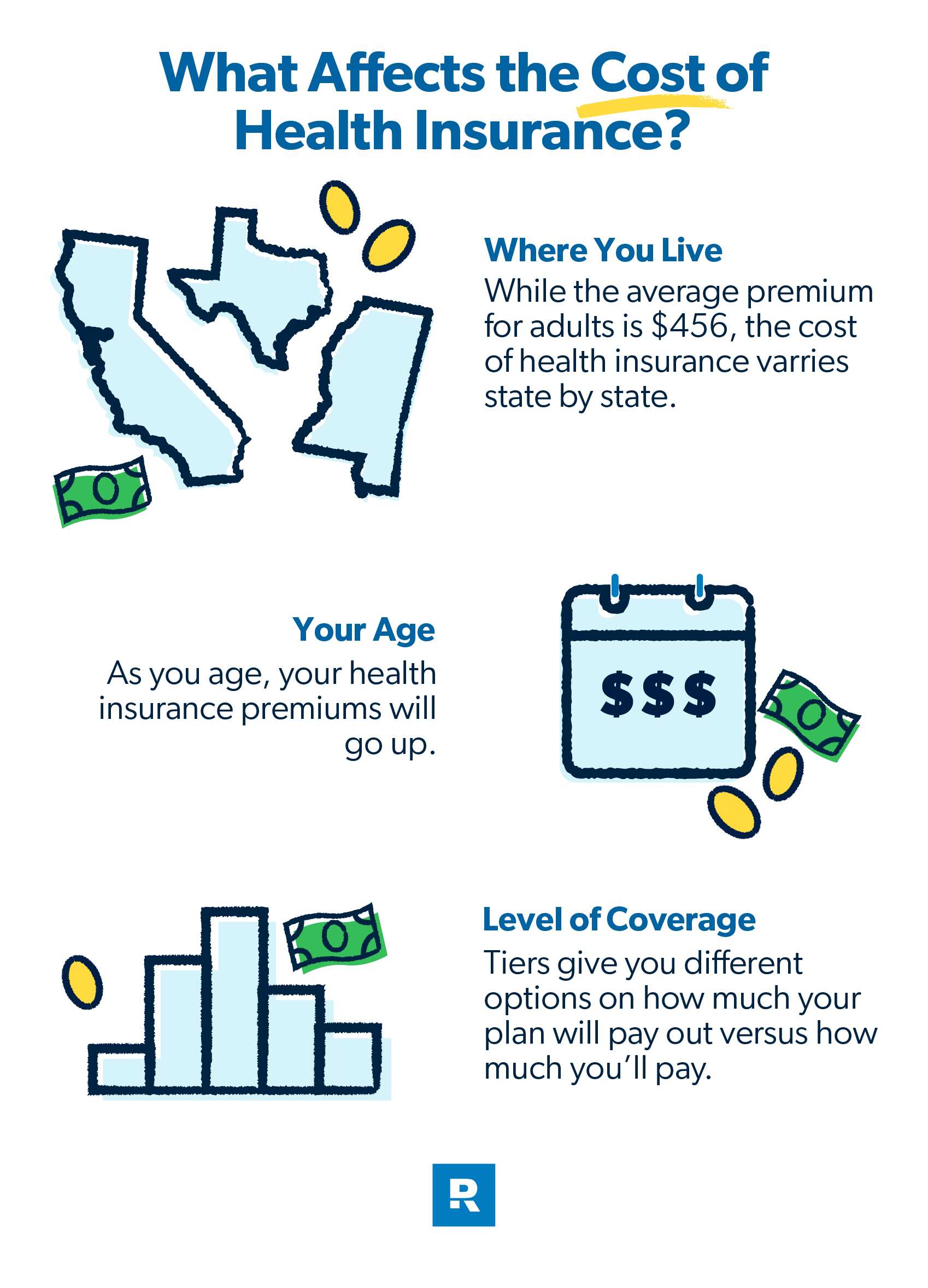
Perhaps two of the most significant predictors of your health insurance premium are your age and where you live. Older individuals typically face higher premiums because they are statistically more likely to require medical care. Health insurance companies are legally allowed to charge older adults up to three times more than younger adults for the same plan.
Geographic location also plays a crucial role. Healthcare costs vary significantly across states, counties, and even zip codes due to differences in local medical care costs, competition among providers, state regulations, and the general health of the population. For instance, a plan in a rural area with fewer healthcare options might have a different premium structure than a comparable plan in a densely populated urban center with numerous hospitals and specialists. State-specific mandates regarding covered benefits can also influence costs.
Plan Type and Level of Coverage
The kind of health insurance plan you choose profoundly impacts your monthly premium. Different plan structures offer varying degrees of flexibility in choosing doctors and specialists, as well as distinct cost-sharing arrangements. Generally, plans that offer more flexibility and lower out-of-pocket costs at the point of service (like lower deductibles, copayments, and coinsurance) will command higher monthly premiums. Conversely, plans with higher deductibles often come with lower monthly premiums.
The “metal tiers” (Bronze, Silver, Gold, Platinum) found on the Affordable Care Act (ACA) marketplace illustrate this concept.
-
Bronze plans have the lowest monthly premiums but the highest deductibles and out-of-pocket maximums, meaning you pay more for care when you need it. They cover about 60% of average healthcare costs.
-
Silver plans offer moderate premiums and moderate deductibles. They cover about 70% of average healthcare costs and are the only tier eligible for cost-sharing reductions (CSRs), which can further lower deductibles, copayments, and coinsurance for eligible individuals.
-
Gold plans have higher monthly premiums but lower deductibles and out-of-pocket maximums, covering approximately 80% of average costs.
-
Platinum plans feature the highest monthly premiums but the lowest deductibles and out-of-pocket costs, covering about 90% of average costs.
Deductibles, Copayments, and Coinsurance
These three terms define your out-of-pocket financial responsibility when you receive care, and they have a direct inverse relationship with your monthly premium.
-
Deductible: The amount you must pay out of pocket for covered healthcare services before your insurance plan starts to pay. A higher deductible usually means a lower monthly premium.
-
Copayment (Copay): A fixed amount you pay for a covered healthcare service after you’ve paid your deductible. Plans with lower copays often have higher premiums.
-
Coinsurance: Your share of the cost of a covered healthcare service, calculated as a percentage (e.g., 20%) of the allowed amount for the service, after you’ve met your deductible. Plans with lower coinsurance percentages typically have higher premiums.
Understanding how these elements combine is crucial. A low-premium plan might seem appealing, but if it comes with a $7,000 deductible and 40% coinsurance, your out-of-pocket costs for an unexpected illness or injury could be substantial.
Tobacco Use and Family Size
While most other health factors cannot be used to determine premiums, tobacco use is an exception. Insurers are permitted to charge tobacco users up to 50% more than non-users for their monthly premiums. This surcharge reflects the increased health risks and potential healthcare costs associated with smoking.
Finally, your family size significantly impacts the total monthly premium. The premium increases for each additional adult and child covered under the plan. A single individual will pay substantially less than a family of four for the same type of coverage.
Navigating the Health Insurance Marketplace: Plan Types and Their Financial Implications
Beyond the metal tiers, understanding the fundamental structures of health insurance plans is essential for making an informed financial decision. Each type offers different trade-offs between cost, flexibility, and access to care.
HMO (Health Maintenance Organization)
HMOs typically have lower monthly premiums compared to other plan types. They require you to choose a primary care physician (PCP) within their network, who then coordinates all your care and provides referrals to specialists. You generally cannot see out-of-network providers, except in emergencies, and if you do, your services won’t be covered. This tightly managed care structure helps keep costs down, both for the insurer and often for the policyholder’s premiums.
PPO (Preferred Provider Organization)
PPOs offer more flexibility than HMOs. While they have a network of preferred providers, you typically don’t need a referral to see a specialist, and you have the option to see out-of-network providers, though at a higher cost. This added flexibility usually translates to higher monthly premiums. PPOs are a popular choice for those who value choice and don’t mind paying more for it.
EPO (Exclusive Provider Organization) and POS (Point of Service)
-
EPO plans are a hybrid. They are similar to PPOs in that you don’t typically need a referral to see specialists, but like HMOs, they generally won’t cover out-of-network care unless it’s an emergency. This can result in premiums that are often lower than PPOs but higher than HMOs, depending on the specific plan.
-
POS plans also combine elements of HMOs and PPOs. You select a PCP within the network, who then refers you to specialists within the network. You can also go out-of-network for care, but you’ll pay a higher cost and likely manage your own claims. POS plans usually have premiums somewhere between HMOs and PPOs.

HDHP (High-Deductible Health Plan) with HSA
High-Deductible Health Plans (HDHPs) are characterized by lower monthly premiums and significantly higher deductibles. The key financial benefit of an HDHP, for those who qualify, is the ability to pair it with a Health Savings Account (HSA). An HSA is a tax-advantaged savings account that can be used to pay for qualified medical expenses. Contributions to an HSA are tax-deductible, the money grows tax-free, and withdrawals for qualified medical expenses are also tax-free. This “triple tax advantage” makes HDHPs an attractive option for healthy individuals who want to save on premiums and invest for future healthcare costs, or for those who can afford the high deductible if a major medical event occurs.
Understanding Average Monthly Premiums and Financial Assistance
While specific costs vary widely, looking at averages can provide a general benchmark for financial planning. However, it’s crucial to remember that these are just averages and your personal cost may be higher or lower.
General Premium Ranges
For individual plans purchased through the ACA marketplace, average monthly premiums for a 40-year-old generally range from $300 to $700, before any subsidies. A Silver plan, often considered a good balance between premium and out-of-pocket costs, might average around $500 per month for an individual. Family plans are substantially higher, often ranging from $1,000 to over $2,000 per month, depending on the number of dependents and the plan chosen. These averages can fluctuate significantly based on the factors discussed earlier, especially location and the specific insurer.
The Role of Subsidies and Tax Credits
One of the most impactful financial mechanisms for reducing health insurance costs is the availability of government subsidies through the ACA marketplace.
-
Premium Tax Credits (APTCs): These are refundable tax credits that lower your monthly premium for health insurance coverage purchased through the marketplace. Eligibility is based on your household income relative to the federal poverty level (FPL). Many individuals and families with incomes between 100% and 400% of the FPL qualify for significant tax credits, which can drastically reduce or even eliminate their monthly premium burden. The American Rescue Plan Act of 2021 and the Inflation Reduction Act of 2022 temporarily expanded these subsidies, making more people eligible and increasing the amount of assistance for many.
-
Cost-Sharing Reductions (CSRs): Available only for Silver plans, CSRs lower the amount you have to pay for deductibles, copayments, and coinsurance. Eligibility is also based on income. If you qualify, choosing a Silver plan can provide a “gold” or “platinum” level of coverage (in terms of out-of-pocket costs) for a Silver plan premium.
These subsidies are often paid directly to your insurer, lowering your monthly bill, making health insurance significantly more affordable for millions.
Employer-Sponsored vs. Individual Plans
For many, employer-sponsored health insurance is the most common and often the most affordable option. Employers typically cover a substantial portion of the premium, making the employee’s contribution much lower than what they would pay for an equivalent plan on the individual marketplace without subsidies. However, even with employer contributions, a significant portion of your paycheck may still go towards health insurance, especially for family coverage. If your employer’s plan is deemed “affordable” (meaning the employee’s share of the premium for self-only coverage is less than a certain percentage of their household income) and provides “minimum value,” you generally won’t be eligible for premium tax credits on the marketplace.
Strategies to Optimize Your Health Insurance Spending
Managing health insurance costs isn’t just about finding the cheapest premium; it’s about finding the best value for your specific needs and financial situation.
Comparing Plans Annually
Healthcare needs and financial situations can change. The health insurance market also evolves annually, with new plans, changing networks, and adjusted premiums. It’s financially prudent to review your options during the Open Enrollment Period each year, whether you get insurance through your employer or the marketplace. Even if you’re happy with your current plan, comparing it against alternatives can reveal opportunities for savings or better coverage that better suits your evolving circumstances. Don’t assume your current plan will remain the best value.
Leveraging HSAs for Tax Advantages
For those enrolled in an HDHP, actively contributing to and utilizing a Health Savings Account (HSA) is a powerful financial strategy. Beyond the immediate tax deduction on contributions, the tax-free growth and withdrawals for medical expenses create a potent long-term savings vehicle. Funds in an HSA roll over year after year, can be invested, and at age 65, can be withdrawn for any purpose without penalty (though non-medical withdrawals will be taxed as ordinary income). This makes HSAs not just a way to pay for current medical expenses, but also a retirement savings tool specifically earmarked for healthcare.
Considering Catastrophic Plans (for eligible individuals)
If you are under 30 or qualify for a hardship exemption, you might be eligible for a catastrophic health plan. These plans have very low monthly premiums but extremely high deductibles. They primarily offer protection against major, unexpected medical events rather than routine care. While they can save you money on monthly premiums, they expose you to significant out-of-pocket costs for anything short of a severe illness or injury. They are generally not recommended if you have chronic health conditions or expect to use medical services frequently.
Utilizing Preventive Care
Regardless of your plan type, virtually all health insurance plans are required to cover certain preventive services at no additional cost. These include annual physicals, vaccinations, and screenings for various conditions. Taking advantage of these free services can help detect potential health issues early, preventing more serious—and more expensive—problems down the line. Investing in your health through preventive care can indirectly save you substantial money on future medical bills.
The Long-Term Financial Value of Health Insurance
While the monthly cost of health insurance can feel like a burden, its long-term financial value cannot be overstated. A serious illness or accident without insurance can lead to medical debt that totals hundreds of thousands of dollars, resulting in bankruptcy for many. Health insurance acts as a critical financial safeguard, mitigating the risk of devastating medical expenses and allowing you to focus on recovery rather than crushing debt.
Choosing the right health insurance plan involves balancing monthly premiums against potential out-of-pocket costs, considering your health status, anticipated medical needs, and financial capacity to cover a deductible. By diligently researching your options, understanding the cost drivers, and leveraging available financial assistance, you can make an informed decision that protects both your health and your financial well-being.
aViewFromTheCave is a participant in the Amazon Services LLC Associates Program, an affiliate advertising program designed to provide a means for sites to earn advertising fees by advertising and linking to Amazon.com. Amazon, the Amazon logo, AmazonSupply, and the AmazonSupply logo are trademarks of Amazon.com, Inc. or its affiliates. As an Amazon Associate we earn affiliate commissions from qualifying purchases.