
The cruise industry represents one of the most capital-intensive sectors in the global economy. When we ask, “How much does it cost for a cruise ship?” we are not merely discussing a purchase price; we are exploring a complex financial ecosystem involving multi-billion dollar capital expenditures, sophisticated international financing, and high-stakes operational management. For investors, business analysts, and maritime enthusiasts, understanding the price tag of these floating cities requires a deep dive into the economics of scale, luxury, and long-term asset management.
From the initial steel cutting in a European shipyard to the daily overhead of feeding thousands of guests, the financial footprint of a modern cruise vessel is staggering. This article breaks down the costs of a cruise ship through the lens of business finance, exploring why these vessels cost what they do and how they generate a return on such massive investments.
Capital Expenditure: The High Price of Construction
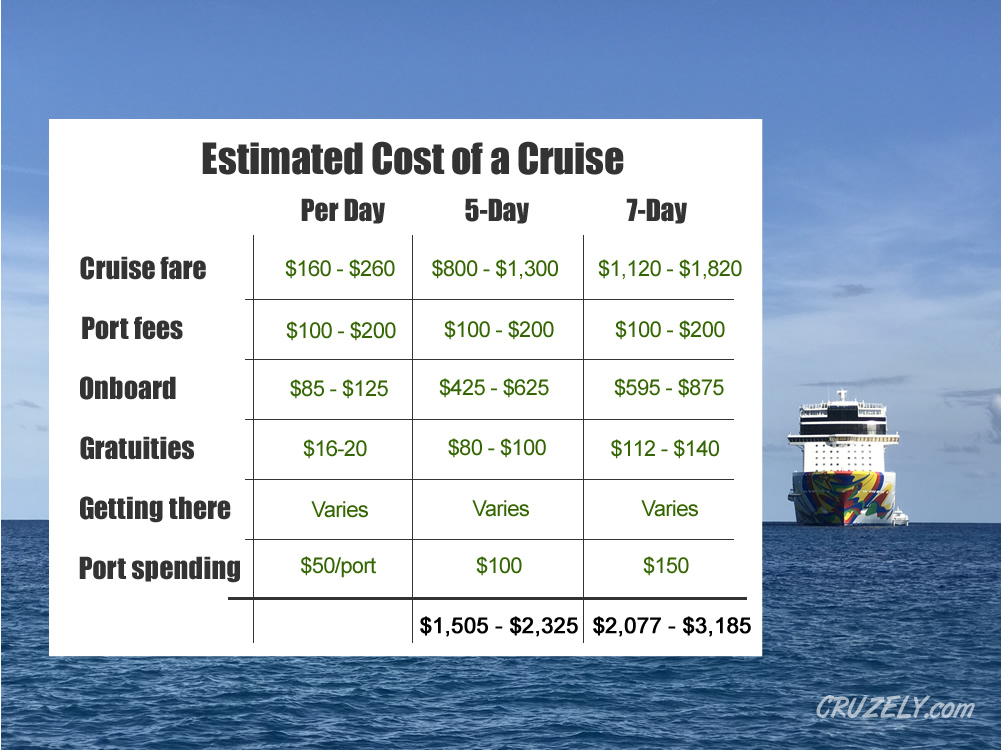
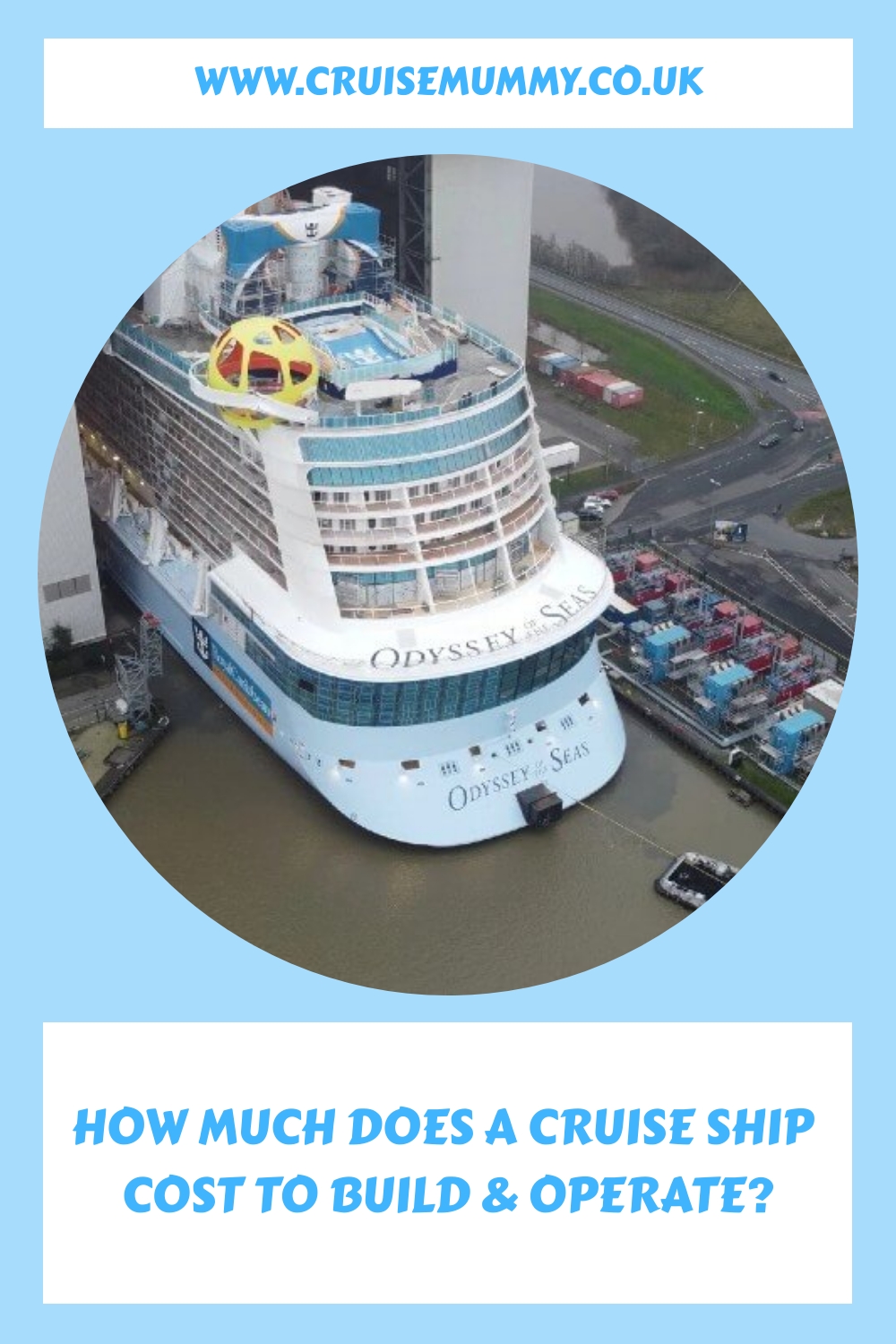
The primary cost of a cruise ship is the initial Capital Expenditure (CAPEX). In the current market, a mid-sized cruise ship (holding roughly 2,000 to 3,000 passengers) typically starts at $500 million. However, the industry has shifted toward “megaships,” such as Royal Caribbean’s Icon of the Seas, which carry price tags exceeding $2 billion.
Tonnage and Scale: Why Size Matters
In maritime finance, the Gross Tonnage (GT) of a vessel is a primary driver of cost. However, it is not a linear relationship. The economy of scale suggests that while a larger ship costs more in total, the “cost per berth” (the cost per passenger) can sometimes be optimized in larger vessels. Most modern builds aim for a cost-per-berth between $200,000 and $400,000. For a ship carrying 5,000 passengers, a $300,000 per-berth cost results in a $1.5 billion investment. This scale allows cruise lines to spread fixed costs—such as the bridge crew, engine room staff, and basic infrastructure—across a larger revenue-generating base.
Luxury vs. Contemporary: Material and Finish Costs
The niche of the cruise line significantly dictates the construction cost. Contemporary lines (like Carnival or MSC) focus on high-volume amenities—water parks, large theaters, and expansive buffets. Luxury lines (like Regent Seven Seas or Silversea) invest heavily in high-end finishes, such as Italian marble, designer furniture, and larger suite footprints. A luxury ship might have a much smaller tonnage but a significantly higher cost-per-square-foot due to the quality of materials and the “space ratio” (the amount of ship space per passenger), which is a key metric for premium pricing.
The Shipbuilding Monopoly: European Shipyards and Pricing
The supply side of cruise ship construction is a tight oligopoly. Only a few shipyards in the world—primarily Fincantieri in Italy, Meyer Werft in Germany/Finland, and Chantiers de l’Atlantique in France—have the infrastructure and expertise to build complex cruise vessels. This concentration of expertise keeps prices high. These shipyards operate with order books filled years in advance, meaning cruise lines often pay a premium for “slots” in the construction schedule. Fluctuations in the price of specialized marine-grade steel and advanced electronics also play a critical role in the final contract price.
Operational Financing: What it Costs to Keep a Giant Afloat
Once the ship is delivered, the financial focus shifts from CAPEX to Operating Expenses (OPEX). A cruise ship is a business that never sleeps, and its daily running costs are equally monumental.
Fuel Efficiency and Environmental Regulations
Fuel is often the single largest variable expense for a cruise line, typically accounting for 10% to 15% of total revenue. A large cruise ship can consume 150 to 250 tons of fuel per day. In recent years, the industry has transitioned toward Liquefied Natural Gas (LNG) and the installation of “scrubbers” to meet stricter environmental regulations (IMO 2020). While LNG is cleaner, the specialized tanks and propulsion systems increase the initial build cost by 10% to 15%, though they offer long-term savings through efficiency and regulatory compliance.
Labor and Logistics: The Human Capital Investment
A cruise ship is a service-based business. A vessel carrying 4,000 passengers often requires a crew of 1,500 to 2,000 people. This involves a massive payroll, but also the cost of “hotel operations”—feeding, housing, and providing medical care for the crew. Logistically, the cost of provisions is a masterclass in supply chain management. A typical week-long cruise might require $1 million in food and beverage inventory. Managing this inventory with minimal waste is essential for maintaining the narrow margins typical of the hospitality side of the business.
Maintenance and Dry-Docking
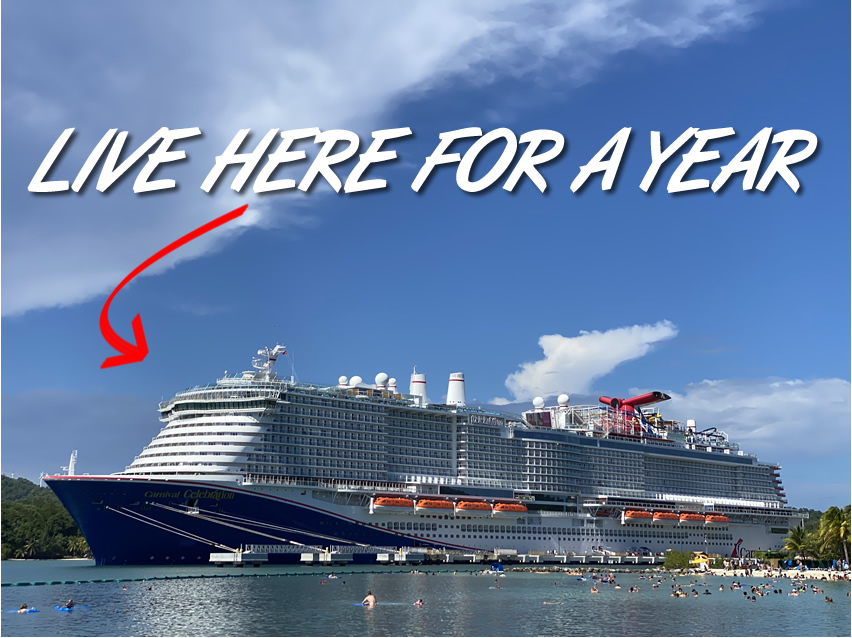
Unlike a land-based hotel, a cruise ship must undergo rigorous periodic maintenance. Maritime law requires ships to enter “dry dock” every two to five years for hull inspections and mechanical overhauls. A typical dry dock period can cost between $30 million and $100 million, depending on whether the cruise line is simply performing maintenance or undergoing a “revitalization” (updating interiors to maintain brand competitiveness). During this time, the ship generates zero revenue, making the “opportunity cost” of dry-docking a significant factor in the annual budget.
Return on Investment (ROI): How Cruise Lines Recoup Billions
With a $1 billion asset and high daily operating costs, the financial strategy for recouping the investment is incredibly sophisticated. Cruise lines do not rely solely on ticket sales; they operate on a “total revenue” model.
Ticket Revenue vs. Onboard Spending
In many cases, the base fare of a cruise ticket barely covers the ship’s overhead and marketing costs. The real profit—the “net yield”—comes from onboard spending. This includes casinos, beverage packages, specialty dining, shore excursions, and retail. Financial reports from major players like Carnival Corp and Royal Caribbean Group show that onboard revenue can account for 30% or more of total income, often with much higher profit margins than the initial ticket price.
The Lifecycle of a Ship: Depreciation and Resale Value
A cruise ship is typically depreciated over 30 years. However, its economic life is often longer. Major cruise lines usually operate a ship for 15 to 20 years before selling it to a secondary, lower-tier cruise line or a regional operator. The resale value of a well-maintained ship remains surprisingly high, providing a “residual value” that helps offset the initial CAPEX. This “cascading” strategy allows top-tier brands to keep their fleets young and technologically advanced while recovering capital to reinvest in new builds.
Yield Management and Occupancy Rates
The cruise industry is unique in its pursuit of 100% (or higher) occupancy. Through dynamic pricing—much like airlines—cruise lines fluctuate prices daily to ensure every cabin is filled. A vacant cabin is a lost opportunity for onboard spending, which is the lifeblood of the ROI. If a ship sails at 105% occupancy (achieved by having more than two people in some cabins), the financial performance usually exceeds expectations, significantly shortening the time needed to pay down the construction debt.
Financing the Fleet: Debt, Equity, and Market Volatility
How does a company come up with $2 billion for a single asset? They rarely use cash on hand. The financing of cruise ships involves complex international debt structures and government involvement.
Securing Loans for Megaprojects
Most cruise ships are financed through “export credit agencies” (ECAs). Because shipyards are major employers in their respective countries, governments in Italy, Germany, and France often guarantee loans to cruise lines to ensure the shipyards stay in business. These loans typically cover 80% of the contract price, with repayment terms stretching over 12 to 15 years. This low-interest, government-backed financing is what allows cruise lines to maintain a constant cycle of new ship orders.
The Impact of Interest Rates on Maritime Growth
Because the industry is heavily leveraged, it is highly sensitive to interest rate fluctuations. When central banks raise rates, the cost of servicing the multi-billion dollar debt on a fleet increases significantly. For a company with $20 billion in debt, even a 1% increase in interest rates can represent hundreds of millions of dollars in additional annual expense. This financial pressure often dictates the pace of new orders and the aggressiveness of onboard sales strategies.
Market Volatility and Risk Management
The cruise industry is also susceptible to “black swan” events, as seen during the 2020 global pandemic. When fleets were grounded, the “burn rate” (the cash needed to maintain the ships and pay debt without revenue) was hundreds of millions of dollars per month. This forced many companies to take on high-interest emergency debt or dilute equity by issuing more shares. Today, the focus of cruise ship finance has shifted toward “deleveraging”—using the current surge in travel demand to pay down that emergency debt and return to a more stable balance sheet.
In conclusion, the cost of a cruise ship is a reflection of its status as one of the most complex mobile assets on the planet. For the business owner or investor, the $1 billion to $2 billion price tag is just the beginning. The true financial story lies in the daily operational efficiency, the mastery of onboard revenue generation, and the strategic management of long-term debt. As long as global demand for travel remains high, these floating investments will continue to be a cornerstone of the global tourism economy, proving that in the world of high-stakes business finance, few things are as lucrative—or as expensive—as the high seas.
aViewFromTheCave is a participant in the Amazon Services LLC Associates Program, an affiliate advertising program designed to provide a means for sites to earn advertising fees by advertising and linking to Amazon.com. Amazon, the Amazon logo, AmazonSupply, and the AmazonSupply logo are trademarks of Amazon.com, Inc. or its affiliates. As an Amazon Associate we earn affiliate commissions from qualifying purchases.