
The cost of individual health insurance is a pivotal concern for millions navigating the complex landscape of personal finance. Far from being a simple, fixed figure, the price tag for health coverage is influenced by a myriad of factors, making it a highly personalized expenditure. Understanding these variables is crucial not only for budgeting but also for making informed decisions that protect both your health and your financial well-being. This comprehensive guide delves into the intricate economics of individual health insurance, offering insights to help you decode its costs and navigate the marketplace effectively.

The Complexities of Individual Health Insurance Pricing
Determining the exact cost of individual health insurance is akin to solving a multi-variable equation. There isn’t a universal average that applies to everyone, as premiums are dynamically calculated based on a combination of personal circumstances and market dynamics. For individuals without employer-sponsored coverage, Medicare, or Medicaid, securing a robust individual plan becomes a critical personal finance decision.
Key Factors Influencing Premiums
Several primary factors dictate the monthly premium you will pay for individual health insurance:
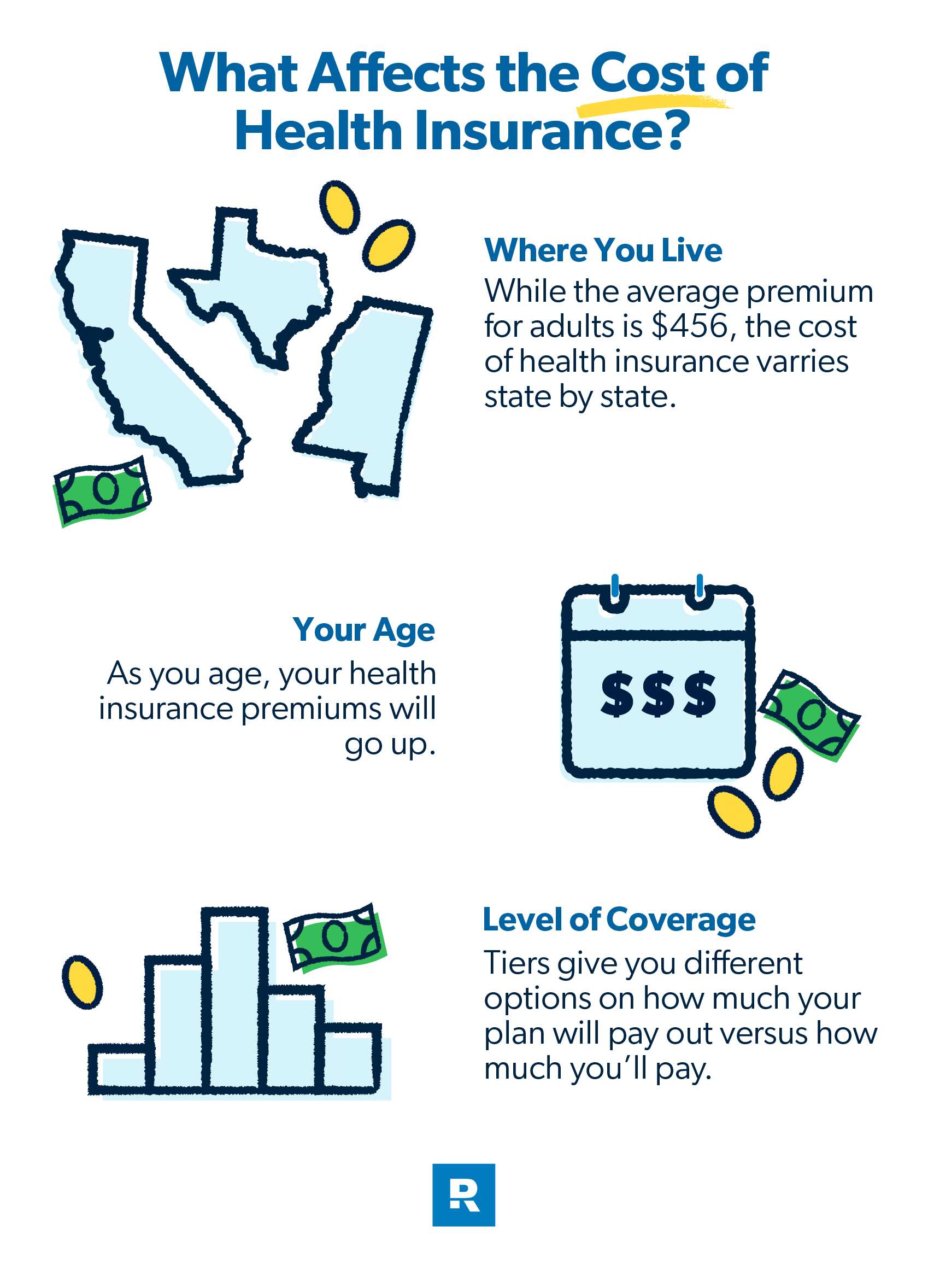
- Age: This is arguably the most significant factor. Generally, younger individuals pay less because they are statistically less likely to incur high medical costs. Premiums typically increase with age, often significantly so, as the risk of health issues rises. The Affordable Care Act (ACA) allows insurers to charge older adults up to three times more than younger adults for the same plan.
- Location: Where you live plays a substantial role. Premiums can vary dramatically not just from state to state but also from county to county within the same state. This is due to variations in local healthcare costs, the number of competing insurers, state regulations, and the overall health of the local population.
- Tobacco Use: Smokers and users of other tobacco products often face a surcharge on their premiums, sometimes up to 50% more, reflecting the increased health risks associated with tobacco.
- Plan Category (Metal Level): Health insurance plans on the ACA marketplace are categorized into “metal levels”—Bronze, Silver, Gold, and Platinum. These levels indicate the approximate percentage of healthcare costs the plan will cover (the actuarial value) on average.
- Bronze plans: Typically cover about 60% of costs, leaving 40% for the policyholder. They have the lowest monthly premiums but the highest deductibles and out-of-pocket maximums.
- Silver plans: Cover about 70% of costs. They have moderate premiums and deductibles. Silver plans are particularly important because they are the only plans eligible for cost-sharing reductions (CSRs), which lower deductibles, copayments, and coinsurance for eligible individuals.
- Gold plans: Cover about 80% of costs. They feature higher monthly premiums but lower deductibles and out-of-pocket costs.
- Platinum plans: Cover about 90% of costs. These plans have the highest monthly premiums but the lowest deductibles and out-of-pocket costs, making them suitable for those who anticipate needing frequent medical care.
- Number of People Covered: Adding a spouse or dependents to your plan will naturally increase the total premium. Each individual on the plan contributes to the overall cost calculation.
It’s important to note that, under the ACA, health insurance companies cannot charge more based on your health status, pre-existing conditions, or gender. This protection has fundamentally reshaped the individual health insurance market.
Understanding Different Plan Types
Beyond the metal levels, different types of plans offer varying degrees of flexibility and cost structures:
- HMO (Health Maintenance Organization): Typically have lower premiums and out-of-pocket costs but require you to choose a primary care physician (PCP) within their network. You usually need a referral from your PCP to see specialists.
- PPO (Preferred Provider Organization): Offer more flexibility. You don’t need a PCP, and you can see specialists without a referral. You can also see out-of-network providers, though you’ll pay more. Premiums are generally higher than HMOs.
- EPO (Exclusive Provider Organization): Similar to a PPO but will not cover out-of-network care except in emergencies. No referral is needed for specialists within the network.
- POS (Point of Service): A hybrid of HMO and PPO. You may need a PCP referral for specialists, but you can go out-of-network for certain services at a higher cost.
- HDHP (High-Deductible Health Plan): These plans have higher deductibles than traditional plans but generally lower monthly premiums. They are often paired with Health Savings Accounts (HSAs), which offer significant tax advantages.
Deciphering the Financial Components Beyond Premiums
While the monthly premium is the most visible cost, it represents only one piece of the financial puzzle. To truly understand the cost of individual health insurance, you must factor in how much you’ll pay when you actually use your insurance. These are often referred to as “out-of-pocket” costs.
Deductibles, Copayments, and Coinsurance Explained
- Deductible: This is the amount you must pay for covered healthcare services before your insurance plan starts to pay. For example, if your deductible is $5,000, you’ll pay the first $5,000 in medical bills yourself (for services subject to the deductible) before your insurer contributes. Many preventive services are covered before you meet your deductible.
- Copayment (Copay): A fixed amount you pay for a covered healthcare service after you’ve met your deductible. For instance, you might have a $30 copay for a doctor’s visit or a $10 copay for a prescription.
- Coinsurance: Your share of the cost of a covered healthcare service, calculated as a percentage of the allowed amount for the service. For example, if your plan’s coinsurance is 20% and the allowed amount for a service is $100, you pay $20. This usually applies after you’ve met your deductible.
Out-of-Pocket Maximums: Your Financial Safety Net
The out-of-pocket maximum (or limit) is a critical financial protection. This is the most you have to pay for covered services in a plan year. Once you reach this limit, your health plan pays 100% of the costs for covered benefits for the remainder of the year. This includes deductibles, copayments, and coinsurance payments. Premiums do not count towards your out-of-pocket maximum. Understanding this limit helps you gauge your absolute maximum financial exposure in a worst-case health scenario.
Prescription Drug Costs and Formularies
Prescription drug coverage is another significant component of health insurance costs. Plans typically have a formulary, which is a list of covered prescription drugs. Drugs on the formulary are usually tiered, with different copayments or coinsurance levels for generic, preferred brand, and non-preferred brand drugs. If you regularly take specific medications, checking the formulary and associated costs for a prospective plan is essential for accurate budgeting.
Navigating the Marketplaces and Enrollment Options
The primary avenue for most individuals seeking health insurance is through the Affordable Care Act (ACA) marketplaces, also known as exchanges. However, other options exist depending on your circumstances.
The Affordable Care Act (ACA) Marketplaces
The ACA marketplaces (Healthcare.gov or state-run exchanges) are online platforms where individuals and families can compare and enroll in health insurance plans. These marketplaces are designed to make it easier to find coverage and, crucially, to access financial assistance.
- Premium Tax Credits (Subsidies): Many individuals and families qualify for premium tax credits (also called subsidies) based on their income. These credits reduce your monthly premium, making coverage more affordable. The amount of the subsidy is based on a sliding scale relative to the federal poverty level. The American Rescue Plan Act of 2021 and the Inflation Reduction Act of 2022 significantly expanded these subsidies, making them more generous and available to a wider range of income levels.
- Cost-Sharing Reductions (CSRs): In addition to premium tax credits, individuals with incomes below 250% of the federal poverty level who enroll in a Silver plan may also qualify for cost-sharing reductions. CSRs lower your deductible, copayments, and coinsurance, effectively increasing the actuarial value of your Silver plan.
Private Insurance Companies and Brokers
While the ACA marketplaces are central, you can also purchase individual health insurance directly from private insurance companies or through a licensed insurance broker. These plans might not always be eligible for ACA subsidies, but they can offer different networks or benefits. Brokers can be particularly helpful in navigating the options, as they work with multiple insurers and can provide personalized advice without direct cost to you (they are compensated by the insurers).
Special Enrollment Periods and Eligibility
Open Enrollment is the standard period each year (typically November 1 to January 15 in most states) when you can enroll in a new plan or change your existing one. Outside of Open Enrollment, you can only enroll if you qualify for a Special Enrollment Period (SEP). SEPs are triggered by qualifying life events such as:
- Losing existing health coverage (e.g., job loss, aging off a parent’s plan).
- Getting married or divorced.
- Having a baby or adopting a child.
- Moving to a new area where your current plan isn’t available.
- A significant change in household income that affects your eligibility for subsidies.
Understanding SEPs is vital for anyone experiencing life changes that impact their health insurance needs.
Strategies for Managing and Reducing Health Insurance Costs
Navigating the costs of individual health insurance requires a proactive approach. There are several financial strategies and considerations that can help you reduce your overall healthcare expenses.
Leveraging Subsidies and Tax Credits
The most impactful way to reduce your monthly premiums is to apply for premium tax credits through the ACA marketplace. Even if you think your income is too high, it’s always worth checking. The expanded subsidies have made coverage significantly more affordable for many. Accurate income projection is key to maximizing these benefits, as discrepancies between projected and actual income can lead to adjustments at tax time.
Exploring Health Savings Accounts (HSAs) and Flexible Spending Accounts (FSAs)
For individuals enrolled in a High-Deductible Health Plan (HDHP), an HSA is an invaluable financial tool. HSAs offer a triple tax advantage:
- Contributions are tax-deductible.
- Earnings grow tax-free.
- Withdrawals for qualified medical expenses are tax-free.
Unused HSA funds roll over year after year, can be invested, and become like a retirement account for healthcare expenses.
Flexible Spending Accounts (FSAs) are employer-sponsored accounts that allow you to set aside pre-tax money for qualified medical expenses. While not directly reducing premiums, they can significantly lower your out-of-pocket costs by using pre-tax dollars for medical care, prescriptions, and even some over-the-counter items. The “use it or lose it” rule (with some carryover exceptions) means careful planning is needed.
The Trade-Offs: High-Deductible vs. Low-Deductible Plans
Choosing between a high-deductible plan (often a Bronze or Silver HDHP) and a low-deductible plan (Gold or Platinum) involves a crucial financial trade-off:
- High-Deductible Plans: Lower monthly premiums but higher out-of-pocket costs if you need significant medical care. Ideal for individuals who are generally healthy, don’t anticipate frequent medical needs, and can afford to pay the deductible if an unexpected health event occurs. The ability to pair with an HSA makes them even more attractive for long-term financial planning.
- Low-Deductible Plans: Higher monthly premiums but lower out-of-pocket costs when you receive care. Best suited for individuals with chronic conditions, those who anticipate frequent doctor visits or medication needs, or those who prefer predictable medical expenses.
Your decision should align with your health status, risk tolerance, and emergency savings.
Reviewing Your Plan Annually
Healthcare costs, plan offerings, and your personal needs can change year over year. During Open Enrollment, it’s critical to:
- Re-evaluate your current plan: Has your health changed? Do you anticipate different medical needs in the coming year?
- Compare new plans: Insurers introduce new plans, adjust prices, and modify networks annually. A plan that was best for you last year might not be this year.
- Update your income: Ensure your income projection for the coming year is accurate to maximize any premium tax credits.
An annual review can uncover opportunities to save money or find a plan that better suits your evolving circumstances, ensuring you don’t overpay for coverage or end up under-insured.
The Value Proposition: Why Invest in Individual Health Insurance?
While the costs associated with individual health insurance can seem daunting, the financial protection and access to care it provides are invaluable. It’s an investment in your personal well-being and financial security, not merely an expense.
Protecting Against Catastrophic Medical Debt
Perhaps the most compelling reason to invest in health insurance is to shield yourself from the potentially devastating financial impact of a major illness or accident. A single hospital stay or chronic condition treatment can easily accumulate tens or even hundreds of thousands of dollars in medical bills, leading to bankruptcy for uninsured individuals. Health insurance acts as a critical buffer, limiting your financial exposure to your out-of-pocket maximum.
Access to Preventative Care
Most health insurance plans, particularly those on the ACA marketplace, are required to cover a range of preventive services at no additional cost (no copay or deductible). This includes annual physicals, screenings for various conditions (e.g., mammograms, colonoscopies), and immunizations. Access to these services can help detect health issues early, preventing more serious and costly conditions down the line, thus promoting long-term health and reducing future medical expenses.

Peace of Mind and Financial Stability
Beyond the direct financial protection, having health insurance offers immense peace of mind. Knowing that you and your family are covered in case of illness or injury allows you to focus on recovery rather than worrying about mounting medical bills. This stability is a cornerstone of sound personal finance, ensuring that a health crisis doesn’t derail your other financial goals, from saving for retirement to paying down debt.
In conclusion, understanding “how much individual health insurance costs” goes far beyond just the monthly premium. It involves a nuanced consideration of deductibles, copayments, coinsurance, out-of-pocket maximums, and the availability of financial assistance. By diligently researching your options, leveraging available subsidies, and thoughtfully choosing a plan that aligns with your health needs and financial situation, you can secure essential coverage that protects both your health and your wealth.
aViewFromTheCave is a participant in the Amazon Services LLC Associates Program, an affiliate advertising program designed to provide a means for sites to earn advertising fees by advertising and linking to Amazon.com. Amazon, the Amazon logo, AmazonSupply, and the AmazonSupply logo are trademarks of Amazon.com, Inc. or its affiliates. As an Amazon Associate we earn affiliate commissions from qualifying purchases.