
Healthcare costs in the modern world are a towering financial concern for individuals, families, and businesses alike. Far from being a simple, predictable expense, the cost of medical care is a complex tapestry woven with threads of insurance premiums, deductibles, prescription drug prices, administrative overheads, and the relentless march of medical innovation. Understanding “how much does healthcare cost” is not merely an academic exercise; it’s an essential step towards financial literacy and stability, empowering individuals to navigate one of the most significant line items in their personal and national budgets.

This article delves into the multi-faceted nature of healthcare costs, examining the primary drivers behind these escalating figures, dissecting the various components that contribute to the final bill, and offering strategic insights into how individuals can better manage and mitigate their financial exposure to medical expenses. In an era where a single unexpected medical event can lead to financial ruin, a comprehensive grasp of healthcare economics is indispensable.
The Escalating Price Tag: Understanding the Drivers of Healthcare Costs
The continuous upward trajectory of healthcare expenditures is a global phenomenon, though its manifestations and magnitudes vary significantly by country and healthcare system. For individuals grappling with medical bills, pinpointing the root causes of these costs is the first step towards demystification and effective financial planning. Several key factors converge to inflate the price tag of medical services, making healthcare an ever-growing proportion of household and national budgets.
The Influence of Medical Technology and Innovation
While undoubtedly beneficial, advancements in medical technology, diagnostic tools, and pharmaceutical research come with a steep price. New MRI machines, robotic surgery systems, sophisticated genetic therapies, and cutting-edge medications offer improved outcomes and extended lifespans but are incredibly expensive to develop, manufacture, and implement. These costs are ultimately passed down to patients and insurers. Furthermore, the rapid pace of innovation often means that today’s groundbreaking treatment quickly becomes tomorrow’s standard, with each new iteration adding to the overall cost burden without necessarily replacing older, cheaper alternatives. The desire for the best possible care, combined with the availability of advanced (and expensive) options, continuously pushes costs higher.
Administrative Overheads and System Complexity
A significant, often overlooked, component of healthcare costs stems from the administrative burden of managing a complex system. In countries with multi-payer systems, the sheer volume of paperwork, billing, coding, and claims processing for insurance companies, hospitals, and doctor’s offices creates an enormous administrative workforce. This complexity necessitates vast resources for compliance, data management, and interoperability across different providers and insurers. Each interaction, from scheduling an appointment to submitting a claim, involves layers of bureaucratic processes that add to the operational costs, which are then reflected in higher service charges. Simplifying these administrative processes could unlock substantial savings, but the entrenched nature of current systems makes reform challenging.
Rising Prescription Drug Prices
Pharmaceuticals represent a substantial and growing portion of healthcare spending. The cost of prescription drugs, especially patented brand-name medications and specialty drugs for rare conditions, has surged dramatically. Factors contributing to this include the high cost of research and development, aggressive marketing, limited competition for certain drugs, and a fragmented regulatory landscape that can allow manufacturers significant pricing power. Patients often face high out-of-pocket costs for these drugs, even with insurance, leading to difficult choices between medication adherence and financial solvency. The debate around drug pricing transparency and regulation continues to be a central theme in discussions about healthcare affordability.
The Impact of Chronic Conditions and an Aging Population
Modern medicine has extended lifespans, which is a triumph, but it also means a larger proportion of the population lives longer with chronic conditions such as diabetes, heart disease, and Alzheimer’s. Managing these long-term illnesses requires continuous care, frequent doctor visits, ongoing medication, and sometimes specialized equipment or home care services. The cumulative costs for treating chronic diseases over many years can be astronomical. Similarly, as the baby-boomer generation ages, the demand for geriatric care, long-term care facilities, and specialized treatments for age-related ailments places immense pressure on healthcare systems and individual finances, contributing significantly to the overall expenditure curve.
Deconstructing Your Healthcare Bill: Key Financial Components
Understanding the line items on a healthcare bill can feel like decoding a foreign language. However, grasping the key financial components of your medical expenses is crucial for effective budget planning and identifying potential errors. From premiums to out-of-pocket maximums, each element plays a role in your overall financial responsibility.
Insurance Premiums, Deductibles, and Co-pays
The most visible cost for many is the insurance premium – the regular payment made to an insurance provider to maintain coverage. This monthly or annual fee secures access to a network of providers and financial protection against major medical events. However, the premium is just one piece of the puzzle.
A deductible is the amount of money you must pay out of your own pocket for medical services before your insurance company begins to pay. For example, if your deductible is $2,000, you are responsible for the first $2,000 in covered medical expenses each year. Only after you meet this threshold does your insurer start contributing.
Co-pays are fixed amounts you pay for specific services, like a doctor’s visit or a prescription refill, even after your deductible has been met. These are usually smaller, manageable fees designed to share a minimal portion of the cost with the patient.
Finally, co-insurance is a percentage of the cost of a medical service that you are responsible for paying after your deductible has been met. For instance, if your plan has an 80/20 co-insurance, your insurer pays 80% and you pay 20% of the bill until you reach your out-of-pocket maximum.
Out-of-Pocket Maximums and Hidden Costs
The out-of-pocket maximum (OOPM) is a crucial financial safeguard. This is the absolute most you will have to pay for covered medical expenses in a given year, including deductibles, co-pays, and co-insurance. Once you reach this limit, your insurance plan typically pays 100% of all further covered medical costs for the remainder of the year. Understanding your OOPM is vital for planning for worst-case scenarios and mitigating financial risk.
However, healthcare bills can also contain “hidden” or less obvious costs. These might include charges for services deemed “not medically necessary” by your insurer, out-of-network provider fees if you unknowingly receive care from a provider outside your plan’s network, or facility fees charged by hospitals for using their premises, even for routine outpatient procedures. It’s essential to scrutinize bills and insurance Explanations of Benefits (EOBs) carefully to identify and question such charges.
The Role of Health Savings Accounts (HSAs) and Flexible Spending Accounts (FSAs)
For individuals enrolled in high-deductible health plans (HDHPs), Health Savings Accounts (HSAs) offer a powerful tax-advantaged tool for managing healthcare costs. Contributions to an HSA are tax-deductible, the money grows tax-free, and withdrawals for qualified medical expenses are also tax-free. HSAs roll over year to year and are portable, making them excellent long-term savings vehicles for healthcare.

Flexible Spending Accounts (FSAs) are employer-sponsored accounts that allow you to set aside pre-tax money for healthcare expenses. While similar in purpose to HSAs, FSAs typically have a “use-it-or-lose-it” rule, meaning funds usually must be spent within the plan year or a short grace period. Both HSAs and FSAs reduce your taxable income and provide a dedicated fund for out-of-pocket medical expenses, offering significant financial benefits.
Strategies for Mitigating and Managing Healthcare Expenses
Navigating the financial labyrinth of healthcare can be daunting, but proactive strategies can significantly help individuals manage and reduce their expenses. Taking control involves understanding your options, making informed choices, and advocating for yourself.
Proactive Health Management and Preventive Care
One of the most effective ways to reduce long-term healthcare costs is through proactive health management and embracing preventive care. Regular check-ups, screenings, vaccinations, and adopting a healthy lifestyle (diet, exercise, stress management) can prevent serious illnesses or detect them early when they are less costly and easier to treat. Many insurance plans cover preventive services at 100%, making them a financially sound investment in your health. Avoiding or mitigating chronic conditions through lifestyle choices can dramatically reduce the need for expensive medications, specialist visits, and hospitalizations later in life.
Navigating Insurance Plans and Networks Effectively
Choosing the right health insurance plan is paramount. Carefully review plan documents to understand deductibles, co-pays, co-insurance, and out-of-pocket maximums. Consider your anticipated medical needs and risk tolerance when selecting between plans like HMOs, PPOs, EPOs, or POS plans, each with different levels of flexibility and cost structures.
Equally important is understanding your plan’s network. Receiving care from out-of-network providers can result in significantly higher costs or even denial of coverage. Always verify that all providers, including specialists, anesthesiologists, and labs, are in-network before receiving treatment. Utilize your insurer’s online tools or customer service to confirm network status for every part of your care journey.
Comparative Shopping for Medical Services and Medications
Unlike many other consumer goods, medical service pricing has traditionally lacked transparency. However, this is changing, and individuals can increasingly shop around for certain non-emergency procedures, tests, and prescription drugs. Websites and apps now exist that allow you to compare prices for imaging services (MRIs, X-rays), lab tests, and even specific procedures across different providers in your area.
For medications, always ask your doctor if a generic alternative is available, as generics can be significantly cheaper than brand-name drugs. Also, compare prices at different pharmacies using discount cards or online tools. For ongoing prescriptions, explore mail-order pharmacy options, which can sometimes offer better rates. Don’t hesitate to discuss costs with your doctor and ask about lower-cost alternatives for both services and prescriptions.
Negotiating Bills and Utilizing Patient Advocacy
When faced with large medical bills, remember that they are often negotiable. Scrutinize every line item for errors or duplicate charges. If you find discrepancies or if the cost seems unusually high, contact the hospital or provider’s billing department. Many institutions are willing to negotiate a lower price, especially if you can pay a portion upfront or set up a payment plan. Don’t be afraid to ask for an itemized bill, which provides a detailed breakdown of all charges.
For particularly complex or exorbitant bills, consider seeking assistance from a patient advocate or medical billing advocate. These professionals can review your bills, appeal insurance denials, and negotiate with providers on your behalf, often saving you hundreds or even thousands of dollars. They understand the nuances of medical coding and billing practices, providing expert support during challenging financial times.
The Economic Ripple Effect: Broader Financial Implications
The high cost of healthcare extends far beyond individual budgets, creating significant ripple effects across the economy. From personal bankruptcies to national productivity, the financial burden of healthcare is a pervasive economic force.
Impact on Personal Financial Stability and Debt
For many individuals and families, healthcare costs are a leading cause of financial distress. Medical debt can rapidly accumulate, leading to poor credit scores, deferment of other financial goals (like saving for retirement or a down payment on a home), and, in severe cases, personal bankruptcy. Even with insurance, high deductibles and co-insurance for major illnesses or accidents can deplete savings accounts, forcing people to take on high-interest debt to cover essential medical care. The constant anxiety over potential medical expenses can also have a detrimental psychological impact, affecting overall well-being and productivity.
Employer-Sponsored Health Plans and Business Finance
Businesses, especially small and medium-sized enterprises (SMEs), bear a substantial portion of healthcare costs through employer-sponsored health plans. Rising premiums directly impact a company’s bottom line, forcing difficult choices between absorbing higher costs, passing them on to employees, or reducing other benefits. For many businesses, providing competitive health insurance is a major operational expense, influencing hiring decisions, wage growth, and overall profitability. The increasing cost of employee health benefits can stifle business growth, reduce capital for investment, and make it challenging for companies to remain competitive in the market.
National Economic Burden and Policy Considerations
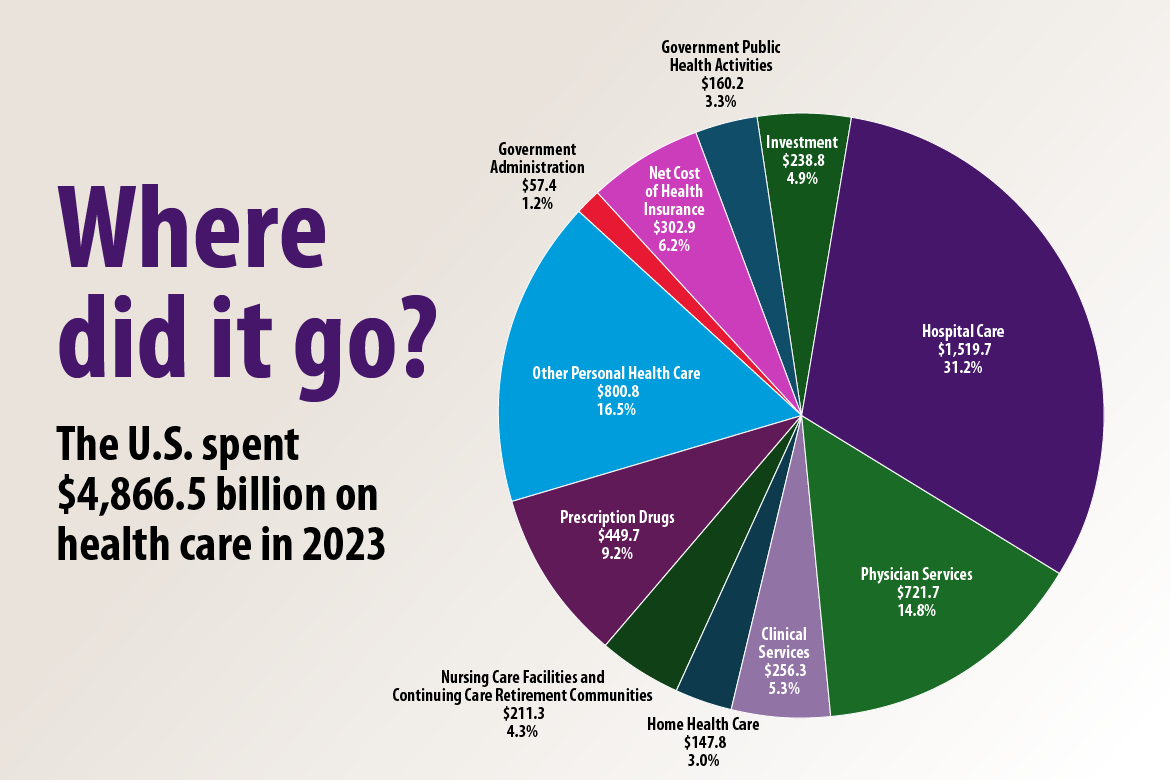
At a national level, healthcare expenditure accounts for a significant percentage of GDP in many developed countries, diverting resources that could otherwise be invested in infrastructure, education, or other sectors. High healthcare costs can hinder economic growth, strain public budgets, and impact a nation’s global competitiveness. Policymakers continuously grapple with balancing access to quality care with cost containment, exploring reforms ranging from universal healthcare systems to market-based solutions. The economic health of a nation is intrinsically linked to the financial sustainability of its healthcare system, making “how much does healthcare cost” a question of profound national economic importance.
Conclusion: Empowering Financial Health in Healthcare
The question of “how much does healthcare cost” is complex, personal, and profoundly economic. It’s not just a matter of medical necessity but a critical component of personal finance, business strategy, and national economic policy. By understanding the drivers of these costs, dissecting the various financial components of medical bills, and adopting proactive strategies for mitigation, individuals can gain a greater sense of control over their financial health in the face of escalating medical expenses.
Empowerment comes from informed choices: selecting appropriate insurance, leveraging tax-advantaged accounts like HSAs, engaging in preventive care, and advocating for fair pricing and accurate billing. While systemic changes are needed to address the broader financial burdens of healthcare, individual financial prudence and an active approach to managing medical costs are indispensable steps toward securing one’s financial future in a world where health and wealth are inextricably linked.
aViewFromTheCave is a participant in the Amazon Services LLC Associates Program, an affiliate advertising program designed to provide a means for sites to earn advertising fees by advertising and linking to Amazon.com. Amazon, the Amazon logo, AmazonSupply, and the AmazonSupply logo are trademarks of Amazon.com, Inc. or its affiliates. As an Amazon Associate we earn affiliate commissions from qualifying purchases.