
In the competitive landscape of the global technology sector, Google stands as an undisputed titan, revered not only for its innovation and market dominance but also for its highly sought-after career opportunities. For countless professionals and aspiring talent worldwide, the question of “how much does Google pay?” is more than mere curiosity—it’s a critical inquiry shaping career paths, financial planning, and professional aspirations. Delving into Google’s compensation structure offers a fascinating look into the financial strategies of one of the world’s most valuable companies, illuminating how it attracts, retains, and motivates its elite workforce.
Understanding Google’s pay philosophy is essential for anyone considering a career there, or simply curious about high-tier tech compensation. It’s far more complex than a simple base salary figure; it involves a sophisticated blend of direct compensation, equity, performance incentives, and an extensive benefits package designed to create a comprehensive “total rewards” experience. For individuals focused on personal finance, business finance, or career advancement, dissecting these elements provides invaluable insights into managing income, planning investments, and evaluating the true financial value of a world-class employment opportunity.
Understanding Google’s Compensation Philosophy
Google’s approach to compensation is deeply rooted in its philosophy of attracting the “best and brightest” and fostering a high-performance culture. Unlike many traditional companies that might heavily weigh base salary, Google leans into a “total rewards” model, where various financial and non-financial components combine to form a compelling package. This holistic view is crucial for candidates evaluating offers and for current employees assessing their long-term financial trajectory.
Total Rewards vs. Base Salary
At Google, base salary is just one piece of the puzzle. While competitive, it’s often not the largest component of an experienced employee’s annual compensation. The “total rewards” framework encompasses base salary, performance bonuses, equity (in the form of Restricted Stock Units or RSUs), and a robust suite of benefits. This approach acknowledges that monetary compensation isn’t the sole driver of employee satisfaction or loyalty; rather, a comprehensive package that addresses financial security, future wealth creation, and overall well-being is paramount. For financial planners, this means advising clients to look beyond the immediate cash in hand and understand the potential for wealth accumulation through equity and the cost savings provided by benefits.
The Role of Equity (RSUs)
Perhaps the most defining feature of Google’s compensation, especially for higher-level or long-tenured employees, is the substantial role of equity, primarily through Restricted Stock Units (RSUs). RSUs represent a promise to deliver shares of company stock (GOOGL or GOOG) to an employee on a specified future date, provided certain vesting conditions (usually continued employment) are met. These units typically vest over several years (e.g., 25% each year over four years), creating a powerful incentive for long-term commitment.
The financial implications of RSUs are profound. As Google’s stock price appreciates, the value of an employee’s vested and unvested units can increase significantly, turning what might appear as a moderate base salary into an exceptionally high total compensation figure. This mechanism aligns employee interests with shareholder interests, motivating employees to contribute to the company’s growth and profitability. For personal finance, understanding the tax implications of RSU vesting (often taxed as ordinary income) and strategic planning for diversification or long-term holding is critical. It transforms employees into part-owners, fostering an entrepreneurial mindset within the corporate structure.
Performance Bonuses and Incentives
Beyond base salary and equity, Google also incorporates performance-based bonuses into its compensation structure. These bonuses are typically tied to individual performance, team achievements, and overall company success. They serve as an immediate financial reward for exceptional contributions, complementing the longer-term wealth-building potential of RSUs. The size of these bonuses can vary significantly based on the employee’s role, level, and the extent to which they exceed their performance targets. For many, these annual incentives provide a welcome boost to personal finances, offering flexibility for short-term savings goals or discretionary spending. It’s a dynamic component that reflects the company’s commitment to recognizing and rewarding high achievement directly.
Key Factors Influencing Google Salaries
While Google’s total rewards philosophy is consistent, the actual figures for individual compensation packages vary widely. Numerous factors come into play, making it challenging to pinpoint a single “Google salary.” These variables are critical for anyone trying to benchmark potential earnings or negotiate an offer effectively.
Role and Level: Engineering, Product, Sales, Marketing, Operations
The most significant determinant of compensation at Google is the specific role and its corresponding level within the company’s hierarchical structure. Technical roles, particularly those in software engineering, artificial intelligence, machine learning, and data science, are typically among the highest compensated due to the intense demand for these specialized skills. Product management, technical program management, and research scientists also command premium salaries.
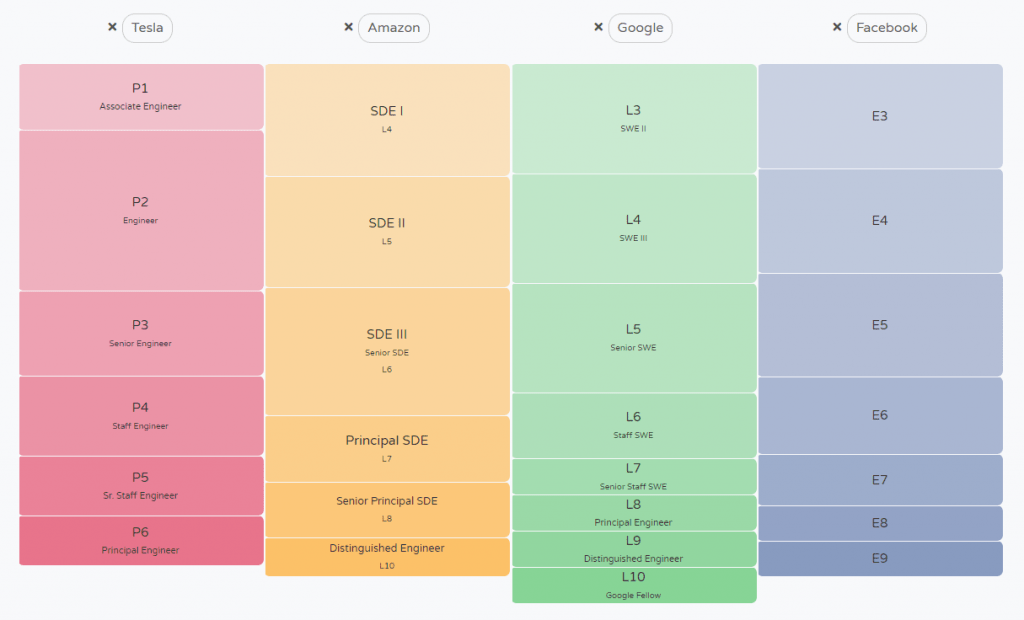
However, Google is a multifaceted organization, employing talent across a vast array of functions, including sales, marketing, human resources, finance, legal, and operations. While these roles are also well-compensated relative to industry averages, their compensation scales might differ from core engineering roles. Each role has a defined leveling system (e.g., L3 for entry-level, L7+ for senior staff), with each level associated with a specific salary band, RSU grant range, and bonus potential. Understanding the nuances of these levels is crucial for career progression and financial growth within Google.
Experience and Seniority
Unsurprisingly, an individual’s years of relevant experience and their seniority within their field play a substantial role in determining their compensation level at Google. A fresh graduate entering as an L3 Software Engineer will naturally have a lower total compensation than an L5 Software Engineer with 5-7 years of industry experience, or an L7 Staff Software Engineer with over a decade of specialized expertise. Seniority often brings not just a higher base salary but also significantly larger RSU grants and greater bonus potential, reflecting the increased impact, responsibility, and leadership expected at higher levels. This progression allows employees to build significant wealth over time, making long-term career planning within the company an attractive financial strategy.
Location-Based Pay Differences
Google operates globally, and compensation is meticulously adjusted to reflect local market conditions and the cost of living in various geographical regions. An engineer in the highly competitive and expensive San Francisco Bay Area will typically receive a higher base salary and potentially larger equity grants than an equivalent role in, say, Austin, Texas, or Dublin, Ireland, even if the roles are identical in responsibility and level. These geo-arbitrage differences are a standard practice in global companies and are a vital consideration for individuals contemplating relocation for a Google role. For personal finance planning, understanding these location-based adjustments is essential for budgeting and evaluating the real purchasing power of an offer.
Market Demand and Niche Skills
The tech industry is dynamic, with demand for specific skills fluctuating rapidly. Google’s compensation strategy is agile enough to respond to these market shifts. For instance, expertise in nascent but critical areas like quantum computing, advanced AI/ML research, or cutting-edge cybersecurity can command a premium, even for individuals with less overall experience, simply due to the scarcity of talent. Niche skills that are highly relevant to Google’s strategic priorities often lead to more aggressive offers and higher compensation packages, reflecting the company’s willingness to invest heavily in critical talent that can drive future innovation and competitive advantage.
A Glimpse into Google’s Salary Ranges (with caveats)
Providing exact, universal salary figures for Google is inherently challenging due to the proprietary nature of compensation data, constant market fluctuations, and the factors discussed above. However, based on publicly available data from platforms like Levels.fyi, Glassdoor, and Blind, alongside general industry knowledge, we can offer a general overview of compensation expectations. It is crucial to remember that these are approximate ranges and can vary significantly.
Entry-Level Compensation
For recent university graduates or those with 0-2 years of experience, entry-level positions (often L3 for engineers) at Google are highly competitive but offer substantial starting packages. A typical entry-level Software Engineer in a high-cost-of-living area in the U.S. might expect a base salary in the range of $120,000 to $160,000, accompanied by RSU grants valued between $30,000 to $60,000 per year (vesting over four years) and a performance bonus of 10-15%. This can bring the total annual compensation (TC) to roughly $180,000 to $250,000 in their first year. Non-technical entry-level roles (e.g., Associate Product Marketing Manager, Financial Analyst) would typically see slightly lower but still highly competitive total compensation figures, often in the $100,000 to $180,000 TC range depending on location and specific role.

Mid-Career Professional Earnings
As employees gain experience and advance to mid-career levels (L4-L5 for engineers, or equivalent for other roles), their total compensation sees a significant jump. An L5 Software Engineer with 5-8 years of experience could command a base salary of $180,000 to $250,000, with annual RSU grants ranging from $100,000 to $250,000, and bonuses of 15-25%. This translates to an annual total compensation potentially reaching $350,000 to $600,000, particularly in high-demand roles and locations. Product Managers at L5 might see similar total compensation, reflecting the high impact of their role. The substantial increase in equity grants at these levels is a key driver of wealth accumulation.
Executive and Senior Leadership Compensation
For senior and executive-level positions (L6+ and above), compensation packages become highly individualized and can escalate dramatically. Staff, Senior Staff, and Principal Engineers (L6, L7, L8+) can see total compensation well into the $700,000 to over $1,000,000 range, largely fueled by multi-million dollar RSU grants over their vesting period. Directors, VPs, and other senior leaders will have compensation packages that reflect their broad scope of influence and responsibility, often including significant base salaries, substantial equity, and performance-based incentives tied to overall business unit or company performance, easily exceeding seven figures annually. These roles often involve complex compensation structures that factor in long-term incentives and strategic business outcomes.
Beyond Tech Roles: Salaries for Non-Engineering Positions
It’s a common misconception that only engineers are highly paid at Google. While technical roles often lead in total compensation, professionals in other functions are also compensated at premium rates. For example, an experienced Sales Director could earn a base salary of $150,000-$200,000 with a significant variable commission component and RSUs, pushing their total compensation to $300,000-$500,000 or more. Similarly, senior marketing, legal, finance, and operations roles at Google are highly sought after and offer total compensation packages that are among the best in the industry, reflecting the strategic importance of these functions to Google’s overall business success. While potentially lower than top-tier engineering, these packages remain extremely competitive and attractive for professionals in their respective fields.
The Value of Google’s Benefits Package
Beyond direct monetary compensation, Google’s benefits package adds immense financial and personal value, distinguishing it as a top employer. These “perks” are not just niceties; they represent significant cost savings and lifestyle enhancements that contribute to an employee’s overall financial well-being and quality of life. Understanding the full scope of these benefits is crucial for a complete financial assessment of a Google offer.
Health, Wellness, and Family Support
Google offers comprehensive health insurance plans (medical, dental, vision) that are typically low-cost or free for employees, and often for their families too. This alone represents thousands of dollars in annual savings compared to what individuals might pay for similar coverage elsewhere. Beyond standard insurance, Google is renowned for its on-site health services, fitness centers, wellness programs, and generous parental leave policies (often 18-24 weeks for primary caregivers, with flexibility for secondary caregivers). These benefits not only support employee health but also provide significant financial relief during critical life events, contributing directly to personal financial stability.
Retirement and Financial Planning Resources
Google typically offers a robust 401(k) retirement plan with a strong company match, immediately boosting employees’ long-term savings. This direct contribution to retirement accounts is a powerful financial tool. Furthermore, Google often provides access to financial advisors and educational resources to help employees manage their compensation, understand equity, optimize investments, and plan for retirement. This commitment to financial literacy and planning empowers employees to make informed decisions about their earnings and build substantial long-term wealth, aligning perfectly with prudent personal finance strategies.
Perks That Enhance Work-Life Integration
Many of Google’s widely publicized perks, such as free gourmet meals, on-site childcare centers (in some locations), transportation stipends, and various on-site amenities (gyms, massage rooms, dry cleaning), are not just about convenience. They translate directly into significant financial savings and a better work-life balance. By providing services that employees would otherwise pay for out-of-pocket, Google effectively increases the disposable income of its employees. For example, free meals can save hundreds of dollars a month, and on-site childcare can mean thousands in annual savings. These benefits reduce daily stressors and allow employees to focus more on their work and personal lives, making their overall compensation even more valuable.
Career Development and Learning Opportunities
Investing in employee growth is another indirect but significant financial benefit. Google provides extensive opportunities for professional development, including internal training programs, access to cutting-edge tools and technologies, tuition reimbursement for external courses, and support for attending industry conferences. These investments enhance an employee’s skill set, making them more valuable in the job market and potentially leading to faster promotions and higher compensation within Google. For an individual focused on career growth and long-term earning potential, these learning opportunities are invaluable assets that pay dividends over a career lifetime.
Navigating the Google Compensation Landscape
For individuals aspiring to join Google or current employees looking to optimize their financial trajectory, understanding the intricacies of its compensation landscape is key. Strategic planning and informed decision-making can significantly impact one’s financial future.
Researching Salary Expectations
Before engaging with recruiters or during compensation reviews, thorough research is paramount. Websites like Levels.fyi, Glassdoor, and Blind provide aggregated, self-reported data on Google salaries and total compensation packages for various roles, levels, and locations. While not official, these platforms offer valuable benchmarks. Networking with current or former Google employees can also provide anecdotal insights. This research allows candidates to set realistic expectations, identify their market value, and prepare for effective negotiation.
Negotiating Your Offer
Google, like most top tech companies, expects candidates to negotiate. A well-researched and articulate negotiation can significantly increase your total compensation, especially the initial RSU grant. Focus on your unique skills, experience, and the value you bring to the role, rather than solely on competing offers (though these can be helpful leverage). A common strategy involves pushing for more equity, as its long-term growth potential often outweighs a marginal increase in base salary. Understanding the company’s compensation bands for your target level and role is crucial to knowing the boundaries of negotiation.
Long-Term Financial Planning with Google Compensation
For those who secure a role at Google, especially one with a substantial equity component, prudent financial planning becomes critical. This includes:
- Understanding RSU vesting and taxation: Planning for the tax implications of vested RSUs is vital.
- Diversification: Over time, employees may accumulate a significant portion of their wealth in company stock. Strategically diversifying investments beyond Google stock is essential to mitigate risk.
- Budgeting for high-cost-of-living areas: If working in a tech hub, rigorous budgeting and saving are necessary to maximize the financial benefits of a high salary.
- Leveraging benefits: Fully utilizing Google’s generous 401(k) match, health benefits, and other perks can significantly enhance financial well-being and reduce expenses.
By approaching Google compensation with a strategic financial mindset, employees can not only enjoy an excellent current standard of living but also build substantial long-term wealth, making a career at Google a truly transformative financial opportunity.
In conclusion, “how much does Google pay?” is a question with a complex but profoundly rewarding answer. It’s a system built on competitive base salaries, substantial equity, performance incentives, and an unparalleled benefits package. For those focused on personal finance, business finance, and building a lucrative career, understanding this intricate compensation model is not just informative—it’s empowering. It highlights Google’s strategic investment in its human capital, underscoring its position as a powerhouse employer where talent is richly valued and generously rewarded.
aViewFromTheCave is a participant in the Amazon Services LLC Associates Program, an affiliate advertising program designed to provide a means for sites to earn advertising fees by advertising and linking to Amazon.com. Amazon, the Amazon logo, AmazonSupply, and the AmazonSupply logo are trademarks of Amazon.com, Inc. or its affiliates. As an Amazon Associate we earn affiliate commissions from qualifying purchases.