
Google, a name synonymous with information and technology, is not just a search engine; it’s the core of an enormous, multifaceted enterprise known as Alphabet Inc. When we ask “how much does Google make a year,” we are, in essence, inquiring about the annual financial performance of one of the world’s most valuable and influential corporations. Understanding Alphabet’s revenue, profit, and diverse income streams provides critical insights into the dynamics of the global digital economy, the power of advertising, and the ongoing evolution of technology. This exploration will delve into the financial mechanics of Alphabet, dissecting its colossal earnings and illuminating the sources of its monumental wealth.
Understanding Alphabet Inc.: Google’s Parent Company
To accurately gauge Google’s financial performance, it’s crucial to first understand its corporate structure. In 2015, Google underwent a significant restructuring, forming Alphabet Inc. as its parent company. This strategic move was designed to provide greater transparency and accountability for its various ventures, allowing the core Google business to focus on its primary services while enabling “Other Bets” to pursue ambitious, long-term projects with their own distinct management and financial reporting.
The Corporate Structure Behind the Tech Giant
Alphabet Inc. now comprises Google and a portfolio of other businesses. The “Google segment” is vast, encompassing the well-known search engine, YouTube, Android, Chrome, Google Maps, Google Play, and a growing suite of hardware products like Pixel phones and Nest devices. It also includes Google Cloud, the company’s enterprise cloud computing platform. The creation of Alphabet allowed for clearer financial reporting, delineating the highly profitable core Google operations from newer, often loss-making, but potentially revolutionary “Other Bets” such as Waymo (self-driving technology), Verily (life sciences), and Calico (biotechnology). This separation offers investors a more granular view of where capital is being deployed and which segments are driving profitability.
Key Reporting Segments and Their Significance
Alphabet typically reports its financial results across three primary segments:
- Google Search & other: This is the bedrock of Alphabet’s revenue, primarily driven by advertising on Google Search and other owned-and-operated properties. This segment reflects the immense market dominance of Google’s search engine and its unparalleled ability to connect advertisers with users.
- Google Network members’ properties: This segment includes advertising revenue generated through Google AdSense and AdMob, where Google places ads on third-party websites and apps, sharing revenue with publishers. It demonstrates Google’s extensive reach beyond its own platforms.
- YouTube ads: As a separate, increasingly important revenue stream, YouTube’s advertising income highlights its status as a global media powerhouse and a dominant platform for video content creators and advertisers alike.
- Google Cloud: This enterprise cloud computing service competes with Amazon Web Services and Microsoft Azure. While still operating at a loss or narrow profit for some time, its rapid growth signifies Google’s ambition to capture a larger share of the lucrative enterprise market.
- Google other: This segment aggregates revenue from non-advertising sources within Google, including hardware sales (Pixel, Nest), Google Play store revenues (app sales, in-app purchases), and subscriptions. It indicates the company’s efforts to diversify beyond its core advertising business.
- Other Bets: This category encompasses the collection of smaller, futuristic companies under Alphabet that are distinct from Google. While they often incur significant R&D expenses and operate at a loss, they represent Alphabet’s long-term investments in innovative technologies and potential future growth engines. Understanding the scale of these segments is crucial to grasping how hundreds of billions of dollars are generated and allocated annually.
Deconstructing Google’s Primary Revenue Streams
Alphabet’s financial might is built upon a diverse yet highly concentrated set of revenue streams, with advertising serving as the undisputed king. However, strategic diversification efforts are continuously expanding its economic footprint.
Advertising Dominance: Search & YouTube
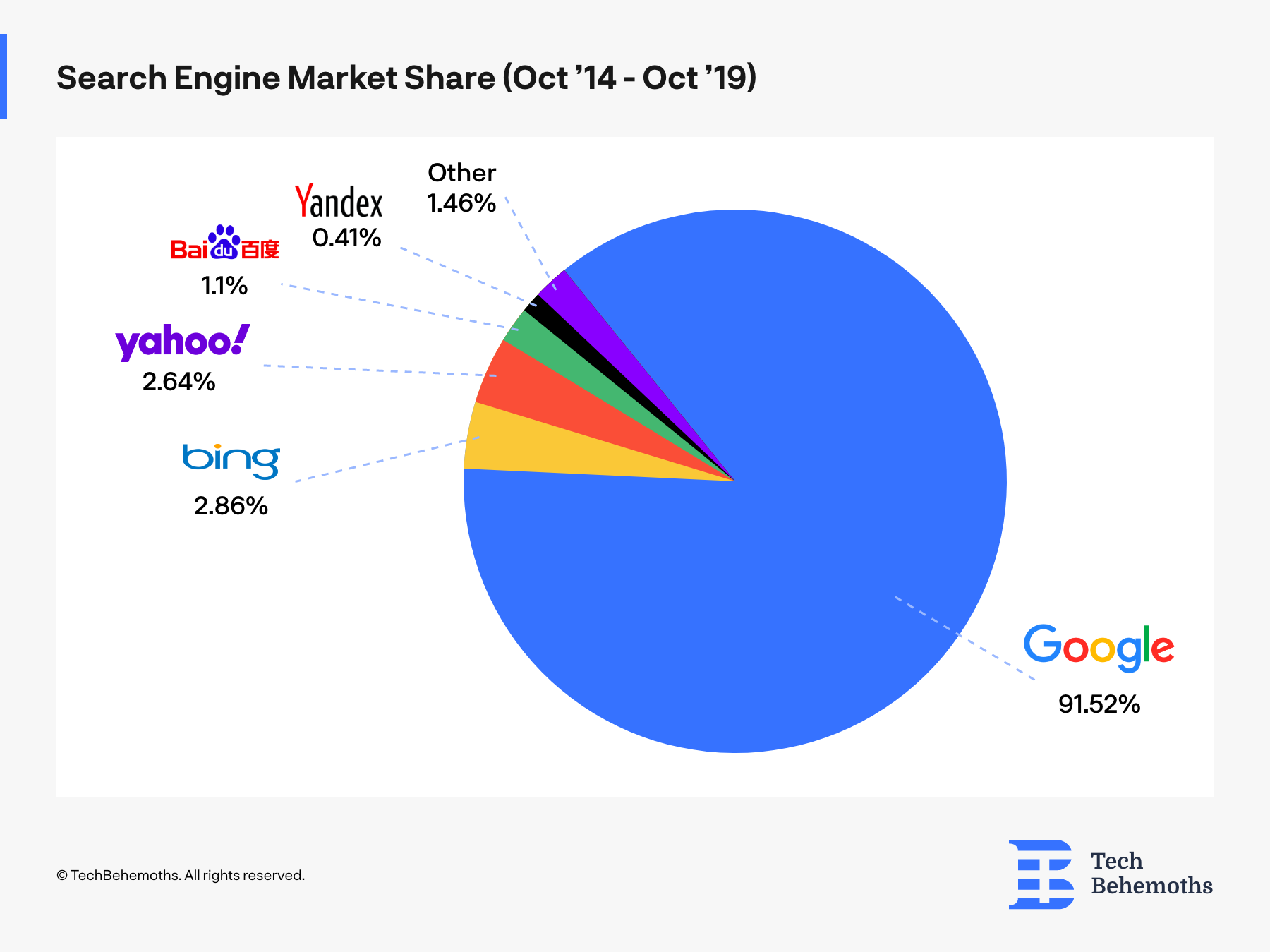
The vast majority of Alphabet’s annual revenue comes from advertising. Google Search remains the primary engine, capitalizing on its near-monopoly in the search market. Every query typed into Google represents an opportunity for advertisers to reach highly targeted users, and Google’s sophisticated algorithms ensure relevance, driving engagement and clicks. This “pay-per-click” model has proven incredibly scalable and profitable, making it a cornerstone of the digital economy.
YouTube, acquired by Google in 2006, has evolved into a global video behemoth. Its advertising revenue has surged, driven by its massive user base, increasing viewership, and advanced targeting capabilities. Brands flock to YouTube to reach diverse audiences through various ad formats, from pre-roll and mid-roll video ads to banner ads and sponsored content. YouTube also generates revenue from subscriptions like YouTube Premium and YouTube TV, further solidifying its financial contribution. The synergy between Google Search and YouTube creates an unparalleled advertising ecosystem, allowing Alphabet to capture a significant share of global digital ad spending.
Cloud Computing’s Ascent: Google Cloud
While advertising remains dominant, Google Cloud Platform (GCP) represents Alphabet’s most significant and rapidly growing attempt at diversification into the enterprise market. Competing fiercely with industry leaders like Amazon Web Services (AWS) and Microsoft Azure, Google Cloud offers a suite of computing services, including infrastructure-as-a-service (IaaS), platform-as-a-service (PaaS), and software-as-a-service (SaaS).
The transition of businesses to cloud-based infrastructure and services is a secular trend, and GCP is actively vying for market share by leveraging Google’s expertise in data analytics, machine learning, and AI. Although this segment has required substantial investment and has historically operated with lower or negative profit margins, its accelerating revenue growth indicates its increasing importance to Alphabet’s long-term financial health and its potential to become a major profit driver in the future. Securing large enterprise contracts for cloud services often translates into long-term, recurring revenue streams, reducing reliance on the more cyclical advertising market.
Other Bets and Emerging Ventures
Beyond the core Google services, Alphabet’s “Other Bets” encompass a fascinating array of forward-looking businesses. These ventures, while not yet significant revenue generators and often running at a loss, represent Alphabet’s commitment to innovation and its strategy for identifying and cultivating the next generation of disruptive technologies. Companies like Waymo (self-driving cars), Verily and Calico (life sciences and health tech), and Fiber (broadband internet) are examples of these long-term investments.
While they collectively contribute a relatively small portion to Alphabet’s total revenue, and often contribute negatively to overall profitability due to high R&D costs, their strategic importance cannot be overstated. They are designed to explore new markets, develop cutting-edge technologies, and potentially create new multi-billion dollar industries that could fuel Alphabet’s growth decades from now. This patient, long-term investment strategy is a hallmark of Alphabet’s approach to sustaining its innovation edge and future financial prosperity.
Analyzing Alphabet’s Financial Performance: Revenue & Profitability
Alphabet’s financial statements consistently showcase an organization operating on an unprecedented scale, generating hundreds of billions in revenue annually and posting substantial profits.

Historical Revenue Growth and Trends
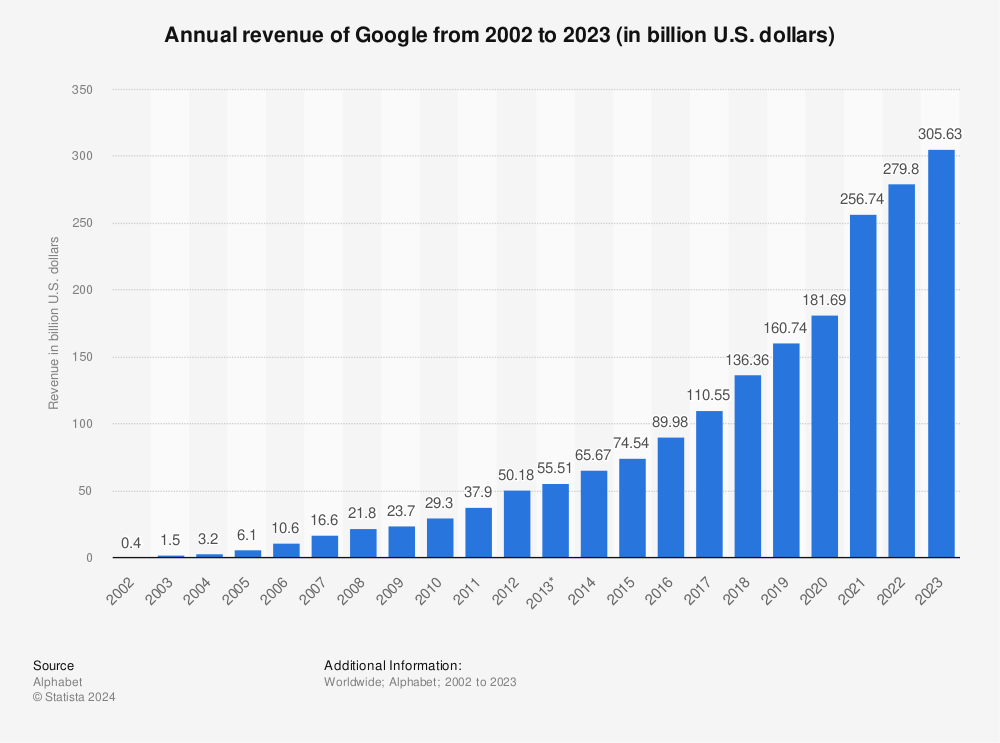
Alphabet’s revenue growth over the past decade has been nothing short of spectacular, consistently posting double-digit percentage increases year-over-year. This sustained growth is primarily attributed to the expanding digital advertising market, Google’s dominant position within it, and the successful scaling of newer ventures like Google Cloud. The company has demonstrated remarkable resilience, navigating economic downturns with its robust business model, although macro-economic factors can influence advertising spend. The trend highlights a continuous expansion of its user base across various platforms and an increasing monetization efficiency through sophisticated ad technologies. While growth rates can fluctuate, the sheer volume of revenue continues to climb, demonstrating Alphabet’s expanding global footprint and its indispensable role in the digital lives of billions.
Profit Margins and Net Income Figures
Beneath the impressive revenue figures lie equally compelling profitability metrics. Alphabet consistently reports healthy operating margins and colossal net income figures, making it one of the most profitable companies globally. The high margins in its core advertising business, particularly Search, are a testament to its operational efficiency, technological superiority, and significant economies of scale. Even with substantial investments in R&D, infrastructure for Google Cloud, and the “Other Bets,” the profitability of the Google segment remains robust enough to drive massive overall profits. Net income, which can fluctuate due to one-time events, tax changes, or investment gains/losses, typically reaches tens of billions of dollars annually. These profits are then strategically reinvested into growth initiatives, returned to shareholders through buybacks, or held as substantial cash reserves, affording Alphabet immense financial flexibility.
Factors Influencing Financial Results (Macroeconomic, Competition, Innovation)
Several factors continually influence Alphabet’s financial results. On the macroeconomic front, global economic health directly impacts advertising budgets; a thriving economy generally leads to increased ad spending, while downturns can lead to cutbacks. Regulatory scrutiny, particularly around antitrust concerns and data privacy, poses ongoing challenges and can result in fines or changes to business practices that affect revenue. Competition is fierce across all its segments: Meta (Facebook) for advertising, Amazon and Microsoft for cloud computing, and Apple for mobile ecosystems and hardware. Alphabet must constantly innovate to maintain its competitive edge, investing heavily in AI, quantum computing, and other emerging technologies to differentiate its offerings and secure future revenue streams. Changes in consumer behavior, technological shifts, and geopolitical events also play a significant role, requiring constant adaptation and strategic foresight from Alphabet’s leadership.
The Financial Impact and Market Valuation of Alphabet
Alphabet’s financial performance extends far beyond its balance sheet, influencing global markets, fostering innovation, and shaping economic landscapes.
Shareholder Returns and Market Capitalization
As a publicly traded company, Alphabet’s financial success directly translates into significant shareholder value. Its consistent revenue growth and profitability have made it a favored stock among investors, leading to a market capitalization that often ranks among the highest in the world, frequently exceeding a trillion dollars. This immense valuation reflects investor confidence in Alphabet’s enduring business model, its capacity for innovation, and its long-term growth prospects. The company regularly engages in share buyback programs, returning capital to shareholders and often supporting the stock price. For investors, Alphabet represents a cornerstone investment in the technology sector, offering exposure to diverse, high-growth digital markets.
Economic Influence and Global Footprint
Alphabet’s economic influence is truly global. Its platforms and services are integral to businesses of all sizes, from small local shops relying on Google My Business and Google Ads to multinational corporations utilizing Google Cloud. The ecosystem of Android, Google Play, and YouTube supports countless developers, content creators, and ancillary businesses worldwide, creating a ripple effect that generates employment and economic activity on an enormous scale. The data and insights generated by its platforms also play a critical role in informing business strategies and consumer trends globally. This extensive footprint makes Alphabet not just a tech giant, but a significant player in the global economy’s overall health and direction.
Future Financial Outlook and Growth Drivers
Looking ahead, Alphabet’s financial outlook remains largely positive, albeit with ongoing challenges. Key growth drivers include the continued expansion of digital advertising, especially video ads on YouTube; the relentless growth of Google Cloud as more enterprises migrate to the cloud; and the potential monetization of “Other Bets” as they mature. Investments in artificial intelligence and machine learning are expected to further enhance its core products, improve ad targeting, and create entirely new revenue opportunities. However, the company faces headwinds from increasing regulatory scrutiny, particularly in privacy and antitrust, and intense competition from other tech behemoths. Despite these challenges, Alphabet’s strategic investments, vast user base, and innovation engine position it for continued financial success in the years to come, likely continuing its trajectory of hundreds of billions in annual revenue and substantial profits.
How Google’s Earnings Reflect its Business Model and Market Position
Ultimately, the sheer volume of Google’s annual earnings is a direct reflection of its highly effective and dominant business model, underpinned by technological superiority and strategic diversification.
The Power of Data and AI in Revenue Generation
Google’s entire revenue generation model is deeply intertwined with its mastery of data and artificial intelligence. The collection, analysis, and application of vast amounts of user data, combined with cutting-edge AI algorithms, allow Google to provide highly relevant search results and, crucially, deliver incredibly targeted advertisements. This precision targeting ensures that advertisers get a high return on investment, making Google’s ad platforms exceptionally attractive. AI also powers recommendations on YouTube, optimizes content delivery, and improves the efficiency of Google Cloud services. This symbiotic relationship between data, AI, and user experience is the core engine driving Alphabet’s unparalleled financial performance, allowing it to monetize user attention and engagement on an unprecedented scale.
Diversification as a Risk Mitigation Strategy
While advertising remains its cash cow, Alphabet’s strategic investments in Google Cloud, hardware, subscriptions, and particularly the “Other Bets,” serve as crucial diversification strategies. This multi-pronged approach mitigates risks associated with over-reliance on a single revenue stream, especially one as susceptible to economic fluctuations and regulatory changes as advertising. By nurturing high-growth sectors like cloud computing and incubating future technologies, Alphabet is not only seeking new avenues for revenue but also insulating itself against potential disruptions to its core business. This balanced portfolio approach is critical for long-term financial stability and sustained growth, ensuring that Alphabet can weather storms and capitalize on emerging opportunities across various technological frontiers.
Sustainability of Google’s Financial Model
The sustainability of Google’s financial model hinges on its continuous ability to innovate, adapt, and maintain its market leadership. Its massive annual earnings are a testament to its current success, but the future requires constant vigilance. Investing billions in research and development, acquiring strategic companies, and attracting top talent are all essential to keeping its services cutting-edge and relevant. The challenge for Alphabet will be to balance its commitment to innovation with increasing regulatory demands and societal expectations regarding data privacy and market power. However, with its robust financial health, technological prowess, and diversified portfolio, Alphabet Inc. is exceptionally well-positioned to continue its trajectory as a leading global financial powerhouse for the foreseeable future.
aViewFromTheCave is a participant in the Amazon Services LLC Associates Program, an affiliate advertising program designed to provide a means for sites to earn advertising fees by advertising and linking to Amazon.com. Amazon, the Amazon logo, AmazonSupply, and the AmazonSupply logo are trademarks of Amazon.com, Inc. or its affiliates. As an Amazon Associate we earn affiliate commissions from qualifying purchases.