
In an increasingly globalized world, the ability to move money swiftly and securely across borders or even within the same country is paramount for individuals and businesses alike. Wire transfers remain one of the most reliable methods for sending substantial sums of money, offering peace of mind through their direct and often irreversible nature. However, this convenience and security often come with associated costs. For customers of Chase, one of the largest financial institutions in the United States, understanding these fees is crucial for effective financial planning and avoiding unexpected charges.
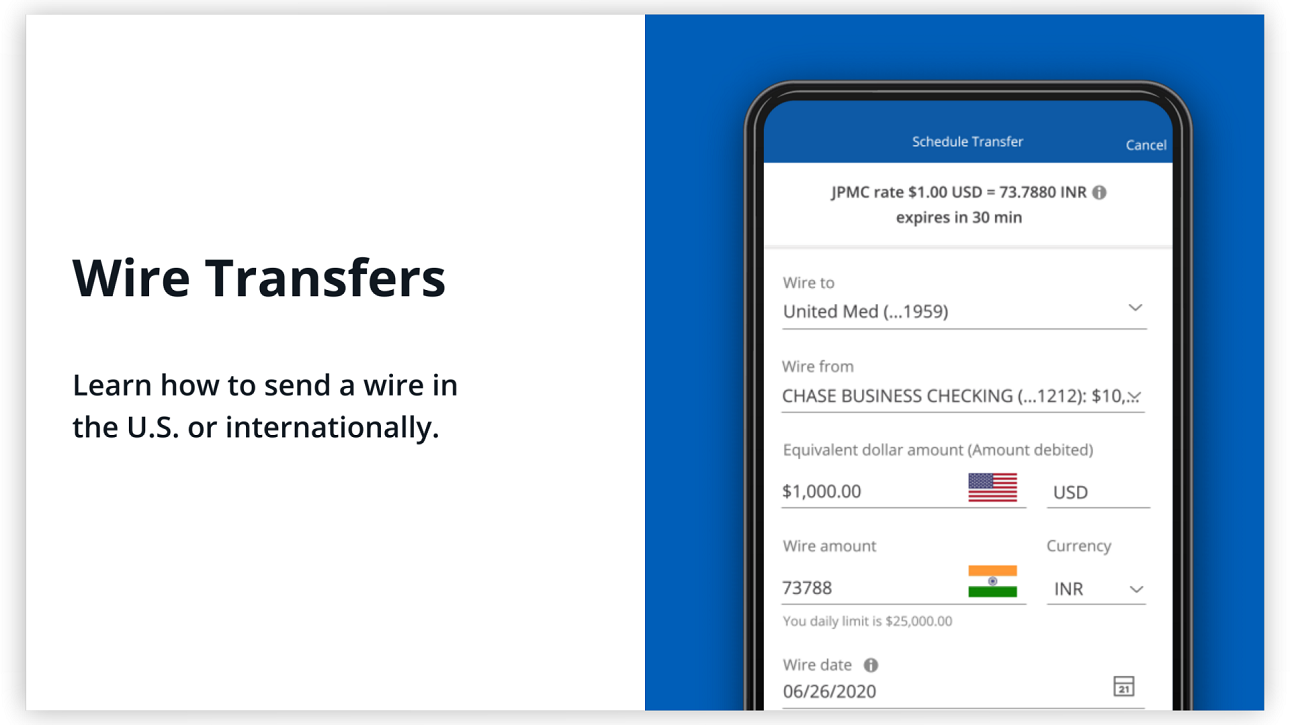
This comprehensive guide delves into the specifics of Chase’s wire transfer fees, breaking down costs for various types of transfers, outlining factors that influence these charges, and offering insights into how to minimize expenses. Whether you’re sending money to a family member overseas, paying an international vendor, or simply receiving funds, knowing the financial implications upfront can save you both money and hassle.
Understanding Wire Transfers: The Basics of Electronic Funds Movement
Before diving into Chase’s specific fee structure, it’s important to grasp what a wire transfer entails and why it differs from other forms of electronic payments. This foundational understanding will help contextualize the charges you might encounter.
What is a Wire Transfer?
A wire transfer is an electronic transfer of funds between two banks or financial institutions. Unlike other payment methods that might involve intermediaries or take several days to clear, wire transfers typically move funds directly from the sender’s bank to the recipient’s bank. This makes them one of the fastest ways to send money, often completing within the same day for domestic transfers and within 1-5 business days for international ones, depending on the banks and countries involved. Wire transfers are highly secure because they require specific bank details for both sender and receiver, ensuring the money goes to the intended party.
Why Use a Wire Transfer?
Wire transfers are particularly useful for large transactions where speed and security are critical. Common scenarios include:
-
Real Estate Transactions: Sending down payments or closing costs.
-
International Business Payments: Paying suppliers, freelancers, or employees abroad.
-
Large Personal Gifts or Purchases: Sending significant sums to family or for high-value items.
-
Emergency Funds: Quickly dispatching money in urgent situations.
-
Account-to-Account Transfers: Moving funds between your own accounts at different institutions.
Their irreversible nature once sent also provides a layer of security for the recipient, making them a preferred method for sellers in high-value transactions.
Domestic vs. International Wires
The distinction between domestic and international wire transfers is fundamental, as it significantly impacts fees, processing times, and required information.
-
Domestic Wire Transfers: These involve sending money between two banks within the same country. They typically clear faster and often incur lower fees than international transfers.
-
International Wire Transfers: Also known as foreign wires or remittances, these involve sending money across national borders. They are more complex due to differing banking regulations, currency exchange, and the potential involvement of intermediary banks, all of which contribute to higher costs and longer processing times.
Chase Wire Transfer Fees: A Detailed Breakdown
Chase, like most major banks, charges fees for initiating and, in some cases, receiving wire transfers. These fees are designed to cover the administrative and operational costs associated with securely processing these transactions. Understanding the specific charges for different types of transfers is key to managing your finances effectively.
Domestic Outgoing Wire Transfer Fees
When you initiate a wire transfer to another bank within the United States from your Chase account, you will incur a fee.
-
Standard Domestic Outgoing Wire: Chase typically charges $25 for each outgoing domestic wire transfer. This fee is debited directly from the account from which the funds are being sent.
-
Benefits for Premier or Business Accounts: Certain premium Chase checking accounts (e.g., Chase Private Client Checking) or business checking accounts may offer a limited number of free domestic wire transfers per month, or reduced fees. It’s always advisable to check your specific account terms and conditions or speak with a Chase representative.
International Outgoing Wire Transfer Fees
Sending money outside the U.S. generally involves higher costs due to the added complexity of currency conversion and international banking networks.
-
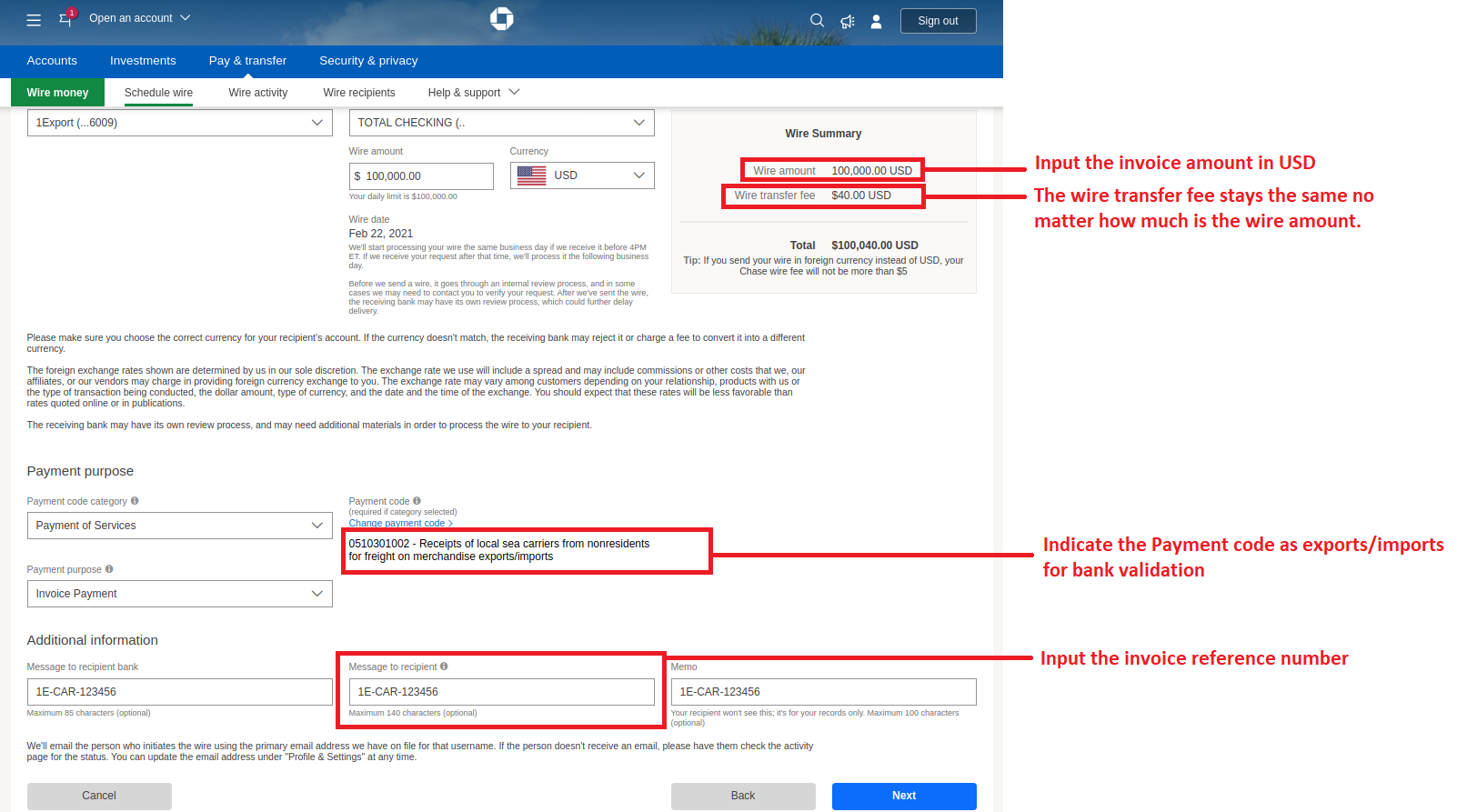
Standard International Outgoing Wire (U.S. Dollar): If you send money internationally in U.S. dollars, Chase typically charges $40 to $45. This covers Chase’s cost for initiating the transfer.
-
Standard International Outgoing Wire (Foreign Currency): If you send money internationally in the recipient’s local currency (e.g., sending Euros to France), Chase’s fee might be slightly lower, often around $35 to $40. This is because Chase might make a profit on the currency exchange rate, which offsets the transfer fee slightly. However, always be mindful of the exchange rate itself, as it can significantly impact the final amount received.
Incoming Wire Transfer Fees (Domestic and International)
While sending a wire typically incurs a fee, receiving one can also sometimes lead to charges, though these are usually lower.
-
Domestic Incoming Wire: Chase typically charges $15 for each incoming domestic wire transfer received into your account.
-
International Incoming Wire: For international incoming wire transfers, Chase usually charges $15. This fee is consistent regardless of the currency received.
Potential Hidden Costs and Exchange Rates
Beyond the explicit transfer fees, there are other potential costs to be aware of, especially for international transfers:
-
Exchange Rate Markups: When converting currency for an international wire, banks like Chase often apply an exchange rate that is slightly less favorable than the interbank rate (the rate banks use to trade with each other). This difference, known as a markup or spread, is a significant source of revenue for the bank and effectively adds to the cost of your transfer, even if the flat fee seems lower. Always compare Chase’s exchange rate with other providers when sending foreign currency.
-
Intermediary Bank Fees: For international transfers, particularly those involving less common currencies or countries, an intermediary or correspondent bank might be used to facilitate the transaction. These banks can deduct their own fees from the transferred amount before it reaches the recipient, meaning the recipient might receive less than you sent. Unfortunately, these fees are often unpredictable and outside of Chase’s direct control.
Factors Influencing Wire Transfer Costs and Processing Times
Several variables can affect both the cost and speed of your wire transfer. Understanding these can help you better plan your transactions and potentially mitigate unexpected delays or charges.
Transaction Type (Domestic vs. International)
As previously mentioned, international wires are inherently more complex and costly than domestic ones. The involvement of different financial systems, regulatory frameworks, and currency conversions drives up the operational expenses for banks, which are then passed on to the customer.
Sending vs. Receiving
Generally, initiating an outgoing wire transfer costs more than receiving an incoming one. This is because the sending bank undertakes more administrative and compliance work to verify the sender and the legitimacy of the transaction.
Currency Conversion and Exchange Rates
For international transfers, if the currency you’re sending is different from the recipient’s currency, a conversion will occur. The exchange rate offered by Chase (or any bank) will impact the final amount the recipient receives. A less favorable exchange rate can effectively add several dollars or more to the cost of the transfer, even if the base fee is low. Always scrutinize the offered exchange rate.
Recipient Bank Charges (Intermediary Banks)
This is a critical, often overlooked factor for international transfers. Many international wire transfers are not direct between your bank and the recipient’s bank. They might pass through one or more “intermediary” or “correspondent” banks. Each of these banks can deduct a fee for their service, which means the final amount arriving in the recipient’s account could be less than the amount you sent, even before the recipient’s bank charges their own incoming fee. You can often choose to pay these fees yourself (“Sender bears all fees”) or have them deducted from the principal (“Recipient bears all fees”).
Cut-off Times and Processing Speeds
Every bank has daily cut-off times for processing wire transfers. If you initiate a wire after this time, it will typically be processed on the next business day.
-
Domestic Wires: Typically processed within the same business day if sent before the cut-off (usually mid-afternoon Eastern Time).
-
International Wires: Can take 1-5 business days, depending on the recipient country, currency, and the number of intermediary banks involved. Cut-off times for international wires might also differ from domestic ones.
Executing a Wire Transfer with Chase: Step-by-Step Guide
Sending a wire transfer with Chase is a straightforward process, whether you do it online or in person. However, accuracy is paramount to ensure the funds reach the correct recipient without delays.
Information Required for Sending a Wire
To initiate a wire transfer, you will need precise information about the recipient and their bank. Missing or incorrect details can cause significant delays or even lead to the return of funds, potentially incurring additional fees.
-
Recipient’s Full Name and Address: As it appears on their bank account.
-
Recipient’s Bank Name and Address: Full legal name and physical address of the bank.
-
Recipient’s Account Number: The full bank account number.
-
SWIFT/BIC Code (for International): A Bank Identifier Code (BIC) or SWIFT (Society for Worldwide Interbank Financial Telecommunication) code is a unique identifier for international banks.
-
IBAN (for European Transfers): International Bank Account Number, required for many European countries.
-
Routing Number (for Domestic): The 9-digit number identifying the recipient’s bank in the U.S.
-
Amount to be Transferred: Clearly specify the currency for international transfers.
-
Reason for Transfer: For compliance purposes, especially for international wires.
Initiating a Wire Transfer Online or In-Branch
Chase offers multiple ways to send a wire transfer:
-
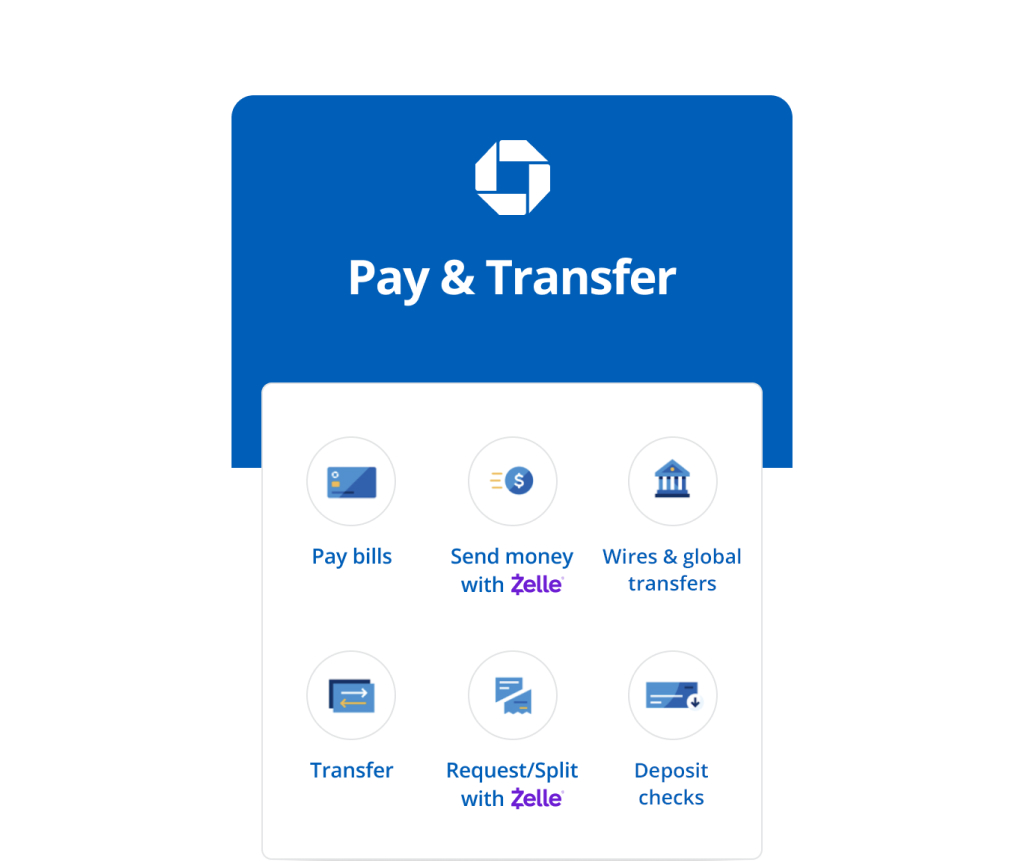
Online (Chase.com or Chase Mobile App): This is generally the most convenient method for eligible customers. You’ll typically navigate to the “Pay & Transfer” section, then “Wire Money” or “Send a Wire.” You’ll be prompted to enter all recipient and bank details, review fees and exchange rates (for international), and confirm the transaction. Online wire transfer capabilities might be limited to certain account types or require prior setup.
-
In-Branch: You can visit any Chase branch to initiate a wire transfer. A personal banker will assist you with filling out the necessary forms and verifying your identity. This can be beneficial for first-time senders or for very large amounts where personal assistance is preferred. Remember to bring a valid photo ID.
-
By Phone: Some Chase Business Banking customers may be able to initiate wires over the phone, though this is less common for personal accounts due to security protocols.
Tracking Your Wire Transfer
Once a wire transfer is sent, it’s generally difficult to “track” in real-time like a package. However, Chase can provide a “trace” or a confirmation number.
-
Confirmation: After sending, you’ll receive a confirmation number. Keep this for your records.
-
Inquiries: If the recipient does not receive the funds within the expected timeframe, you can contact Chase with your confirmation number to initiate a trace. Chase will then communicate with the recipient’s bank to investigate the status of the funds.
Smart Strategies to Minimize Wire Transfer Fees and Explore Alternatives
While wire transfers are indispensable for certain transactions, their associated fees can accumulate. Fortunately, several strategies and alternative services can help reduce costs or offer more economical options for different scenarios.
Exploring Cheaper Alternatives
For many routine transfers, especially smaller amounts, cheaper alternatives to traditional bank wires exist:
-
ACH Transfers (Automated Clearing House): For domestic transfers, ACH payments are significantly cheaper (often free or just a few dollars) and are suitable for non-urgent transactions. They typically take 1-3 business days to clear. Most banks, including Chase, offer free ACH transfers for bill pay or transfers between linked accounts.
-
Zelle: For person-to-person (P2P) transfers within the U.S., Zelle is a free and fast option for sending money directly from your bank account to someone else’s, usually within minutes. It’s ideal for sending money to friends, family, or small businesses, but typically has lower daily limits than wire transfers. Chase integrates Zelle directly into its banking platform.
-
Third-Party Money Transfer Services (e.g., Wise, Revolut, Xoom): For international transfers, specialized online money transfer services often offer significantly lower fees and more competitive exchange rates than traditional banks. They can be a great option for remittances or regular international payments, often providing transparency on total costs upfront.
-
Digital Wallets/P2P Apps (e.g., PayPal, Venmo): While convenient for small domestic payments, these services can come with fees for instant transfers or international transactions, and their exchange rates might not always be the best. They are generally not recommended for very large sums due due to limits and potential security concerns compared to bank wires.
Understanding Transfer Limits and Bundled Services
Be aware of any daily or monthly limits imposed by Chase on wire transfers, especially when initiating them online. For larger businesses or high-net-worth individuals, some premium Chase accounts might offer bundled services that include a certain number of free wire transfers per month. Reviewing your account features or discussing options with a Chase representative can uncover potential savings.
Negotiating with Your Bank (Less Common, but Possible for Businesses)
While not common for individual consumer accounts, businesses with high volumes of transactions or long-standing relationships with Chase might occasionally be able to negotiate slightly reduced wire transfer fees or better exchange rates for international transfers. This usually applies to significant corporate clients.
Choosing “Our” or “Shared” Fee Options for International Wires
When sending an international wire, you often get to choose who pays the fees.
-
OUR: You, the sender, bear all transfer fees, including any intermediary bank charges. This ensures the recipient gets the full amount. This is generally the most expensive option for the sender.
-
BEN: The beneficiary (recipient) bears all transfer fees. This means the recipient will receive the original amount minus all transfer fees (your bank’s, intermediary’s, and their own bank’s).
-
SHA (Shared): You pay your bank’s fees, and the recipient pays any fees charged by their bank and any intermediary banks. This is often a good compromise.
Understanding these options is crucial for managing expectations about the final amount received by the beneficiary.
In conclusion, while Chase wire transfers offer a secure and efficient method for moving funds, especially for significant amounts, it’s essential to be fully informed about the associated costs. By understanding the fee structure, potential hidden charges, and available alternatives, you can make informed decisions that align with your financial goals and ensure your money reaches its destination as intended, without unnecessary expenses. Always verify the latest fees directly with Chase, as terms and conditions can change.
aViewFromTheCave is a participant in the Amazon Services LLC Associates Program, an affiliate advertising program designed to provide a means for sites to earn advertising fees by advertising and linking to Amazon.com. Amazon, the Amazon logo, AmazonSupply, and the AmazonSupply logo are trademarks of Amazon.com, Inc. or its affiliates. As an Amazon Associate we earn affiliate commissions from qualifying purchases.