
In the realm of personal and business finance, certain transactions demand a higher level of security and assurance than a standard personal check can provide. For these critical moments, a cashier’s check often emerges as the preferred instrument. Issued directly by a bank, a cashier’s check guarantees the funds, making it a trusted method for large purchases, real estate transactions, or significant deposits. For customers of Chase, one of the largest financial institutions in the United States, understanding the mechanics and, crucially, the associated costs of obtaining a cashier’s check is essential for effective financial planning.

This comprehensive guide delves into Chase’s policies regarding cashier’s checks, breaking down the fees, exploring scenarios where they might be waived, and comparing them with alternative payment methods. Our aim is to provide Chase account holders and prospective customers with a clear, insightful, and professional understanding of this vital financial tool.
Understanding Cashier’s Checks: A Primer on Guaranteed Funds
Before diving into the specifics of Chase’s charges, it’s paramount to establish a clear understanding of what a cashier’s check is, how it functions, and why it holds such a significant place in financial transactions.
What is a Cashier’s Check?
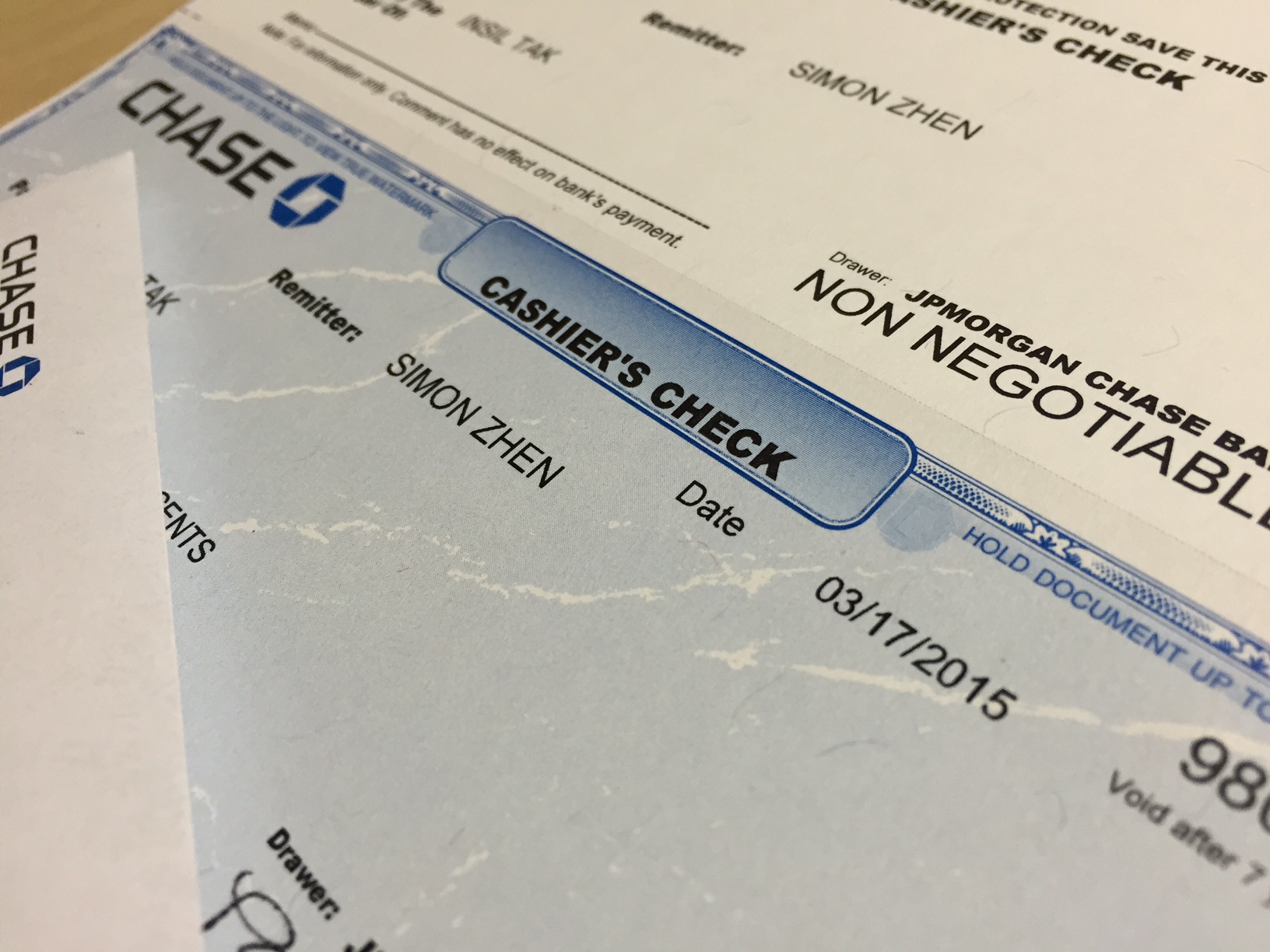
A cashier’s check is a check guaranteed by the bank itself, rather than by an individual account holder. When you request a cashier’s check, the bank immediately withdraws the funds from your account (or requires cash payment) and issues a check drawn on its own funds. This crucial distinction means that the bank, not the individual, assumes responsibility for the payment. This guarantee makes cashier’s checks exceptionally reliable, as the payee can be confident that the funds are available and will clear. It’s fundamentally different from a personal check, which can bounce if the issuer’s account lacks sufficient funds.
The process typically involves the bank’s teller or financial service representative verifying your identity, confirming the availability of funds in your account, and then physically printing the check with the bank’s name as the drawer. This process imbues the check with an inherent level of trust and security that personal checks simply cannot match.
When Do You Need a Cashier’s Check?
The inherent security and guaranteed funds of a cashier’s check make it suitable for specific scenarios where a high degree of assurance is required. Common situations include:
- Real Estate Transactions: When buying or selling a home, a cashier’s check is often required for down payments, earnest money deposits, or closing costs. The large sums involved necessitate a guaranteed payment method.
- Vehicle Purchases: For buying a car, boat, or other high-value vehicle from a private seller or even some dealerships, a cashier’s check ensures the seller receives their funds without delay or risk.
- Large Deposits: Landlords or educational institutions may require a cashier’s check for security deposits or tuition payments, particularly for new tenants or students, to guarantee funds.
- International Transactions: While wire transfers are common for international payments, some overseas transactions, especially those involving property or investments, may still request a cashier’s check due to its perceived reliability.
- Legal Settlements: Payments resulting from legal settlements or court orders often require guaranteed funds to ensure compliance and avoid disputes.
In essence, any situation where the payee demands absolute certainty that funds will be received and cleared will likely call for a cashier’s check.
The Security Advantage: Why Cashier’s Checks are Trusted
The primary advantage of a cashier’s check lies in its unparalleled security. Because the bank guarantees the funds, the risk of the check bouncing due to insufficient funds is eliminated. This provides significant peace of mind for the payee, who can proceed with a transaction knowing the payment is secure.
However, it’s crucial to note that while highly secure, cashier’s checks are not entirely immune to fraud. Counterfeit cashier’s checks are a known scam, which is why it’s always advisable for the recipient to verify the check directly with the issuing bank before releasing goods or services. This verification process typically involves calling the issuing bank (using a verified phone number, not one on the check itself) and confirming the check’s validity.
Chase’s Cashier’s Check Fees: The Core Information
For Chase customers, understanding the specific charges associated with obtaining a cashier’s check is key to managing transaction costs. While fees can vary slightly and are subject to change, there is a general structure in place.
Standard Fees for Chase Account Holders
As of current typical banking practices, Chase generally charges a fee for issuing a cashier’s check. For most Chase personal and business checking account holders, this fee is usually around $10. This is a standard charge across many major banks, reflecting the administrative effort, security protocols, and guarantee provided by the institution.
It’s important to understand that this fee is per check. If you need multiple cashier’s checks for different payees or separate transactions, you will incur the fee for each check issued. The funds for the check amount itself are, of course, drawn directly from your linked Chase account.
Waiving Fees: Are There Exceptions?
While a $10 fee is standard, Chase, like many banks, offers certain incentives or benefits to its premier customers. It is possible for the cashier’s check fee to be waived under specific circumstances:
- Premium Accounts: Customers holding certain premium or higher-tier Chase checking accounts, such as Chase Sapphire Banking or Chase Private Client, often enjoy waived fees for services like cashier’s checks, wire transfers, and other banking conveniences. These accounts typically require higher minimum balances or significant assets under management to qualify.
- Relationship Banking: If you have a long-standing, comprehensive banking relationship with Chase, with multiple accounts or significant investments, there might be room for a relationship manager to waive the fee on a case-by-case basis as a courtesy. This is less common for standard accounts but worth inquiring about if you meet the criteria for a high-value client.
- Promotional Offers: Occasionally, Chase may run promotions that include waived fees for certain services. These are usually time-limited and part of broader account opening incentives.
To determine if you qualify for a waived fee, the best approach is always to consult directly with a Chase representative, either in person at a branch or by calling their customer service line.
How to Obtain a Cashier’s Check from Chase
Obtaining a cashier’s check from Chase is a straightforward process, primarily conducted at a physical branch.
- Visit a Chase Branch: This is the most common and recommended method. You cannot typically order a cashier’s check online or over the phone due to security reasons and the need for identity verification.
- Provide Identification: You will need to present a valid government-issued photo ID (e.g., driver’s license, passport) to verify your identity.
- Specify Details: You’ll need to provide:
- The exact amount of the check.
- The full legal name of the payee (the person or entity you are paying).
- (Optional but recommended) A memo line detail for your records.
- Funds Verification: The teller will confirm that you have sufficient funds in your Chase account to cover both the check amount and the issuance fee. The funds will be debited immediately.
- Receive Your Check: Once processed, the cashier’s check will be printed and handed to you. It’s crucial to review all details (payee name, amount) before leaving the branch to ensure accuracy.
It’s advisable to call your local Chase branch ahead of time, especially for very large sums, to ensure they are prepared and can process your request efficiently.

Beyond the Fee: Other Considerations for Cashier’s Checks
While the fee is an important factor, several other considerations come into play when using cashier’s checks, ranging from processing times to handling lost items and protecting against fraud.
Processing Time and Availability
One of the conveniences of a cashier’s check is its immediate availability. When you request one at a Chase branch during business hours, it is typically printed and issued to you on the spot. Unlike personal checks, there is no waiting period for the funds to become available once the check is issued by the bank. For the recipient, this also means that once they deposit the cashier’s check, the funds are usually available much faster than a personal check, often within one business day, though individual bank policies may vary.
Essential Information for Issuance
As mentioned, accurate information is paramount. Double-check the spelling of the payee’s name and the exact amount. Errors can lead to significant delays and complications, potentially requiring the original check to be voided and a new one issued, which may incur additional fees or require an affidavit. Always have the payee’s full legal name ready and the precise numerical amount.
What If It’s Lost or Stolen?
Losing a cashier’s check can be a significant headache, primarily because it represents guaranteed funds. If a Chase cashier’s check is lost or stolen before it’s cashed or deposited, you must contact Chase immediately. The process for reissuing or stopping payment on a lost cashier’s check can be complex and time-consuming.
Typically, Chase will require you to sign an “Indemnity Agreement.” This is a legal document stating that you will reimburse the bank if the original check is later cashed by someone else. Due to the bank’s guarantee, they need this protection. A stop payment on a cashier’s check generally cannot be placed immediately without this agreement, and it might take 90 days or even longer before the bank is willing to reissue the funds or a new check, especially if the original hasn’t surfaced. This delay is a crucial consideration, particularly for time-sensitive transactions. Some banks may also charge a fee for the stop payment or reissuance process.
Verifying a Cashier’s Check: Protecting Against Fraud
As a recipient of a cashier’s check, it’s vital to protect yourself from potential fraud, such as counterfeit checks. If you receive a cashier’s check, especially from an unfamiliar party or for an amount greater than expected, always verify its authenticity before depositing it or releasing goods/services.
To verify a Chase cashier’s check:
- Locate a verified Chase phone number: Do not use any phone number printed on the check itself, as this could be part of a scam. Find Chase’s official customer service number on their corporate website or a reliable financial directory.
- Provide Check Details: Call Chase and provide them with the check number, date, amount, and the name of the remitter (the person who bought the check).
- Confirm Authenticity: Chase can confirm if the check was legitimately issued by them.
- Be Patient: Even if verified, allow several business days for the funds to fully clear and settle into your account before acting on the payment. “Available funds” in your account doesn’t always mean the check has fully cleared the issuing bank.
Alternatives to Cashier’s Checks and Cost Comparison
While cashier’s checks offer robust security, they are not always the most cost-effective or convenient option. Depending on the transaction amount, urgency, and recipient’s preferences, several alternatives exist.
Wire Transfers
- Description: A wire transfer is an electronic transfer of money from one bank account to another. It’s one of the fastest ways to send money.
- Pros: Extremely fast (often same-day or next-day), highly secure once initiated, good for international transfers.
- Cons: Higher fees than cashier’s checks (Chase typically charges around $25-$35 for domestic outgoing wires, and more for international), irreversible once sent, requires accurate recipient bank details.
- When to Use: For urgent, high-value transactions where speed is critical and the recipient needs immediate access to funds, or for international payments.
Certified Checks
- Description: A certified check is a personal check on which the bank has stamped “certified” or “accepted,” guaranteeing that the funds are available and have been set aside.
- Pros: Similar security to a cashier’s check (bank guarantees funds), often slightly lower fees than cashier’s checks (e.g., $5-$10).
- Cons: Still drawn on your personal account (though funds are guaranteed), less common than cashier’s checks for very large transactions.
- When to Use: A good alternative for transactions requiring guaranteed funds but perhaps slightly less formal than a cashier’s check, or if your bank charges less for certified checks. Chase typically offers certified checks as well.
Money Orders
- Description: A money order is a payment order for a specified amount of money that can be purchased at banks, post offices, and some retail stores. They typically have lower maximum limits than cashier’s checks (e.g., $1,000).
- Pros: Very low fees (often under $2-$5), accessible even without a bank account, widely accepted for smaller amounts.
- Cons: Low maximum limits, not suitable for large transactions, less formal than bank-issued checks.
- When to Use: For smaller payments (utility bills, rent, small purchases) where a personal check isn’t accepted, or when a high level of security isn’t needed for large sums.
Online Payment Services and Digital Transfers
- Description: This category includes peer-to-peer payment apps (Zelle, Venmo, PayPal), direct bank-to-bank transfers (ACH), and bill pay services.
- Pros: Often free or very low cost (especially Zelle and ACH transfers), instant or very fast for smaller amounts, convenient.
- Cons: Transaction limits can be low, less suitable for extremely large, single transactions that require physical proof of payment, potential for fraud if not careful with recipient details.
- When to Use: For everyday payments, sending money to friends/family, paying contractors, or managing recurring bills where the recipient accepts digital payments. Not typically used for real estate or vehicle purchases.
When to Choose Which Option
The decision boils down to balancing security, cost, speed, and the specific requirements of the transaction.
- Cashier’s Check: Best for large, critical transactions (real estate, vehicle) where guaranteed bank funds and a physical instrument are required, and the fee is acceptable.
- Wire Transfer: Ideal for very urgent, high-value transactions where funds must be received almost immediately, domestically or internationally, and higher fees are justifiable.
- Certified Check: A solid alternative to a cashier’s check if the bank’s fee is lower and the transaction is still significant.
- Money Order: Excellent for small to medium-sized payments where guaranteed funds are needed and limits are met, and low cost is a priority.
- Digital Transfers: Convenient and cost-effective for everyday payments, recurring bills, and peer-to-peer transfers, but generally unsuitable for very large, formal transactions.
Conclusion
Understanding “how much does Chase charge for a cashier’s check” is more than just knowing a single dollar amount; it’s about appreciating the value, security, and context of this critical financial tool. While Chase typically charges around $10 for a cashier’s check, this fee can be waived for premier account holders or in specific relationship banking scenarios.
Cashier’s checks remain an indispensable method for transactions demanding guaranteed funds, offering peace of mind to both payer and payee for significant purchases and commitments. However, financial literacy dictates that one should always consider the full spectrum of options. From the speed of a wire transfer to the low cost of a money order or the convenience of digital payments, there’s a financial instrument suited for nearly every need.
Before proceeding with any significant payment, always verify the current fees and procedures directly with Chase, as banking policies are subject to change. By doing so, you ensure not only financial accuracy but also the most effective and secure management of your funds.
aViewFromTheCave is a participant in the Amazon Services LLC Associates Program, an affiliate advertising program designed to provide a means for sites to earn advertising fees by advertising and linking to Amazon.com. Amazon, the Amazon logo, AmazonSupply, and the AmazonSupply logo are trademarks of Amazon.com, Inc. or its affiliates. As an Amazon Associate we earn affiliate commissions from qualifying purchases.