
In the modern financial landscape, the ability to move large sums of money quickly and securely is a cornerstone of both personal and business management. Chase Bank, as one of the largest financial institutions in the United States, offers a robust infrastructure for wire transfers. However, convenience and speed often come with a price tag. For consumers and business owners alike, understanding the fee structure associated with these transactions is essential to avoid unexpected costs and to manage liquidity effectively.
A wire transfer is an electronic transfer of funds across a network of banks or transfer agencies around the world. Unlike ACH transfers, which can take several days to clear, wire transfers are intended for near-instantaneous movement of capital, making them the preferred choice for real estate closings, large business acquisitions, and urgent family remittances.
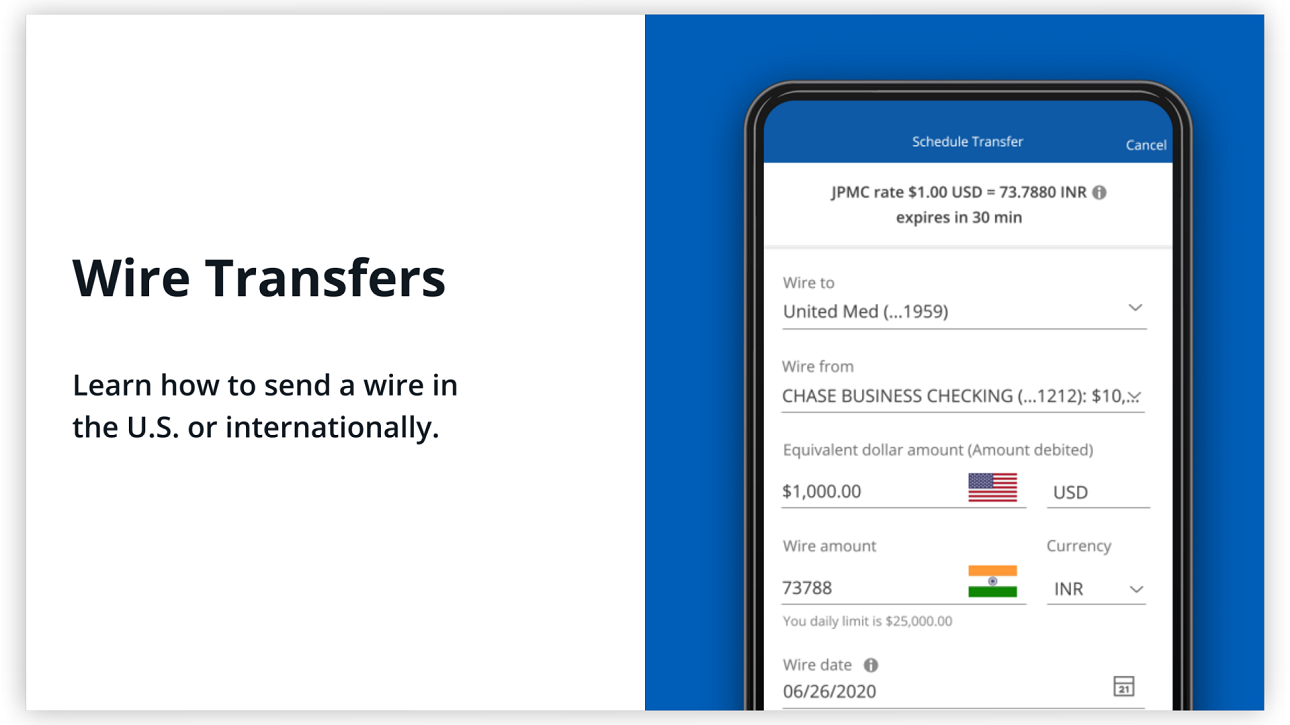
Understanding Chase Domestic Wire Transfer Fees
Domestic wire transfers involve moving money between two financial institutions within the United States. While these are simpler than international transactions, Chase applies different fees based on how the transfer is initiated and the type of account the sender holds.
Standard Outgoing Fees: Online vs. In-Branch
For the majority of standard personal checking accounts, such as Chase Total Checking, the bank charges a fee for every outgoing domestic wire. As of current policy, initiating a domestic wire transfer through the Chase website or mobile app typically costs $25 per transaction. If you prefer to visit a physical branch and have a banker assist you with the transfer, the fee increases to $35.
The $10 difference serves as an incentive for customers to utilize digital banking tools, which reduces the administrative burden on branch staff. For frequent senders, these savings can accumulate significantly over the course of a fiscal year.
Incoming Domestic Wire Fees
A common point of confusion for many customers is the fee for receiving money. Even if the sender has already paid a fee to their own bank, Chase usually charges a $15 fee to receive a domestic wire into a standard checking or savings account. This fee is deducted directly from the incoming balance, meaning if someone sends you $1,000, you may see a net credit of $985 in your account.
Why Domestic Fees Matter for Real Estate and Business
In transactions such as home purchases, wire transfers are often the only accepted form of payment for down payments and closing costs due to their “cleared funds” status. Buyers must account for these fees in their closing disclosures. For businesses that rely on domestic wires to pay vendors or settle contracts, these per-transaction costs should be factored into the overhead of the finance department.
Navigating International Wire Transfer Costs with Chase
International wire transfers are significantly more complex than domestic ones, involving multiple currencies, regulatory checks, and often intermediary banks. Consequently, the fee structure is higher and more varied.
Outgoing International Fees and Currency Dynamics
When sending money abroad from a Chase account, the fee is primarily determined by the currency in which the money is sent. If you send a wire in U.S. Dollars to a foreign country, Chase typically charges a fee of $40 to $50. However, if the transfer is initiated online and sent in a foreign currency (such as Euros, Pounds, or Yen), Chase may reduce or even waive the transaction fee to $0, depending on the account type and the destination.
While a $0 fee for foreign currency transfers sounds attractive, it is vital to look at the exchange rate. Chase, like most commercial banks, applies a “markup” or “spread” to the mid-market exchange rate. This means that while the transaction fee is low, the cost is essentially baked into a less favorable conversion rate.
Incoming International Wires
Receiving money from an overseas bank generally incurs a fee of $15 per transaction, similar to domestic wires. However, it is important to note that international transfers often pass through “correspondent” or “intermediary” banks. These third-party institutions may deduct their own handling fees before the money reaches Chase, resulting in a lower final amount than originally sent.
The Hidden Cost of Exchange Rate Markups
For individuals sending large sums internationally—for instance, to purchase property abroad or fund an overseas education—the exchange rate markup is often more expensive than the flat wire fee. Chase provides a real-time exchange rate calculator within their digital banking portal. It is a prudent financial move to compare this rate against the mid-market rate found on independent financial news sites to understand the true cost of the transfer.
Fee Waivers and Special Account Benefits

Not all Chase customers pay the same rates. The bank uses its wire transfer fee structure as a way to reward high-balance clients and premium account holders. If you find yourself sending or receiving wires frequently, upgrading your account tier might be a strategic financial move.
Chase Private Client and Sapphire Perks
The highest tier of personal banking, Chase Private Client, offers significant relief from transaction fees. Clients in this category typically enjoy $0 fees for both incoming and outgoing wire transfers, whether domestic or international (when sent in foreign currency).
Similarly, Chase Sapphire Checking accounts—designed for customers who maintain higher balances—often include a waiver for the first few outgoing wires per month or provide a total waiver for all incoming wires. For a professional or an investor moving money weekly, these waivers can save hundreds of dollars annually, effectively offsetting the requirements for maintaining the account’s higher minimum balance.
Business Account Considerations
Chase offers several tiers of business checking accounts. While basic business accounts may mirror personal account fees, “Chase Platinum Business Checking” accounts often include a set number of free monthly wire transfers. For businesses engaged in international trade, these perks are essential for maintaining healthy margins.
Negotiating Fees for High-Volume Users
While standard fees are set by policy, business owners with high transaction volumes and significant deposits often have leverage. Speaking with a dedicated relationship manager at Chase can sometimes lead to custom fee schedules, especially if the business is considering moving its entire treasury management suite to the bank.
How to Execute a Wire Transfer Safely and Efficiently
To ensure that your money arrives at its destination without delay—and to avoid the costs of a “rejected” or “returned” wire—precision is paramount. Chase provides several tools to streamline this process, but the responsibility for data accuracy lies with the sender.
Required Information for a Successful Wire
To initiate a transfer, you will need:
-
The Recipient’s Full Name and Address: This must match the name on the receiving bank account exactly.
-
The Recipient’s Bank Name and Address: Physical location is often required for security audits.
-
Routing Number (for Domestic): A nine-digit code identifying the specific U.S. financial institution.
-
SWIFT/BIC Code (for International): A unique identification code for banks worldwide.
-
IBAN (for International): The International Bank Account Number, common in Europe and the Middle East.
Cut-off Times and Processing Windows
Timing is a critical factor in business finance. Chase generally processes domestic wire transfers on the same business day if they are submitted before 4:00 PM Eastern Time. International wires usually have an earlier cut-off, often around 3:00 PM Eastern Time. Requests submitted after these windows or on weekends and federal holidays are processed on the following business day. Understanding these windows is vital for meeting contractual deadlines or payroll obligations.
Security Protocols and Fraud Prevention
Because wire transfers are difficult to reverse once they are cleared, they are a frequent target for scammers. Chase employs multi-factor authentication (MFA) and may call the account holder to verify large or unusual transactions. Users should never initiate a wire transfer based on instructions received via email without first verifying those instructions through a secondary, trusted communication channel (like a known phone number).
Alternatives to Chase Wire Transfers
While wire transfers are the gold standard for speed, they are not always the most cost-effective way to move money. Depending on your needs, other financial tools may serve you better.
ACH Transfers and Zelle
For domestic transfers that are not time-sensitive, an ACH (Automated Clearing House) transfer is often free for personal Chase accounts. While it may take 1–3 business days to complete, it eliminates the $25 wire fee. Furthermore, Chase integrates with Zelle, which allows for instant, free transfers to individuals with U.S. bank accounts, though it is subject to daily and monthly limits that may be too low for major transactions.
Third-Party International Services
For international remittances, companies like Wise or Revolut often provide exchange rates that are closer to the mid-market rate than those offered by traditional banks. However, for very large sums (e.g., over $50,000), the security and institutional reliability of a major bank like Chase may outweigh the marginal savings of a third-party fintech platform.
Internal Chase-to-Chase Transfers
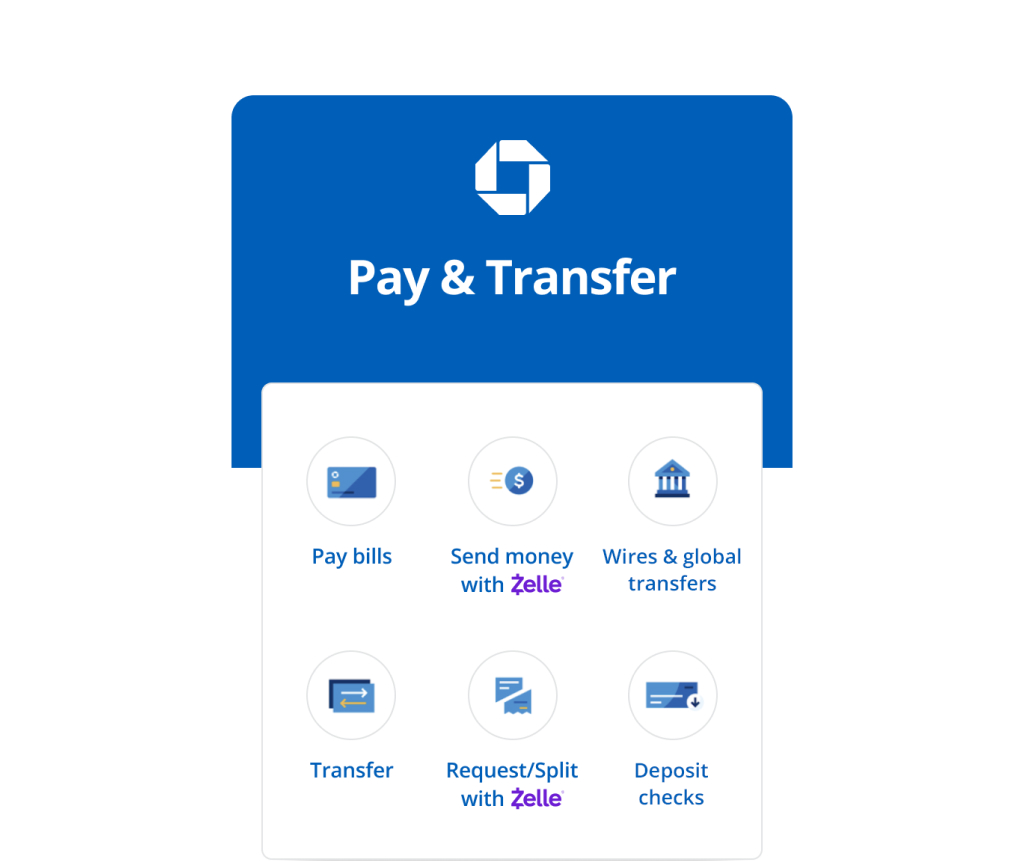
If both the sender and the receiver hold accounts at Chase, an internal transfer can often be performed through the “Transfer Funds” feature in the app. These transfers are typically instant and free, making them the most efficient option for moving money between family members or business partners who share the same banking ecosystem.
By carefully evaluating the fee structure, leveraging premium account benefits, and choosing the right transfer method for each specific scenario, Chase customers can navigate the complexities of modern banking while keeping their transaction costs to a minimum. Whether you are closing on a dream home or expanding a business globally, understanding these financial levers ensures that your capital works for you, rather than being eroded by avoidable fees.
aViewFromTheCave is a participant in the Amazon Services LLC Associates Program, an affiliate advertising program designed to provide a means for sites to earn advertising fees by advertising and linking to Amazon.com. Amazon, the Amazon logo, AmazonSupply, and the AmazonSupply logo are trademarks of Amazon.com, Inc. or its affiliates. As an Amazon Associate we earn affiliate commissions from qualifying purchases.