
In an age where experiential retail is increasingly valued, the Build-A-Bear Workshop stands as a beacon of personalized fun and creativity. For many, it’s more than just a store; it’s an adventure, a memory in the making, and the birthplace of a cherished companion. However, beneath the whimsical façade and the joyous process of bringing a plush friend to life lies a fundamental question for financially conscious consumers: “How much does it really cost?” This article delves into the various financial layers of a Build-A-Bear experience, from the initial investment in a plush toy to the cumulative cost of customization and accessory choices, offering insights into smart spending and value maximization within this unique retail environment. Understanding the true monetary outlay and its corresponding return on investment, both tangible and intangible, is crucial for anyone planning a visit to this beloved workshop.
Deconstructing the Core Investment: The Bear Itself
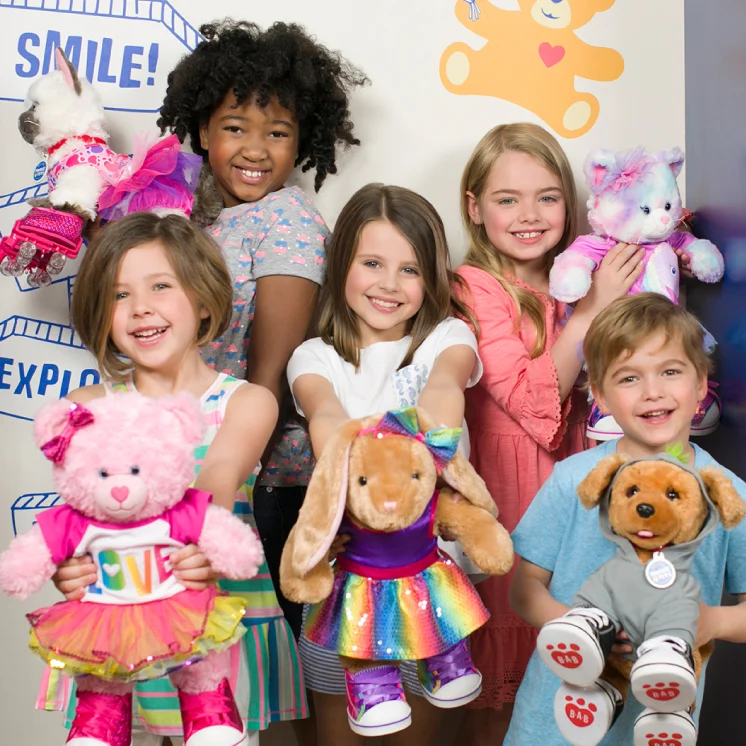
The journey to creating a custom plush friend begins, naturally, with selecting the bear or animal itself. This initial choice represents the foundational investment, setting the baseline for the overall expenditure. While the concept might seem straightforward, the pricing structure for the plush characters at Build-A-Bear Workshop is more nuanced than a single, fixed price, influenced by factors such as size, licensing, and specific collections.
The Foundation of Fun: Entry-Level Bear Pricing
For budget-minded consumers or those seeking the simplest experience, Build-A-Bear typically offers a range of standard, non-licensed plush animals that serve as the entry point to the workshop. These basic bears, bunnies, puppies, or other creatures usually fall within a more accessible price bracket, often starting around $15 to $25. This initial cost covers the unstuffed animal, the stuffing process, a heart ceremony, and a birth certificate, which are integral parts of the core Build-A-Bear experience. This represents the minimum financial commitment required to participate in the full interactive process of creating a furry friend from scratch. Understanding this baseline is essential for setting realistic budget expectations before entering the store.
Premium Plush: Understanding Higher-Tier Options
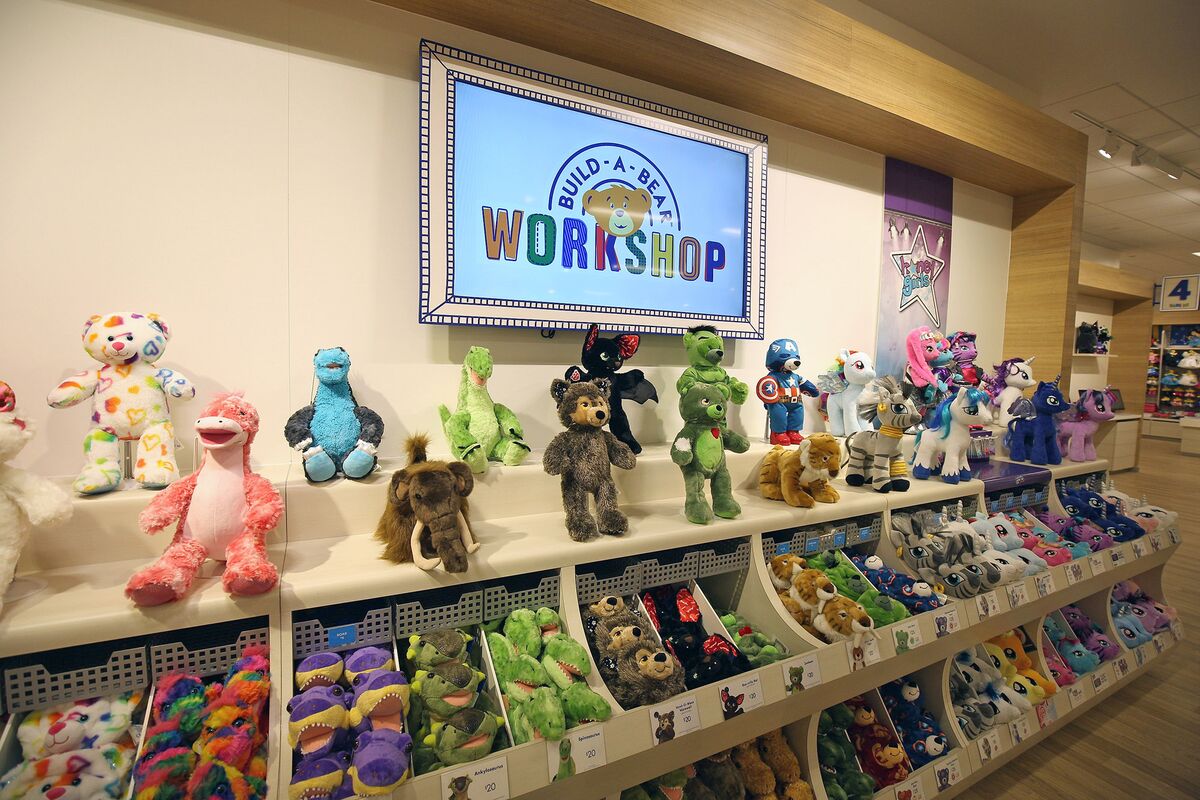
Beyond the standard offerings, the Build-A-Bear Workshop features a significant array of premium and licensed characters that command a higher price point. These can include popular movie characters, superheroes, cartoon figures, or even specific breeds of animals that are part of limited-edition collections. Plush characters from franchises like Disney, Marvel, Pokémon, or Star Wars often range from approximately $30 to $50, and sometimes even higher for exclusive releases or larger models. The premium attached to these items is a direct reflection of licensing fees, unique design complexities, and sometimes increased material costs. For families budgeting for their visit, it’s critical to factor in the potential desire for these more expensive, aspirational characters, as they can significantly elevate the total expenditure from the outset.
Beyond the Basic Bear: What’s Included (and What Isn’t)
It’s important for consumers to understand that the initial cost of the plush animal—whether it’s an entry-level bear or a premium licensed character—primarily covers the unstuffed body and the interactive process of bringing it to life. This means that while you receive a fully stuffed bear with a heart and a birth certificate, it comes “naked.” Outfits, accessories, sound chips, and scents are all separate, additional purchases. This distinction is vital for financial planning, as many first-time visitors might assume a more comprehensive package for the initial price. Recognizing that the core investment is just the starting point helps in preparing for the subsequent decisions and their associated costs.
The Expanding Budget: Accessories and Enhancements
Once the core plush friend has been selected and stuffed, the next phase of the Build-A-Bear experience involves personalization through an array of accessories and enhancements. This is often where the initial budget can quickly escalate, as each additional item carries its own price tag, transforming a simple purchase into a multi-component investment.
Dressing for Success: Outfit and Accessory Pricing
Outfitting a new furry friend is a significant part of the customization appeal, allowing children (and adults) to express creativity and personality. Build-A-Bear offers an extensive wardrobe, from everyday clothing like t-shirts, jeans, and dresses to elaborate costumes for holidays, professions, or licensed characters. Individual clothing items typically range from $7 to $20 per piece. A full outfit, comprising multiple items such as a shirt, pants/skirt, and shoes, can easily cost anywhere from $20 to $40, if not more, depending on the complexity and brand. Shoes, hats, sunglasses, and other small accessories are priced individually, generally from $3 to $15. For those aiming for a complete ensemble, the financial outlay for clothing can easily rival, or even exceed, the initial cost of the bear itself. Savvy consumers often evaluate the cost-per-wear or long-term play value of these outfits to justify the expenditure.
Sensory Additions: Sounds, Scents, and Personal Touches
Beyond visual customization, Build-A-Bear offers various sensory enhancements that add another layer of personalization and, consequently, cost. Sound inserts, which allow the bear to play pre-recorded phrases, songs, or even a child’s own voice, usually cost around $7 to $10. These small but impactful additions create a unique bond with the toy but represent an extra discretionary expense. Similarly, scent disks, which imbue the plush with a pleasant aroma like strawberry, chocolate, or cotton candy, are typically priced around $3 to $5. While these items contribute significantly to the immersive experience and the individuality of the creation, they are optional financial decisions that can add up quickly, especially when multiple such enhancements are chosen. Budgeting for these “invisible” additions is often overlooked but crucial for a comprehensive financial assessment.
The Keepsake Factor: Birth Certificates and Carriers
While a basic birth certificate is included with every bear, there are often options for more elaborate, premium certificates or personalized digital versions that might incur a small additional fee or be part of a larger package. More notably, a common accessory purchase is a carrier or box for the newly created friend. While a simple cardboard house or carry box is usually provided free of charge, more durable or themed carriers, sometimes resembling pet carriers or special gift boxes, can be purchased for an additional $5 to $15. These items serve a practical purpose for transport and storage, and often enhance the “gift” aspect of the experience. For families planning a visit, considering whether these functional additions are necessary or desired can help round out the financial picture, preventing unexpected minor expenses at the checkout counter.
Maximizing Value: Smart Spending Strategies
Navigating the costs at Build-A-Bear Workshop doesn’t have to mean sacrificing the magic. With a few smart spending strategies, consumers can significantly enhance the value they receive for their money, making the experience more accessible and financially sustainable without compromising on the joy of creation.
Bundles and Promotions: Unlocking Savings
One of the most effective ways to manage costs at Build-A-Bear is to take advantage of their various bundles and promotional offers. Build-A-Bear frequently offers deals that combine a plush animal with an outfit or a set of accessories at a discounted rate compared to purchasing each item individually. These “bundle deals” are often seasonal, themed, or tied to new product launches. Keeping an eye on their website, signing up for email newsletters, or checking in-store signage can reveal significant savings. For example, a “bear and outfit” bundle might offer a 15-25% discount on the combined price. Additionally, Build-A-Bear often runs promotions like “buy one get one free” on certain accessories, or percentage-off sales during holidays or special events. Planning a visit around these promotional periods can stretch a budget considerably, allowing for more customization within the same financial envelope. Online purchases might also occasionally feature exclusive web-only deals that are not available in brick-and-mortar stores.
The Build-A-Bear Bonus Club: Loyalty Rewards Explained
For frequent visitors or families who anticipate multiple Build-A-Bear purchases over time, joining the free Build-A-Bear Bonus Club is a wise financial move. This loyalty program operates on a points-based system, where members earn points for every dollar spent. Accumulated points can then be redeemed for discounts on future purchases, effectively reducing the overall cost of subsequent visits or additions to a collection. Beyond points, members often receive exclusive perks such as early access to sales, special birthday offers, and members-only promotions. The financial benefit of the Bonus Club is in its ability to transform regular spending into future savings, providing a tangible return on investment for loyal customers. For instance, a typical rewards structure might offer a $10 discount for every 100 points earned (e.g., spending $100). This continuous loop of earning and redeeming helps mitigate the cumulative costs associated with the hobby.
Birthday Bear Program: A Cost-Effective Celebration
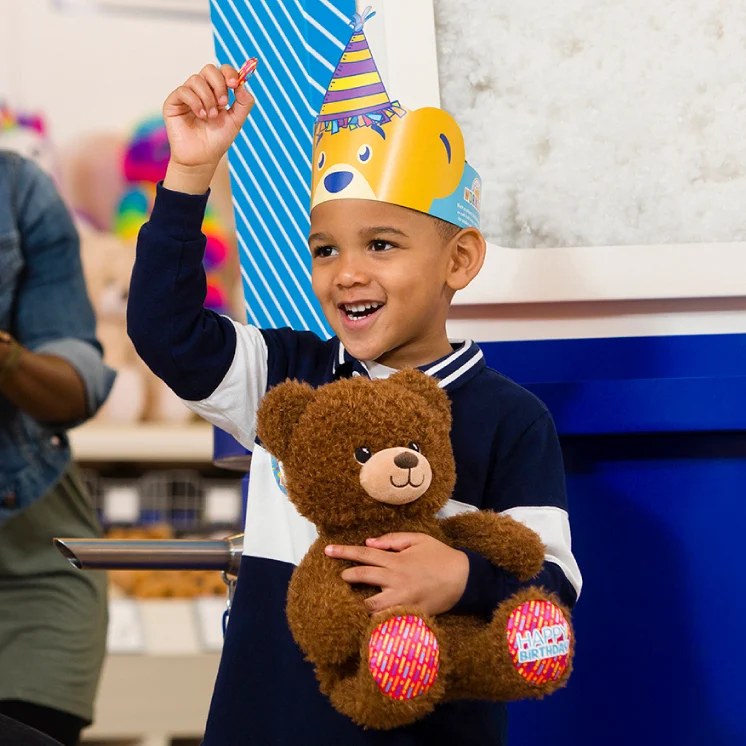
One of the most celebrated and financially appealing programs offered by Build-A-Bear is the “Pay Your Age” Birthday Treat Bear program. This initiative allows children aged 1-14 (in some regions, the program details might vary, so checking local store information is advisable) to purchase a special “Birthday Treat Bear” for the price of their age in dollars. For example, a 7-year-old could buy the designated Birthday Treat Bear for just $7. This represents an extraordinary discount on a standard plush animal, which would typically cost $15-$25 or more. While this offer applies to a specific bear and is limited to one per child per year around their birthday, it provides an incredibly cost-effective way to celebrate a special occasion and acquire a new furry friend. For families looking for a memorable birthday experience without a significant financial outlay, this program offers exceptional value and is a prime example of how Build-A-Bear helps make its experience accessible.
The Return on Investment: Beyond the Dollar Amount
While a meticulous breakdown of monetary costs is essential, a complete financial assessment of the Build-A-Bear experience must extend beyond mere dollar figures. The concept of “cost” in this context is multifaceted, encompassing not only the tangible expenditure but also the intangible benefits and lasting value derived from the purchase. Understanding this broader return on investment (ROI) helps consumers make more informed decisions.
Emotional Value vs. Monetary Cost: A Balanced Perspective
One of the most significant aspects of the Build-A-Bear Workshop is the immense emotional value it generates. For many children, creating a personalized stuffed animal is a deeply engaging and memorable process that fosters creativity, a sense of ownership, and emotional attachment. The plush friend becomes a confidant, a source of comfort, and a tangible representation of a cherished memory. This emotional capital—the joy, the bond, the lasting memory of a special day—is difficult to quantify in monetary terms but represents a substantial “return” on the financial investment. When evaluating the cost, parents often weigh the monetary expense against the happiness and emotional development it provides, recognizing that some experiences offer a richer return than a simple toy purchase might. The perceived value often far outweighs the direct cash outlay.
Budgeting for the Bear: Financial Planning for the Experience
For parents or guardians, approaching a Build-A-Bear visit with a predefined budget is a crucial financial planning strategy. Given the many opportunities for add-ons, setting clear expectations and limits beforehand can prevent overspending and post-purchase regret. A practical approach involves discussing the budget with the child in advance, perhaps allowing them to choose one or two accessories within a set price range. This not only teaches children about financial limits and choices but also empowers them within the established boundaries. Budgeting can involve allocating funds specifically for the core bear, an outfit, and perhaps one small accessory, prioritizing what truly matters to the child. Utilizing cash for the purchase can also be an effective way to physically track spending and adhere to limits. This disciplined approach ensures that the experience remains enjoyable without creating financial strain.
Longevity and Replay Value: Assessing the Investment
The longevity and replay value of a Build-A-Bear plush friend are also important factors in assessing its long-term financial return. Unlike some toys that may quickly lose appeal, a personalized stuffed animal often becomes a cherished companion for years, if not decades. The ability to change outfits, invent new stories, and engage in imaginative play provides continuous entertainment and utility, justifying the initial investment over time. Furthermore, the quality of Build-A-Bear products is generally high, ensuring durability and sustained aesthetic appeal, which contributes to their longevity. From a financial perspective, a toy that provides years of comfort and imaginative play offers a significantly higher return on investment than a cheaper, less durable item that is quickly discarded. The emotional and developmental benefits derived from prolonged engagement further enhance this value proposition.
Conclusion: A Holistic View of Your Build-A-Bear Investment
The question, “How much does Build-A-Bear Workshop cost?” elicits a more complex answer than a simple dollar figure. While the entry point for a basic plush animal might start modestly, the customizable nature of the experience means that the total expenditure is largely dictated by individual choices in plush type, outfits, and sensory enhancements. A fully accessorized, licensed character can easily push the total cost into the $70-$100 range, transforming a seemingly simple toy purchase into a notable discretionary expense.
However, a purely monetary assessment overlooks a substantial part of the Build-A-Bear value proposition. The return on investment extends significantly into the realm of intangible benefits: the joy of creation, the unique memories forged, the emotional bond with a personalized companion, and the enduring comfort and imaginative play a cherished plush provides. Smart financial strategies, such as leveraging bundles, participating in the Bonus Club, and utilizing the “Pay Your Age” birthday program, can substantially mitigate costs, making the experience more accessible and maximizing the financial efficiency of each visit.
Ultimately, the true “cost” of a Build-A-Bear Workshop experience is a balance between the financial outlay and the rich emotional and developmental dividends it yields. By approaching the visit with a clear budget, an understanding of the pricing structure, and an appreciation for both monetary and experiential value, consumers can ensure that their investment in a furry friend is both fiscally sound and deeply rewarding.
aViewFromTheCave is a participant in the Amazon Services LLC Associates Program, an affiliate advertising program designed to provide a means for sites to earn advertising fees by advertising and linking to Amazon.com. Amazon, the Amazon logo, AmazonSupply, and the AmazonSupply logo are trademarks of Amazon.com, Inc. or its affiliates. As an Amazon Associate we earn affiliate commissions from qualifying purchases.