
Determining the cost of an Amazon account is no longer a simple matter of looking at a single price tag. As the platform has evolved from a digital bookstore into a global infrastructure for commerce, cloud computing, and entertainment, its pricing structures have become multi-layered. Whether you are a casual shopper, a burgeoning entrepreneur, or a corporate procurement officer, the “cost” of an Amazon account depends entirely on your financial objectives and the specific ecosystem you choose to inhabit.
From a financial perspective, an Amazon account represents more than just an entry fee; it is a strategic allocation of capital intended to generate value, whether through household savings or business revenue. To understand the true cost, one must look past the monthly subscription and analyze the transactional fees, hidden costs, and the return on investment (ROI) associated with each tier.
The Consumer Perspective: Pricing for Personal and Prime Accounts
For the vast majority of users, the Amazon journey begins with a standard personal account. At its most basic level, a standard Amazon account costs exactly zero dollars. Anyone can sign up, browse the catalog, and make purchases without a recurring fee. However, in the world of personal finance, “free” often comes with its own set of trade-offs, primarily in the form of shipping costs and slower delivery times.
The Standard Account vs. The Prime Premium
While the entry-level account is free, it requires a minimum spend (usually $35) to qualify for free shipping on eligible items. For infrequent shoppers, this is often the most fiscally responsible choice. However, the financial calculus changes when you introduce Amazon Prime.
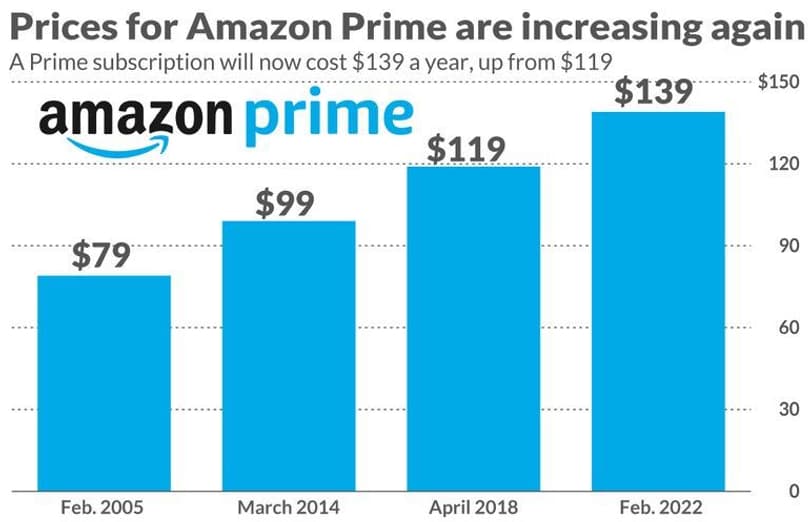
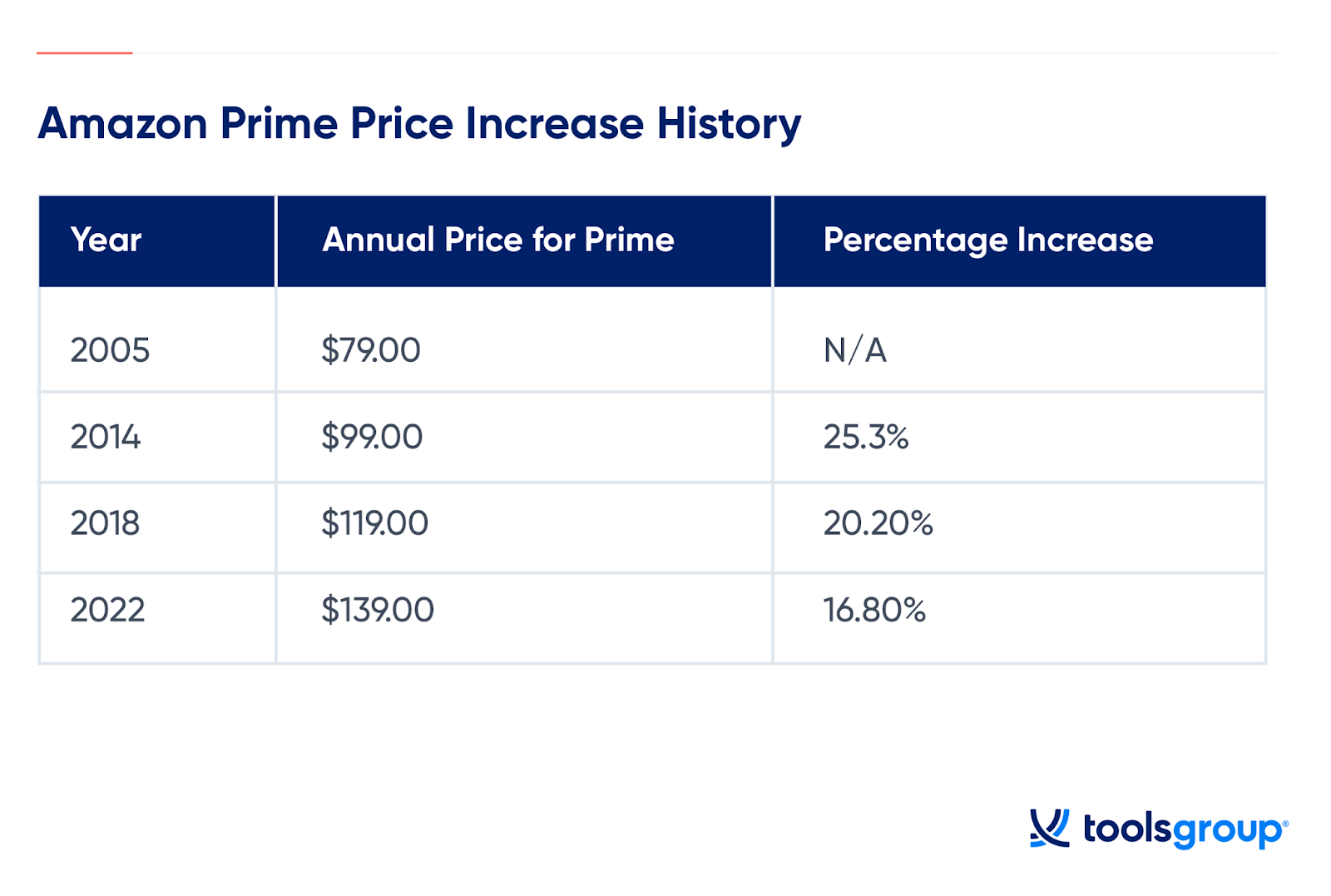
As of the current fiscal period, a standard Amazon Prime membership costs $139 per year or $14.99 per month. From a budgeting standpoint, the annual option offers a significant discount over the monthly rate, saving the user approximately $40 per year. For students and individuals receiving government assistance (such as EBT or Medicaid), Amazon offers heavily discounted tiers, often priced at $7.49 and $6.99 per month, respectively.
Hidden Costs and Value Analysis
When assessing the cost of a Prime account, one must consider the bundled services. The membership includes Prime Video, Amazon Music, and unlimited photo storage. For a household that already pays for separate streaming services, the $139 annual fee can actually represent a net saving if those other subscriptions are cancelled. However, the “Prime Effect” is a well-documented phenomenon where members tend to spend more on the platform due to the psychological ease of “free” two-day shipping. For the disciplined budgeter, the cost of the account is not just the membership fee, but the potential for increased impulsive consumption.
The Entrepreneur’s Investment: Costs of Amazon Seller Accounts
For those looking to generate online income or launch a side hustle, the cost of an Amazon account is a business expense that requires a clear-cut cost-benefit analysis. Amazon offers two primary paths for sellers: the Individual plan and the Professional plan.
Individual vs. Professional Selling Plans
The Individual seller account has no monthly subscription fee. Instead, Amazon charges a $0.99 fee for every item sold, in addition to referral fees. This is the ideal starting point for a low-volume hobbyist or someone testing a product niche.
However, there is a clear “break-even” point: once a seller moves more than 40 items per month, it becomes more cost-effective to switch to the Professional plan. The Professional Seller account costs $39.99 per month. While this is a fixed recurring cost, it eliminates the per-item fee and unlocks critical business tools, such as the ability to apply for restricted categories, use advanced reporting, and run Amazon Advertising (PPC) campaigns.
The True Cost of Fulfillment (FBA)
When calculating the financial commitment of a seller account, one must account for Fulfillment by Amazon (FBA) fees. If you choose to have Amazon store, pack, and ship your products, you will be hit with fulfillment fees based on the size and weight of the item, as well as monthly inventory storage fees. During the Q4 holiday season, these storage fees can triple, significantly impacting profit margins. A seller account is rarely “just” $39.99; it is a gateway to a complex fee structure that includes referral fees (typically 8% to 15% of the sale price) and potential long-term storage penalties.
Amazon Business: Corporate Procurement and Operational Costs
For organizations, from small non-profits to Fortune 500 companies, an Amazon Business account offers a different financial structure designed to streamline procurement and maximize business tax benefits.
The Basic Business Account
A standard Amazon Business account is free to create. It allows multiple users to be added to a single corporate entity and provides access to business-only pricing and quantity discounts. For a company’s finance department, the primary value here isn’t just the price of the goods, but the administrative savings. The account allows for tax-exempt purchasing for qualified organizations and integrates with procurement software like Coupa or SAP Ariba, reducing the “soft costs” of manual invoicing.
Business Prime Tiers
While the base account is free, Business Prime is a paid add-on that scales based on the number of users. The pricing tiers are structured as follows:
-
Duo ($69/year): Designed for one-user accounts that already have personal Prime.
-
Essentials ($179/year): For up to 3 users.
-
Small ($499/year): For up to 10 users.
-
Medium ($1,299/year): For up to 100 users.
-
Enterprise ($10,000/year): For over 100 users.
These costs are justified in a corporate budget through features like “Guided Buying,” which allows finance managers to steer employees toward preferred suppliers or eco-friendly products, thereby enforcing company spending policies and preventing “maverick spend.”
Enterprise Infrastructure: The Financial Structure of AWS
Though often categorized as a technology tool, Amazon Web Services (AWS) is fundamentally a business finance utility. Unlike the fixed-fee model of Prime, AWS operates on a “pay-as-you-go” consumption model. For a startup or an established enterprise, the cost of an AWS account is variable and potentially volatile.
The Free Tier and Scalable Costs
AWS offers a “Free Tier” that includes 12 months of limited usage for services like EC2 (computing) and S3 (storage). This allows businesses to build and prototype without upfront capital expenditure. However, once a business scales, the costs are determined by data transfer, compute hours, and storage volume.
Financial Management of Cloud Spend
The complexity of AWS pricing has given rise to the field of FinOps (Financial Operations). A business account can cost $10 a month for a small blog or $10 million a month for a global streaming service. The financial risk lies in “hidden” costs like data egress fees (moving data out of the AWS cloud) or underutilized “zombie” instances that continue to bill the company. For a CFO, the cost of an AWS account is a shift from CapEx (Capital Expenditure) to OpEx (Operational Expenditure), providing tax advantages and agility but requiring rigorous oversight.
Strategic Financial Management: Evaluating the Total Cost of Ownership
To accurately answer “how much an Amazon account costs,” one must look at the Total Cost of Ownership (TCO). This involves evaluating the direct fees against the indirect benefits and potential risks.
For the Individual
The TCO of a Prime account is $139 plus the potential for increased spending. To see a positive financial return, a household should evaluate if their annual shipping savings and the value of substituted streaming services exceed that $139 threshold. If you only order once a month and don’t watch Prime Video, the account is a net financial loss.

For the Business Owner
The TCO of a Seller account includes the $39.99 subscription, but the real costs are the margins surrendered to referral and fulfillment fees. A professional seller must maintain a gross margin high enough to absorb an average of 30-40% in Amazon-related fees. Success in this niche is not about the account fee, but about the efficiency of the supply chain and the mastery of the internal Amazon economy.
In conclusion, the cost of an Amazon account is rarely a static number. It is a dynamic financial commitment that scales with your usage, your ambition, and your organizational needs. By understanding the distinct tiers—from the $0 consumer entry point to the $10,000 Enterprise Business Prime membership—users can make informed decisions that align with their personal or corporate financial health. Whether viewed as a lifestyle convenience or a critical piece of business infrastructure, the price of an Amazon account is ultimately measured by the value it extracts or generates for your bottom line.
aViewFromTheCave is a participant in the Amazon Services LLC Associates Program, an affiliate advertising program designed to provide a means for sites to earn advertising fees by advertising and linking to Amazon.com. Amazon, the Amazon logo, AmazonSupply, and the AmazonSupply logo are trademarks of Amazon.com, Inc. or its affiliates. As an Amazon Associate we earn affiliate commissions from qualifying purchases.