
In the modern financial landscape, the question “How much does AMC cost?” carries significant weight across multiple domains. To a consumer, it refers to the monthly drain on a digital wallet for streaming content. To a moviegoer, it signifies the price of a premium theatrical experience. To an investor, it represents the volatile valuation of one of the most talked-about equities in the stock market. Understanding the cost of AMC requires a multi-faceted analysis of subscription models, investment risks, and the evolving economics of the entertainment industry.
Understanding the Cost of AMC+ Streaming Services
For the average household looking to optimize their monthly entertainment budget, the most direct cost of AMC is found in its streaming service, AMC+. This platform represents the company’s pivot from a traditional cable network to a direct-to-consumer digital powerhouse. Navigating the pricing tiers is essential for any financially conscious consumer aiming to avoid “subscription fatigue.”

Subscription Tiers and Pricing Models
As of the current fiscal year, AMC+ offers a tiered pricing structure designed to capture different segments of the market. The entry-level tier is the Ad-Supported plan, typically priced at $4.99 per month. This tier is a strategic move by the company to lower the barrier to entry while subsidizing costs through advertising revenue. For users seeking an uninterrupted experience, the Ad-Free plan generally costs $8.99 per month.
From a personal finance perspective, the annual subscription often presents the best value proposition. By paying for a full year upfront—usually priced around $83.88—users can effectively reduce their monthly cost to approximately $6.99. This represents a nearly 20% discount compared to the month-to-month ad-free rate, making it the preferred choice for long-term fans of franchises like The Walking Dead or Anne Rice’s Immortal Universe.
Bundle Options and Hidden Value
The true financial footprint of AMC+ often extends beyond the standalone app. AMC has aggressively pursued partnerships with third-party providers. Many consumers find AMC+ bundled within Amazon Prime Video Channels, Apple TV, or Roku. While the core price remains similar, these bundles often provide integrated billing, which can help in tracking monthly expenditures.
Furthermore, an AMC+ subscription often includes access to sister networks such as Shudder, Sundance Now, and IFC Films Unlimited. For a horror enthusiast, paying $8.99 for AMC+ is more financially sound than paying separate fees for each niche service. This “internal bundling” increases the perceived value of the subscription, lowering the “cost per hour” of consumed content—a key metric in household budgeting.
The Impact on Your Monthly Entertainment Budget
When auditing personal finances, it is vital to categorize AMC+ not just as a singular expense but as part of a broader “Digital Goods” category. With the average American household subscribing to 4.5 streaming services, the cumulative cost can exceed $60 per month. AMC’s pricing strategy positions it as a “mid-tier” service—more expensive than basic Discovery+ but cheaper than the premium tiers of Netflix or Max. Financial planners often suggest a “rotation strategy”: subscribing to AMC+ for two months to catch up on specific series and then canceling to reallocate those funds to other investments or high-yield savings accounts.
Investing in AMC: Evaluating Share Price and Market Value
Beyond the consumer level, “How much does AMC cost?” is a fundamental question for retail and institutional investors. AMC Entertainment Holdings (traded under the ticker AMC) has become a symbol of the modern retail trading movement. Evaluating the cost of owning AMC shares involves looking past the ticker price and into the depths of market capitalization, debt loads, and equity dilution.
The History of AMC Entertainment Holdings
To understand the current cost of AMC stock, one must look at the financial restructuring that occurred post-2020. Once a traditional cinema chain burdened by massive debt, AMC became a “meme stock” in 2021. This surge in price allowed the company to raise billions in capital by issuing new shares. For the investor, the “cost” of the stock is inextricably linked to the company’s ability to manage its multi-billion dollar debt pile. The share price is no longer just a reflection of ticket sales; it is a barometer of market sentiment and liquidity.
Understanding Volatility and Retail Investing Trends
The cost of an AMC share is notoriously volatile. For an investor, the “price of admission” includes the high risk of intraday fluctuations. Financial analysts often point to the “cost of carry” and the potential for rapid depreciation. Unlike blue-chip stocks that offer dividends, the return on an AMC investment is purely based on capital appreciation. Prospective buyers must weigh the nominal cost of a share against the opportunity cost of not putting that money into a diversified index fund. The volatility means the “real” cost can be the loss of principal if the market turns bearish on cinema recovery.
Long-term Financial Outlook for Shareholders
When evaluating the cost of AMC as an asset, one must consider the company’s “Enterprise Value” (EV). This includes the market cap plus total debt minus cash. For a savvy investor, the stock might look “cheap” at a low dollar amount, but if the company has high debt-to-equity ratios, the hidden costs are substantial. The company’s move to convert APE (AMC Preferred Equity) units back into common stock and implement reverse stock splits has fundamentally changed the cost basis for long-term holders. Understanding these corporate actions is crucial for anyone trying to calculate their break-even point on an AMC investment.
The Cost of the Cinema Experience: Tickets and Membership
For those who prefer the silver screen, the cost of AMC is measured at the box office. The economics of moviegoing have shifted from a simple transaction to a subscription-based loyalty model.
AMC Stubs A-List: Is the Subscription Worth It?
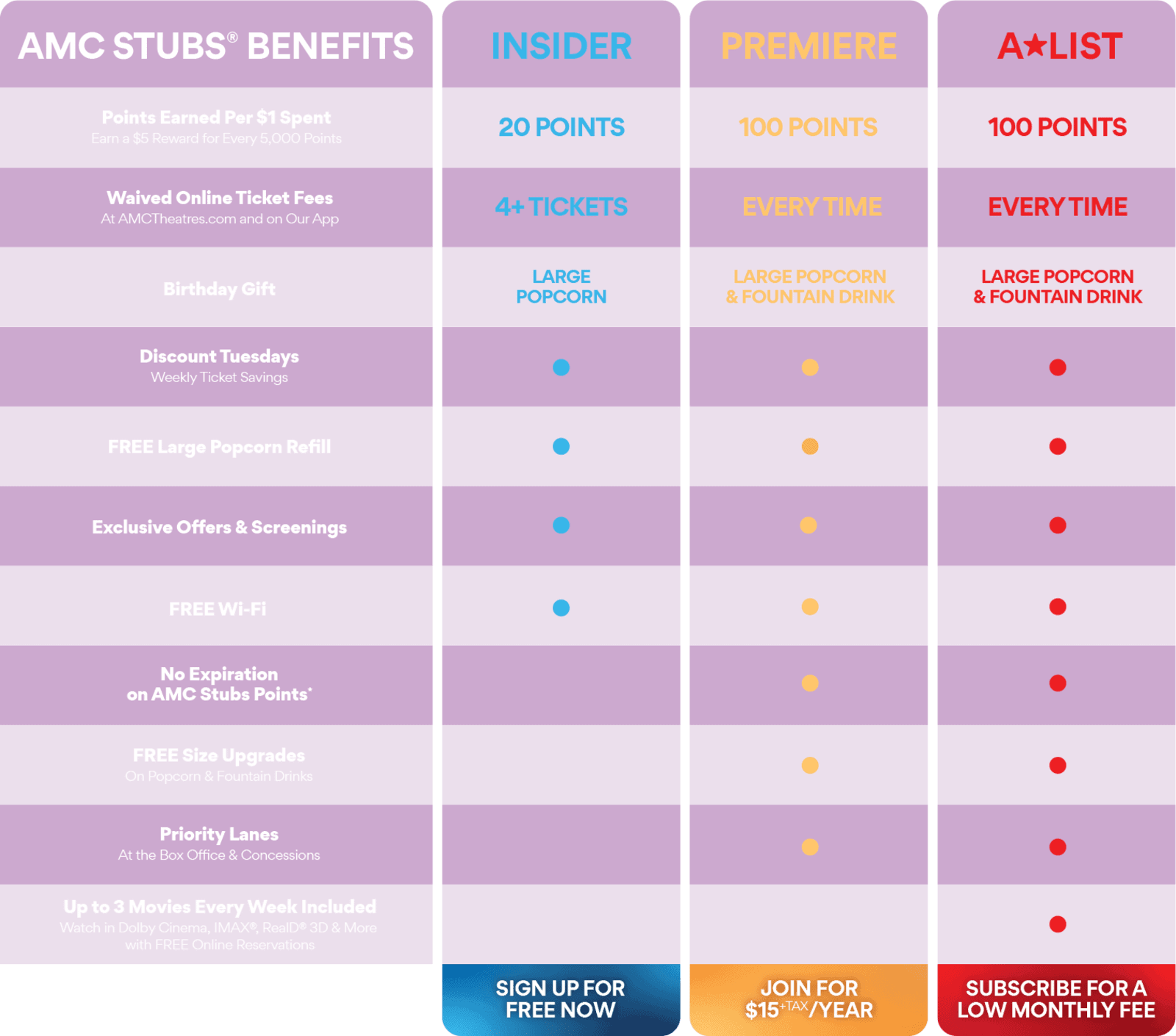
The AMC Stubs A-List program is a prime example of a recurring revenue model in the service industry. Depending on your geographic location, the cost ranges from roughly $19.95 to $24.95 per month. This allows members to see up to three movies per week in any format, including IMAX and Dolby Cinema.
From a cost-benefit analysis perspective, the “break-even” point for A-List is remarkably low. In major metropolitan areas like New York or Los Angeles, a single IMAX ticket can cost $22 or more. Therefore, seeing just one premium movie a month pays for the subscription. For the frequent moviegoer, the A-List program effectively reduces the ticket cost to pennies on the dollar, provided they maintain the monthly commitment.
Regional Pricing Variables and Premium Formats
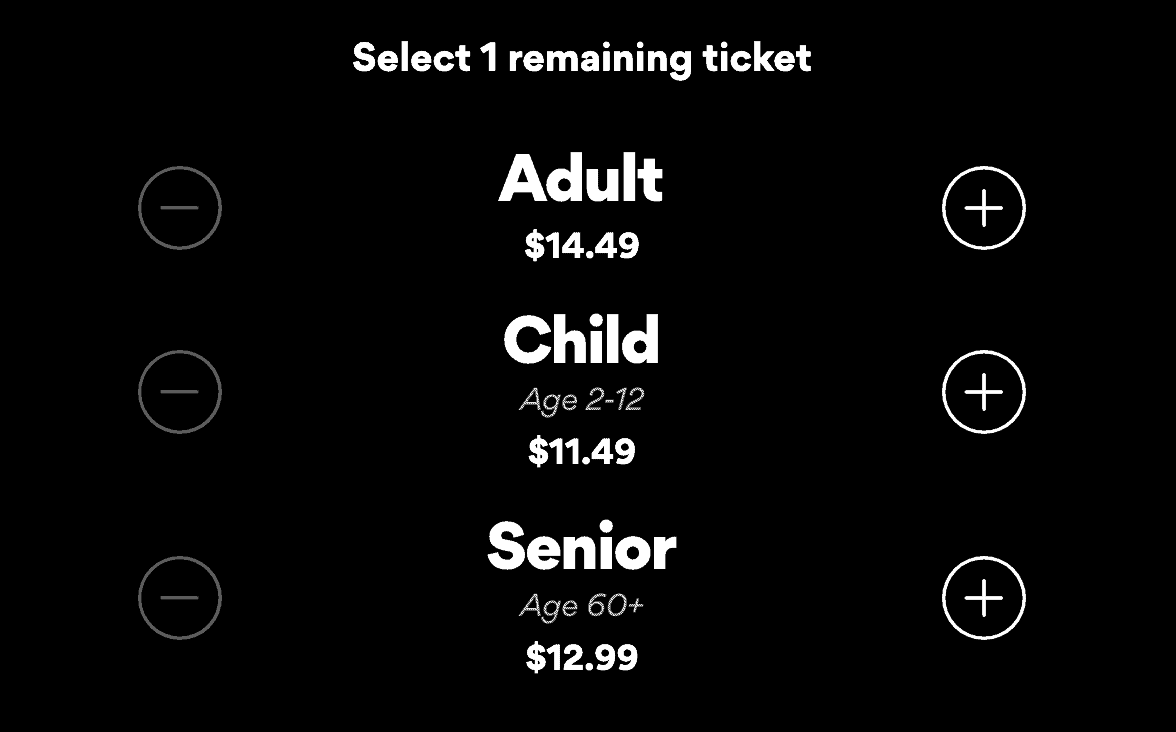
The nominal cost of an AMC ticket is not universal. The company utilizes dynamic pricing, where tickets on a Tuesday (Discount Tuesdays) may cost $6 to $8, while a Friday night screening of a blockbuster in a premium format can exceed $25. Furthermore, the “cost” of AMC often includes the high-margin concession stand. With profit margins on popcorn often exceeding 800%, the total cost of a night at AMC is frequently double the price of the ticket itself. Investors track these “per-patron” spending metrics closely, as they are often more indicative of the company’s financial health than raw attendance numbers.
Strategic Financial Planning: Managing Subscription Fatigue
In a world of infinite content, the strategic consumer must treat AMC as a variable expense rather than a fixed one. Balancing the cost of streaming, theater memberships, and stock volatility requires a disciplined approach to entertainment spending.
Comparing AMC+ to Competitors
When evaluating the $4.99–$8.99 price point, it is helpful to compare it to industry peers. Paramount+ and Peacock sit in a similar price bracket, offering a mix of library content and live events. However, AMC differentiates itself through high-prestige, “appointment” television. If a consumer’s financial goal is to minimize waste, they must determine if the specific “prestige” value of AMC content justifies the cost over a broader, high-volume service like Netflix.
Cost-Saving Strategies for Movie Enthusiasts
To minimize the cost of the AMC experience, financial experts recommend several tactics:
-
Utilize Discount Tuesdays: For those without A-List, Tuesday screenings offer the lowest entry point.
-
Credit Card Rewards: Many credit cards categorize AMC purchases under “Entertainment,” allowing for 3% to 5% cash back.
-
Gift Card Arbitrage: Purchasing AMC gift cards through secondary markets or at discount warehouses like Costco can shave 10% to 20% off the total cost of tickets and concessions.
The True Value of AMC in Today’s Economy
The question of how much AMC costs ultimately depends on where you sit in the financial ecosystem. As a streaming service, it is a budget-friendly addition for fans of high-quality drama. As a theater chain, it offers a subscription model that can provide immense value to frequent cinema-goers. As a stock, it remains a high-risk, high-reward play that requires deep financial literacy to navigate.
In a broader economic sense, the cost of AMC is a reflection of the “Experience Economy.” Consumers are increasingly willing to pay a premium for shared cultural moments, whether that is through a viral streaming hit or a theatrical event. By understanding the various pricing tiers, investment risks, and loyalty benefits, both consumers and investors can ensure that their spending on AMC aligns with their long-term financial goals. Whether you are paying $8.99 for a month of streaming or $2,000 for a block of shares, the key is to look beyond the sticker price and analyze the underlying value.
aViewFromTheCave is a participant in the Amazon Services LLC Associates Program, an affiliate advertising program designed to provide a means for sites to earn advertising fees by advertising and linking to Amazon.com. Amazon, the Amazon logo, AmazonSupply, and the AmazonSupply logo are trademarks of Amazon.com, Inc. or its affiliates. As an Amazon Associate we earn affiliate commissions from qualifying purchases.