
In an increasingly digital world, streaming services have become a cornerstone of modern entertainment. Among the titans of this industry, Amazon stands out, not just for its vast e-commerce empire but also for its extensive streaming offerings. However, navigating Amazon’s diverse content landscape and understanding its associated costs can feel like deciphering a complex financial spreadsheet. From Prime Video included with a broader membership to standalone subscriptions and premium add-ons, the question “how much does Amazon streaming cost?” demands a nuanced, financial breakdown. This article will meticulously explore the various Amazon streaming services, detail their costs, assess their financial value, and offer strategies for optimizing your entertainment budget.
Unpacking the Amazon Streaming Ecosystem: More Than Just Prime Video
To truly understand the cost of Amazon streaming, one must first appreciate the breadth of its digital entertainment ecosystem. It’s far more intricate than a single subscription model, comprising several distinct services that cater to different financial and entertainment needs.
Amazon Prime: The Foundation of Streaming Value
At the heart of Amazon’s streaming strategy is the Amazon Prime membership. While often perceived primarily for its expedited shipping benefits, Prime is an all-encompassing bundle that includes significant streaming perks. For many, the cost of Amazon streaming is intrinsically linked to the Prime membership fee because it unlocks a substantial library of movies and TV shows at no additional charge beyond the Prime subscription. This integrated approach makes Prime a pivotal consideration when evaluating streaming expenses. The value proposition here is crucial: you’re not just paying for video; you’re paying for an entire suite of services, making the per-feature cost potentially lower than standalone alternatives.
Prime Video’s Core Offerings: Included vs. Additional
The most recognized component of Amazon streaming is Prime Video. As mentioned, a significant portion of its content is included with an Amazon Prime membership. This encompasses thousands of movies, TV series, and Amazon Originals – critically acclaimed productions like “The Lord of the Rings: The Rings of Power,” “The Boys,” and “Fleabag.” For Prime members, this vast library represents a substantial return on their membership investment.
However, Prime Video also serves as a gateway to content that incurs additional costs. This includes:
-
Rentals: Recently released movies or new episodes of current TV series can often be rented for a fixed period (typically 48 hours once playback begins). This is a pay-per-view model, ideal for one-off watch experiences.
-
Purchases: Digital copies of movies and TV show seasons can be bought outright, granting permanent access. This is a higher upfront cost but eliminates future rental fees for that specific title.
-
Prime Video Channels: This is where the costs can multiply rapidly. Amazon allows users to subscribe to dozens of premium third-party channels directly through Prime Video, such as HBO Max, Showtime, Paramount+, Starz, and AMC+. Each channel carries its own separate monthly fee, effectively bundling multiple streaming services under one Amazon bill.
Understanding this distinction – between what’s “included” and what’s “additional” – is fundamental to accurately budgeting for Amazon streaming.
Beyond Prime: The Wider Amazon Entertainment Landscape
While Prime Video is central, Amazon’s streaming presence extends further, touching various aspects of digital entertainment that users might inadvertently (or intentionally) factor into their streaming budget. These include:
-
Amazon Music: This platform offers various tiers, from a free ad-supported version for Prime members to Amazon Music Unlimited, a premium subscription service with millions of songs, ad-free listening, and offline downloads.
-
Amazon Kids+: Formerly FreeTime Unlimited, this subscription service provides a curated collection of child-friendly books, movies, TV shows, educational apps, and games. It’s designed to be a safe digital environment for children.
-
Audible: While primarily an audiobook service, its integration with Amazon and its digital content sphere means some users might consider its subscription fees within their broader Amazon entertainment spending.
Each of these services carries its own price tag and caters to specific user needs, making a holistic view of Amazon’s offerings essential for a comprehensive financial assessment.
Deconstructing the Costs: A Subscription-by-Subscription Analysis
To provide a clear financial picture, let’s break down the typical costs associated with Amazon’s various streaming components. Prices are approximate and subject to change based on region and Amazon’s promotional offers.
Amazon Prime Membership: What You Get for Your Money
The foundational cost for much of Amazon’s streaming benefits is the Prime membership.
-
Monthly Subscription: Typically around $14.99 per month.
-
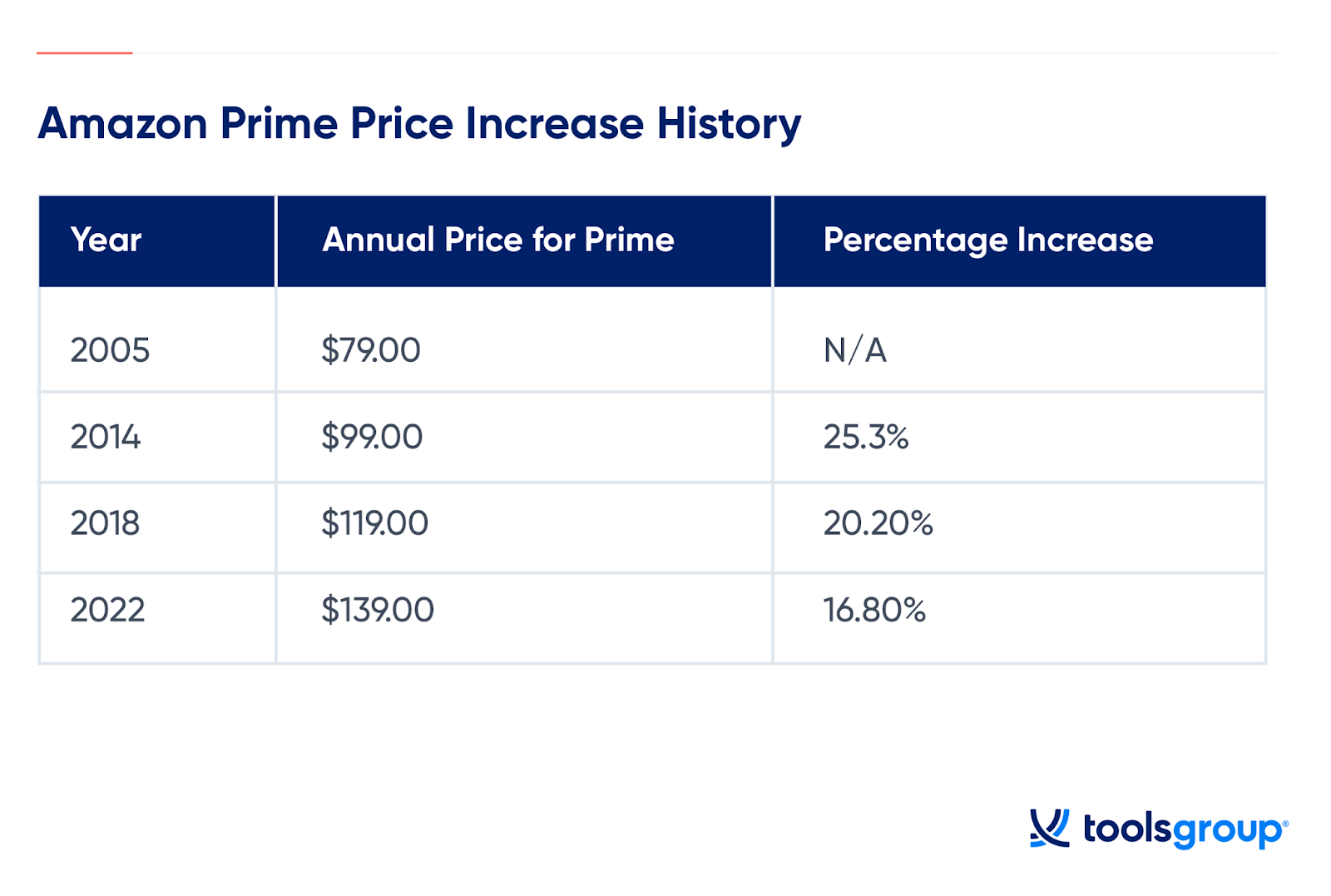
Annual Subscription: A more economical option, often around $139 per year, saving approximately $40 compared to monthly payments over a year.
-
Student Discount: Eligible college students can often subscribe to Prime for a reduced monthly or annual fee, sometimes with an extended free trial.
-
Government Assistance Discount: Individuals receiving certain government benefits may also qualify for a reduced monthly rate.
For this fee, subscribers gain access to Prime Video’s included library, Prime Music (a limited ad-free catalog), Twitch Prime, Prime Reading, and, of course, the signature fast, free shipping on eligible items.
Standalone Prime Video: An Alternative for Stream-Only Users
Recognizing that some users might only be interested in the video content without the other Prime perks, Amazon offers a standalone Prime Video subscription.
- Monthly Subscription: Typically around $8.99 per month.
This option provides access solely to the Prime Video library, excluding shipping benefits, Prime Music, and other Prime extras. It can be a financially savvy choice for those who are exclusively interested in Amazon’s video content and don’t regularly shop on Amazon or use its other services.
Amazon Music Unlimited: Elevating Your Audio Experience
For music enthusiasts, Amazon Music Unlimited offers a premium listening experience.
-
Individual Plan (Non-Prime): Around $10.99 per month.
-
Individual Plan (Prime Member): A discounted rate, typically around $9.99 per month.
-
Family Plan: Covers up to six accounts for a higher monthly fee, often around $16.99.
-
Single Device Plan: A highly economical option for using Music Unlimited on a single Echo device, usually around $4.99 per month.
This service provides millions of songs, ad-free, with unlimited skips and offline playback.
Amazon Kids+: Curated Content for Younger Viewers
Families looking for a safe and extensive library of children’s content might consider Amazon Kids+.
-
Monthly Plan (Non-Prime): Around $7.99 per month.
-
Monthly Plan (Prime Member): A discounted rate, often around $4.99 per month.
-
Annual Plan (Prime Member): Around $48 per year, offering further savings.
This subscription provides thousands of age-appropriate books, videos, games, and educational apps, making it a valuable resource for parents.
Channel Subscriptions: Expanding Your Entertainment Horizon
The costs associated with Prime Video Channels are entirely additive and depend on user choices. Each channel operates as a separate monthly subscription.
-
HBO Max: Typically around $15.99 per month.
-
Showtime: Around $10.99 per month.
-
Paramount+: Plans vary, from around $5.99 (with ads) to $11.99 (ad-free) per month.
-
Starz: Around $9.99 per month.
-
AMC+: Around $8.99 per month.
There are dozens more, with individual pricing structures. These channels allow users to consolidate billing through Amazon, but they represent significant additional financial commitments on top of a Prime or standalone Prime Video subscription.
The Financial Value Proposition: Is Amazon Streaming Worth the Investment?

With a clear understanding of the costs, the critical question for any financially savvy consumer is: Is it worth it? Evaluating the value proposition of Amazon streaming involves comparing it to competitors, assessing the benefits of bundling, and identifying potential hidden costs or savings.
Comparing Costs to Competitors
When evaluating the financial viability of Amazon’s streaming services, it’s essential to benchmark against key competitors.
-
Netflix: Offers various tiers, typically starting around $6.99 (with ads) to $22.99 per month (premium ad-free).
-
Disney+: Around $7.99 (with ads) to $10.99 (ad-free) per month, often bundled with Hulu and ESPN+.
-
Hulu: Plans range from around $7.99 (with ads) to $14.99 (ad-free) per month, with live TV options at a higher cost.
-
Max (formerly HBO Max): Starts around $9.99 (with ads) to $15.99 (ad-free) per month.
Amazon Prime Video’s included content, when considered as part of the broader Prime membership, often presents a strong financial argument, especially if you heavily utilize Prime’s other benefits. A standalone Prime Video subscription at $8.99/month is competitive with entry-level offerings from many rivals, often providing a broader catalog than some more niche services.
Evaluating the Bundle Advantage of Amazon Prime
The true financial allure of Amazon Prime for many lies in its bundling. If a user regularly orders items requiring shipping, values the ad-free music, or enjoys other Prime benefits, then the inclusion of Prime Video essentially comes as a “bonus” or at a significantly reduced perceived cost.
-
Cost-Benefit Analysis: If you save, for example, $50 annually on shipping fees, and enjoy hundreds of hours of video content, the effective cost of Prime Video within the Prime membership might be minimal or even negative from a pure savings perspective.
-
Consolidation: Having multiple services under one Prime umbrella can simplify billing and manage subscriptions, which, while not a direct financial saving, can contribute to peace of mind and efficient budgeting.
Hidden Costs and Potential Savings: Rentals, Purchases, and Ad-Free Options
While subscriptions are straightforward, Amazon also presents other financial considerations:
-
Rentals & Purchases: These one-off costs can add up quickly. A new movie rental might be $5.99, and a full season purchase could be $19.99-$34.99. While offering choice, these need to be budgeted for separately.
-
Ad-Free Options: Unlike some competitors that offer cheaper ad-supported tiers, Prime Video is generally ad-free for its included content. However, some Prime Video Channels might have ad-supported tiers if subscribed directly through their own platforms, so it’s essential to check channel specifics. Amazon has recently introduced an ad-supported tier for Prime Video, with an additional fee to remove ads, similar to other services. This is a new development that impacts the financial assessment.
Optimizing Your Amazon Streaming Budget: Tips for Savvy Consumers
Managing entertainment expenses is a key part of personal finance. For Amazon streaming, several strategies can help you maximize value and minimize unnecessary spending.
Leveraging Free Trials Effectively
Most Amazon streaming services and Prime Video Channels offer free trial periods (typically 7 or 30 days).
-
Strategic Use: Sign up for trials when you have dedicated time to binge-watch specific content or evaluate a service thoroughly.
-
Calendar Reminders: Always set a calendar reminder a few days before the trial ends to decide whether to continue the subscription or cancel it before being charged. This prevents inadvertent charges.
Sharing Prime Benefits: Family Plans and Household Sharing
Amazon allows Prime members to share certain benefits with another adult in their household through Amazon Household.
-
Cost Splitting: This enables two adults to share Prime shipping, Prime Video, Prime Reading, and other benefits without requiring two separate Prime memberships. It’s a significant money-saver for couples or roommates.
-
Children’s Profiles: Up to four teenagers and four children can also be added, with customizable access to content and purchasing permissions.
Monitoring Your Subscriptions: Avoiding Unnecessary Expenses
The ease of adding Prime Video Channels can lead to “subscription fatigue” and forgotten monthly charges.
-
Regular Audits: Periodically review your “Memberships & Subscriptions” page on Amazon to ensure you’re only paying for services you actively use. Cancel dormant channels immediately.
-
Bundle Awareness: If you subscribe to a channel directly and also through Amazon, ensure you’re not double-paying.
Annual vs. Monthly Billing: Where Can You Save?
For core Amazon Prime membership and Amazon Kids+, paying annually almost always results in a lower overall cost than paying month-to-month.
- Commitment vs. Flexibility: While annual payments require a larger upfront sum, the savings can be substantial over 12 months. Assess your long-term usage before committing. Monthly payments offer greater flexibility to cancel at any time.
Student and Government Assistance Discounts
As mentioned, Amazon offers reduced Prime membership rates for eligible students and recipients of government assistance programs.
- Verify Eligibility: If you or someone in your household qualifies, ensure you apply for these discounts to significantly lower your annual or monthly Prime cost. This can translate to substantial savings on your overall streaming expenses.
The Long-Term Financial Impact of Streaming Services
While individually affordable, the cumulative cost of multiple streaming subscriptions can represent a significant drain on personal finances over time. Amazon’s diverse offerings, especially with the addition of numerous channels, make this a particularly relevant concern.
The Cumulative Cost of Multiple Subscriptions
Consider a scenario: a Prime membership ($139/year), plus a standalone Prime Video subscription for a non-Prime household member ($8.99/month), Amazon Music Unlimited ($9.99/month), and two Prime Video Channels (e.g., HBO Max at $15.99/month and Showtime at $10.99/month).
-
Annual Cost Example:
-
Prime: $139
-
Prime Video Standalone: $107.88
-
Music Unlimited: $119.88
-
HBO Max: $191.88
-
Showtime: $131.88
-
Total Annual Cost: $690.52 (and this doesn’t include rentals/purchases or other services like Kids+).
-
This illustrative example highlights how rapidly costs can escalate, turning seemingly small monthly fees into substantial annual expenses.
Budgeting for Entertainment: A Holistic Approach
Effective financial management requires integrating streaming costs into a broader household budget.
-
Allocate a “Fun” Budget: Designate a specific monthly or annual amount for entertainment, including all streaming services, movie tickets, games, and other leisure activities.
-
Prioritize Value: Regularly question which services truly provide the most enjoyment and value for their cost. Are you using every subscription you pay for? Is one service duplicating content available elsewhere?
Reassessing Your Entertainment Needs Periodically
Consumer needs and content availability evolve. What was a must-have service last year might be less relevant today.
-
Seasonal Subscriptions: Consider a “rotational” strategy where you subscribe to certain channels or services for a few months to catch specific shows, then cancel and subscribe to another when new content arrives. This is particularly effective for channels with distinct seasonal programming.
-
Content Library Focus: If you’ve exhausted the content on one service, pause or cancel it and explore another, rather than paying for access to content you’ve already consumed.
In conclusion, understanding “how much Amazon streaming costs” is not a simple calculation. It involves dissecting the value of a comprehensive Prime membership, differentiating between included and additional video content, and accounting for a multitude of supplementary services. By meticulously analyzing each component, leveraging available discounts, and proactively managing subscriptions, consumers can ensure their Amazon streaming experience remains financially sound and perfectly aligned with their entertainment budget.
aViewFromTheCave is a participant in the Amazon Services LLC Associates Program, an affiliate advertising program designed to provide a means for sites to earn advertising fees by advertising and linking to Amazon.com. Amazon, the Amazon logo, AmazonSupply, and the AmazonSupply logo are trademarks of Amazon.com, Inc. or its affiliates. As an Amazon Associate we earn affiliate commissions from qualifying purchases.