
For any modern investor, the question of “how much Amazon stock costs” is one that requires both a glance at a real-time ticker and a deep dive into the fundamental valuation of one of the world’s most influential corporations. Amazon.com, Inc. (ticker: AMZN) has evolved from a niche online bookseller into a global conglomerate spanning e-commerce, cloud computing, digital streaming, and artificial intelligence. Because the stock price fluctuates every second during market hours, understanding the “cost” involves looking past the raw number to understand market capitalization, historical splits, and the intrinsic value of the company’s diverse business segments.

Understanding the Current Market Price and Volatility
The sticker price of a single share of Amazon stock is a dynamic figure, influenced by millions of trades occurring daily on the NASDAQ exchange. To find the exact cost at any given moment, investors look at the “last price,” which represents the most recent transaction. However, for those looking to buy or sell, the “bid” and “ask” prices are equally important. The bid is the maximum price a buyer is willing to pay, while the ask is the minimum price a seller is willing to accept.
The Role of Market Volatility
Amazon is classified as a “growth stock,” meaning it is often more volatile than blue-chip stocks in stable industries like utilities or consumer staples. The cost of the stock can shift significantly based on quarterly earnings reports, shifts in consumer spending habits, and macroeconomic data such as inflation rates or Federal Reserve interest rate decisions. For an investor, the “cost” is not just the capital required to purchase a share today, but the potential opportunity cost of holding the asset through periods of high volatility.
Market Capitalization vs. Share Price
It is a common misconception among novice investors that a lower share price means a company is “cheaper.” In reality, the cost of the entire company—its market capitalization—is the more accurate metric of its value. Market cap is calculated by multiplying the current share price by the total number of outstanding shares. Amazon consistently ranks as one of the few companies in the world with a market capitalization exceeding $1 trillion. Therefore, while a single share might cost a few hundred dollars, you are buying a piece of a multi-trillion-dollar empire.
The 20-for-1 Stock Split: Making AMZN Accessible
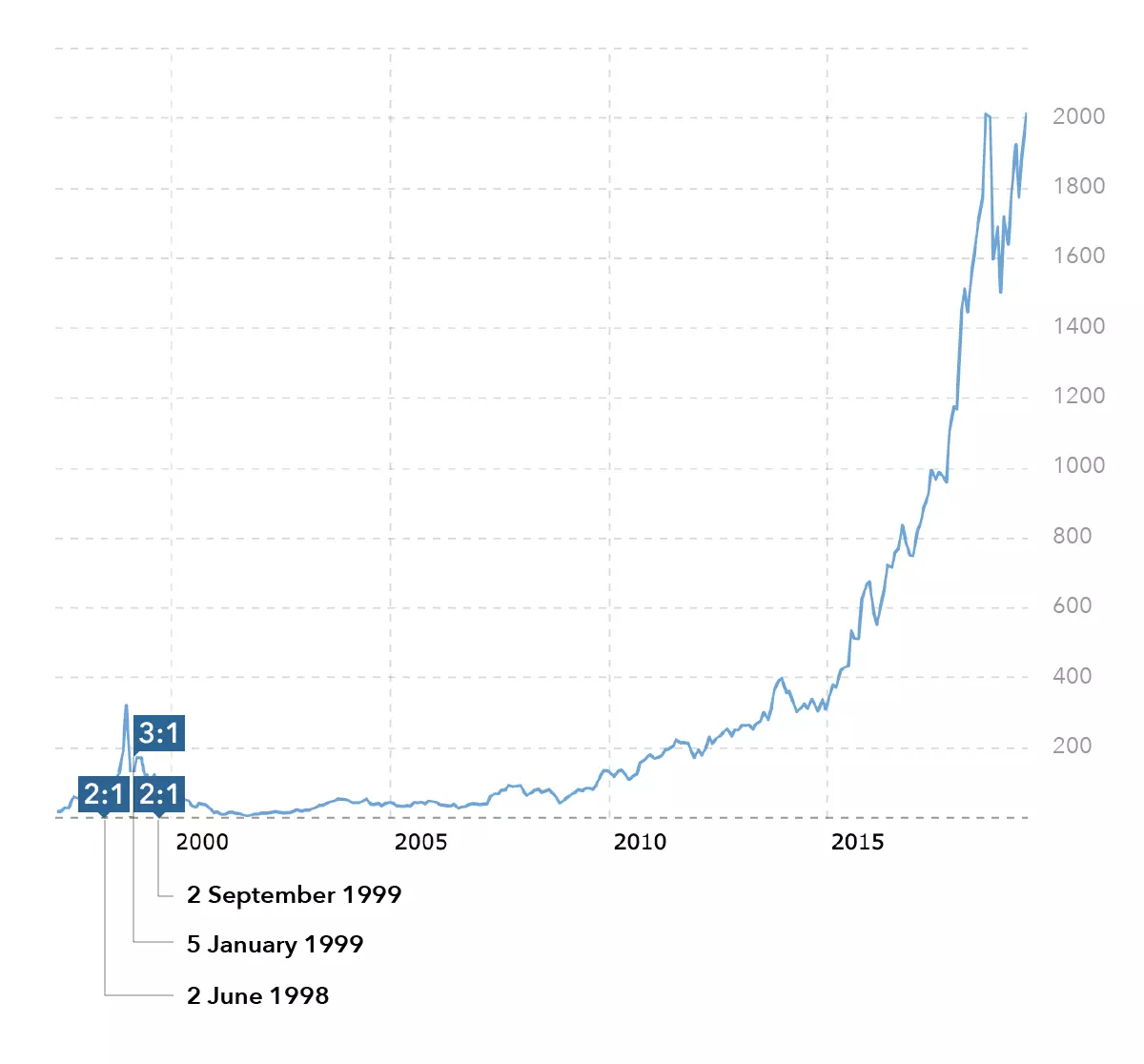
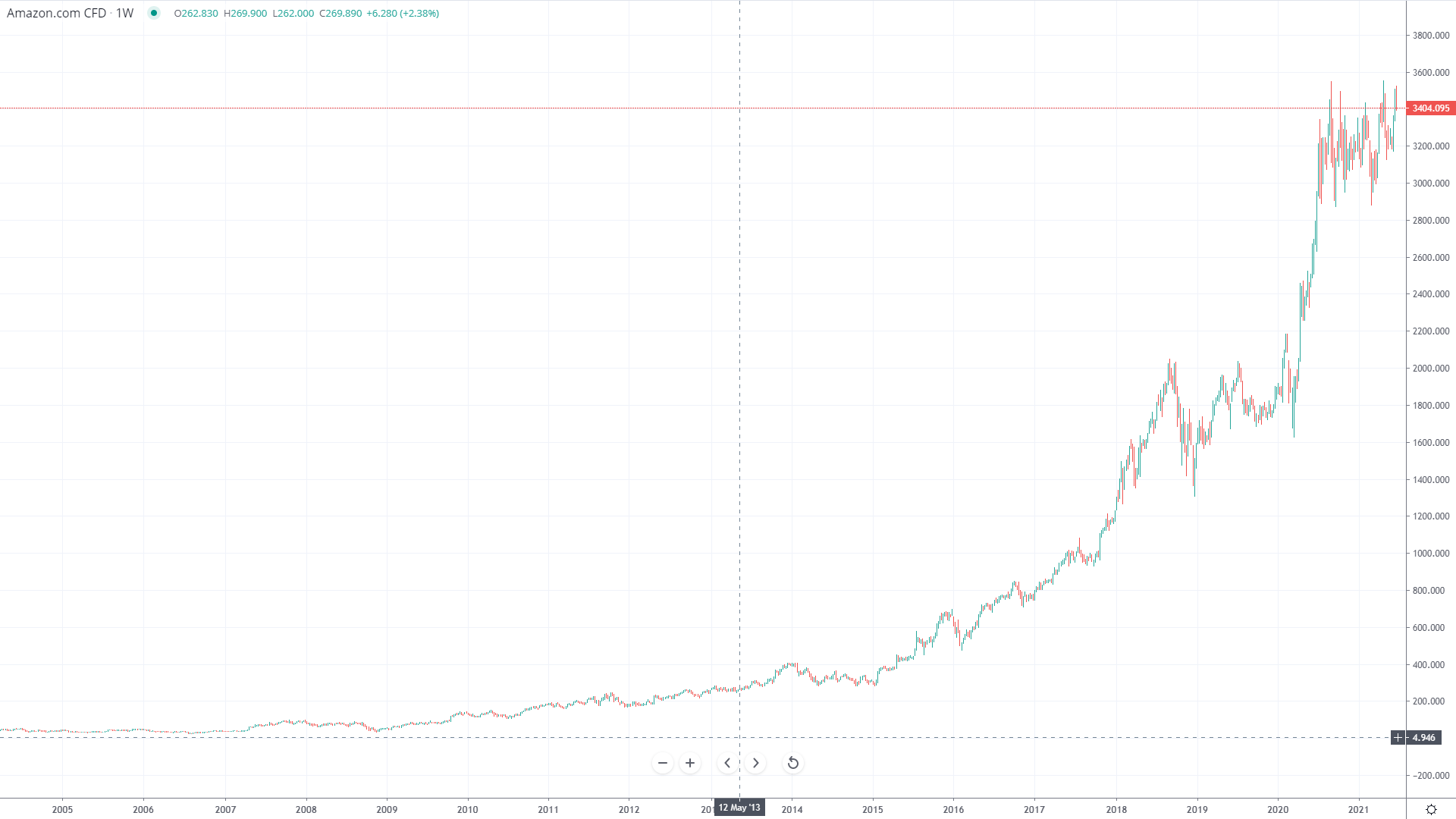
One of the most significant events in the recent history of Amazon’s stock price occurred in June 2022. Prior to this, a single share of Amazon cost upwards of $3,000, making it difficult for many retail investors to purchase whole shares without significant capital.
Why the Split Happened
Amazon executed a 20-for-1 stock split to increase liquidity and make the stock more accessible to a broader range of investors. In a 20-for-1 split, if you owned one share worth $3,000, you suddenly owned 20 shares worth $150 each. While the total value of your investment remained the same, the lower price per share lowered the barrier to entry for individual investors and made it easier for the company to offer stock-based compensation to its employees.
The Psychology of the Price Tag
Lowering the nominal share price often results in increased trading volume. Psychologically, investors are more likely to buy “round lots” (groups of 100 shares) when the price is $150 compared to when it is $3,000. This move by Amazon followed similar actions by other tech giants like Apple and Alphabet, signaling a trend toward catering to the growing demographic of retail traders using fee-free brokerage apps.
Fundamental Drivers: What Determines the Value of Amazon?
To understand if the current cost of Amazon stock is a “good deal,” an investor must look at the engines that drive its revenue. Amazon is no longer just a retail company; it is a technology and infrastructure powerhouse.
Amazon Web Services (AWS)
AWS is arguably the most critical component of Amazon’s valuation. As the world’s leading cloud service provider, AWS offers high-margin recurring revenue that subsidizes the lower-margin retail business. When investors analyze the cost of AMZN, they are often paying a premium for the dominance of AWS in the cloud infrastructure market. The growth of artificial intelligence (AI) has further boosted the value of AWS, as companies require massive computing power to train and deploy AI models.
E-commerce and Logistics Infrastructure
The core retail business remains the most visible part of the company. Amazon’s “moat”—a competitive advantage that protects it from rivals—is its unparalleled logistics network. The cost of building a global system of fulfillment centers and delivery fleets is a barrier that few competitors can overcome. Investors value Amazon based on its ability to increase “Prime” memberships and capture a larger share of global household spending.
Advertising and Services
A relatively new but explosive driver of Amazon’s stock value is its digital advertising business. By leveraging its vast amounts of consumer data, Amazon has become the third-largest digital ad platform in the world, trailing only Google and Meta. Because advertising carries much higher profit margins than selling physical goods, this segment has a disproportionate impact on the company’s bottom line and, consequently, its stock price.
Valuation Metrics: Analyzing the Price-to-Earnings Ratio
When professional analysts discuss how much Amazon stock costs, they often refer to the Price-to-Earnings (P/E) ratio. This metric compares the stock price to the company’s earnings per share (EPS).
The High P/E Tradition
Historically, Amazon has traded at a much higher P/E ratio than the average S&P 500 company. For decades, founder Jeff Bezos prioritized reinvesting every dollar of profit back into the company to fuel growth rather than showing high net income. As a result, the “cost” of the stock often looked expensive on paper. However, investors were willing to pay this premium because of the company’s compounding long-term growth.
Price-to-Sales and Cash Flow
Because Amazon’s net income can be distorted by heavy reinvestment and accounting for its various subsidiaries (like its stake in Rivian), many investors prefer to look at Price-to-Sales (P/S) or Free Cash Flow (FCF). These metrics provide a clearer picture of how much cash the business generates. If the stock price is low relative to its free cash flow, it may be considered “undervalued,” regardless of what the nominal ticker price says.
Practical Considerations for Buying Amazon Stock
If you have determined that the current cost of Amazon stock fits your investment strategy, there are several practical ways to enter the market.
Fractional Shares
Most modern brokerages now offer fractional shares. This means if Amazon is trading at $180 per share, but you only have $50 to invest, you can buy 0.27 shares. This has revolutionized the concept of “cost,” as the nominal share price is no longer a barrier to owning a piece of the company. You can invest based on your budget rather than the market’s pricing.
Dollar-Cost Averaging (DCA)
Given the volatility of tech stocks, many investors use a dollar-cost averaging strategy. Instead of trying to time the market to get the “lowest” cost, you invest a fixed amount of money at regular intervals (e.g., $200 every month). This strategy helps mitigate the risk of buying at a temporary peak and lowers the average cost of your shares over time.
The Impact of Fees and Taxes
While many brokers offer zero-commission trades, the “total cost” of owning Amazon stock includes potential taxes. If you buy the stock and sell it for a profit in less than a year, you will be subject to short-term capital gains taxes, which are typically higher than long-term rates. Understanding these fiscal implications is essential for calculating your true return on investment.
The Long-Term Outlook: Is the Price Justified?
Investing in Amazon is a bet on the continued digitization of the global economy. As you evaluate the cost today, you must consider the long-term headwinds and tailwinds.
On the positive side, Amazon is perfectly positioned to benefit from the AI revolution through its chips and cloud services. Its expansion into healthcare (Amazon Clinic and One Medical) and satellite internet (Project Kuiper) represents multi-billion dollar opportunities for future growth.
On the risk side, Amazon faces constant regulatory scrutiny. Antitrust lawsuits in the United States and Europe could potentially lead to the company being forced to spin off certain segments, such as AWS. While a breakup might actually unlock value for shareholders, it introduces a layer of uncertainty that can depress the stock price in the short term.
In conclusion, the cost of Amazon stock is a reflection of the market’s collective confidence in its ability to dominate the future of commerce and technology. Whether the price is $100 or $200, the savvy investor looks beyond the number to the machine behind it. By understanding the balance between its high-margin cloud business and its capital-intensive retail operations, you can make an informed decision on whether the current price represents a fair entry point for your financial portfolio.
aViewFromTheCave is a participant in the Amazon Services LLC Associates Program, an affiliate advertising program designed to provide a means for sites to earn advertising fees by advertising and linking to Amazon.com. Amazon, the Amazon logo, AmazonSupply, and the AmazonSupply logo are trademarks of Amazon.com, Inc. or its affiliates. As an Amazon Associate we earn affiliate commissions from qualifying purchases.