
In the modern landscape of personal finance, the subscription model has transformed from a niche convenience into a major budgetary line item. Among these, Amazon Prime stands as arguably the most pervasive service in the global consumer market. For many households, the question is no longer whether they should have a Prime membership, but rather how to justify the escalating cost within a disciplined financial plan. As of 2024, the standard price for an Amazon Prime membership in the United States is $139 per year or $14.99 per month. While these figures may seem straightforward, a professional financial analysis requires looking beyond the sticker price to evaluate the true return on investment (ROI), the opportunity costs, and the strategic utility of the service.
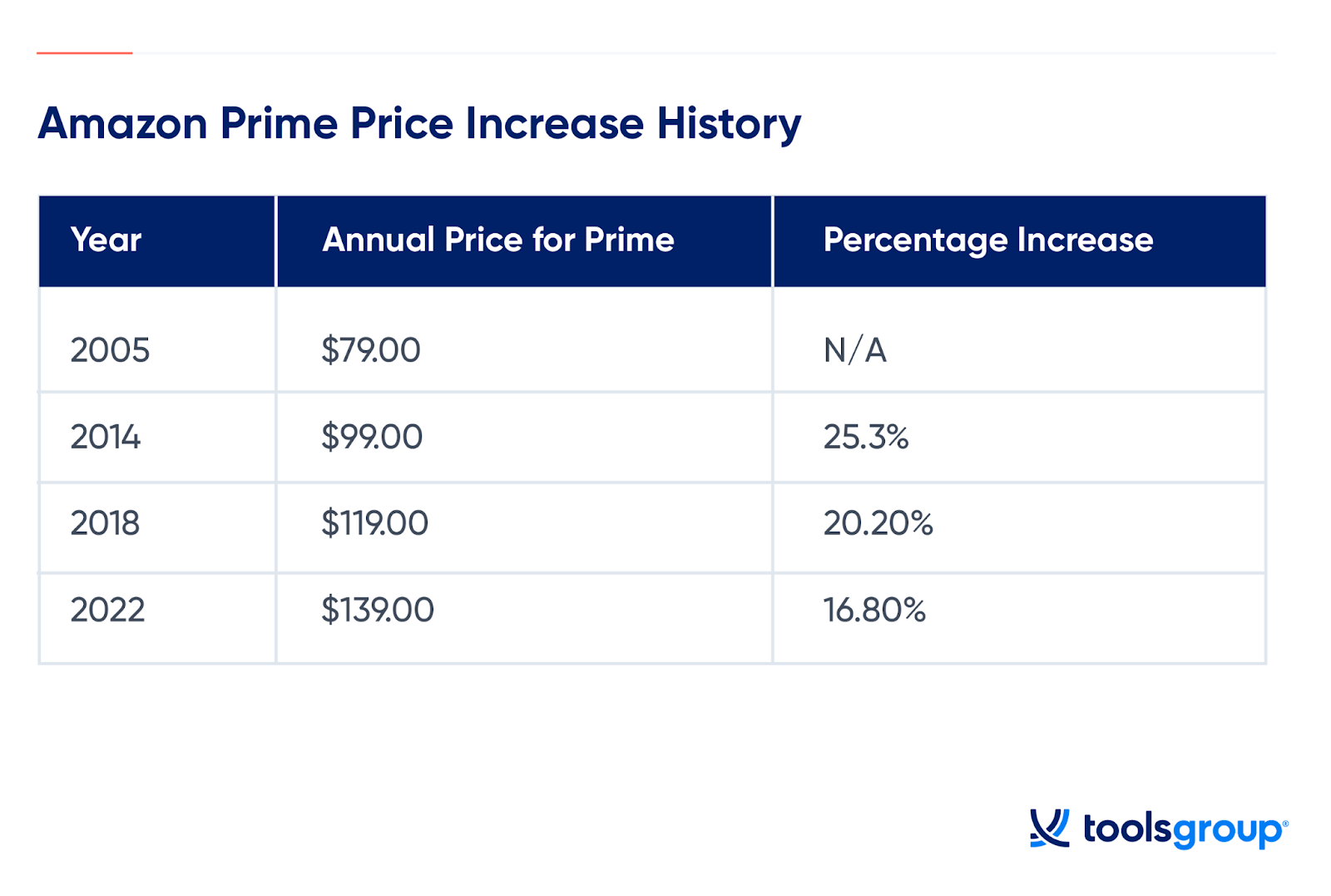
The Tiered Pricing Structure and Immediate Outlays
To manage a household budget effectively, one must first understand the various entry points for Amazon Prime. The company has moved away from a “one size fits all” model to capture different demographic segments through tiered pricing.
Standard Annual vs. Monthly Subscriptions
The most common choice for consumers is the standard membership. At $139 annually, the effective monthly cost is approximately $11.58. Conversely, the month-to-month option at $14.99 totals $179.88 over a full year. From a personal finance perspective, the annual commitment offers a nearly 23% discount. For those who are certain they will use the service year-round, the annual payment is the mathematically superior choice, freeing up roughly $40 in annual cash flow that can be redirected toward savings or other liabilities.
Prime Student: A Targeted Financial Lever
Amazon offers a significant discount for students currently enrolled in higher education. Prime Student begins with a six-month trial at no cost, followed by a membership priced at $69 per year or $7.49 per month. This 50% discount is a strategic move to build brand loyalty among a demographic with high future lifetime value, but for the student, it represents a high-utility tool for reducing the cost of textbooks, dorm supplies, and essential groceries during a period of life often defined by limited income.
Qualified Government Assistance Pricing
In an effort to remain accessible to lower-income households, Amazon provides a discounted rate for individuals receiving certain government assistance, such as SNAP (Supplemental Nutrition Assistance Program) or Medicaid. This tier costs $6.99 per month. For a budget-conscious family relying on these programs, the reduced rate allows them to access bulk pricing and delivery services that might otherwise be logistically difficult or more expensive at local retail outlets.
The Cost-Benefit Analysis: Calculating Your Personal ROI
A membership fee is only “expensive” if the value derived from it is less than the cost of the subscription. To determine if the $139 annual fee is a sound investment, a consumer must perform a rigorous cost-benefit analysis based on their specific spending habits.
Logistics and Shipping Savings
The foundational value of Prime is free two-day, one-day, or same-day shipping. Without Prime, standard shipping rates on Amazon typically range from $3.99 to $9.99 depending on the item’s size and weight. To reach the “break-even” point on shipping alone, a standard member would need to place roughly 14 to 20 orders per year. If a household averages two orders per month, they are effectively paying less than $6 per delivery via the annual membership—a significant saving compared to individual shipping fees or the fuel and time costs associated with physical retail trips.
Valuation of Digital Ecosystem Services
Prime is not merely a logistics service; it is a bundled media conglomerate. To assess the financial value, one must compare its components to standalone competitors:
-
Prime Video: Comparable to a standard Netflix or Hulu plan (valued at $10–$15/month).
-
Amazon Music Prime: Comparable to a basic Spotify or Pandora subscription (valued at $5–$10/month).
-
Prime Reading and Gaming: Provides access to rotating libraries of ebooks and digital content that would otherwise require individual purchases.
If a consumer cancels a $15/month Netflix subscription because Prime Video satisfies their entertainment needs, the membership has not only paid for itself but has actually generated a net surplus of $41 per year in the household budget.
Grocery and Pharmacy Integration
The inclusion of Whole Foods Market discounts and Amazon Pharmacy benefits adds another layer of financial utility. For those who shop at Whole Foods, the “extra 10% off sale items” can lead to substantial monthly savings on high-quality perishables. Furthermore, the RxPass program—allowing Prime members to get unlimited eligible generic medications for $5 a month—can drastically reduce healthcare out-of-pocket expenses for those with chronic conditions.
The Behavioral Finance Factor: Is Prime a Hidden Tax?
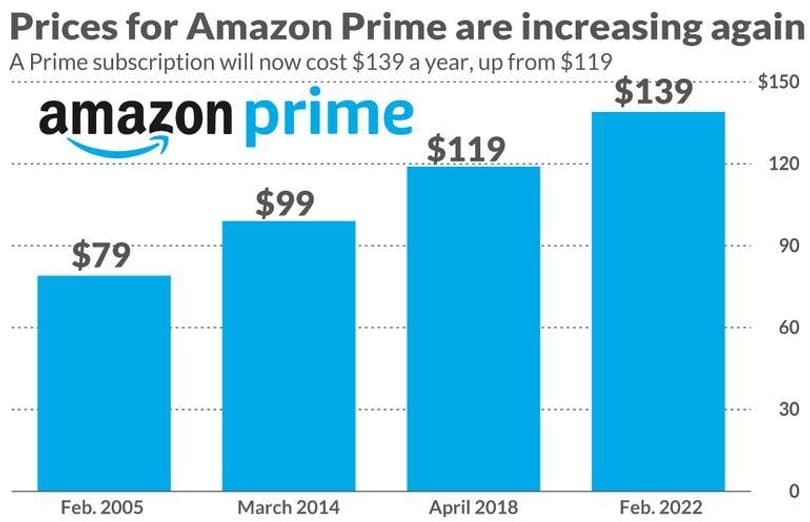
While the direct costs and benefits are easy to tabulate, the indirect financial impact of Amazon Prime is often more complex. Professional financial planning requires an examination of how “frictionless” commerce affects spending behavior.
The Ease of Impulse Spending
The primary goal of Prime’s logistics network is to remove friction. Features like “Buy Now” and one-day delivery cater to immediate gratification. From a behavioral finance perspective, the $139 membership fee can act as a “sunk cost.” Once a consumer has paid for the membership, they may feel a psychological pressure to use it as much as possible to “get their money’s worth.” This often leads to increased impulse purchases of non-essential items, which can erode a household’s monthly savings rate.
Subscription Fatigue and Automated Renewals
One of the most common pitfalls in personal finance is the “invisible leak”—subscriptions that renew automatically without the user’s conscious approval. Amazon Prime utilizes an auto-renewal system that can catch consumers off guard if they are not tracking their annual expenses. To mitigate this, savvy financial managers should treat the Prime renewal date as a fixed annual event, reviewing their usage data for the previous 12 months before allowing the charge to process.
Strategic Strategies to Offset the Membership Cost
For those who view the $139 fee as a necessary but burdensome expense, there are several professional strategies to neutralize or even profit from the cost.
Leveraging the Prime Visa Credit Card
One of the most effective ways to recoup the membership cost is through the Amazon Prime Visa card. This card offers 5% back on all Amazon.com and Whole Foods Market purchases. For a household that spends $2,800 annually on Amazon (including groceries, household essentials, and gifts), the 5% cash back equals exactly $140—effectively making the Prime membership free. For spending above that threshold, the membership becomes a profit-generating tool.
Amazon Household: Splitting the Cost
Amazon allows “Amazon Household,” which enables two adults to share Prime benefits while keeping their individual accounts and payment methods separate. Financially, this allows two roommates or partners to split the $139 annual fee, reducing the individual burden to $69.50. This is one of the most underutilized strategies for optimizing the cost-to-utility ratio of the service.
“No-Rush” Shipping Rewards
For non-urgent purchases, Prime members can often opt for “No-Rush” shipping in exchange for digital credits. These credits can be applied toward Kindle books, Prime Video rentals, or even grocery orders. Over the course of a year, a patient shopper can accumulate $30 to $50 in credits, further subsidizing the annual fee.
Comparative Market Analysis: Prime vs. The Competition
In a competitive market, no financial decision should be made in a vacuum. Consumers must weigh Amazon Prime against burgeoning alternatives like Walmart+ and Costco.
Walmart+ and the Grocery Fight
Walmart+ is priced at $98 per year, notably lower than Amazon Prime. While its digital media library (via Paramount+) is arguably less robust than Prime Video, its grocery delivery and fuel discounts (up to 10 cents off per gallon) may offer a higher ROI for suburban or rural families who drive frequently and prioritize low-cost grocery staples over specialty goods.
The Costco Wholesale Model
Costco’s Gold Star membership is $65 per year ($130 for Executive). While Costco requires physical travel, its per-unit pricing on bulk goods often beats Amazon’s. A sophisticated financial strategy might involve using a Costco membership for monthly bulk hauls and a Prime membership for niche items, specialized electronics, and digital entertainment.

Final Financial Outlook
Determining the cost of an Amazon Prime membership requires a dual-lens approach: the literal price and the functional value. At $139 per year, it is no longer a “no-brainer” for every budget. However, for the consumer who leverages the 5% cash-back rewards, utilizes the digital streaming services to replace other subscriptions, and shares the account through Amazon Household, the membership becomes an efficient financial engine.
Ultimately, the cost of Amazon Prime is a reflection of the user’s discipline. If the service is used to streamline essential shopping and reduce entertainment expenses, it is a high-yield asset. If it serves merely as a gateway for unchecked impulse spending, the $139 fee is only the beginning of its true cost to your financial health.
aViewFromTheCave is a participant in the Amazon Services LLC Associates Program, an affiliate advertising program designed to provide a means for sites to earn advertising fees by advertising and linking to Amazon.com. Amazon, the Amazon logo, AmazonSupply, and the AmazonSupply logo are trademarks of Amazon.com, Inc. or its affiliates. As an Amazon Associate we earn affiliate commissions from qualifying purchases.