
In today’s subscription-driven economy, understanding the true cost and value of recurring services is paramount for effective personal financial management. Amazon Prime stands as one of the most pervasive and multifaceted subscriptions, offering a dizzying array of benefits from expedited shipping to exclusive entertainment. While its convenience is undeniable, the central question for any savvy consumer remains: “How much does Amazon Prime truly cost per month, and is it a financially sound investment for my household?” This article will delve deep into the financial implications of an Amazon Prime membership, dissecting its pricing structures, evaluating the monetary worth of its diverse perks, and offering strategies for maximizing its value and managing your budget effectively.
Deciphering Amazon Prime’s Pricing Tiers
At first glance, Amazon Prime’s pricing might seem straightforward, but a closer examination reveals several tiers and discounts designed to cater to different segments of the market. Understanding these options is the first step in determining the most cost-effective approach for your financial situation.
Standard Monthly vs. Annual Savings
The most common decision points for potential and existing subscribers revolve around the payment frequency. Amazon Prime offers two primary standard plans for its full membership:
- Monthly Subscription: Currently priced at approximately $14.99 per month. This option provides flexibility, allowing users to cancel at any time without a long-term commitment. For individuals who anticipate needing Prime for only a few months out of the year, perhaps during peak shopping seasons like holidays or specific events, this flexibility can be a financially prudent choice, avoiding payment for unused months. However, the cumulative cost over a year for the monthly plan amounts to $179.88.
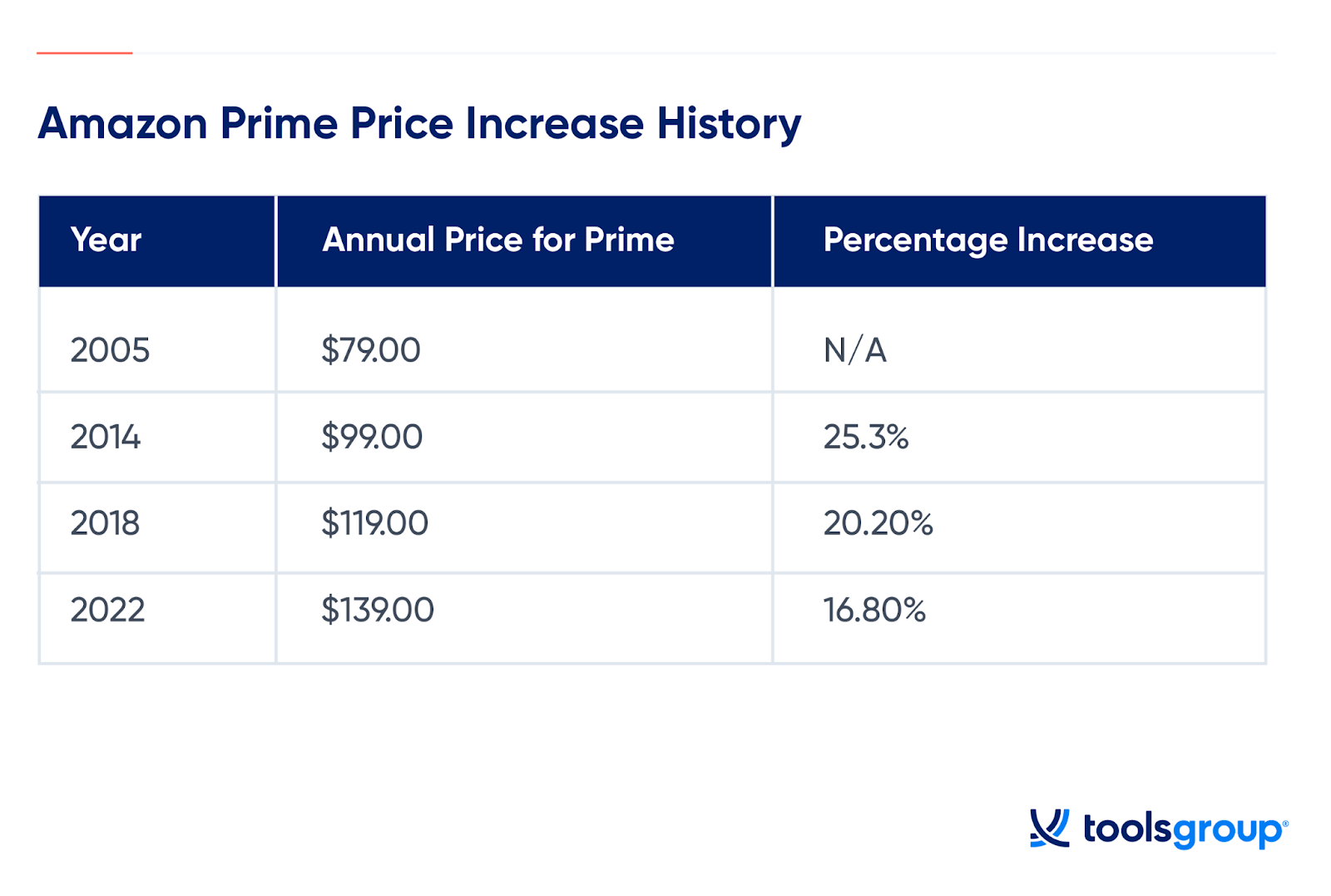
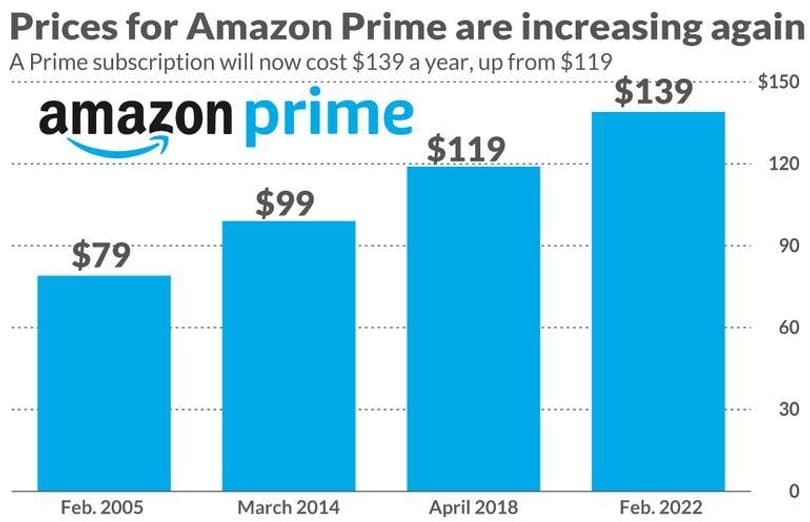
- Annual Subscription: The annual membership comes in at approximately $139 per year. By opting for the yearly payment, members effectively receive a discount, saving around $40.88 compared to paying month-to-month. From a purely financial standpoint, if you foresee yourself using Amazon Prime consistently throughout the year, the annual plan represents a significant saving and is almost always the more economically advantageous choice. It’s a classic example of bulk purchasing applying to subscription services.
For budget-conscious consumers, this difference in cost highlights the importance of forecasting usage. While the monthly option provides an easier entry point and less upfront cost, the annual plan offers a clear long-term financial benefit if Prime’s services are a regular part of your spending habits.
Unlocking Discounted Membership Options
Amazon acknowledges that not everyone has the same financial capacity, and it offers significant discounts for specific demographics, making Prime more accessible. These programs are vital for qualifying individuals looking to reduce their monthly expenditures without sacrificing the benefits.
- Prime Student: For eligible college students, Amazon offers Prime Student at a substantially reduced rate. Typically, this program provides a generous 6-month free trial, followed by a discounted monthly rate of around $7.49 or an annual rate of approximately $69. This represents a 50% discount off the standard pricing. For students, who often operate on tight budgets, this can translate into considerable savings, providing access to essential shipping benefits, academic resources (like textbook deals), and entertainment without a hefty financial burden. Eligibility usually requires a valid .edu email address or other proof of enrollment.
- EBT/Medicaid Recipients: In an effort to make its services more inclusive, Amazon also extends a discounted Prime membership to qualifying individuals receiving government assistance, such as those with an EBT card or participating in Medicaid. This program typically offers Prime for around $6.99 per month. This is another significant discount, enabling families and individuals who rely on these programs to access the convenience of Prime shipping, groceries, and other benefits at a much more manageable cost. For these individuals, the savings are not just about discretionary spending but can genuinely impact their ability to access necessities and improve their quality of life.
Exploring these discounted options is crucial for anyone who might qualify. Not taking advantage of them is essentially leaving money on the table, an unnecessary expense that can easily be avoided with a bit of research and verification.
The Financial Value Proposition of Prime’s Benefits
Beyond the core cost, the true financial assessment of Amazon Prime lies in evaluating the monetary value of its included benefits. Many subscribers pay for Prime primarily for one or two key features, often overlooking the potential savings or costs associated with the entire suite of services. A comprehensive financial analysis requires dissecting each benefit.
Quantifying Shipping Savings
For many, expedited shipping is the cornerstone of their Prime membership. The promise of free two-day, one-day, or even same-day delivery on eligible items can feel invaluable, particularly for frequent online shoppers.
- Eliminating Shipping Fees: Standard shipping for non-Prime members can range from $5 to $10 or more per order, depending on the item and speed. If you place just two or three orders a month that would otherwise incur shipping fees, Prime quickly pays for itself in shipping costs alone. For example, if you save an average of $7 per order on three orders a month, that’s $21 in savings, easily covering the monthly fee.
- Time-Sensitive Purchases: While harder to quantify financially, the ability to receive urgent items quickly can prevent larger costs (e.g., avoiding a trip to a specialty store, ensuring a necessary item arrives on time for work or school). The convenience factor here translates into saved time, which for many, has a direct monetary value.
- Prime Wardrobe: This feature allows customers to “try before you buy” clothes and accessories with free returns. This reduces the financial risk of online apparel purchases and eliminates the hassle and cost of repeated trips to physical stores for returns or exchanges.
A strict budgeter should track how many non-Prime shipping fees they avoid each month. If that number consistently justifies the monthly or annual fee, then this benefit alone makes Prime a financially sound choice.
Assessing Entertainment Costs Against Alternatives
Amazon Prime Video, Amazon Music Prime, and Prime Gaming are significant components of the Prime offering, often bundled with the shipping benefits. To understand their financial worth, one must consider them against standalone streaming and gaming subscriptions.
- Prime Video: Included with Prime, it offers a vast library of movies, TV shows, and Amazon Originals. If you were to subscribe to a comparable premium streaming service separately (e.g., Netflix, Hulu, HBO Max), you could easily spend $10-$18 per month. For a household that heavily utilizes Prime Video, this represents a substantial “free” entertainment expense that would otherwise come out of pocket. However, if you already subscribe to multiple other streaming services and barely touch Prime Video, its financial value to you is diminished.
- Amazon Music Prime: Provides ad-free access to millions of songs and thousands of stations and playlists. While not as extensive as Amazon Music Unlimited or Spotify Premium, which cost around $10-$11 per month, it serves as a solid basic music streaming option. For casual listeners who don’t need the absolute latest releases or lossless audio, it could entirely replace a paid music subscription, yielding direct monthly savings.
- Prime Gaming (formerly Twitch Prime): Offers free games, in-game content, and a free Twitch channel subscription each month. For avid gamers, this can easily amount to $5-$15 in value monthly, depending on the titles and in-game items offered. If you’re a gamer who would otherwise purchase these items or subscribe to a streamer, this represents a clear financial gain.
The financial utility of these entertainment perks is highly individual. They offer substantial savings if they genuinely substitute for other paid services you would otherwise acquire. If they are merely “extras” you rarely use, their perceived financial value to your personal budget dwindles.
Exclusive Deals and Grocery Savings
Prime membership extends its financial benefits to various shopping avenues, offering exclusive deals, early access, and discounts, particularly in the realm of groceries.
- Prime-Exclusive Deals: Throughout the year, and especially during major shopping events like Prime Day, members gain access to exclusive discounts. For strategic shoppers, waiting for these deals on big-ticket items or regular household necessities can result in significant savings that can easily offset the annual Prime fee. The key here is to shop strategically and avoid impulse purchases driven by the “deal” rather than actual need.
- Whole Foods Market Discounts: Prime members receive an extra 10% off hundreds of sale items and exclusive weekly discounts at Whole Foods Market, plus free 2-hour grocery delivery in select areas (on orders over a certain threshold). For regular Whole Foods shoppers, these discounts can accumulate rapidly. A family spending $100-$200 weekly at Whole Foods could see savings of $10-$20+ per week, which is $40-$80+ per month, making Prime an indisputable financial win for them.
- Prime Reading: Access to a rotating selection of free eBooks and magazines. While not as comprehensive as Kindle Unlimited (which costs about $10 per month), it can save money on individual book purchases for casual readers.
- Amazon Photos: Offers unlimited full-resolution photo storage. Cloud storage services typically cost $5-$10 per month for comparable storage, making this a hidden financial gem for those who value digital archiving.
The financial impact of these benefits depends entirely on your consumption habits. If you leverage them consistently and strategically, the monetary value can far exceed the subscription cost. If not, they remain enticing but financially irrelevant perks.
Is Amazon Prime a Financially Sound Investment for You?
The ultimate question for any financial decision is whether the cost provides a worthwhile return. For Amazon Prime, this means conducting a personalized cost-benefit analysis based on your unique spending habits and lifestyle.
Conducting a Personal Cost-Benefit Analysis
A true financial assessment isn’t about Amazon’s price tag, but about your usage and your alternatives.
- Track Your Usage: Over a month or two, consciously track how often you use Prime benefits:
- How many orders did you place that would have incurred shipping fees?
- How many hours did you spend watching Prime Video or listening to Amazon Music Prime?
- Did you use any Prime-exclusive discounts or shop at Whole Foods with your membership?
- Did you utilize Prime Gaming or Amazon Photos?
- Quantify Your Savings/Value: Assign a monetary value to each used benefit. For shipping, it’s the cost saved. For streaming, it’s the cost of an alternative service you would have paid for. For discounts, it’s the actual dollar amount saved.
- Compare to Cost: Sum up your quantifiable savings and compare them directly to your monthly or annual Prime fee. If your calculated savings consistently outweigh the cost, then Prime is likely a financially sound investment. If not, it might be an unnecessary expense.
This exercise transforms an abstract subscription fee into a concrete financial decision backed by data from your own consumption patterns.
When the Monthly Fee Justifies Itself
Amazon Prime truly shines as a financially smart choice for specific consumer profiles:
- Frequent Online Shoppers: If you routinely place more than two or three Amazon orders per month that would otherwise incur shipping fees, Prime’s shipping benefits alone can easily cover its cost.
- Whole Foods Regulars: For those who frequently shop at Whole Foods, the exclusive discounts and free grocery delivery can amount to significant weekly and monthly savings that quickly justify the membership.
- Cord-Cutters Seeking Bundled Entertainment: If you’re looking for a single subscription to cover both shipping and a decent array of streaming video and music, Prime offers exceptional value, potentially replacing multiple standalone services.
- Students or EBT/Medicaid Recipients: For those eligible for discounted plans, the significantly reduced cost makes the barrier to entry much lower, often making it a worthwhile investment even with moderate usage.
In these scenarios, Prime isn’t just a convenience; it’s a tool that can actively reduce other expenditures or provide value that would cost more to acquire through separate services.
Identifying Potential Financial Overheads
Conversely, Prime can become a financial drain if not used strategically or if it encourages poor spending habits.
- Infrequent Shoppers: If you only order from Amazon a few times a year, paying a monthly or annual fee will almost certainly cost you more than simply paying for shipping on those individual orders.
- Duplicate Services: If you already pay for Netflix, Spotify Premium, and a separate cloud storage solution, and rarely use Prime Video, Music, or Photos, you’re essentially paying for redundant services.
- Impulse Purchase Inducement: The “free shipping” perk can subtly encourage more frequent and sometimes unnecessary purchases. If Prime leads you to buy items you wouldn’t otherwise, the convenience cost quickly outweighs any shipping savings. This “Prime Effect” can be a silent budget killer.
- Ignoring Discounts: If you qualify for a student or EBT discount but pay the full price, you’re overspending unnecessarily.
Being mindful of these pitfalls is crucial. An honest assessment of your habits is necessary to prevent Prime from becoming a financial liability rather than an asset.
Smart Strategies for Managing Your Prime Subscription Cost
Even if Amazon Prime is a good fit for your financial lifestyle, there are always ways to optimize its cost and ensure you’re getting the most bang for your buck. Proactive management of your subscription can lead to further savings and better budgeting.
Leveraging Free Trials and Family Sharing
These are immediate, actionable ways to reduce or share the financial burden of a Prime membership.
- Utilize the Free Trial Wisely: Amazon offers a 30-day free trial (and 6 months for students). This is a golden opportunity to fully test all the benefits without financial commitment. Use this period to binge-watch, make necessary purchases, and truly assess if the services integrate well into your life and provide enough value to justify future payment. Mark your calendar for the trial end date to avoid automatic charges if you decide not to continue.
- Share Benefits with “Amazon Household”: Amazon allows two adults and up to four teens and four children to share Prime benefits, including shipping, Prime Video, and exclusive deals, all under one paid membership. This is a massive financial advantage for couples, families, or even roommates who live together. Instead of two or more individuals paying for separate memberships, one payment covers multiple users, effectively cutting the per-person cost dramatically. This feature alone can make an otherwise marginal financial decision a clear win.
These strategies allow you to either defer costs or spread them across multiple users, significantly improving the overall financial efficiency of the subscription.
The Art of Cancellation and Re-evaluation
Don’t view Prime as a permanent fixture. Your needs and financial situation can change, and your subscription should adapt accordingly.
- Strategic Cancellation: If your usage patterns are seasonal (e.g., heavy shopping during holidays, light usage other times), consider subscribing for only the months you truly need it. Pay the monthly fee for those peak periods and cancel when your usage drops. Remember the annual plan offers better value, so calculate if 3-4 months of monthly fees are less than the annual fee.
- Periodic Re-evaluation: Set a reminder to re-evaluate your Prime membership annually, perhaps before your renewal date. Revisit your personal cost-benefit analysis. Have your shopping habits changed? Are you using fewer benefits? Are there new alternative services that offer better value for your needs? This regular financial audit ensures you’re not paying for a service that no longer serves your current lifestyle or budget.
- Pausing Membership: While Amazon doesn’t have an official “pause” feature, cancelling and then resubscribing later is simple. Your account history and preferences typically remain.
Being comfortable with cancelling and resubscribing empowers you to stay in control of your spending and avoid paying for services you don’t actively use.

Budgeting for Subscription Services
Finally, Prime should be considered part of your overall subscription budget.
- Categorize and Cap: Create a category in your budget specifically for “Subscription Services” and set a monthly cap. This includes streaming, music, fitness apps, and services like Amazon Prime.
- Prioritize Value: Within your subscription budget, prioritize services that offer the most value for your money. If Prime consumes a significant portion of your budget but other services provide more essential or frequently used benefits, consider adjusting.
- Avoid Overlap: Ensure you’re not subscribing to multiple services that offer similar benefits if you only need one (e.g., multiple video streaming services if you only watch a few hours a week).
Treating Amazon Prime as a line item in your personal finance budget, alongside other discretionary spending, is essential for maintaining financial health and ensuring all your subscriptions are working for you, not against you.
In conclusion, the question of “How much does Amazon Prime cost per month?” extends far beyond the sticker price. It demands a holistic financial assessment that considers pricing tiers, potential discounts, the often-overlooked monetary value of its bundled benefits, and your individual spending habits. By rigorously evaluating its worth through a financial lens and employing smart subscription management strategies, consumers can transform Amazon Prime from a potential expense into a genuinely valuable and cost-effective component of their personal finance ecosystem.
aViewFromTheCave is a participant in the Amazon Services LLC Associates Program, an affiliate advertising program designed to provide a means for sites to earn advertising fees by advertising and linking to Amazon.com. Amazon, the Amazon logo, AmazonSupply, and the AmazonSupply logo are trademarks of Amazon.com, Inc. or its affiliates. As an Amazon Associate we earn affiliate commissions from qualifying purchases.