
Amazon, a name synonymous with online shopping and digital convenience, has permeated nearly every aspect of modern commerce and daily life. But when we ask, “How much does Amazon cost?” the answer is far from simple. It’s a complex financial tapestry, weaving together a multitude of services, subscriptions, fees, and expenditures that impact consumers, independent sellers, and large enterprises alike. Understanding the true financial footprint of Amazon requires dissecting its various ecosystems and identifying the direct and indirect costs associated with each interaction.
This article delves into Amazon’s multifaceted pricing structure, providing a comprehensive financial breakdown from the perspective of a shopper, an entrepreneur, and a business. We will explore the overt costs – subscriptions, product prices, seller fees, and cloud services – alongside the more subtle financial implications, offering insights to help you navigate this ubiquitous digital marketplace with a clear financial strategy.
The Consumer’s Price Tag: What it Costs to Shop and Subscribe
For the average individual, interacting with Amazon primarily involves purchasing products and subscribing to its digital services. While the allure of convenience and competitive pricing is strong, a closer look reveals several layers of cost.
Amazon Prime: The Gateway to Premium Services
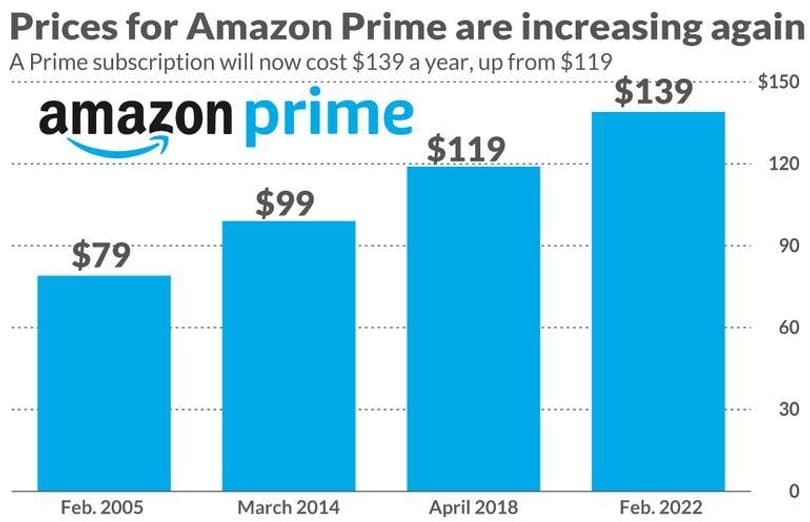
Perhaps the most significant financial commitment for many Amazon users is a Prime membership. Launched in 2005, Prime transformed online shopping by bundling expedited shipping with a growing suite of digital benefits, cementing customer loyalty through perceived value.
A Prime membership typically comes with an annual or monthly fee, which varies by region. In the U.S., for instance, it currently hovers around $14.99 per month or $139 per year, with discounted rates available for students and qualifying EBT/Medicaid recipients. The “cost” of Prime isn’t just the sticker price; it’s also about evaluating whether the benefits justify the expense for your individual usage patterns. Benefits include:
- Free two-day (or faster) shipping: This is often the primary driver for subscription, saving on per-item shipping charges.
- Prime Video: Access to a vast library of movies and TV shows, including Amazon Originals, effectively bundling entertainment into your shopping budget.
- Amazon Music Prime: Ad-free access to millions of songs.
- Prime Reading/First Reads: Access to a rotating selection of ebooks and early access to new releases.
- Prime Gaming: Free games, in-game content, and a Twitch channel subscription.
- Whole Foods Market discounts: Exclusive savings at physical Whole Foods stores.
- Prime Wardrobe: Try on clothes before buying.
For frequent shoppers who leverage multiple Prime benefits, the membership can represent significant savings compared to paying for each service individually. However, for infrequent users, the cost might outweigh the benefits, prompting a re-evaluation of its financial utility. The perceived value of convenience can sometimes overshadow the actual monetary spend, leading consumers to maintain subscriptions they don’t fully utilize.
Direct Product Purchases and Shipping Costs
Beyond Prime, the most obvious cost associated with Amazon is the price of the products themselves. Amazon’s vast catalog means prices are highly variable, influenced by factors like competition, seller type (Amazon direct, third-party FBA, third-party FBM), and dynamic pricing algorithms.
While Prime offers “free” shipping, non-Prime members incur shipping costs based on the item’s weight, size, and destination. These charges can quickly add up, often making a Prime subscription look more appealing for regular shoppers. Furthermore, sales tax is applied to most purchases, varying by state and local regulations, adding another percentage to the final cost.
The ease of one-click ordering and personalized recommendations can also subtly influence spending habits. The absence of a physical shopping cart and the instant gratification of rapid delivery can sometimes lead to impulse purchases, potentially increasing overall expenditure beyond what was initially planned. From a financial planning perspective, budgeting for Amazon purchases requires discipline and a keen eye for genuine needs versus wants.
Digital Subscriptions and Ancillary Services
Amazon’s ecosystem extends far beyond physical goods and core Prime benefits. It offers a plethora of standalone digital subscriptions and services, each with its own price tag, impacting personal finance. These include:
- Kindle Unlimited: A monthly subscription for unlimited access to a large selection of ebooks and audiobooks.
- Audible: A membership service offering audiobooks, typically involving monthly credits to purchase titles.
- Amazon Music Unlimited: An expanded music streaming service beyond Prime Music, offering a much larger catalog and higher audio quality for a monthly fee.
- Prime Video Channels: Optional add-on subscriptions within Prime Video for content from other providers (e.g., HBO, Showtime, Starz), each incurring additional monthly costs.
- Amazon Kids+: A subscription service designed for children, offering access to age-appropriate books, apps, games, and videos.
These services represent additional financial commitments that, while often affordable individually, can accumulate into a significant monthly expense. Savvy consumers must regularly audit their digital subscriptions to ensure they are actively using and deriving value from each service they pay for.
The Entrepreneur’s Investment: Costs for Sellers on Amazon
Amazon isn’t just a marketplace; it’s a colossal platform for millions of third-party sellers, from individual crafters to large brands. For these entrepreneurs, leveraging Amazon’s reach comes with a distinct set of financial costs, which are crucial for business planning and profitability.
Seller Account Fees: Professional vs. Individual Plans
The foundational cost for any seller is the Amazon seller account itself. Amazon offers two primary plans:
- Individual Seller Plan: This plan is free to maintain monthly but charges a fixed fee (currently $0.99 per item) for every unit sold. It’s ideal for casual sellers or those moving very low volumes (fewer than 40 items per month) as it avoids a recurring subscription.
- Professional Seller Plan: This plan costs a fixed monthly subscription fee (currently $39.99 in the U.S.) regardless of how many items are sold. It’s beneficial for high-volume sellers (more than 40 items per month) and unlocks advanced features like bulk listing, inventory management tools, and eligibility for the Buy Box.
Choosing the right plan is a direct financial decision impacting a seller’s bottom line. Beyond these base fees, sellers also face referral fees and other charges.
Fulfillment by Amazon (FBA) Fees
For many sellers, the biggest variable cost comes from Fulfillment by Amazon (FBA). FBA allows sellers to store their products in Amazon’s fulfillment centers, and Amazon handles storage, packing, shipping, customer service, and returns. While FBA significantly reduces operational headaches and often grants products Prime eligibility, it comes at a cost:
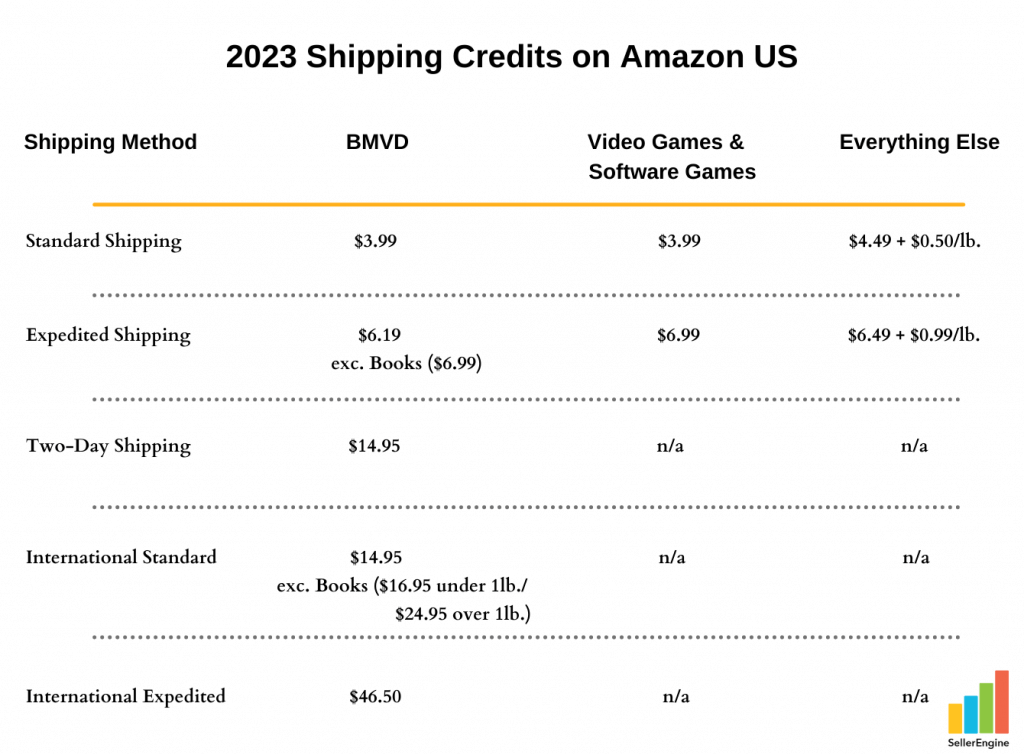
- Fulfillment Fees: These are per-unit fees based on the product’s size and weight, covering picking, packing, and shipping to the customer. They are a critical component of pricing strategy.
- Monthly Storage Fees: Sellers pay a monthly fee per cubic foot for inventory stored in Amazon’s warehouses. These fees vary by time of year (higher during peak holiday seasons) and product category.
- Long-Term Storage Fees: Inventory that sits in Amazon’s warehouses for extended periods (typically over 271 days) incurs additional long-term storage fees, designed to encourage quick inventory turnover.
- Removal Order Fees: If a seller wants to retrieve their inventory from Amazon’s fulfillment centers, they pay a fee per unit.
- Returns Processing Fees: For certain product categories, Amazon charges a fee for processing customer returns.
FBA costs are complex and require careful calculation to ensure profitability. Sellers must factor these expenses into their product pricing and inventory management strategies to avoid eroding their margins.
Advertising and Marketing Spend
In a marketplace with millions of products, visibility is paramount. Amazon offers various advertising solutions that, while effective, represent a significant ongoing cost for many sellers:
- Sponsored Products: Keyword-targeted ads that appear in search results and product pages, charged on a pay-per-click (PPC) basis.
- Sponsored Brands: Banner ads featuring a brand’s logo, custom headline, and multiple products, also PPC.
- Sponsored Display: Product- or interest-targeted ads that can appear on Amazon and external websites.
- Brand Stores: Free custom multi-page stores, though driving traffic to them might incur external marketing costs.
Advertising spend is an investment, not just a cost. Effective campaigns can lead to higher sales and increased brand awareness, but inefficient ad strategies can quickly deplete budgets without generating a positive return on investment. Financial management here involves continuous monitoring of campaign performance, ACoS (Advertising Cost of Sales), and RoAS (Return on Ad Spend).
Referral Fees and Other Charges
Every time a product is sold on Amazon, the seller pays a referral fee, which is a percentage of the total sale price (including shipping and gift wrap charges). This percentage varies significantly by product category, ranging from as low as 8% for electronics to as high as 45% for Amazon Device Accessories.
Other potential costs include:
- Refund Administration Fees: If Amazon processes a refund for a seller, they typically retain a small percentage of the referral fee.
- High-Volume Listing Fees: For sellers with an extremely large number of active listings (e.g., over 2 million ASINs), Amazon may charge a monthly fee for excess listings.
For entrepreneurs, understanding and meticulously calculating all these costs is fundamental to setting profitable prices, managing cash flow, and ultimately, building a sustainable business on Amazon.
Enterprise Solutions: The Cost of Amazon Web Services (AWS) and Amazon Business
Amazon’s financial impact extends beyond consumers and third-party sellers to encompass large enterprises and organizations, primarily through Amazon Web Services (AWS) and Amazon Business.
Understanding AWS Pricing Models
AWS is the world’s leading cloud computing platform, providing on-demand infrastructure, platform services, and packaged software to millions of businesses, from startups to Fortune 500 companies. The “cost” of AWS is incredibly flexible and often highly complex, designed around a “pay-as-you-go” model with no upfront commitments for many services.
Key aspects of AWS pricing include:
- Pay-as-you-go: Users only pay for the specific services they use and the amount of resources consumed (e.g., compute power by the second, storage by the gigabyte, data transfer by the gigabyte).
- Tiered Pricing: Many services offer lower rates as usage scales up.
- Reserved Instances/Savings Plans: For predictable workloads, businesses can commit to using specific resources for a 1-year or 3-year term in exchange for significant discounts (up to 75% off on-demand rates).
- Spot Instances: For fault-tolerant workloads, users can bid on unused AWS capacity for even deeper discounts, though instances can be reclaimed by AWS with short notice.
- Free Tier: AWS offers a generous free tier for new customers to experiment with services, including limited usage of compute (EC2), storage (S3), and databases (RDS) for 12 months.
Managing AWS costs is a specialized financial discipline. Organizations employ cloud cost management tools and strategies to monitor usage, optimize resources, and ensure they are not overpaying. The initial “cost” of setting up an AWS environment might be minimal, but ongoing operational costs can quickly escalate if not properly managed, making financial oversight paramount.
Amazon Business: Streamlining Procurement for Organizations
Amazon Business is a separate marketplace designed to serve the procurement needs of businesses, from small businesses to large enterprises. While creating an Amazon Business account is free, its “cost” is primarily reflected in how it helps organizations manage and save money on their purchasing.
Key financial benefits and features for businesses include:
- Multi-user Accounts: Centralized purchasing with individual user accounts, spending limits, and approval workflows, enhancing financial control and accountability.
- Business-only Pricing and Quantity Discounts: Access to exclusive pricing and discounts on eligible items, often for bulk purchases, leading to direct savings.
- Tax Exemption: Eligible organizations can enroll in the Amazon Tax Exemption Program (ATEP), allowing for tax-exempt purchases.
- Spend Visibility: Analytics and reporting tools provide insights into purchasing patterns, helping businesses identify areas for cost reduction.
- Free Shipping: Businesses can link their Prime membership to their Amazon Business account for free shipping benefits, or subscribe to Prime Business for specialized benefits.
Amazon Business streamlines the procurement process, potentially reducing indirect costs associated with manual purchasing, vendor management, and reconciliation. The “cost” here is less about direct expenditure and more about the financial efficiency and savings it introduces into an organization’s operational budget.
Beyond Direct Payments: The Indirect Financial Implications of Amazon
While direct costs are tangible and measurable, Amazon also introduces several indirect financial implications that shape consumer spending habits and broader economic landscapes.
The Cost of Convenience and Impulse Buying
Amazon’s entire business model is built around friction reduction. One-click purchasing, personalized recommendations, and rapid delivery make shopping incredibly easy. This convenience, while desirable, can come at a financial cost. The immediate gratification can lead to impulse purchases and overspending, as the mental barrier to completing a transaction is significantly lowered. For many, the “cost” of Amazon might include a less disciplined approach to budgeting, leading to a higher overall personal expenditure than if shopping required more effort. Subscription fatigue, where multiple small monthly charges go unnoticed, is another common indirect cost.
Opportunity Costs and Financial Habits
Relying solely on Amazon for purchases can lead to opportunity costs. Consumers might miss out on better deals or unique products available from other retailers, especially local businesses. While Amazon often offers competitive pricing, it’s not always the cheapest option. The habit of defaulting to Amazon for every need can prevent consumers from developing savvy comparison shopping skills across a wider market, potentially costing them savings in the long run. From a broader economic perspective, excessive reliance on large platforms can also indirectly impact local economies, shifting financial flows away from smaller, community-based enterprises.
Leveraging Amazon for Savings and Income
Conversely, Amazon also presents opportunities for financial gain and savings. Astute consumers can leverage Amazon for:
- Price Comparison: Using Amazon’s extensive product database and price history tools (often via browser extensions) to find the best deals.
- Deals and Coupons: Actively seeking out Lightning Deals, coupons, and seasonal sales events.
- Amazon Outlet/Warehouse Deals: Finding discounted items, open-box products, or slightly damaged goods.
- Amazon Associates Program: Individuals can earn affiliate income by referring customers to Amazon products, turning their online presence into a revenue stream.
- Selling Unwanted Items: Utilizing Amazon’s marketplace (or Amazon Trade-In) to sell used books, electronics, or other items, converting clutter into cash.
These avenues demonstrate that while Amazon can be a source of expenditure, it can also be a tool for smart financial management and even income generation, depending on how one engages with the platform.

Conclusion: A Multifaceted Financial Ecosystem
Asking “how much does Amazon cost?” is akin to asking “how much does the internet cost?” – the answer depends entirely on how you interact with it. From the consumer paying for convenience and entertainment through Prime, to the entrepreneur investing in a marketplace for their business, to the enterprise building its digital infrastructure on AWS, Amazon’s financial footprint is pervasive and highly customizable.
Ultimately, Amazon’s “cost” is a dynamic figure shaped by individual choices and strategic decisions. For consumers, it demands conscious budgeting and an evaluation of subscription value. For sellers and businesses, it requires meticulous financial planning, cost optimization, and a clear understanding of ROI. By peeling back these financial layers, individuals and organizations can engage with Amazon not just as a ubiquitous service, but as a critical component of their financial landscape, ensuring they derive maximum value while strategically managing their expenditure within this colossal digital ecosystem.
aViewFromTheCave is a participant in the Amazon Services LLC Associates Program, an affiliate advertising program designed to provide a means for sites to earn advertising fees by advertising and linking to Amazon.com. Amazon, the Amazon logo, AmazonSupply, and the AmazonSupply logo are trademarks of Amazon.com, Inc. or its affiliates. As an Amazon Associate we earn affiliate commissions from qualifying purchases.