
In the modern landscape of digital subscriptions and “as-a-service” consumption, few line items in a household budget are as ubiquitous as Amazon Prime. What started in 2005 as a simple expedited shipping service has evolved into a sprawling ecosystem of digital media, grocery discounts, and logistics perks. However, for the financially conscious consumer, the core question remains: What is the bottom-line cost of a year of Amazon Prime, and does the mathematical value justify the annual recurring expense?
As subscription costs continue to trend upward across the tech sector, understanding the current pricing tiers and the hidden financial levers within the Amazon ecosystem is essential for effective personal finance management.
Understanding the Base Cost: Current Pricing Tiers for 2024
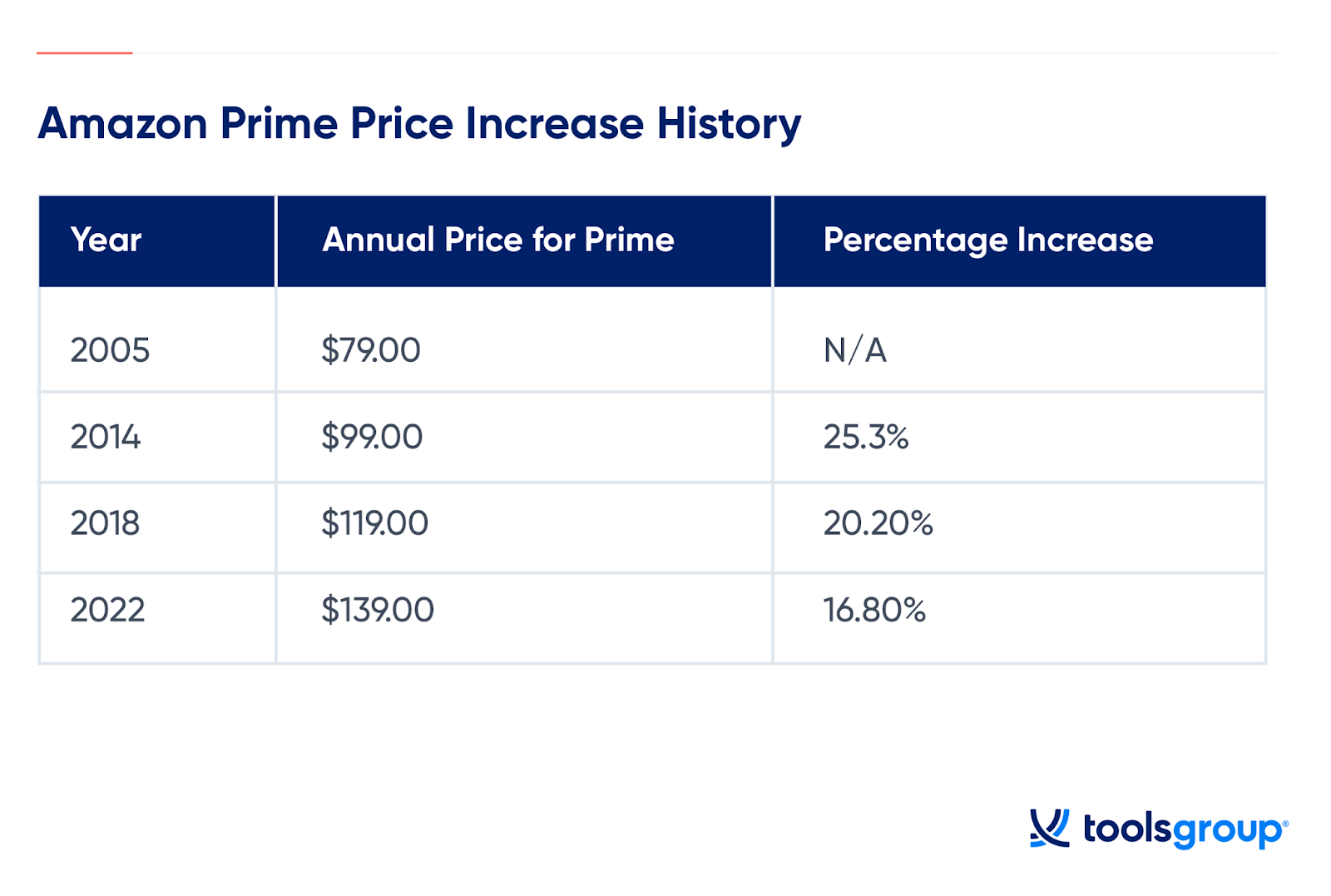
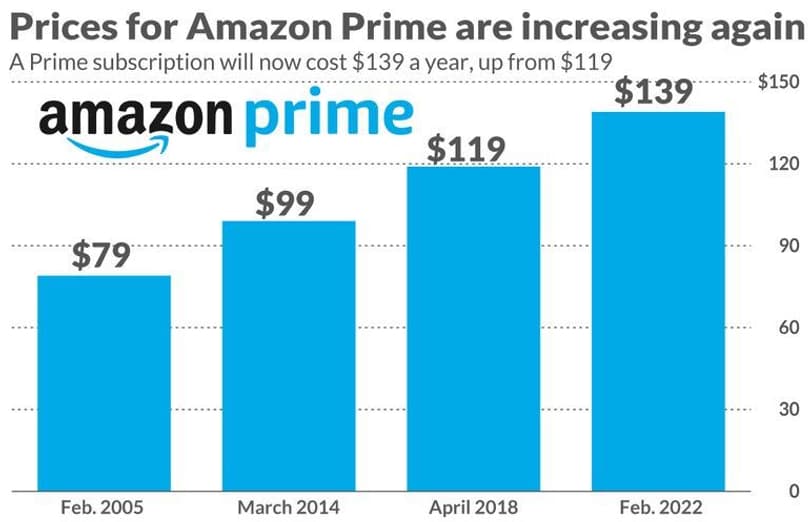
The cost of Amazon Prime is no longer a “one size fits all” figure. Amazon has diversified its pricing structure to capture various demographic segments, ranging from students to recipients of government assistance. As of 2024, the standard pricing reflects a steady increase from years past, driven by rising logistics costs and expanded content libraries.
Standard Annual and Monthly Plans
For the majority of consumers, there are two primary paths to Prime membership. The annual membership currently sits at $139 per year. Alternatively, users can opt for a monthly subscription at $14.99 per month.
When viewed through a financial lens, the discrepancy between these two options is significant. A year of monthly payments totals approximately $179.88. By committing to the annual lump sum of $139, a consumer saves $40.88 per year—effectively a 22% discount. From a cash-flow perspective, the monthly plan is often preferred by those who wish to avoid a large one-time hit to their budget, but from a wealth-building perspective, the annual plan offers a superior return on capital.
Prime Student and Prime Access
Amazon offers two major discounted tiers that significantly alter the annual cost. Prime Student is available for $7.49 per month or $69 per year. This is roughly half the cost of a standard membership and represents one of the most aggressive loss-leader strategies in the retail world, designed to build brand loyalty among younger demographics.
Prime Access is a specialized tier for recipients of qualifying government assistance programs, such as SNAP, EBT, or Medicaid. This tier costs $6.99 per month. Unlike the standard and student plans, there is currently no discounted annual payment option for Prime Access, keeping the yearly total at $83.88.
The Hidden Impact of Taxes and Regional Fees
It is a common oversight in personal budgeting to forget that the advertised price of $139 is often the “pre-tax” amount. Depending on your state and local tax laws, a Prime membership may be subject to sales tax. In states like Washington or New York, the actual cash outflow can exceed $150. When auditing your annual expenses, it is vital to check your digital receipts to ensure your “Prime Budget” accounts for these localized surcharges.
The Financial Math: Calculating Your Personal Break-Even Point
To determine if a year of Amazon Prime is “worth it,” one must move beyond the sticker price and calculate the break-even point based on individual consumption habits. This requires an objective look at shipping costs and service substitutions.
The Shipping Benchmark
The primary driver of Prime’s value remains “Free Two-Day Shipping.” For a non-Prime member, the average cost of standard shipping for a single order typically ranges between $5.95 and $9.95, depending on the weight and speed.
If we use a conservative average shipping cost of $7.00 per order, a consumer would need to place approximately 20 orders per year to break even on the $139 annual fee ($139 ÷ $7 = 19.85). If you order from Amazon less than twice a month, the membership may actually be a net loss for your household budget, provided you aren’t utilizing the digital perks.
Cash Flow vs. Opportunity Cost
In the world of personal finance, every dollar spent has an opportunity cost. If you pay $139 upfront in January, that is $139 that isn’t sitting in a High-Yield Savings Account (HYSA) or a brokerage account. While the $40.88 savings of the annual plan usually outweighs the interest you would earn on that money over 12 months, it is a factor worth noting for those managing tight liquidity. For most, the “guaranteed return” of the 22% discount offered by the annual plan is a far better financial move than keeping the cash in a bank and paying monthly.
Quantifying the Monetary Value of Prime Perks
A common mistake in financial planning is viewing Amazon Prime solely as a shipping service. To get an accurate picture of the cost-to-value ratio, you must quantify the “shadow savings” provided by the auxiliary services.
Streaming and Digital Content Substitutions
If a Prime membership allows you to cancel or avoid other subscriptions, its effective cost drops. Prime Video is often compared to Netflix (Standard plan: ~$15.49/month) or Disney+ (~$13.99/month). If you view Prime Video as a direct replacement for one of these services, the membership pays for itself in less than ten months.
Furthermore, Prime includes “Amazon Music Prime,” which offers a library of 100 million songs. While it lacks the full functionality of Spotify Premium ($10.99/month), for a casual listener, it eliminates the need for an additional music subscription, potentially saving over $130 annually.
Grocery Savings and Pharmacy Discounts
The acquisition of Whole Foods Market has allowed Amazon to integrate Prime into the grocery sector. Prime members receive an additional 10% off sale items and exclusive weekly deals. For a family that spends $200 a week on groceries, even a 2% total savings through Prime deals results in $208 of annual value—more than covering the membership fee.
Additionally, the Amazon Pharmacy benefit offers significant discounts on generic and brand-name medications for those without insurance or with high-deductible plans. The RxPass feature allows members to get all their eligible generic medications for a flat fee of $5 per month, which can result in hundreds of dollars in savings for those with chronic conditions.
The Amazon Store Card and Cashback Integration
For those who utilize the Amazon Prime Visa card, the math changes entirely. The card offers 5% back on all Amazon and Whole Foods purchases. If a household spends $3,000 a year on Amazon (roughly $250/month), they earn $150 in cashback. In this scenario, the cashback rewards effectively pay for the entire $139 membership, making the service “free” from a net-cost perspective.
Strategic Spending: When to Join and How to Avoid the Subscription Trap
While the math can support the value of Prime, there is a psychological cost to the membership that often goes unmeasured in a standard ledger: the “spending nudge.”
The “Free Shipping” Trap
Behavioral economics suggests that when shipping is “free,” consumers are more likely to make small, impulsive purchases they otherwise would have skipped. These $10 to $15 orders add up over the course of a year. To maintain financial discipline, it is important to separate the cost of the membership from the volume of your spending. A membership that “saves” you $100 in shipping but “encourages” you to spend an extra $1,000 on unnecessary gadgets is a net negative for your net worth.
Timing Your Subscription
For those who do not use the service year-round, there is a financial strategy involving “cycling” the membership. One could pay for a single month ($14.99) during the holiday season (November/December) to cover all gift shipping and access holiday movies, then cancel for the remainder of the year. Similarly, joining for one month during “Prime Day” in July allows access to deep discounts without the commitment of the $139 annual fee. This “tactical membership” approach is an excellent way for budget-conscious individuals to enjoy the benefits without the overhead of a permanent subscription.
Comparative Analysis: Prime vs. The Competition
In recent years, the landscape of retail memberships has become increasingly competitive. To understand if $139 is a fair price, we must look at the alternatives.
Walmart+ vs. Amazon Prime
Walmart+ is the most direct competitor, priced at $98 per year or $12.95 per month. It includes free shipping, fuel discounts, and a subscription to Paramount+. Financially, Walmart+ is $41 cheaper than Amazon Prime. For consumers who prioritize groceries and physical retail presence over a vast library of original streaming content, Walmart+ may offer a better ROI.
Costco and the Bulk-Buy Alternative
A Costco Gold Star membership costs $65 per year (recently increased from $60). While Costco does not offer a global streaming service or free two-day shipping on small items, its value lies in the unit price of goods. For a large family, the savings found in bulk purchasing often far exceed the convenience savings of Amazon Prime. Many high-efficiency households utilize a “dual-tier” approach, using Costco for staples and Amazon for niche items, though this requires managing two separate annual fees.

Final Financial Verdict
So, how much does a year of Amazon Prime cost? The answer is $139 plus tax, but the real cost is determined by your utilization.
For a household that maximizes the Prime Visa 5% cashback, utilizes Prime Video as their primary entertainment source, and orders at least twice a month, Amazon Prime is not an expense—it is a financial tool that generates a net positive return.
However, for the occasional shopper or the consumer who already pays for Netflix, Spotify, and Walmart+, the $139 annual fee represents a significant “leak” in their monthly budget. In an era of high inflation and economic uncertainty, auditing these recurring costs is vital. If you find that your Prime usage is limited to shipping, and you aren’t hitting that 20-order-per-year break-even point, your most profitable financial move of the year might be hitting the “cancel” button.
aViewFromTheCave is a participant in the Amazon Services LLC Associates Program, an affiliate advertising program designed to provide a means for sites to earn advertising fees by advertising and linking to Amazon.com. Amazon, the Amazon logo, AmazonSupply, and the AmazonSupply logo are trademarks of Amazon.com, Inc. or its affiliates. As an Amazon Associate we earn affiliate commissions from qualifying purchases.