
The Tesla Model 3 stands as a pivotal vehicle in the electric revolution, democratizing EV ownership and showcasing the potential for sustainable transport. Its blend of performance, technology, and distinctive design has captivated a global audience. However, for many prospective buyers, the paramount question isn’t about its acceleration or its infotainment system, but rather, “how much does a Tesla Model 3 cost?” This seemingly straightforward query opens a detailed financial exploration, moving beyond the mere sticker price to encompass a holistic view of ownership costs, financing options, and long-term financial implications. Understanding the full spectrum of expenses is crucial for anyone considering this significant investment.
The Initial Investment: Decoding the Sticker Price
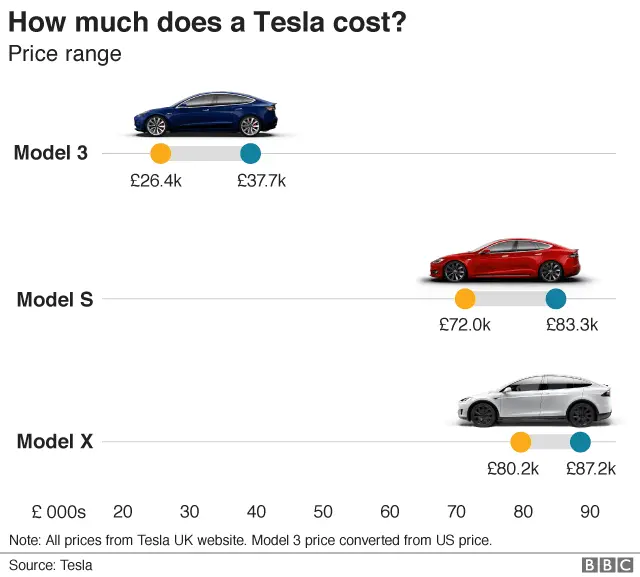
The journey to owning a Tesla Model 3 begins with its manufacturer’s suggested retail price (MSRP), which varies significantly based on the chosen trim level and regional market. Tesla operates a direct-to-consumer sales model, meaning prices are largely standardized within a market, though they are subject to Tesla’s dynamic pricing strategies.
Current Model 3 Trims and Their Base Prices
Tesla frequently updates its Model 3 lineup, adjusting trim names, specifications, and corresponding prices. Historically, the Model 3 has been offered in several configurations designed to cater to different budgets and performance expectations. As of recent iterations, the primary trims generally include:
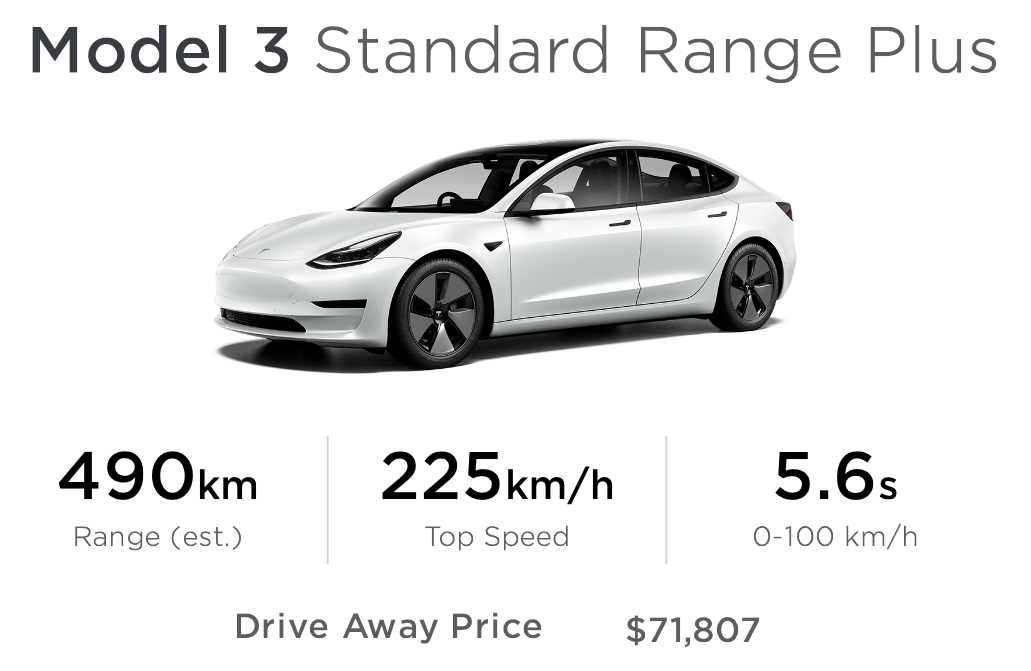
- Model 3 Rear-Wheel Drive (RWD): This is typically the entry-level variant, offering a balance of range and performance at the most accessible price point. Its base price represents the lowest barrier to entry for a new Model 3.
- Model 3 Long Range (AWD): Positioned for drivers seeking extended travel capabilities, this all-wheel-drive version boasts a significantly longer estimated range and often quicker acceleration. Its base price is a notable step up from the RWD model, reflecting the enhanced battery capacity and dual-motor configuration.
- Model 3 Performance (AWD): At the top of the range, the Performance variant prioritizes maximum acceleration, sportier handling, and often includes performance-oriented upgrades like larger wheels, enhanced brakes, and a track mode. This trim carries the highest base price, catering to enthusiasts willing to pay a premium for top-tier performance.
It’s important for prospective buyers to visit Tesla’s official website for the most current pricing, as these figures are subject to change based on production costs, supply chain dynamics, and market strategy.
Regional Variations and Price Fluctuations
While Tesla’s direct sales model minimizes dealer-specific markups, the base price can still exhibit regional variations due to differing logistics costs, import duties, or local regulatory requirements. Furthermore, Tesla has a history of adjusting prices periodically, sometimes in response to raw material costs, production efficiencies, competitive pressures, or changes in government incentives. These fluctuations mean that the price quoted today might differ from what it was a few months ago or what it might be in the future. Staying informed about these potential changes is key to financial planning.
Impact of Market Dynamics and Demand
The automotive market, particularly for electric vehicles, is highly dynamic. Factors such as global semiconductor shortages, battery material costs, and shifts in consumer demand can all influence Tesla’s pricing decisions. High demand, coupled with production constraints, can sometimes lead to price increases, while increased competition or improved manufacturing efficiency might lead to reductions. These market forces are an underlying element impacting the “how much” question.
Beyond the MSRP: Understanding Additional Costs
The sticker price is just the starting point. A comprehensive financial assessment of a Tesla Model 3 must account for a range of additional expenses, some optional and some mandatory, that collectively contribute to the final purchase price.
Optional Upgrades and Customizations
Tesla offers a suite of optional features that can significantly enhance the vehicle’s functionality and aesthetics, each adding to the total cost:
- Full Self-Driving (FSD) Capability: This advanced driver-assistance system is perhaps the most significant optional upgrade in terms of cost. FSD includes features like Navigate on Autopilot, Auto Lane Change, Autopark, Summon, and Traffic Light and Stop Sign Control. Its price is substantial and can be purchased upfront or subscribed to monthly, offering flexibility but also a potentially recurring expense.
- Paint Options: While a standard color is usually included, premium paint finishes (e.g., Midnight Silver Metallic, Deep Blue Metallic, Red Multi-Coat) come with an extra charge.
- Wheel Upgrades: Upgrading from standard aero wheels to larger, performance-oriented wheels not only changes the car’s appearance but also adds to the cost.
- Interior Upgrades: While Model 3s typically come with a premium interior, specific material or color choices might incur an additional cost.
- Home Charging Installation: While not part of the vehicle purchase itself, many owners opt for a Tesla Wall Connector or similar Level 2 charger installation at home, which is an essential accessory for convenient EV ownership and represents a separate, but often necessary, upfront cost.
These customizations allow buyers to tailor their Model 3, but each choice has a direct impact on the overall financial outlay.
Delivery and Destination Fees
Like most automotive manufacturers, Tesla charges a non-negotiable delivery or destination fee. This covers the cost of transporting the vehicle from the factory to the delivery center. This fee is standard across all Model 3 purchases and is added to the vehicle’s price before taxes.
Sales Tax and Registration
These are mandatory governmental charges that vary significantly by state, province, or country. Sales tax is calculated based on the total purchase price of the vehicle, including any options. Registration fees, often an annual expense, also differ widely and depend on factors such as the vehicle’s weight, value, or even its electric nature in some jurisdictions. These administrative costs are a non-trivial part of the initial financial burden.
Potential Government Incentives and Rebates
One of the most attractive financial aspects of purchasing an EV like the Model 3 is the availability of government incentives. These can come in various forms:
- Federal Tax Credits: Many countries offer federal tax credits for eligible electric vehicles. In the United States, for instance, these credits have fluctuated for Tesla vehicles due to production volume caps and changes in legislation. Eligibility for these credits can significantly reduce the effective purchase price.
- State and Local Rebates: Beyond federal incentives, many states, counties, and even cities offer their own rebates, tax exemptions, or grants for EV purchases. These can be cash rebates at the point of sale, tax credits, or reduced registration fees.
- Utility Company Incentives: Some local utility providers offer incentives for installing home charging equipment or for purchasing an EV.
Navigating these incentives requires research, as eligibility criteria, amounts, and availability are constantly changing. Factoring in these potential savings is crucial for an accurate calculation of the Model 3’s net cost.
Financing Your Model 3: Options and Considerations
Once the total purchase price is established, the next financial hurdle is how to pay for it. The Model 3, being a premium vehicle, typically requires some form of financing for most buyers.
Tesla’s Own Financing Solutions
Tesla offers its own in-house financing options for both loans and leases. Their online platform allows buyers to apply for credit directly, often streamlining the purchase process. Tesla’s financing rates are competitive and are determined by the buyer’s creditworthiness, the loan term, and current market interest rates. Opting for Tesla’s financing can simplify the transaction, as it’s integrated directly into the ordering and delivery process.
Third-Party Auto Loans
Many buyers choose to secure auto loans from traditional banks, credit unions, or other financial institutions. Shopping around for the best interest rates and terms from third-party lenders is often advisable. A pre-approved loan can also give buyers stronger negotiating power, although Tesla’s direct sales model limits traditional price negotiation. Loan terms typically range from 36 to 84 months, with longer terms resulting in lower monthly payments but potentially higher overall interest paid.
Leasing vs. Buying: A Financial Comparison
The decision between leasing and buying has significant financial implications:
- Leasing: Leasing a Model 3 involves paying for the depreciation of the vehicle over a set period (typically 24 to 48 months), plus interest and fees. Monthly lease payments are generally lower than loan payments for the same vehicle. Leasing offers lower upfront costs, the flexibility to drive a new car every few years, and avoids the hassle of selling the vehicle. However, lessees do not own the car, have mileage restrictions, and cannot customize it permanently. At the end of the lease, options usually include returning the vehicle, extending the lease, or buying it out.
- Buying: Purchasing the Model 3 outright (either with cash or through a loan) means you own the asset. This offers complete freedom for customization, no mileage limits, and the potential for equity build-up. While monthly payments are typically higher, and you bear the risk of depreciation, you have an asset that can be sold or traded in the future. Over the long term, buying can sometimes be more cost-effective if you plan to keep the vehicle for many years.
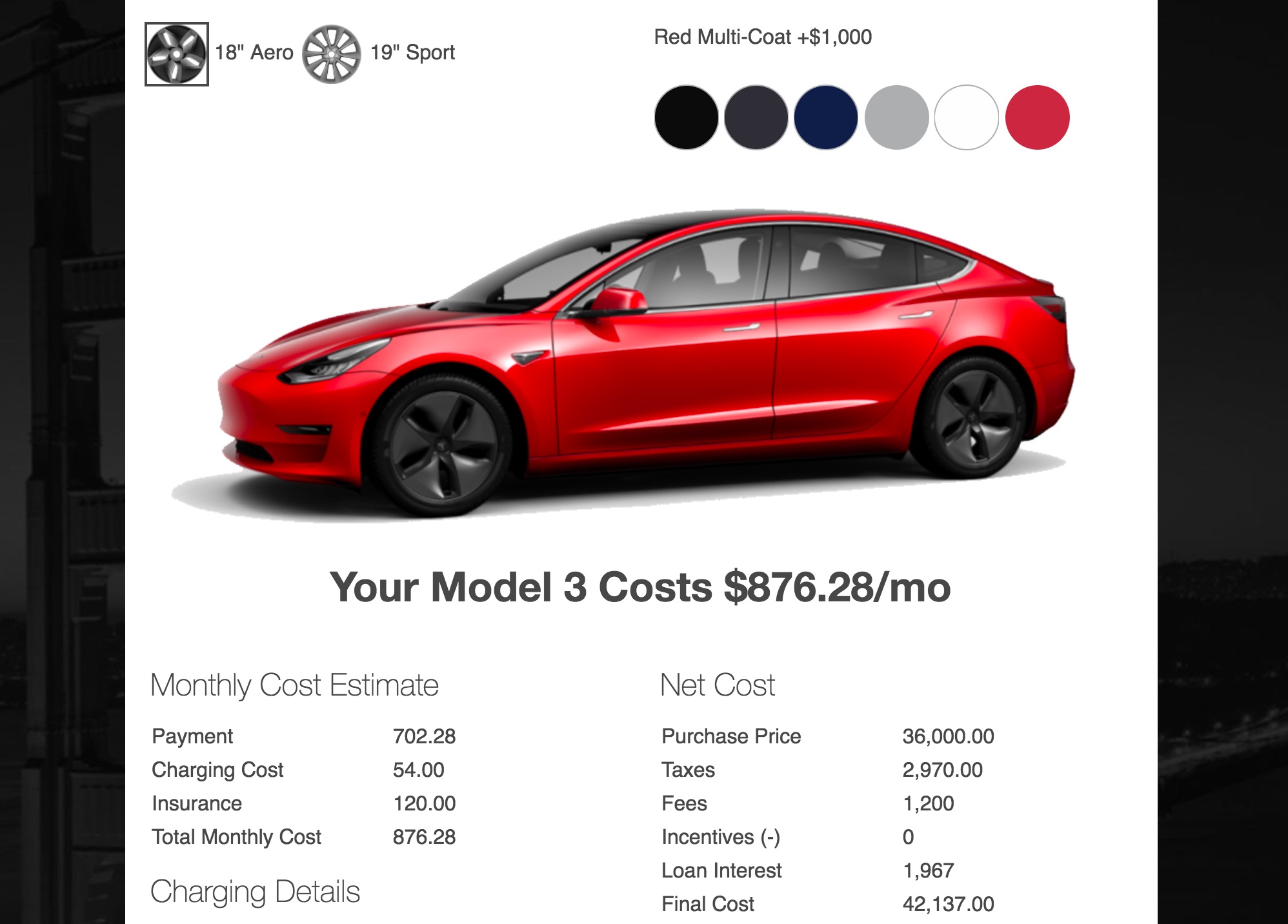
The choice depends on individual financial goals, driving habits, and desire for ownership versus flexibility.
Down Payment and Credit Score Impact
The amount of the down payment directly influences the total loan amount and, consequently, the monthly payments. A larger down payment can reduce the loan’s principal, potentially leading to lower interest costs over time. A strong credit score is paramount for securing the most favorable interest rates on either a loan or a lease. Lenders use credit scores to assess risk, and applicants with higher scores are offered better terms, significantly impacting the overall cost of financing.
The True Cost of Ownership: Long-Term Financial Implications
The financial journey with a Model 3 extends far beyond the initial purchase. Understanding the long-term operational and maintenance costs provides a more accurate picture of its true financial footprint.
Charging Costs: Home vs. Supercharger Network
One of the primary benefits of an EV is the elimination of gasoline costs, replaced by electricity.
- Home Charging: Charging at home, especially overnight during off-peak hours, is typically the most economical option. The cost per mile depends on local electricity rates. Many EV owners find that “fueling” their car at home is significantly cheaper than gasoline.
- Tesla Supercharger Network: For longer journeys, Tesla’s extensive Supercharger network offers rapid charging. Supercharging costs are generally higher than home charging but are still often competitive with or cheaper than gasoline on a per-mile basis. Tesla provides transparent pricing for Supercharging in its app and vehicle.
- Third-Party Charging: Using other public charging networks (Level 2 or DC Fast Chargers) will have varying costs depending on the provider and charging speed.
Factoring in your typical driving habits and access to charging infrastructure is essential for estimating annual “fuel” costs.
Insurance Premiums: What to Expect
Insuring a Tesla Model 3 can be more expensive than insuring a comparable internal combustion engine (ICE) vehicle. Several factors contribute to this:
- Vehicle Value: Teslas are premium vehicles with higher purchase prices, which translates to higher replacement costs for insurers.
- Repair Costs: The advanced technology, specialized components, and aluminum body panels can make repairs more complex and costly, driving up premiums.
- Performance: The Model 3, particularly the Long Range and Performance variants, offers brisk acceleration, which some insurers categorize as higher risk.
- Theft Risk: While not traditionally high-theft vehicles, their desirability can sometimes factor into insurance calculations.
It is highly recommended to obtain insurance quotes before purchasing to accurately factor this ongoing expense into your budget. Some insurers are beginning to offer EV-specific policies or discounts.
Maintenance and Service: Electric Vehicle Advantages
One of the significant long-term financial advantages of a Tesla Model 3 is its lower maintenance requirements compared to ICE vehicles. Electric powertrains have fewer moving parts:
- No Oil Changes: Eliminates a regular, recurring maintenance cost.
- Fewer Fluids: No transmission fluid, spark plugs, air filters (for engine), or fuel filters.
- Brake Longevity: Regenerative braking, where the electric motors slow the car and recapture energy, significantly reduces wear on traditional brake pads and rotors, leading to much longer lifespan between replacements.
- Software Updates: Tesla vehicles receive over-the-air (OTA) software updates that can improve performance, add features, and even address minor issues without a service center visit, saving time and potential costs.
While routine checks, tire rotations, and eventual battery degradation are still considerations, the overall maintenance schedule is considerably less demanding, potentially offering substantial savings over the vehicle’s lifespan.
Depreciation and Resale Value
Depreciation is the largest hidden cost of vehicle ownership. The Model 3, like all cars, will lose value over time. However, Teslas have historically demonstrated strong resale values compared to many other brands, due to their desirability, technological appeal, and consistent demand for EVs. Factors influencing depreciation include:
- Market Demand: Strong ongoing demand for EVs generally supports higher resale values.
- Battery Health: The condition of the battery pack is a critical factor for used EV pricing.
- Software and Features: Over-the-air updates mean even older Teslas can gain new functionalities, helping to preserve value.
- New Model Releases: The introduction of new models or significant refreshes can impact the value of existing models.
Understanding potential depreciation is key to assessing the long-term financial viability of owning a Model 3.
Software Subscriptions and Connected Services
Tesla offers certain connected services that enhance the ownership experience, some of which may transition to a subscription model. The “Premium Connectivity” package, for instance, provides features like satellite-view maps, live traffic visualization, in-car internet browsing, video streaming, and music streaming, often for a monthly fee after an initial trial period. While optional, these services are integral to the full Tesla experience and represent another potential recurring cost.
Is a Tesla Model 3 Worth the Investment? A Financial Perspective
Ultimately, the question of “how much does a Tesla Model 3 cost?” boils down to assessing its overall financial value proposition. This requires comparing its total cost of ownership against alternatives and considering the financial benefits that extend beyond mere transportation.
Comparing Total Cost of Ownership with ICE Vehicles
When viewed through the lens of total cost of ownership (TCO), the Model 3 often presents a compelling financial case over its lifespan, especially when compared to luxury or performance-oriented internal combustion engine (ICE) vehicles. While the upfront purchase price might be higher than some ICE alternatives, the Model 3 typically benefits from:
- Significantly Lower Fuel Costs: Electricity is almost universally cheaper than gasoline on a per-mile basis.
- Reduced Maintenance Expenses: Fewer moving parts and regenerative braking translate to fewer and less costly service visits.
- Potential for Incentives: Tax credits and rebates can effectively lower the initial purchase price.
- Strong Resale Value: Helps offset initial depreciation.
A detailed TCO analysis that spans 5-10 years, factoring in all these elements, frequently reveals that the Model 3 can be a more financially prudent choice than its seemingly cheaper ICE counterparts.
Financial Benefits Beyond Fuel Savings
Beyond direct cost savings, owning a Model 3 can yield other financial advantages:
- Environmental Impact & Potential Carbon Credits: While not a direct financial return for the individual, the environmental benefits contribute to broader societal and economic value, and some regions offer specific perks (e.g., HOV lane access) for EV owners.
- Time Savings: Reduced trips to gas stations and fewer service appointments translate into valuable time savings.
- Technological Longevity: Over-the-air updates keep the vehicle’s software and features current, potentially extending its functional lifespan and delaying the feeling of obsolescence.
- Potential for Home Energy Integration: For owners with solar panels or home battery storage, a Tesla EV can become part of a larger, more efficient home energy ecosystem, further reducing costs.
Long-Term Value and Future Outlook
The Model 3’s financial outlook remains strong. As battery technology improves and charging infrastructure expands, the desirability and utility of EVs are only set to grow. Tesla’s brand strength, innovation pipeline, and commitment to the EV ecosystem contribute to the Model 3 maintaining a robust position in the market. For those who factor in environmental considerations alongside financial ones, the Model 3 represents an investment in both personal mobility and a sustainable future, with a cost structure that is increasingly competitive over the long run.
In conclusion, answering “how much does a Tesla Model 3 cost?” requires a deep dive into base prices, optional extras, mandatory fees, potential incentives, financing choices, and the long-term expenses of ownership. While the initial investment is significant, a thorough financial analysis often reveals a compelling total cost of ownership profile, making the Model 3 a financially astute choice for many discerning buyers looking to embrace the electric era.
aViewFromTheCave is a participant in the Amazon Services LLC Associates Program, an affiliate advertising program designed to provide a means for sites to earn advertising fees by advertising and linking to Amazon.com. Amazon, the Amazon logo, AmazonSupply, and the AmazonSupply logo are trademarks of Amazon.com, Inc. or its affiliates. As an Amazon Associate we earn affiliate commissions from qualifying purchases.