
The acquisition of a Tesla Model S is no longer merely a statement of technological affinity; it is a significant financial undertaking that requires a sophisticated understanding of capital allocation, long-term asset management, and total cost of ownership (TCO). As the flagship sedan in Tesla’s fleet, the Model S occupies a unique space in the luxury electric vehicle (EV) market. For the discerning buyer, the primary question is not just “What is the sticker price?” but rather “What is the true impact of this vehicle on my personal balance sheet over a five-to-seven-year horizon?”

Navigating the financial landscape of high-end EV ownership involves dissecting initial capital outlays, evaluating fluctuating tax incentives, and projecting the operational savings against the backdrop of steep depreciation curves. This analysis provides a deep dive into the fiscal realities of the Tesla Model S, moving beyond the MSRP to uncover the systemic costs and benefits of this premium asset.
Initial Capital Outlay: Navigating MSRP, Options, and Financing
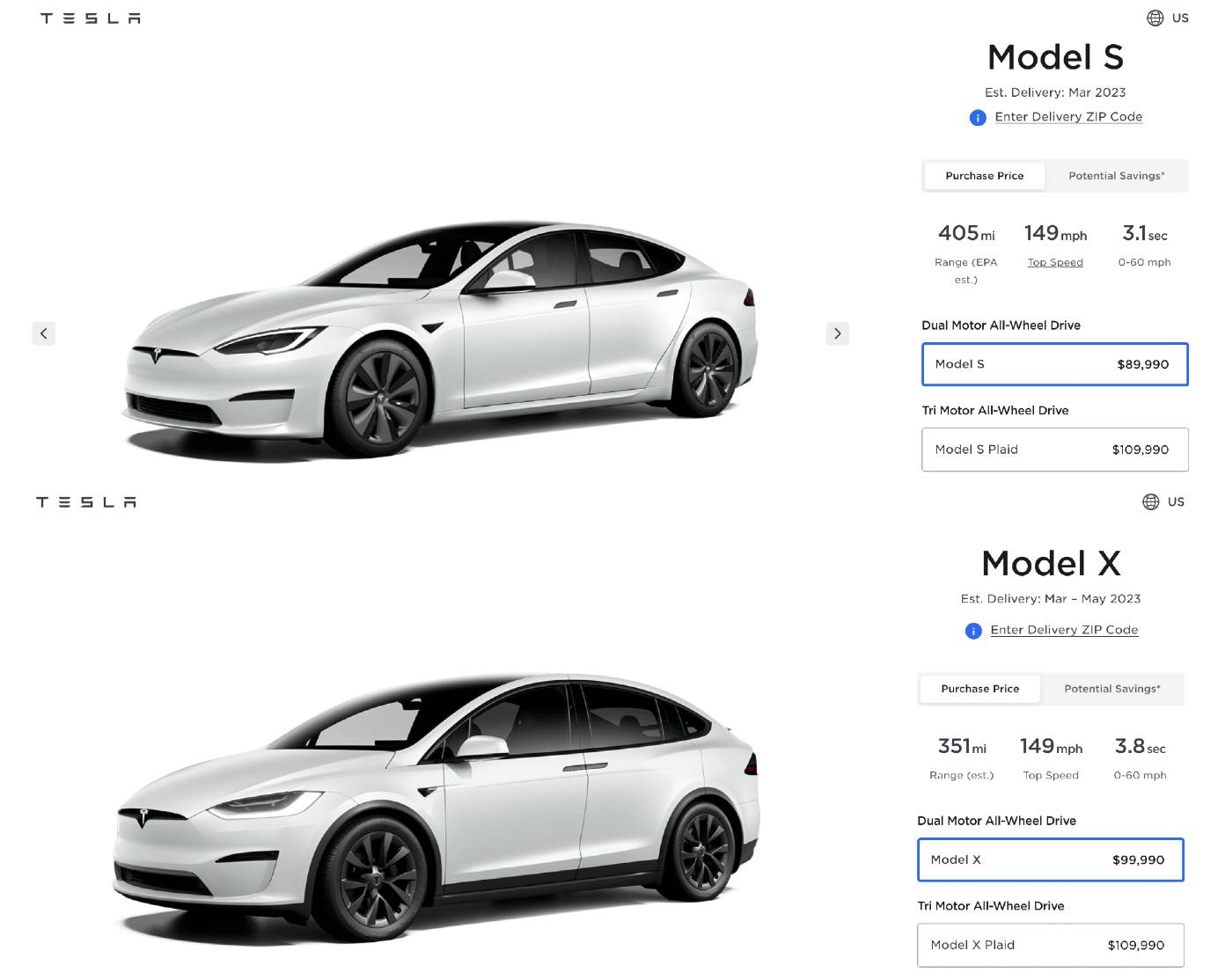
The baseline for any financial analysis of the Model S begins with the purchase price. Tesla’s pricing strategy is notoriously dynamic, often shifting in response to supply chain efficiencies, interest rate environments, and competitive pressures from legacy luxury automakers. As of the current market cycle, the Model S is primarily bifurcated into two distinct tranches: the Dual Motor All-Wheel Drive (Long Range) and the Tri-Motor “Plaid” variant.
The Base Price vs. The Plaid Performance Premium
The standard Model S currently enters the market at an MSRP of approximately $74,990. This figure represents the entry point into the luxury EV segment for Tesla, offering substantial range and performance. However, for those seeking the pinnacle of automotive engineering, the Model S Plaid commands a significant premium, with a starting price near $89,990. From a financial perspective, this $15,000 delta must be justified by more than just acceleration; it must be viewed through the lens of potential resale value and the “utility of enjoyment” for the high-net-worth individual.
Beyond the base prices, customization options such as the “Full Self-Driving” (FSD) capability—currently priced at $8,000 as a one-time purchase or available via a monthly subscription—add a layer of complexity to the initial investment. Choosing the one-time payment is a bet on the software’s future value and its ability to enhance the car’s residual value, whereas the subscription model preserves liquidity.
Financing Strategies and Interest Rate Impact
In a high-interest-rate environment, the method of acquisition significantly alters the net cost. Financing a $75,000 vehicle at a 6.5% APR over 72 months results in over $15,000 in interest payments alone. Consequently, many buyers are evaluating the opportunity cost of a cash purchase versus the tax advantages of leasing. While Tesla’s leasing options do not typically allow for a buyout at the end of the term, they offer a hedge against technological obsolescence—a critical factor in the rapidly evolving EV sector.
Tax Incentives and the MSRP Cap
A pivotal factor in the “Money” category of this discussion is the federal EV tax credit under the Inflation Reduction Act. Currently, the Model S faces a challenge: the federal credit of $7,500 is subject to an MSRP cap of $55,000 for sedans. Because the Model S starts well above this threshold, it does not qualify for the consumer purchase credit. This makes the “net” cost of a Model S higher than its younger sibling, the Model 3, or competitors that fall under the cap. However, some commercial leasing structures allow the lessor to claim the credit and pass savings onto the lessee, a loophole that savvy business owners often exploit to reduce monthly cash flow requirements.
The Hidden Arithmetic of Total Cost of Ownership (TCO)
To understand the true cost of a Tesla Model S, one must look past the acquisition phase and into the operational phase. The financial allure of an EV is often rooted in the promise of lower “fuel” costs and reduced maintenance, but these savings must be weighed against higher insurance premiums and specialized repair costs.
Fuel Savings vs. Utility Rates: Calculating the ROI
The most immediate financial benefit of the Model S is the decoupling from global oil price volatility. On average, charging a Model S at home costs roughly one-third of what it costs to fuel a comparable internal combustion engine (ICE) luxury sedan, such as a BMW 5 Series or an Audi A6. If a driver covers 15,000 miles per year, the annual savings on energy can range from $1,200 to $2,000, depending on local kilowatt-hour (kWh) rates. Over a five-year period, this translates to $6,000–$10,000 in recovered capital. However, frequent use of the Tesla Supercharger network, while convenient, carries a higher price point that can erode these margins.
Maintenance and the Longevity of Mechanical Assets
From a budgetary standpoint, the Model S offers a simplified maintenance schedule. Without oil changes, spark plugs, or transmission flushes, the predictable “burn rate” for maintenance is significantly lower. However, the Model S is a heavy vehicle with high torque, which leads to accelerated tire wear. A set of high-performance tires for a Model S can cost between $1,200 and $1,800, and many owners find themselves replacing them every 20,000 to 25,000 miles. Furthermore, out-of-warranty repairs on air suspension systems or the central infotainment unit can be costly, necessitating the consideration of an extended service agreement as a form of financial insurance.
The Insurance Premium Factor
One of the most overlooked costs in the Tesla financial ecosystem is insurance. Due to the high cost of aluminum body repairs and the specialized sensors required for Autopilot, insurance companies often categorize the Model S as a high-risk/high-cost asset. Owners can expect to pay 20% to 50% more in premiums compared to a similarly priced ICE vehicle. For a driver with a clean record, this might mean an additional $1,000 per year in carrying costs, which must be factored into the annual budget.
Depreciation and Resale Value: The Model S as a Depreciating Asset
In the world of personal finance, the most significant “cost” of a car is rarely the check written at the dealership; it is the loss in value over time. Depreciation is the silent killer of wealth, and the Tesla Model S has experienced a volatile history in this regard.
Market Trends in Luxury EV Residuals
Historically, Teslas held their value better than almost any other vehicle on the market. However, as the EV market has matured and Tesla has aggressively cut new-car prices to maintain market share, the used market has seen a correction. A Model S can lose 40% to 50% of its value within the first three years of ownership. For a $80,000 purchase, that represents a $40,000 hit to the owner’s net worth.
Potential buyers must view the Model S as a consumption item rather than an investment. To mitigate depreciation, the “sweet spot” is often found in purchasing a two-to-three-year-old certified pre-owned (CPO) Model S, where the previous owner has already absorbed the steepest part of the depreciation curve.
The Impact of Software and Hardware Iterations
Unlike traditional cars, a Tesla’s value is heavily tied to its hardware generation (e.g., Hardware 3 vs. Hardware 4). A Model S that lacks the latest sensor suite may depreciate faster as software updates become more demanding. Conversely, Tesla’s ability to improve the vehicle through over-the-air (OTA) updates provides a unique “value floor” that traditional cars lack, as the vehicle can technically become more capable over time, potentially slowing the rate of perceived obsolescence.
Business Finance: Deductions and Strategic Ownership
For entrepreneurs and business owners, the Model S can serve as a strategic financial tool. Under certain tax codes, such as Section 179 or bonus depreciation in the United States, luxury vehicles used for business purposes can offer significant tax shields.
Section 179 and Corporate Deductions
While the Section 179 deduction is typically associated with heavy SUVs (the “Hummer Tax Loophole”), the Model S still offers professional benefits. If the vehicle is used more than 50% for business, owners can depreciate the asset over five years using the Modified Accelerated Cost Recovery System (MACRS). This allows for a substantial deduction in the early years of ownership, effectively lowering the “after-tax” cost of the car. When viewed through this lens, a Model S used for client meetings and executive travel becomes a tax-efficient alternative to a traditional luxury sedan.
Branding and Corporate Identity
From a marketing finance perspective, the Model S functions as an extension of a brand’s identity. For businesses focused on sustainability, innovation, or technology, the vehicle serves as a rolling billboard. While difficult to quantify on a balance sheet, the “brand equity” generated by an executive driving a flagship Tesla can influence client perception and contribute to the business’s overall professional image.
Is the Tesla Model S a Sound Financial Decision?
The “cost” of a Tesla Model S is a multifaceted equation that extends far beyond the $75,000–$90,000 initial price tag. To accurately assess its impact on one’s finances, one must aggregate the lack of fuel costs, the reduction in mechanical maintenance, the increase in insurance premiums, and the substantial impact of depreciation.
For the high-income earner who can leverage business tax deductions and charge at home using off-peak electricity rates, the Model S represents a sophisticated blend of luxury and long-term fiscal efficiency. However, for those financing the vehicle at high rates without a clear path to offsetting depreciation, the Model S remains a premium luxury expenditure. Ultimately, owning a Model S is a masterclass in modern asset management: it requires looking past the immediate price to understand the complex interplay of technology, energy, and market dynamics that define the true cost of the electric frontier.
aViewFromTheCave is a participant in the Amazon Services LLC Associates Program, an affiliate advertising program designed to provide a means for sites to earn advertising fees by advertising and linking to Amazon.com. Amazon, the Amazon logo, AmazonSupply, and the AmazonSupply logo are trademarks of Amazon.com, Inc. or its affiliates. As an Amazon Associate we earn affiliate commissions from qualifying purchases.