
Navigating the landscape of transportation needs can often lead to a crucial question: when does renting a car for an extended period, say a full month, become a financially viable or even advantageous option? Whether you’re a digital nomad, on an extended business trip, in between car ownership, or simply exploring a new city at your own pace, understanding the financial intricacies of a monthly car rental is paramount. This isn’t just about the sticker price; it involves a complex interplay of base rates, insurance, fees, and strategic choices that can significantly impact your total expenditure. Delving into the ‘Money’ aspect of this decision reveals a path to informed budgeting and potential savings.

Understanding the Base Factors Influencing Monthly Rental Costs
The initial price quoted for a monthly car rental is rarely the final price. Several fundamental factors contribute to this base rate, and comprehending them is the first step toward accurate financial planning.
Vehicle Type and Size
The class of vehicle you choose directly correlates with the monthly cost. Economy cars are invariably the cheapest, offering basic transportation and fuel efficiency. As you move up to standard sedans, SUVs, minivans, or luxury vehicles, the daily and thus monthly rates climb significantly. For instance, an economy car might range from $400-$800 per month, while an SUV could easily cost $800-$1,500+, and a luxury vehicle could soar past $2,000. Your needs, passenger count, luggage requirements, and desired comfort level will dictate this choice, but always weigh it against your budget.
Rental Company and Location
The choice of rental agency plays a pivotal role. Major national and international brands like Enterprise, Hertz, Avis, Budget, and National often have competitive rates, extensive fleets, and wider availability, but their convenience can sometimes come at a premium. Local or regional rental companies might offer lower base rates, but it’s essential to scrutinize their terms, vehicle condition, and customer service reputation.
Furthermore, where you pick up the car makes a substantial difference. Airport locations, while convenient, almost always include additional taxes, facility fees, and surcharges that can inflate the total cost by 10-30%. Opting for an off-airport location, even if it requires a short ride-share or taxi, can yield significant savings over a month-long rental period.
Rental Duration and Booking Lead Time
While this article focuses on monthly rentals, it’s worth noting that longer rental periods generally benefit from lower per-day rates. Rental companies often structure their pricing to incentivize longer commitments. A 30-day rental will almost always have a lower daily average than five separate 6-day rentals, for example. Many companies offer specific “long-term” or “monthly” rental programs designed to be more cost-effective than simply multiplying a daily rate.
Booking in advance is another key strategy. Last-minute rentals, especially during peak demand, tend to be more expensive. Planning ahead allows you to compare prices across different providers and secure better rates before inventory becomes scarce and prices surge.
Seasonality and Demand
Just like airfare and hotel rooms, rental car prices are highly susceptible to seasonality and demand. Renting a car for a month during peak travel seasons (e.g., summer holidays, major festivals, spring break, winter in popular warm destinations) will inevitably be more expensive than during the off-season. Demand spikes lead to higher prices as rental companies adjust their algorithms to maximize revenue. If your travel dates are flexible, choosing to rent during quieter periods can lead to substantial savings.
Beyond the Base Rate: Unpacking Additional Fees and Charges
The base monthly rate is merely the tip of the iceberg. A comprehensive financial assessment requires a deep dive into the myriad of additional fees and charges that can quickly escalate the total cost of a monthly rental. Ignoring these can lead to significant budget overruns.
Insurance Options
Rental car insurance is arguably the most complex and potentially expensive add-on. Rental companies typically offer several types:
- Loss Damage Waiver (LDW) or Collision Damage Waiver (CDW): Covers damage to the rental vehicle itself. This can be very expensive, sometimes adding $20-$30 per day, totaling $600-$900+ per month.
- Supplemental Liability Insurance (SLI): Increases liability coverage beyond the state minimums.
- Personal Accident Insurance (PAI): Covers medical expenses for you and your passengers.
- Personal Effects Coverage (PEC): Covers loss or damage to personal belongings in the car.
Crucially, you might already have some of this coverage. Your personal auto insurance policy often extends to rental cars (check your deductible and limitations). Many credit cards offer secondary CDW coverage when you pay for the rental with their card. Understanding your existing coverage can save you hundreds, if not thousands, of dollars over a month.
Taxes and Surcharges
These are often non-negotiable but vary significantly by location. They include state sales tax, local taxes, airport concession fees, vehicle licensing fees, and energy surcharges. While individually small, they can collectively add a considerable percentage to your overall bill. Always request an itemized breakdown of all taxes and fees.
Optional Extras
Rental companies generate significant revenue from optional extras. These include:
- GPS navigation systems: Often unnecessary given most smartphones have built-in navigation.
- Child safety seats: Can be rented, but bringing your own is usually cheaper.
- Toll passes/transponders: Convenient but can include daily service fees even on days you don’t use them, plus the actual toll costs.
- Roadside assistance: Sometimes included, sometimes an extra charge.
Evaluate each extra critically. Can you use your phone for GPS? Can you bring your own child seat? Are the toll pass fees worth the convenience, or is paying cash/using your own transponder more cost-effective?
Fuel Policies
Understanding the fuel policy is crucial for managing costs.
- Full-to-Full: You pick up the car with a full tank and return it full. This is generally the most economical option as you only pay for the fuel you use at local gas station prices.
- Pre-paid Fuel: You pay for a full tank upfront at the rental company’s rate, regardless of how much fuel you use. Avoid this unless you are absolutely certain you will return the tank near empty, as the per-gallon rate is often higher than market price.
- Return Empty (or pay for what you use): The rental company refuels the car and charges you a premium rate per gallon, often with an additional service fee. This is almost always the most expensive option.
Mileage Limits and One-Way Fees
Most long-term rentals come with unlimited mileage, but always confirm. If there are mileage limits and you exceed them, per-mile charges can add up quickly. If you plan to pick up a car in one city and drop it off in another, be prepared for a substantial “one-way” or “drop-off” fee, which can sometimes be hundreds of dollars.
Young Driver Surcharges
For renters under the age of 25 (sometimes 21-24 depending on state and company policies), a daily “young driver surcharge” is typically applied. This can add $20-$35+ per day, significantly increasing the monthly cost for younger drivers.
Strategies for Reducing Your Monthly Rental Car Expenses
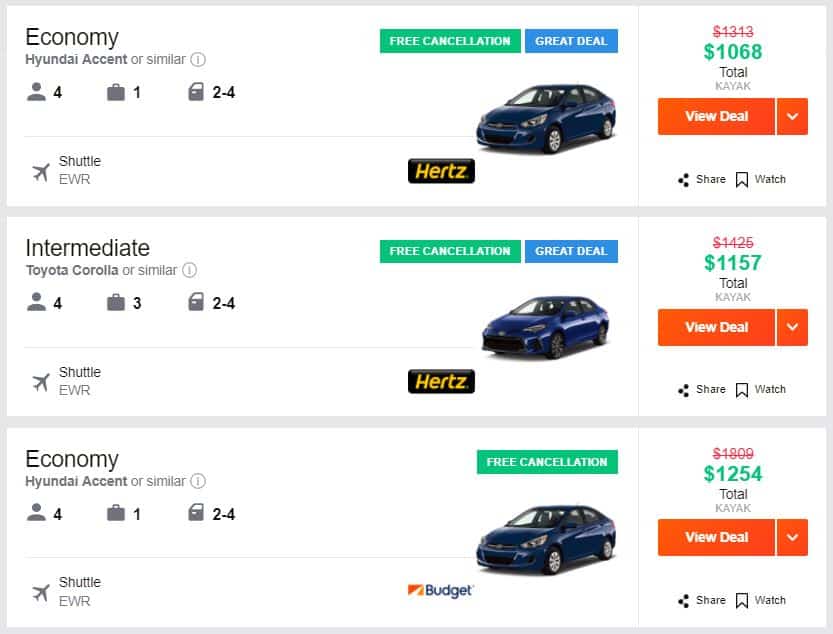
Armed with knowledge about potential costs, you can now employ strategies to minimize your monthly rental expenditure. Financial prudence here can lead to substantial savings.
Comparing Prices Across Platforms
Never settle for the first quote. Use a combination of strategies:
- Online Travel Agencies (OTAs) / Aggregators: Websites like Kayak, Expedia, Priceline, and RentalCars.com allow you to compare prices from multiple companies simultaneously.
- Direct Bookings: After finding a good rate on an aggregator, check the rental company’s direct website. Sometimes they offer exclusive promotions or better rates.
- Discount Codes: Search for coupon codes or promotional offers before booking.
Leveraging Loyalty Programs and Memberships
If you frequently rent cars, joining a rental company’s loyalty program can unlock benefits like faster pickups, free upgrades, and discounted rates. Similarly, memberships with organizations like AAA, AARP, Costco, or even some credit card programs often come with pre-negotiated rental car discounts. Your employer might also have corporate rates that you can utilize for personal travel.
Optimizing Insurance Coverage
This is where the biggest savings can often be found.
- Check your personal auto insurance: Verify if your policy extends coverage to rental cars and understand your deductible.
- Utilize credit card benefits: Many premium travel credit cards offer primary or secondary CDW. Always read the fine print regarding coverage limitations, duration, and vehicle types.
- Decline unnecessary add-ons: If you have adequate existing coverage, confidently decline the rental company’s expensive insurance options.
Avoiding Airport Pickups
As mentioned, airport locations are convenient but pricier. Look for rental branches a short distance away – a taxi, Uber, or public transport ride might cost a fraction of the airport fees and taxes you’d save.
Booking in Advance and During Off-Peak Times
This financial strategy is simple: earlier bookings during periods of lower demand generally result in lower prices. If your travel plans are flexible, shifting your rental start date by a few days can sometimes land you in a different pricing tier.
Understanding Fuel Policies
Always opt for the “full-to-full” policy to ensure you only pay for the fuel you actually consume at local pump prices. Plan your final fill-up near the return location to avoid surcharges.
When Does a Monthly Rental Make Financial Sense?
Beyond just cutting costs, understanding the scenarios where a monthly rental offers superior financial value compared to alternatives is key.
Transitional Periods
If you’re relocating, have just sold your car, are waiting for a new car delivery, or your personal vehicle is undergoing extensive repairs, a monthly rental provides seamless transportation without the long-term commitment of ownership or leasing. It bridges the gap cost-effectively.
Avoiding Depreciation and Maintenance Costs
For individuals who only need a car for a few months out of the year, or for those who don’t want the financial burden of car ownership (depreciation, insurance, maintenance, repairs, registration), a long-term rental can be an attractive alternative. You pay a predictable monthly fee and hand back the keys, sidestepping the unpredictable costs of ownership.
Extended Travel or Vacations
Exploring a region for an extended period, such as a month-long road trip or a sabbatical abroad, makes a monthly rental an excellent choice. It offers flexibility, unlimited mileage (usually), and the freedom to explore at your leisure, often at a better daily rate than multiple shorter rentals.
Alternatives to Consider
While a monthly rental can be beneficial, always weigh it against other financial options:
- Car Sharing Services (e.g., Zipcar, Turo): For very infrequent use or specific short trips within a month.
- Public Transportation: For urban areas with excellent transit networks, this might be the cheapest option.
- Ride-sharing (Uber/Lyft): If your car usage is minimal, the cumulative cost of ride-shares might be less than a monthly rental.
- Short-term Lease: For needs extending beyond 3-6 months, a short-term lease might become more economical.
Budgeting for Your Monthly Rental Car: A Financial Checklist
Effective financial planning is crucial for any significant expenditure, and a monthly car rental is no exception. Here’s a checklist to ensure you cover all monetary bases.
Calculate the All-Inclusive Cost
Don’t just look at the base rate. Create a detailed spreadsheet or use a calculator to factor in:
- Base monthly rate
- Estimated insurance costs (if purchasing through the rental company)
- All identified taxes and fees
- Cost of any optional extras you deem necessary
- Estimated fuel costs for the month
- Any potential young driver surcharges or one-way fees
This comprehensive figure will be your true monthly cost.
Set a Realistic Budget
Based on your all-inclusive cost calculation, set a firm budget. Compare this against your disposable income and other financial commitments. Can you comfortably afford this expenditure for a full month? If not, revisit your choices: can you opt for a smaller car, choose a different pickup location, or leverage more discounts?
Review Rental Agreements Carefully
Before signing anything, meticulously read the entire rental agreement. Pay close attention to:
- Mileage limits
- Fuel policy
- Cancellation policy
- Late return fees
- Damage reporting procedures
- Geographical restrictions
Understanding these terms can prevent unexpected charges and financial surprises.

Track Expenses
During your rental period, keep a log of all car-related expenses, including fuel, tolls, and any minor incidentals. This not only helps you stick to your budget but also provides valuable data for future financial decisions regarding car rentals or ownership.
In conclusion, a monthly rental car offers flexibility and freedom, but its financial viability hinges on diligent research, strategic decision-making, and thorough budgeting. By understanding the factors influencing costs, leveraging available discounts, and carefully assessing your needs against the alternatives, you can make an economically sound choice that aligns perfectly with your financial goals.
aViewFromTheCave is a participant in the Amazon Services LLC Associates Program, an affiliate advertising program designed to provide a means for sites to earn advertising fees by advertising and linking to Amazon.com. Amazon, the Amazon logo, AmazonSupply, and the AmazonSupply logo are trademarks of Amazon.com, Inc. or its affiliates. As an Amazon Associate we earn affiliate commissions from qualifying purchases.