
Understanding the daily cost of a rental car is far more complex than a simple glance at a base rate. For many, a rental car is an indispensable part of travel, a temporary substitute during car repairs, or a convenience for specific errands. However, the price tag can fluctuate wildly based on a myriad of factors, transforming a seemingly affordable daily rate into a substantial expense. Navigating the labyrinth of base rates, mandatory fees, optional add-ons, and location-specific surcharges requires a keen eye and a strategic financial approach. This article delves into the intricate financial landscape of rental car pricing, equipping you with the knowledge to accurately budget and make cost-effective decisions.

The Core Components of Rental Car Pricing
The advertised daily rate for a rental car is merely the tip of the iceberg. To truly understand “how much does a rental car cost a day,” one must dissect the fundamental elements that contribute to the final bill. These components vary significantly and are influenced by market dynamics, operational costs, and consumer choices.
Base Rental Rate: Understanding the Daily Charge
The base rental rate is the foundation of your rental agreement and what most people refer to as the “daily cost.” This figure is highly elastic, influenced by several key variables. The most significant is supply and demand: during peak travel seasons (holidays, summer vacations) or major events, rental car availability shrinks, and prices surge. Conversely, off-peak periods often present more attractive rates. Booking farther in advance can sometimes lock in lower rates, though last-minute deals can occasionally materialize if a company has excess inventory. The type of vehicle also plays a crucial role; an economy compact car will invariably have a lower base rate than a full-size SUV, luxury sedan, or specialty vehicle like a convertible.
Location Surcharge: Airport vs. Off-Airport Rentals
Where you pick up your rental car can dramatically impact the daily cost. Airport rental locations, while convenient, almost always come with higher fees. These surcharges are typically a combination of concession fees paid by rental companies to the airport authority, increased taxes, and higher operational costs associated with prime airport real estate. These can add anywhere from 10% to 30% (or even more) to your total bill. Off-airport or downtown locations, while requiring a bit more planning to reach, often offer significantly lower base rates and fewer surcharges. For budget-conscious travelers, factoring in the cost and time of a taxi or rideshare to an off-airport location might still result in considerable savings.
Vehicle Type and Demand: Economy vs. Luxury, Peak Seasons
As mentioned, the class of vehicle directly correlates with its daily base rate. Economy and compact cars are the most budget-friendly, offering efficient fuel consumption and lower rental costs. Mid-size and standard cars offer a balance of comfort and affordability. Full-size, premium, SUVs, and luxury vehicles carry progressively higher daily rates due to their higher acquisition costs, greater insurance premiums for the rental company, and the perceived value to the customer. Beyond the vehicle class, market demand for certain types of vehicles at specific times can also influence pricing. For instance, an SUV might command a higher premium in a mountainous region during winter, while a convertible might be pricier in a coastal area during summer.
Rental Duration: Daily, Weekly, or Monthly Rates
The length of your rental period also plays a significant role in the effective daily cost. Rental companies often incentivize longer rental durations with lower average daily rates. A car rented for a single day might have a higher per-day charge than if you were to rent it for a full week. Weekly rentals typically offer a discount compared to seven individual daily rentals. Similarly, monthly rentals or long-term leases often feature the lowest per-day cost, suitable for extended business trips or temporary relocations. It’s always worth exploring whether slightly extending your rental duration could lead to a better overall deal, even if you only need the car for a shorter period.
Navigating the Maze of Additional Fees and Charges
Beyond the base rate, a complex web of additional fees, taxes, and optional extras can inflate your rental car cost. These are critical to understand to avoid sticker shock when you finally receive your bill.
Insurance Options: CDW, SLI, PAI, and Personal Car Insurance
Rental car insurance is arguably the most significant source of confusion and unexpected costs. Rental companies typically offer various coverage options:
-
Collision Damage Waiver (CDW) or Loss Damage Waiver (LDW): This waives your financial responsibility for damage to the rental car, regardless of fault. It can be expensive, adding $15-$30+ per day.
-
Supplemental Liability Insurance (SLI): Provides additional liability coverage beyond the state minimums if you injure someone or damage their property.
-
Personal Accident Insurance (PAI): Covers medical costs for you and your passengers in case of an accident.
-
Personal Effects Coverage (PEC): Insures personal belongings stolen from or damaged in the rental car.
Before opting for these, check your personal auto insurance policy (which often extends coverage to rentals), your credit card benefits (many premium cards offer secondary CDW/LDW coverage), or third-party travel insurance policies. Leveraging existing coverage can save you hundreds of dollars over a multi-day rental.
Fuel Policies: Pre-pay, Refill, or Per-mile Charges
Rental companies offer different fuel options, each with financial implications:
-
Full-to-Full: You pick up the car with a full tank and return it full. This is usually the most cost-effective option, provided you refill it yourself at a local gas station.
-
Pre-paid Fuel: You pay for a full tank upfront at a price determined by the rental company. This is convenient but often more expensive than market rates. Only choose this if you’re sure you’ll use a full tank and won’t have time to refuel yourself before returning the car.
-
Pay-for-Refill: If you return the car with less than a full tank and haven’t pre-paid, the rental company will refuel it and charge you a premium rate, often significantly higher than local gas prices, plus a refueling service fee.
Age Restrictions and Young Driver Fees
Drivers under a certain age (typically 25) often face a “young driver fee.” This daily surcharge can be substantial, sometimes adding $20-$35+ per day to the rental cost, reflecting the higher insurance risk associated with younger drivers. Some companies may also have a maximum age limit. Always confirm age policies and associated fees before booking.
One-Way Rental Fees and Drop-Off Charges
Renting a car in one location and returning it to another (a “one-way rental”) almost always incurs an additional fee. This covers the logistical cost for the rental company to transport the vehicle back to its origin or to another location where it’s needed. These fees can range from a nominal amount for short distances to hundreds of dollars for cross-country trips, making careful consideration essential for your budget.
Extra Features: GPS, Child Seats, Toll Passes
Optional extras, while convenient, can quickly inflate your daily cost. GPS units, child safety seats, satellite radio, and roadside assistance packages are common offerings. A GPS unit, for instance, might cost $10-$15 per day, whereas your smartphone likely offers free navigation. Child seats, while necessary, can add $10-$20 per day. Toll passes (e.g., EZ-Pass, SunPass) provided by rental companies add a daily administrative fee on top of the actual tolls, which can be avoided by bringing your own transponder or paying cash where available.
Taxes and Government Surcharges
Like almost any consumer transaction, rental cars are subject to various state and local taxes, sales taxes, and government surcharges. These are non-negotiable and vary by jurisdiction, often including fees for highway usage, tourism, or public transportation. While individually small, they collectively add to the final daily total.
Strategies to Minimize Your Daily Rental Car Expenses
With a clear understanding of the cost components, you can employ various strategies to significantly reduce your rental car expenditures. Smart financial planning can transform a pricey rental into an affordable convenience.
Booking in Advance and Comparison Shopping
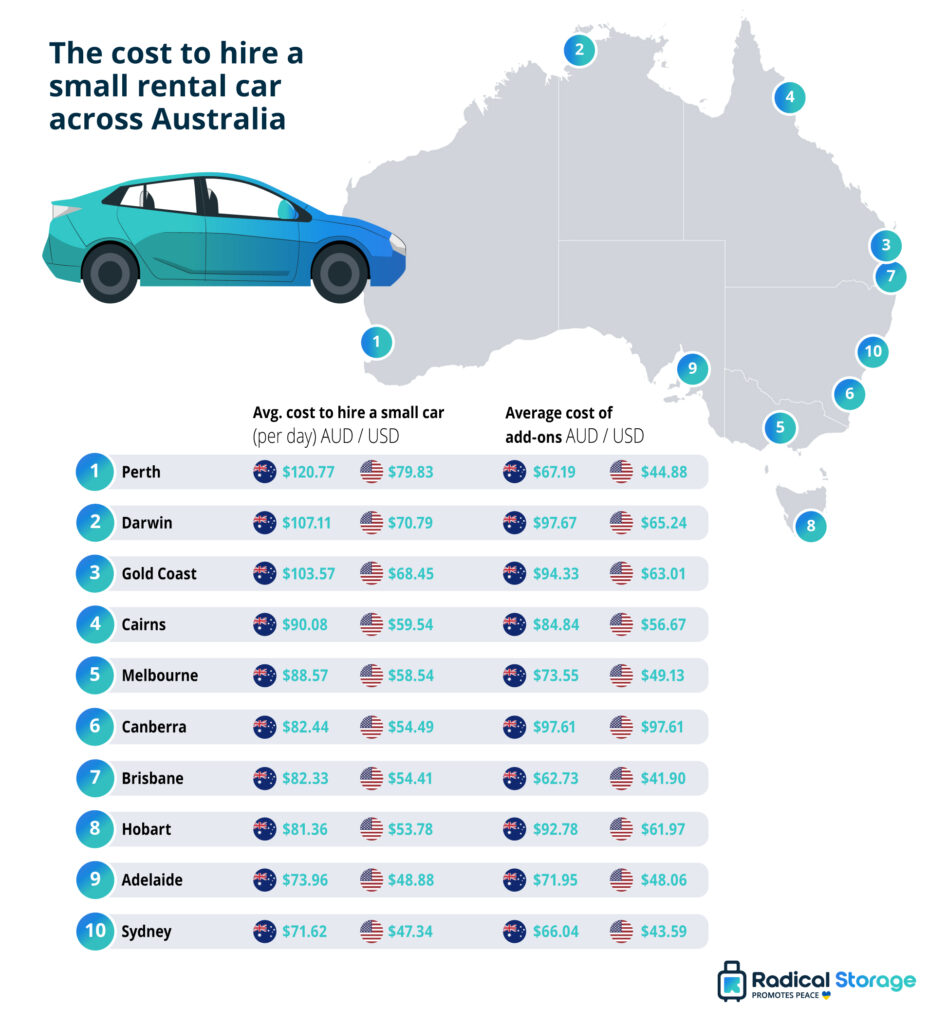
Early booking, especially during peak seasons, generally yields better rates. As demand increases closer to the rental date, so do prices. Always use comparison websites (e.g., Kayak, Skyscanner, Expedia) alongside checking directly with major rental companies (Hertz, Enterprise, Avis, Budget, National) and even smaller local agencies. Prices can vary widely, and different companies may offer better deals on specific vehicle types or durations. Don’t forget to check for discount codes or promotional offers.
Leveraging Loyalty Programs and Credit Card Benefits
If you rent frequently, joining a rental company’s loyalty program (e.g., Hertz Gold Plus Rewards, Enterprise Plus) can lead to discounts, free upgrades, and expedited service. More importantly, many premium credit cards offer excellent rental car benefits, including primary or secondary collision damage waiver (CDW/LDW) insurance, roadside assistance, and even status upgrades with rental companies. Before booking, call your credit card company to understand what benefits you possess.
Choosing the Right Pick-up and Drop-off Locations
As discussed, airport rentals are almost always more expensive. Consider taking public transportation, a taxi, or a rideshare service to an off-airport location. While this adds a small upfront cost, the savings on rental fees and surcharges can be substantial, especially for longer rentals.
Understanding and Utilizing Your Own Insurance
Before paying for the rental company’s insurance, thoroughly review your personal auto insurance policy. Many policies extend collision and liability coverage to rental cars, often making the rental company’s CDW and SLI redundant. If your personal policy offers adequate coverage, you can confidently decline the expensive add-ons. Be aware of deductibles and specific exclusions in your policy.
Avoiding Unnecessary Add-ons
Scrutinize every additional option offered at the counter. Do you truly need a GPS if you have a smartphone? Can you bring your own child seat? Will you use the entire pre-paid tank of gas, or can you refuel yourself more cheaply? Each “optional” item is a profit center for the rental company and a drain on your wallet. Be firm in declining what you don’t need.
Smart Fuel Management
Always aim to return the car with a full tank if you chose the “full-to-full” option. Locate gas stations near the return location in advance. Paying the rental company’s premium refueling charges, plus any service fees, is one of the quickest ways to unnecessarily inflate your daily cost.
The Hidden Costs: Beyond the Obvious
Even after meticulously planning for base rates, fees, and insurance, certain “hidden” costs can emerge during or after your rental period, adding to the true daily expense.
Tolls and Parking Fees
These are often overlooked but can accumulate rapidly, especially in urban areas or on major highways. Research toll roads on your route and consider whether a rental company’s toll pass program (which charges a daily administrative fee on top of tolls) is more cost-effective than using your own transponder or paying cash. Parking fees in cities, airports, or tourist attractions can also significantly add to your daily transportation budget.
Potential Fines and Penalties (Speeding, Damage)
Any traffic violations (speeding, parking tickets) incurred during your rental period will be your responsibility. The rental company will often charge an administrative fee on top of the fine itself to process and forward the ticket to you. Furthermore, any damage to the vehicle that isn’t covered by your insurance or a CDW waiver can result in hefty repair costs. Always inspect the car thoroughly for existing damage before driving off and take photos for documentation.
Cleaning Fees and Smoking Policies
Returning a rental car excessively dirty (e.g., mud, pet hair, food stains) can lead to cleaning fees. Most rental companies also enforce strict no-smoking policies, and a violation can result in a significant penalty, often hundreds of dollars, to remove the odor and residue. Treat the rental car with the same care you would your own vehicle.
Opportunity Cost of Renting vs. Other Transport
While not a direct “cost” on your bill, consider the opportunity cost. Is renting a car truly the most financially savvy option for your specific situation? For short city trips, rideshares, taxis, or public transport might be cheaper and more convenient, eliminating parking hassles and fuel costs. For solo travelers, a car might be an extravagance compared to shared transport. Evaluate your needs against alternative modes of transportation to ensure you’re making the most financially sound choice.
Making an Informed Financial Decision
Ultimately, determining “how much does a rental car cost a day” requires a comprehensive approach, calculating not just the advertised rate but all potential surcharges, fees, and optional extras.
Calculating the True Total Cost
To accurately budget, always ask for a full quote that includes all mandatory fees, taxes, and any optional add-ons you genuinely need. Don’t just look at the daily base rate. Factor in potential fuel costs, tolls, and parking. Create a realistic daily budget that encompasses all these elements to avoid financial surprises.
When Renting Makes Financial Sense
Renting a car often makes financial sense when:
-
You’re traveling to an area with limited public transport.
-
You need flexibility and convenience for multiple destinations or a dynamic itinerary.
-
You’re traveling with family or a group where ride-sharing would be more expensive.
-
Your personal vehicle is unavailable or unsuitable for the trip.

Budgeting for Unexpected Rental Car Expenses
Even with careful planning, unexpected situations can arise. Budget a small contingency fund (e.g., 10-15% extra) for potential surprises like unforeseen tolls, parking tickets, or minor damage not covered by insurance. This financial buffer ensures that your travel plans remain stress-free.
In conclusion, while the average daily cost of a rental car can range anywhere from $30 for a compact car in an off-peak, off-airport location to well over $100 for a premium SUV during peak season at an airport, the true daily cost is a sum of many parts. By understanding these components, proactively researching, leveraging existing resources, and making informed choices, you can effectively manage and significantly reduce the financial impact of renting a car.
aViewFromTheCave is a participant in the Amazon Services LLC Associates Program, an affiliate advertising program designed to provide a means for sites to earn advertising fees by advertising and linking to Amazon.com. Amazon, the Amazon logo, AmazonSupply, and the AmazonSupply logo are trademarks of Amazon.com, Inc. or its affiliates. As an Amazon Associate we earn affiliate commissions from qualifying purchases.