
In an increasingly subscription-driven economy, Amazon Prime stands as one of the most pervasive and arguably impactful services on consumer spending habits. More than just a convenience, a Prime membership represents a recurring financial commitment that warrants careful scrutiny from a personal finance perspective. Understanding “how much does a Prime membership cost” isn’t merely about knowing the sticker price; it’s about evaluating the total financial impact, weighing the perceived benefits against the actual outflow of cash, and assessing its true value within your personal budget. This article delves into the various costs associated with Amazon Prime, explores the often-overlooked financial implications, and offers strategies for making an informed, financially savvy decision about whether it’s a worthwhile investment for your wallet.
Understanding the Core Membership Costs and Tiers
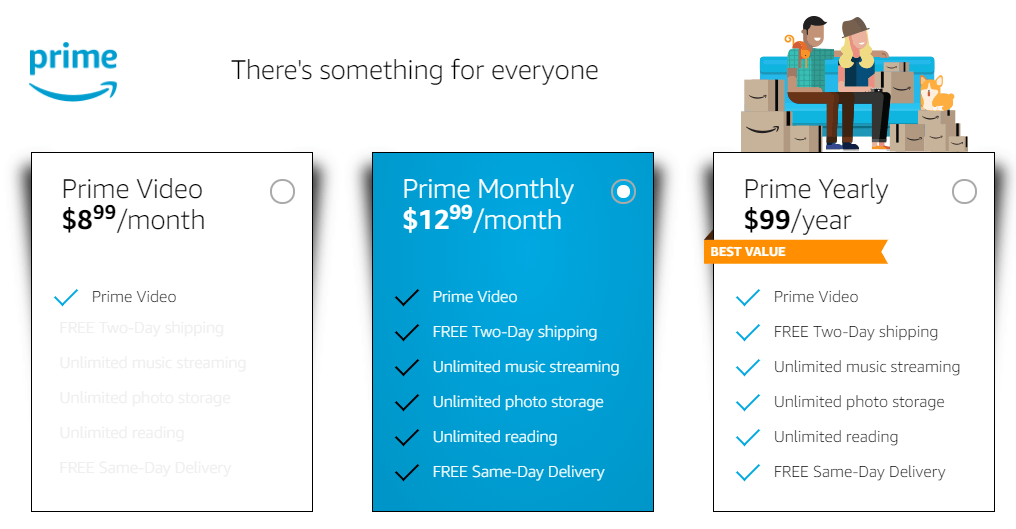
Amazon Prime is not a one-size-fits-all subscription; it offers various tiers and payment structures designed to cater to different demographics and usage patterns. Discerning the most cost-effective option for your specific needs is the first step in a financially astute evaluation.
Standard Annual and Monthly Plans
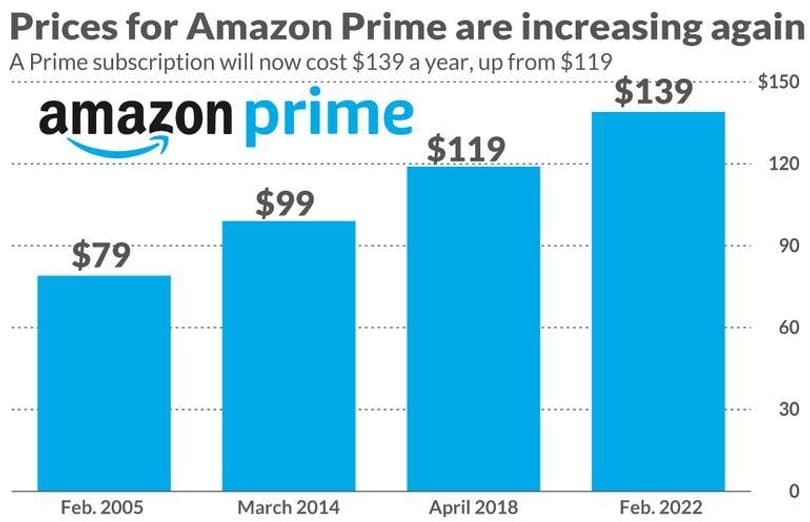
The most common way individuals subscribe to Amazon Prime is through its standard annual or monthly plans. As of the current offerings, the annual membership typically costs $139 per year. Opting for the annual payment upfront provides a significant discount compared to the monthly alternative. The monthly Prime membership is priced at approximately $14.99 per month.
From a pure financial standpoint, choosing the annual plan over the monthly plan translates to a direct saving of about $40 per year ($14.99 x 12 months = $179.88, compared to $139). This significant difference highlights the importance of committing to a yearly subscription if you anticipate consistent usage. However, the monthly option offers greater flexibility, allowing members to cancel at any time, which can be advantageous for those who only need Prime during specific periods, like holiday shopping seasons. For the financially disciplined, the annual plan is usually the better deal, assuming consistent need.
Discounted Memberships: Students and Qualifying Government Assistance Recipients
Amazon recognizes that not everyone has the same discretionary income, and thus offers significantly reduced rates for specific eligible groups. These discounts are crucial for budget-conscious individuals who can qualify.
- Prime Student: For actively enrolled college students, Amazon offers Prime Student at a dramatically reduced rate of $7.49 per month or $69 per year. This program often begins with a generous six-month free trial, providing ample time to experience the benefits before committing financially. The savings for students are substantial, making Prime significantly more accessible and potentially beneficial for their academic and personal needs, such as textbook shipping or streaming during study breaks.
- Prime Access (EBT/Medicaid): Individuals receiving qualifying government assistance, such as EBT or Medicaid benefits, can access a Prime membership for just $6.99 per month. This tier aims to make essential services, including fast shipping and digital entertainment, more affordable for those on limited incomes. This reduced rate can be a critical financial support for eligible households, ensuring access to necessary goods and services without placing undue strain on tight budgets.
These discounted tiers underscore Amazon’s strategy to broaden its subscriber base by making Prime accessible across various income levels, simultaneously presenting a substantial cost-saving opportunity for eligible individuals.
Amazon Prime Video Only Membership
For those primarily interested in Amazon’s streaming content, there’s an option to subscribe to Prime Video only for $8.99 per month. This plan is a more budget-friendly alternative if expedited shipping, Prime Music, Prime Reading, and other benefits are not priorities. From a financial perspective, this allows consumers to curate their subscription services more precisely, paying only for the entertainment they desire and avoiding the bundled cost of unused features. However, it’s essential to remember that this option strictly limits access to video content and excludes all other Prime benefits.
Prime Day and Other Promotional Discounts
Periodically, Amazon offers promotional discounts on Prime memberships, especially around major sales events like Prime Day or Black Friday. These temporary price reductions can be an opportune time to subscribe or renew, providing a brief window for financial savings. Keeping an eye on these promotions can be a savvy financial move for those considering a subscription but are not in immediate need.
Beyond the Sticker Price: Hidden Costs and Budgetary Considerations
While the membership fee is the most obvious cost, the true financial impact of an Amazon Prime subscription extends far beyond this initial outlay. Astute personal finance management requires looking deeper into how Prime influences overall spending habits.
The “Free Shipping” Trap and Increased Spending
Perhaps the most significant hidden cost of Prime is its subtle encouragement of increased consumption. The promise of “free two-day shipping” can act as a psychological trigger, making impulse purchases feel consequence-free. When shipping costs are no longer a deterrent, consumers may be more inclined to buy items they don’t truly need, simply because it’s convenient and “ships fast.” This phenomenon, often dubbed the “free shipping trap,” can lead to:
- Higher Overall Spending: Numerous small, unnecessary purchases can quickly accumulate, significantly outweighing any savings from free shipping.
- Reduced Budget Adherence: Spontaneous Prime purchases can disrupt carefully planned budgets, leading to overspending in discretionary categories.
- Accumulation of Unused Items: The ease of ordering can result in items being bought and then forgotten or rarely used, representing wasted financial resources.
From a financial planning standpoint, it’s crucial to remain mindful of your purchasing decisions, even with Prime. Ask yourself if you would still buy the item if you had to pay for shipping, or if you truly need it versus simply wanting it.
Digital Content Add-ons and Subscriptions
While Prime bundles a host of digital benefits, it also serves as a gateway to numerous additional paid services. These add-ons, though often appealing, can silently inflate your monthly expenditures.
- Prime Video Channels: Beyond the content included with Prime Video, Amazon offers a vast array of subscription channels (e.g., HBO, Showtime, Starz) that incur separate monthly fees.
- Amazon Music Unlimited: While Prime Music offers a limited catalog, Amazon Music Unlimited provides millions more songs for an additional monthly charge.
- Kindle Unlimited/Audible: While Prime Reading offers a selection of free books, Kindle Unlimited and Audible are separate subscription services for broader access to e-books and audiobooks.
- Gaming Subscriptions: Services like Amazon Luna also come with their own subscription costs.
These additional digital subscriptions, when combined, can easily add tens or even hundreds of dollars to a household’s monthly entertainment budget. A critical financial habit is to regularly audit all your subscriptions to ensure you are only paying for services you actively use and value.
The Opportunity Cost of Membership Fees
Every dollar spent on a Prime membership, whether monthly or annually, is a dollar that cannot be used elsewhere. This concept is known as opportunity cost – the value of the next best alternative that was not taken.
Consider what that $139 annual fee could otherwise fund:
- Savings/Investments: That money could be contributing to an emergency fund, a retirement account, or a college savings plan, leveraging compound interest over time.
- Debt Reduction: It could be used to make an extra payment on high-interest credit card debt, saving you money on interest charges in the long run.
- Essential Expenses: For some, it might cover a utility bill, groceries for a week, or a crucial medication co-pay.
Evaluating the opportunity cost forces a deeper financial assessment: Is the convenience and entertainment provided by Prime truly more valuable to your financial well-being than these alternative uses of the funds?

Maximizing Prime’s Value: Is It Worth the Investment for Your Wallet?
To genuinely determine if Amazon Prime is a financially sound decision, you must objectively assess its utility in your life. This involves more than just listing benefits; it requires quantifying them against your actual usage and alternative costs.
The Shipping Savings Calculation
For many, the primary draw of Prime is the “free” two-day shipping. To understand if this is truly saving you money, conduct a personal audit:
- Estimate Non-Prime Shipping Costs: If you typically order multiple items from Amazon (or other online retailers with similar shipping charges), estimate how much you would spend on shipping without Prime. Amazon often charges around $5-$7 per standard shipping order for non-Prime members, or offers free shipping for orders over a certain threshold (often $25-$35).
- Calculate Break-Even Point: Divide the annual Prime membership cost ($139) by your estimated average shipping cost per order. If the average shipping cost for an item you buy is $6, you would need to place approximately 23 orders per year (139 / 6 ≈ 23.1) to “break even” on the shipping alone.
- Track Actual Usage: Over a year, record how many Prime-eligible orders you actually place. If you only place 10 orders, you’re paying for shipping you didn’t fully utilize through your membership fee.
This calculation helps shift the perspective from “free shipping” to “pre-paid shipping” and determines if your usage justifies that upfront cost.
Valuing the Included Benefits (Beyond Shipping)
Prime offers a bundle of services, each with a standalone market value. To assess Prime’s overall financial worth, consider how much you would pay for these services individually:
- Prime Video: Compare its content and your usage to services like Netflix or Hulu (typically $7-$15/month).
- Prime Music: Compare to Spotify Premium or Apple Music (typically $9.99/month).
- Prime Reading: Compare to Kindle Unlimited or local library digital offerings.
- Whole Foods Market Discounts: Track your actual savings if you shop at Whole Foods.
- Try Before You Buy (formerly Prime Wardrobe): Quantify the convenience and avoided return shipping costs if you frequently use this.
- Rx Savings: Track any discounts on prescriptions.
The key is not just what’s included, but what you actually use and would otherwise pay for. If you already subscribe to Netflix and Spotify, and rarely read e-books, the “value” of Prime Video and Music and Reading to you is minimal, even if they are technically “included.” The real value comes from replacing existing subscriptions or fulfilling needs you would otherwise pay for.
The Convenience Factor: Time vs. Money
For many, the greatest value of Prime lies in its unparalleled convenience. Expedited shipping, hassle-free returns, and immediate access to digital content can save significant time and reduce stress. From a financial perspective, valuing convenience involves an individual assessment:
- Time as Money: If you are a busy professional or parent, the time saved by ordering online with fast delivery, rather than driving to multiple stores, might be worth the membership fee.
- Stress Reduction: The peace of mind from reliable, fast delivery, especially for urgent items, has an intangible value that some are willing to pay for.
However, it’s crucial to prevent convenience from becoming a justification for overspending. A financially savvy individual differentiates between truly valuable convenience and mere impulsive gratification.
Strategic Financial Decision-Making: When to Subscribe, Pause, or Cancel
An Amazon Prime membership should not be a set-it-and-forget-it expense. Regular financial reviews are essential to ensure it continues to align with your budgetary goals and actual needs.
Annual Review of Prime Usage
If you opt for the annual membership, make it a point to conduct a thorough financial review before your renewal date. Ask yourself critical questions:
- How many times did I genuinely utilize the two-day shipping benefit for items I truly needed?
- Did I consistently watch Prime Video, listen to Prime Music, or use Prime Reading?
- Did the Whole Foods discounts or prescription savings accumulate to a meaningful amount?
- Did Prime encourage me to make impulse purchases I wouldn’t have otherwise?
Be honest in your assessment. If your usage has significantly decreased, or if the convenience no longer justifies the cost, it might be time to reconsider.
Utilizing the Free Trial Wisely
Amazon offers a 30-day free trial for Prime (and a longer one for students). This is a golden opportunity for a no-commitment financial assessment. During the trial:
- Actively Use the Services: Order items you genuinely need, explore Prime Video’s library, try Prime Music.
- Track Your Usage: Make a mental or actual note of how often you use each feature.
- Set a Calendar Reminder: Crucially, set a reminder a few days before the trial ends to decide whether to continue or cancel, avoiding an unwanted charge.
A free trial allows you to quantify the benefits for your specific lifestyle without any financial risk.
Alternatives and Budget-Friendly Shopping Habits
Even without a Prime membership, smart shopping habits can mitigate many of the perceived disadvantages:
- Consolidate Orders: For non-Prime members, Amazon often offers free standard shipping for orders above a certain threshold. By consolidating your purchases, you can still avoid shipping fees.
- Use Other Retailers: Many online retailers offer free shipping with minimum purchase, or competitive pricing without a membership fee.
- Local Shopping: For immediate needs, consider supporting local businesses and avoiding shipping delays entirely.
- Digital Content Alternatives: Utilize free streaming services (e.g., Pluto TV, Tubi), local library digital rentals, or free music tiers (e.g., Spotify Free).
Embracing these alternatives can help reduce reliance on Prime and ensure that any spending aligns directly with your budget and values.
Conclusion
Understanding “how much does an Amazon Prime membership cost” is just the beginning of a comprehensive financial evaluation. The membership fee itself is a clear expenditure, but the true cost lies in its potential to influence purchasing habits, the opportunity cost of the fee itself, and the array of optional add-ons. By meticulously tracking usage, comparing benefits to personal needs, and being mindful of the “free shipping” trap, consumers can make a financially astute decision. Whether you opt for a discounted tier, leverage the free trial, or strategically cancel and resubscribe, the goal should always be to ensure that Amazon Prime truly adds value to your life, aligning with your personal finance goals rather than subtly undermining them. In the end, a mindful approach to subscriptions is a cornerstone of responsible money management.
aViewFromTheCave is a participant in the Amazon Services LLC Associates Program, an affiliate advertising program designed to provide a means for sites to earn advertising fees by advertising and linking to Amazon.com. Amazon, the Amazon logo, AmazonSupply, and the AmazonSupply logo are trademarks of Amazon.com, Inc. or its affiliates. As an Amazon Associate we earn affiliate commissions from qualifying purchases.