
The magic of cinema often obscures the formidable financial machinery churning beneath the surface of every film. When an audience settles into a dark theater, they are not merely watching a story unfold; they are witnessing the culmination of an immense, intricate, and often astronomically expensive financial endeavor. The seemingly simple question, “How much does a movie cost?”, unravels into a complex web of budgets, investments, risks, and revenue streams that would make many corporate CFOs blanch. From independent features shot on a shoestring to sprawling, CGI-laden blockbusters commanding budgets in the hundreds of millions, the economics of filmmaking represent one of the most significant and often volatile investment landscapes in the entertainment industry. Understanding the true cost of a movie requires a deep dive into its various financial components, revealing why this creative pursuit is, at its heart, a high-stakes business venture.
The Core Pillars of Production Expenses
At the heart of any movie’s cost are its production expenses, meticulously categorized into “above-the-line” and “below-the-line” costs, along with the crucial post-production phase. These three pillars form the fundamental financial architecture upon which every film is built.
Above-the-Line Costs: The Creative Titans
These are the expenses associated with the primary creative talent and intellectual property that drive a film. They are “above the line” on a budget sheet because they are often negotiated first and can significantly impact the overall financial scope. The biggest line items here include:
-
Acquisition of Rights: Before a single frame is shot, there’s the cost of securing the screenplay, adapting a book, or purchasing rights to a pre-existing story or character. This can range from a nominal fee for an original concept to millions for a popular novel or comic book franchise.
-
Writers: The salary for screenwriters is a substantial upfront cost. A film can have one writer, or several who contribute to rewrites and polishes. Established writers command higher fees, and lucrative deals for original, in-demand scripts can be significant.
-
Director: The director is the visionary who translates the script to the screen. Their fee is often commensurate with their track record, artistic prestige, and box office success. Top-tier directors can demand multi-million dollar salaries, sometimes with a percentage of the film’s gross revenue.
-
Producers: Producers manage the entire project, from development to distribution. Their costs include salaries, development fees, and often backend participation. There can be multiple producers (executive, line, co-producers), each with their own financial stake.
-
Principal Cast: The lead actors are often the most significant “above-the-line” expense. Their star power is deemed crucial for attracting audiences and securing financing. A-list actors can command tens of millions in upfront salaries, often supplemented by lucrative backend deals tied to the film’s performance. Supporting actors also contribute to this category, albeit typically at lower rates.
-
Key Creative Personnel: While often working closely with the director, figures like the Director of Photography (DP) and Production Designer, especially acclaimed ones, can also fall into above-the-line considerations due to their significant creative influence and negotiation power.
Below-the-Line Costs: The Production Engine
These are the operational expenses, the vast array of tangible goods, services, and labor required to physically shoot the film. “Below the line” refers to the fact that these costs are usually more fixed and predictable once the production plan is in place. This category is broad and encompasses:
-
Crew Salaries: This is a massive category covering hundreds of individuals, from camera operators, sound engineers, gaffers, grips, and electricians to set builders, prop masters, costume designers, makeup artists, production assistants, and caterers. Union wages, overtime, and location differentials can quickly escalate these costs.
-
Equipment Rentals: High-end cameras, lenses, lighting packages, sound recording gear, specialized dollies, cranes, and grip equipment are rented for the duration of the shoot. These daily or weekly rates add up significantly.
-
Set Construction and Props: Building elaborate sets, decorating existing locations, sourcing and creating props, and maintaining them throughout production can be incredibly expensive, particularly for period pieces or fantastical worlds.
-
Locations: Securing permits, paying location fees for various sites (private homes, public spaces, studios), and managing logistics for shooting on location are substantial expenses. This also includes costs for site preparation, restoration, and security.
-
Transportation and Travel: Moving cast, crew, equipment, and props to and from various locations, especially for films shot across different cities or countries, involves significant costs for flights, accommodation, local transport, and fuel.
-
Catering and Craft Services: Keeping the cast and crew fed and hydrated on set is a daily operational necessity and a significant recurring expense.
-
Costumes and Makeup: Designing, fabricating, renting, and maintaining wardrobes for a large cast, along with the extensive makeup and hair demands, particularly for fantasy, sci-fi, or period films, incurs substantial costs.
-
Insurance: Production insurance covers a multitude of risks, from equipment damage and cast/crew injuries to location liabilities and unforeseen production delays (e.g., weather).
Post-Production Prowess: Where the Magic is Polished
Once principal photography wraps, the film enters post-production, a critical phase where raw footage is transformed into a polished final product. This stage can often be as costly as, if not more expensive than, the actual shoot, especially for visually complex films.
-
Editing: Professional editors assemble the footage, refine pacing, and shape the narrative. This involves significant labor costs and specialized software and hardware.
-
Visual Effects (VFX): For action, sci-fi, fantasy, or even period dramas requiring digital set extensions, VFX can consume an enormous portion of the budget. Creating photorealistic creatures, explosions, digital environments, or complex stunts involves hundreds of artists and powerful computing infrastructure for months, even years.
-
Sound Design and Mixing: This includes foley artists (creating specific sounds like footsteps), sound effects editing, dialogue cleanup, and the crucial sound mix, ensuring all audio elements are balanced and impactful for various exhibition formats (theatrical, home video).
-
Musical Score: Composing, performing, recording, and licensing original music for the film, often with full orchestras, is a significant expense. Licensing pre-existing popular songs can also incur substantial fees.
-
Color Grading: This process adjusts the color and tone of every shot to achieve a consistent aesthetic and enhance the film’s mood and visual quality.
-
Mastering and Deliverables: Creating final versions of the film in various formats for theatrical release, streaming platforms, and home entertainment, often requiring multiple language tracks and accessibility features.
Beyond Production: The Marketing and Distribution Behemoth
A completed film is merely a product waiting to be sold. The journey from the edit suite to the audience’s eyes is paved with substantial marketing and distribution costs, which often rival or even exceed the film’s production budget.
Global Marketing Campaigns: Building the Buzz
No matter how good a film is, it won’t succeed if no one knows about it. Marketing is designed to generate awareness, excitement, and ultimately, ticket sales.
-
Trailer Production: Creating captivating trailers and teasers is an art form in itself, often outsourced to specialized agencies, incurring significant costs.
-
Advertising: This is the largest component, encompassing TV spots (during major events like the Super Bowl), print ads (magazines, newspapers), outdoor advertising (billboards, bus stops), and extensive digital marketing (social media campaigns, banner ads, online video ads). Targeting specific demographics across various platforms is costly and complex.
-
Publicity and Press Junkets: Organizing interviews, press conferences, celebrity appearances, and red-carpet premieres to generate media buzz requires significant logistical and financial investment. Travel and accommodation for talent and publicists add up quickly.
-
Promotional Tie-ins: Collaborations with major brands for cross-promotion (e.g., fast food chains, toy companies) can involve fees or revenue-sharing agreements.
-
International Marketing: Adapting marketing materials, creating localized campaigns, and handling foreign press tours multiply these costs significantly.
Distribution Deals: Getting the Film to Audiences
Once marketed, the film needs to physically or digitally reach theaters and other platforms.
-
Print and Delivery: For traditional theatrical releases, the cost of creating thousands of physical film prints (though largely replaced by digital cinema packages, which still incur costs for encryption, delivery, and quality control) and shipping them to cinemas worldwide is substantial.
-
Booking Fees and Revenue Share: Distributors negotiate with cinema chains for screen time, often involving upfront booking fees and a revenue-sharing model where the distributor and exhibitor split ticket sales (often 50/50, but varies).
-
International Distribution: Handling foreign rights, sub-distributor agreements, customs, censorship approvals, and localized subtitling/dubbing adds layers of complexity and cost.
-
Home Entertainment and Streaming: Negotiating deals for DVD/Blu-ray manufacturing, digital rental/purchase platforms (iTunes, Amazon Prime Video), and securing lucrative contracts with major streaming services (Netflix, Disney+, HBO Max) all come with their own financial frameworks, often involving large licensing fees or profit-sharing arrangements.
Overhead and Contingency: The Unseen Layers
Beneath the visible costs are crucial, less glamorous financial allocations that ensure the entire operation runs smoothly and can weather unforeseen challenges.

-
Studio Overheads: A portion of a film’s budget often goes towards covering the general operating costs of the studio itself – executive salaries, legal departments, accounting, HR, office space, and infrastructure.
-
Legal Fees: Contracts, intellectual property rights, labor agreements, location permits, and dispute resolution all require extensive legal counsel, incurring significant costs throughout the film’s lifecycle.
-
Contingency Fund: This is a vital percentage (typically 5-15%) of the overall budget set aside for unexpected delays, reshoots, natural disasters, cast/crew illness, equipment failures, or creative changes during production. Without it, a minor setback could derail the entire project.
The Investment Angle: Who Pays and What’s the Return?
Understanding “how much does a movie cost” is incomplete without examining the financial mechanisms behind these massive expenditures and the unpredictable nature of potential returns. Filmmaking is a high-stakes investment, with studios and financiers gambling significant capital on creative vision and audience appeal.
Funding Sources: From Studios to Investors
The money to make a movie comes from various avenues, depending on the scale and nature of the project.
-
Major Studio Financing: Large Hollywood studios often self-finance their tentpole features and a portion of their slate, leveraging their vast financial resources and existing infrastructure. They act as both producers and distributors.
-
Independent Financiers and Production Companies: For independent films, funding often comes from a mix of private investors, equity funds, hedge funds, and smaller production companies.
-
Debt Financing: Banks and financial institutions may provide loans against pre-sale agreements (where distribution rights are sold before production begins) or guaranteed tax credits.
-
Tax Incentives and Subsidies: Many countries and U.S. states offer significant tax breaks, rebates, or grants to attract film productions, offsetting a considerable portion of the budget.
-
Pre-Sales: Selling distribution rights for specific territories or platforms before the film is even made can generate crucial upfront capital.
Revenue Streams: How Movies Make Money (or Don’t)
A film’s journey to profitability is often long and uncertain, relying on multiple revenue streams.
-
Theatrical Box Office: This is the initial and most visible revenue source. However, studios typically only receive a percentage of the gross (after cinema splits, which can start around 50/50 and decrease over time).
-
Home Entertainment: Sales and rentals of DVDs, Blu-rays, and digital copies (VOD, EST) used to be a massive revenue generator, though this market has diminished with the rise of streaming.
-
Streaming Rights: Licensing deals with major streaming platforms are now a critical component, with studios either selling exclusive rights or integrating films into their own direct-to-consumer services.
-
Television Licensing: Selling broadcasting rights to linear TV channels (network, cable, premium cable) for initial showings and subsequent re-runs.
-
Ancillary Rights: This includes merchandise sales (toys, apparel), soundtrack album sales, video game adaptations, and theme park attractions—often substantial for major franchises.
-
International Sales: The global market is crucial, with international box office and distribution deals often outweighing domestic performance for blockbusters.
The High-Stakes Gamble: Why Some Budgets Skyrocket
Certain films are inherently more expensive due to their creative ambition and reliance on high-cost elements.
-
Star Power: Films built around multiple A-list actors or a globally recognized star instantly face higher above-the-line costs but hope to justify it through increased box office potential.
-
Visual Effects Intensity: Sci-fi, fantasy, and superhero films, with their heavy reliance on CGI, demand enormous VFX budgets, sometimes stretching for years in post-production.
-
Demanding Locations: Shooting in remote, exotic, or challenging locations, or requiring extensive historical reconstruction, significantly increases logistics, travel, and security costs.
-
Extended Production Schedules: Delays, reshoots, creative differences, or complex logistical challenges can extend production, leading to escalating costs for crew salaries, equipment rentals, and location fees.
-
“Back-End” Deals: While not part of the initial “cost,” lucrative profit participation agreements for talent can dramatically reduce a studio’s net revenue, impacting the ultimate profitability of even a successful film.
Case Studies: A Glimpse at Varying Budgets
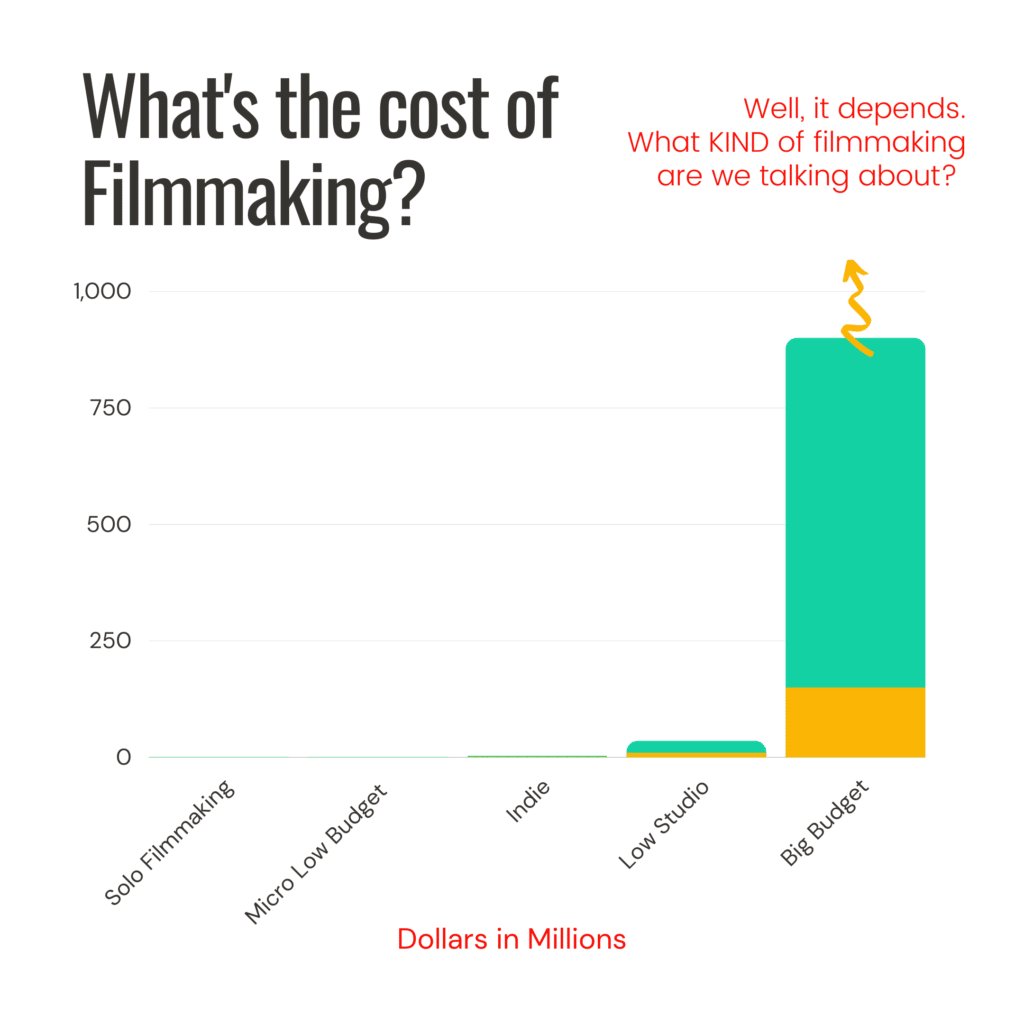
The “cost” of a movie is not a fixed figure but rather a spectrum reflecting the ambitions, resources, and target audience of each project.
The Indie Darling: Lean Budgets, High Creativity
Independent films often operate on budgets ranging from a few thousand dollars to a few million. These films thrive on ingenuity, strong storytelling, and efficient use of resources. Crews are typically smaller, talent works for lower fees (or deferrals), locations are often real and less modified, and marketing is heavily reliant on film festivals, word-of-mouth, and targeted digital campaigns. Success for an indie film isn’t about matching blockbuster returns but about achieving critical acclaim, festival awards, and a niche audience that can translate into profitability through modest theatrical runs, VOD, and streaming deals. They demonstrate that compelling narratives don’t always require astronomical spending.
The Mid-Tier Performer: Balancing Ambition and Reality
Films with budgets between $10 million and $50 million often represent a significant portion of annual releases. These projects can afford established, though perhaps not A-list, talent, professional crews, more elaborate sets, and a decent marketing push. They aim to appeal to a broader audience than indie films but typically lack the spectacle of a blockbuster. Their financial success relies on a solid critical reception, consistent audience attendance, and strong performance in the home entertainment and streaming markets. They often face the toughest path to profitability, as their budgets aren’t small enough to be “safe” but rarely large enough to guarantee overwhelming marketing visibility.
The Blockbuster Colossus: Billions on the Line
At the apex of the spending pyramid are the tentpole blockbusters, typically with budgets soaring from $100 million to over $300 million for production alone, often matched by a similar marketing spend. These are the superhero sagas, sci-fi epics, and sprawling historical dramas. They are designed for global appeal, packed with star power, cutting-edge visual effects, and massive marketing campaigns. Their financial strategy is one of high-risk, high-reward: they need to gross upwards of $500 million to $1 billion worldwide just to break even, accounting for all costs and revenue splits. The pressure to deliver immense returns means studios often invest in established intellectual property, sequels, and franchises, mitigating some risk by leveraging existing fanbases. The financial decisions behind these films are incredibly complex, often involving intricate deals, global financing partners, and a long-tail revenue strategy extending years beyond their initial release.
Conclusion: The Economics of Entertainment
The question of “how much does a movie cost” is far from simple; it’s a window into a vast and intricate financial ecosystem. From the initial spark of an idea to its global distribution, a film is a colossal financial undertaking, meticulously budgeted, strategically funded, and subject to the unpredictable whims of audience taste and global markets. Every dollar spent, from the lead actor’s salary to the caterer’s bill, is an investment in a creative vision, hoping to yield both cultural impact and significant financial returns.
The entertainment industry, particularly filmmaking, stands as a testament to the intersection of art and commerce. It is a high-risk, high-reward business where astronomical investments are made in the hope of capturing imaginations and generating billions. As the landscape evolves with new technologies and distribution models, the financial mechanisms underlying movie production will continue to adapt, but one truth remains constant: the magic on screen is always backed by a formidable and fascinating financial story.
aViewFromTheCave is a participant in the Amazon Services LLC Associates Program, an affiliate advertising program designed to provide a means for sites to earn advertising fees by advertising and linking to Amazon.com. Amazon, the Amazon logo, AmazonSupply, and the AmazonSupply logo are trademarks of Amazon.com, Inc. or its affiliates. As an Amazon Associate we earn affiliate commissions from qualifying purchases.