
Embarking on a Carnival cruise promises a vibrant escape filled with fun, food, and unforgettable memories. Often dubbed “The World’s Most Popular Cruise Line,” Carnival Cruise Line is renowned for its festive atmosphere, diverse itineraries, and accessibility, attracting millions of travelers annually. However, for many prospective cruisers, the primary question isn’t if they should go, but how much it will cost. Understanding the financial landscape of a Carnival cruise is crucial for effective budgeting and ensuring a stress-free vacation. The “sticker price” you see advertised is merely the starting point; a myriad of variables, from cabin choice and itinerary to onboard spending and essential extras, contribute to the final tally. This article will meticulously break down the various components that comprise the total cost of a Carnival cruise, offering insights and strategies to help you navigate the financial waters and plan your ideal getaway within your budget.
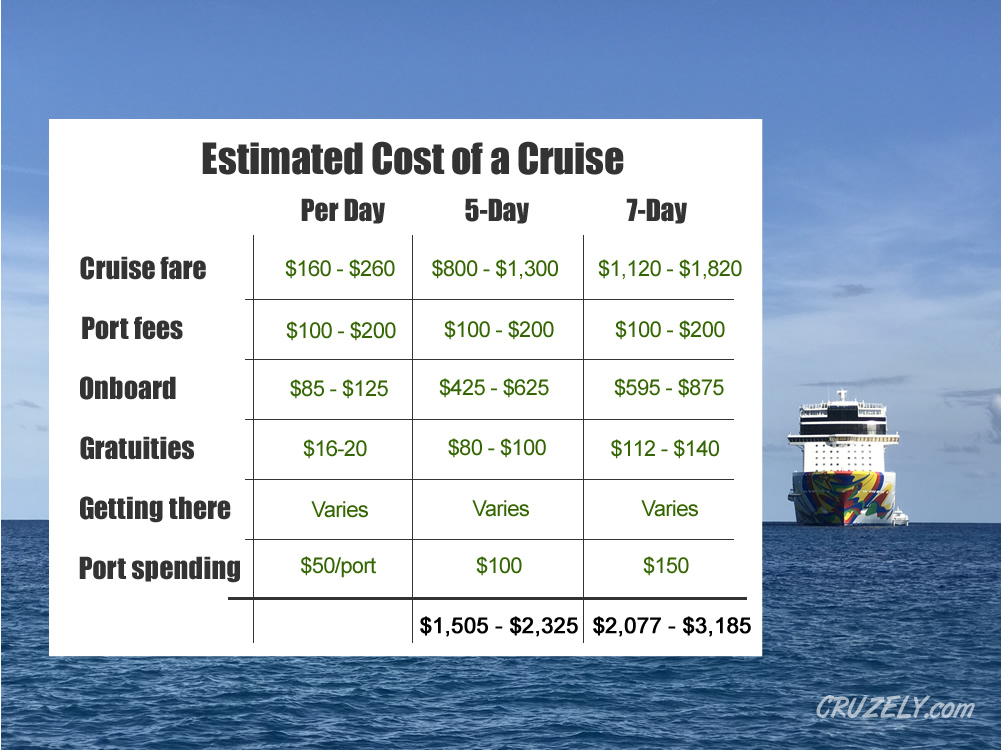
Deconstructing the Base Fare: What’s Included (and What’s Not)?
The cornerstone of your cruise budget is the base fare, but it’s rarely the only payment you’ll make. The advertised price typically covers your cabin, most meals, and access to a wide array of onboard entertainment and activities. However, several factors significantly influence this initial cost.
Cabin Category and Type
The most significant determinant of your base fare is your chosen cabin. Carnival offers a spectrum of accommodations designed to suit various budgets and preferences:
- Interior Cabins: These are the most budget-friendly options, lacking a window or balcony. They are perfect for travelers who plan to spend most of their time exploring the ship or onshore.
- Ocean View Cabins: Featuring a porthole or window, these cabins offer natural light and a view of the sea, often at a modest price increase over interior rooms.
- Balcony Cabins: A popular choice, balcony cabins provide a private outdoor space, ideal for enjoying morning coffee or evening sunsets. The added privacy and fresh air come with a notable price bump.
- Suites: Offering more space, enhanced amenities, and often priority services, suites represent the premium end of Carnival’s accommodations. They are the most expensive option but provide a luxurious experience.
The price differential between these categories can be substantial, sometimes doubling or tripling from an interior cabin to a suite on the same sailing.
Itinerary and Duration
The length and destination of your cruise play a pivotal role in pricing. Shorter cruises (3-5 nights) to popular, close-by destinations like the Bahamas or Mexico are generally more affordable than longer voyages (7+ nights) to more distant or exotic locales like Alaska, Europe, or the Panama Canal. Cruises during peak travel seasons for a specific destination (e.g., Caribbean in winter, Alaska in summer) also command higher prices due to demand.
Sailing Date and Seasonality
Timing is everything when it comes to cruise pricing. Prices fluctuate significantly based on the time of year:
- Peak Season: Holidays (Christmas, New Year’s, Easter), school breaks (spring break, summer vacation), and popular travel months (e.g., March, June, July, August) typically see the highest fares.
- Shoulder Season: Just before or after peak times, prices tend to be more moderate.
- Off-Peak Season: During less popular travel windows, such as early December (before Christmas), late January, or hurricane season (August-October) in the Caribbean, you can often find the best deals. While off-peak offers savings, consider the potential for less favorable weather or fewer available services in certain destinations.
Number of Guests
Cruise fares are often quoted on a per-person basis, usually assuming double occupancy. While the first two guests in a cabin pay the full fare, third and fourth guests (and sometimes more) often receive significantly reduced rates, making group travel or family vacations more economical per person. However, single travelers typically pay a “single supplement,” which can be 150-200% of the double occupancy rate, effectively paying for two people.
Port Fees, Taxes, and Gratuities
Crucially, the advertised base fare usually does not include mandatory port fees, government taxes, and often gratuities.
- Port Fees and Taxes: These are non-negotiable charges levied by ports of call and governmental authorities. They can add anywhere from $100 to $300 (or more for longer, more port-intensive cruises) per person to your total cost. They are generally collected upfront when booking.
- Gratuities (Service Charges): Carnival implements an automatic daily service charge per person, typically around $16-$18 per day, depending on the cabin type. This charge is distributed among the dining room staff, cabin stewards, and other service personnel. You have the option to prepay these charges at booking or have them added daily to your onboard account. While discretionary, removing them is generally discouraged as it directly impacts the income of the hardworking crew.
Beyond the Base Fare: Understanding Onboard Expenses
While the base fare covers the essentials, the true cost of a Carnival cruise often lies in the array of optional purchases and services available onboard and ashore. Budgeting for these “extras” is paramount to avoid financial surprises.
Dining and Beverages
Carnival offers abundant complimentary dining options, including the main dining rooms, Lido buffet, and casual eateries like Guy’s Burger Joint and BlueIguana Cantina. However, the cruise line also tempts guests with specialty dining venues:
- Specialty Restaurants: Establishments like Fahrenheit 555 Steakhouse, Cucina del Capitano, or Bonsai Teppanyaki charge a cover fee per person (ranging from $15 to $50+) for a premium dining experience.
- Alcoholic Beverages: Soft drinks are generally complimentary at the buffet, but alcoholic beverages (beer, wine, spirits, cocktails) are not. These can quickly add up, with individual drinks costing $8-$15+. Carnival offers “Cheers!” beverage packages that include unlimited alcoholic drinks, sodas, and sometimes specialty coffees for a flat daily rate (around $60-$80 per person, per day). While seemingly expensive, these packages can be cost-effective for heavy drinkers, but careful calculation is needed to determine if they truly offer savings for your consumption habits.
- Premium Coffee and Juices: Specialty coffee drinks (lattes, cappuccinos) and fresh-squeezed juices outside of breakfast hours usually incur additional charges.
Shore Excursions
Venturing ashore is a highlight for many cruisers. Carnival offers a wide selection of guided shore excursions in each port, ranging from historical tours and beach breaks to adventure sports and cultural experiences.
- Carnival-Booked Excursions: These provide convenience, guaranteed return to the ship, and vetted operators. However, they can be pricey, typically ranging from $50 to $200+ per person, per excursion.
- Independent Excursions: Many travelers opt to explore ports on their own or book through independent tour operators to save money. While often more affordable and offering greater flexibility, this approach requires more research and carries the slight risk of not returning to the ship on time.
Spa, Salon, and Fitness Classes
The onboard Cloud 9 Spa offers a tranquil retreat with a full menu of services, including massages, facials, acupuncture, and salon treatments. These services are à la carte and can be quite expensive, comparable to high-end spas on land (e.g., $150+ for a standard massage). Some fitness classes, such as yoga or Pilates, may also incur a fee.
Internet and Communication
Staying connected at sea comes at a cost. Carnival offers various Wi-Fi packages, typically tiered by usage (e.g., social media only, value, premium). These packages are purchased for the duration of the cruise and can range from $10 to $25 per day, depending on the package and length of the cruise. Satellite phone calls are also available but are notoriously expensive.
Souvenirs and Shopping
Onboard shops offer duty-free merchandise, including jewelry, apparel, liquor, and gifts. While tempting, these purchases add to your onboard bill. Similarly, souvenir shopping in port can quickly deplete your budget.
Casino and Gaming
For those who enjoy a flutter, the onboard casino offers various slot machines, table games, and bingo. Budgeting for entertainment in the casino is essential, as losses can accumulate quickly. Arcade games are also available for a fee, catering to younger guests.
Photos and Professional Services
Carnival has professional photographers capturing moments throughout your cruise, from embarkation to formal nights. Photo packages can be purchased, offering a selection of prints or digital images, which can be an additional $100-$300 depending on the package.
Strategies for Budgeting and Saving on Your Carnival Cruise
While a Carnival cruise offers countless opportunities for spending, savvy planning can help you enjoy your vacation without overextending your financial limits.
Booking Smart
- Book Early: Often, the best rates and cabin selections are available when booking 6-12 months in advance, especially for popular itineraries or sailings.
- Consider Last-Minute Deals: For flexible travelers, Carnival occasionally offers “pack and go” deals closer to the sailing date. However, cabin choices may be limited, and these deals are less common for popular routes.
- Utilize Travel Agents: A good travel agent can often access exclusive deals, onboard credit, or perks not available directly to the public. They can also provide expert advice on itineraries and budgeting.
- Monitor for Price Drops: After booking, Carnival occasionally offers price adjustments if the fare for your specific cabin category drops. It’s worth checking occasionally, especially if you booked early.
Choosing the Right Time and Ship
- Sail During Off-Peak Season: As mentioned, choosing less popular times of the year can lead to significant savings on base fares.
- Opt for Older Ships: While newer ships boast the latest amenities and often higher price tags, older, refurbished Carnival ships still offer a fantastic experience at a potentially lower cost. They often have many of the same popular features without the “new ship premium.”
Leveraging Promotions and Packages
- Drink Packages: Carefully evaluate the “Cheers!” drink package. Calculate if your daily consumption of alcoholic and specialty non-alcoholic drinks will exceed the package cost. For some, it’s a great value; for others, paying à la carte is cheaper. Remember, if one adult in a cabin purchases Cheers!, all adults in that cabin must purchase it.
- Internet Packages: Pre-purchasing Wi-Fi packages can sometimes offer a slight discount compared to buying onboard. Determine your true connectivity needs; for some, a digital detox is part of the vacation’s appeal.
- Onboard Credit (OBC): Look for promotions that include OBC, which acts like a gift card for onboard spending. It can significantly offset costs for specialty dining, excursions, or spa treatments. Travel agents often have access to these promotions.
Managing Onboard Spending
- Set a Daily Budget: Allocate a specific amount for discretionary spending each day and stick to it. Use your onboard account statement (accessible via the Carnival Hub app or at guest services) to track your spending.
- Bring Essentials: Pack your own sunscreen, toiletries, basic medications, and motion sickness remedies. Buying these onboard can be expensive.
- Avoid Unnecessary Purchases: Resist impulse buys in the gift shops. Ask yourself if you truly need that souvenir or logo merchandise.
- Water Bottles: Bring a reusable water bottle to fill up at water stations (though not usually allowed to fill directly at soda fountains).
Independent Shore Excursions
Research and book local tour operators for shore excursions. They are often more affordable and provide a more authentic experience than cruise line excursions. Just ensure you choose reputable operators and allow ample time to return to the ship before all-aboard time.
Utilizing Loyalty Programs
Carnival’s VIFP (Very Important Fun Person) Club offers perks based on the number of cruise days you accumulate. While initial tiers offer modest benefits, higher tiers can include priority boarding, complimentary drinks, laundry services, and even free cruises, providing long-term value.
Calculating Your Total Cruise Investment: A Realistic Approach
To truly understand “how much does a Carnival cruise cost,” it’s essential to move beyond the base fare and create a comprehensive budget that encompasses all potential expenses.
Sample Budget Scenarios
Let’s illustrate with hypothetical scenarios for a 7-night Caribbean cruise:
-
Budget-Friendly Cruiser (Interior Cabin):
- Base Fare (Interior, off-peak): $400 – $600 per person
- Port Fees & Taxes: $150 per person
- Prepaid Gratuities: $120 per person
- Onboard Spending (minimal, maybe 1 specialty meal, 1 independent excursion, few drinks): $200 – $400 per person
- Estimated Total: $870 – $1270 per person (excluding transportation to port)
-
Mid-Range Cruiser (Balcony Cabin):
- Base Fare (Balcony, shoulder season): $800 – $1200 per person
- Port Fees & Taxes: $150 per person
- Prepaid Gratuities: $120 per person
- Onboard Spending (Cheers! package, 2 specialty meals, 2 Carnival excursions, Wi-Fi): $800 – $1200 per person (Cheers! alone is ~$500/person)
- Estimated Total: $1870 – $2670 per person (excluding transportation to port)
-
Luxury-Oriented Cruiser (Suite):
- Base Fare (Suite, peak season): $2000 – $4000+ per person
- Port Fees & Taxes: $150 per person
- Prepaid Gratuities: $120 per person
- Onboard Spending (Cheers! package, multiple specialty meals, multiple spa treatments, premium Wi-Fi, photos, casino fund): $1500 – $2500+ per person
- Estimated Total: $3770 – $6770+ per person (excluding transportation to port)
These estimates do not include the cost of airfare to the departure port, pre/post-cruise hotels, or travel insurance, which can add significant amounts to your overall travel budget.
The Importance of a Contingency Fund
Even with meticulous planning, unexpected expenses can arise. It’s wise to allocate an additional 10-15% of your total budget as a contingency fund. This can cover anything from an impromptu souvenir purchase, an upgraded excursion, or unforeseen travel delays. More critically, it can be a lifesaver in case of medical emergencies onboard or ashore, which can be extremely expensive if you don’t have adequate travel insurance (highly recommended for any cruise).
Conclusion
Determining the exact cost of a Carnival cruise is a nuanced exercise, as prices are highly dynamic and personalized to each traveler’s choices. From the initial selection of a cabin and itinerary to the daily decisions made onboard regarding dining, drinks, and entertainment, every choice impacts the final expenditure. While a basic 3-day interior cabin cruise can be remarkably affordable, offering exceptional value for an all-inclusive experience, a longer voyage in a suite with all the premium extras can easily rival the cost of a luxury land vacation.
The key to a financially successful Carnival cruise lies in thorough research, realistic budgeting, and proactive planning. By understanding the base fare components, anticipating potential onboard expenses, and employing smart saving strategies, you can tailor your cruise experience to align perfectly with your financial comfort zone. A Carnival cruise offers boundless fun and relaxation, and with careful financial foresight, you can enjoy every moment without the shadow of unexpected costs.
aViewFromTheCave is a participant in the Amazon Services LLC Associates Program, an affiliate advertising program designed to provide a means for sites to earn advertising fees by advertising and linking to Amazon.com. Amazon, the Amazon logo, AmazonSupply, and the AmazonSupply logo are trademarks of Amazon.com, Inc. or its affiliates. As an Amazon Associate we earn affiliate commissions from qualifying purchases.