
Entering a Build-A-Bear Workshop is rarely a simple retail transaction; it is an exercise in experiential spending. For parents, collectors, and gift-givers, understanding the financial commitment involved is crucial for maintaining a budget while satisfying the desire for a personalized product. The cost of a Build-A-Bear is not a singular figure but a composite of various choices, ranging from the base “skin” of the plush to the complex array of accessories, sounds, and scents that define the final price tag.
In the world of personal finance and consumer behavior, Build-A-Bear represents a classic “upsell” model. While the entry price may seem accessible, the incremental costs of customization can quickly double or triple the initial investment. To navigate this retail environment effectively, one must understand the breakdown of these costs and the strategies available to maximize value.
The Foundation: Understanding Base Pricing Tiers
The first financial hurdle in the Build-A-Bear journey is selecting the plush shell, often referred to as the “skin.” This base price is the most variable element of the experience, as it is dictated by material quality, size, and brand partnerships.
Entry-Level and Budget Options
For those looking to manage their spending strictly, Build-A-Bear typically offers a selection of “budget” bears. These are often classic teddy bear designs with standard fur textures. Prices for these entry-level models generally range from $14.00 to $20.00. These options are ideal for younger children who are more interested in the process of stuffing the bear than the specific aesthetics or rarity of the character.
Mid-Range and Seasonal Releases
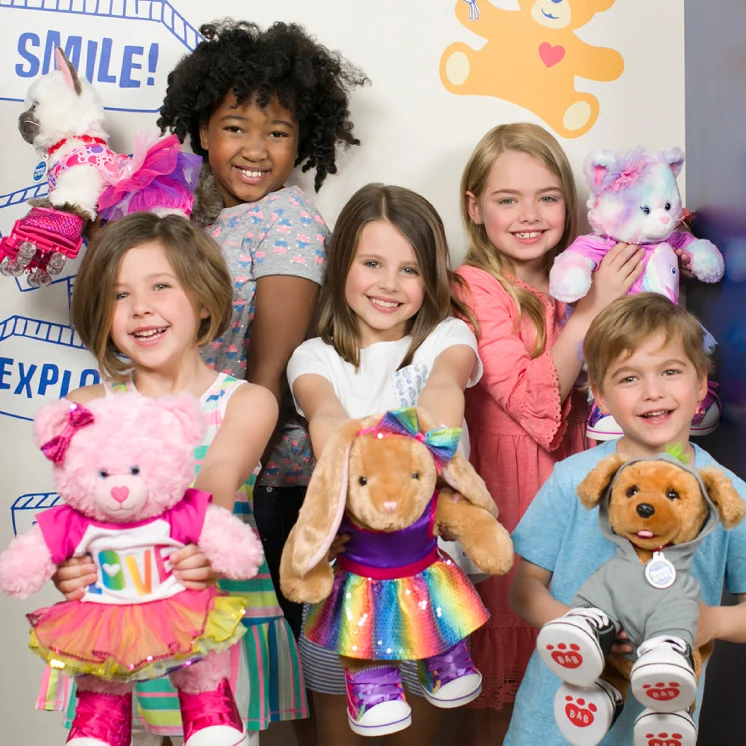
Moving into the $22.00 to $30.00 range, consumers find a wider variety of animals, including colorful bunnies, kittens, puppies, and seasonal characters. These items often feature higher-quality fabrics, such as ultra-soft “velvety” fur or glitter-infused materials. This tier represents the “sweet spot” for most casual shoppers, offering a balance between aesthetic appeal and moderate cost.
Premium and Licensed Characters
The highest pricing tier for base plushes usually starts at $32.00 and can exceed $45.00. This category is dominated by licensed Intellectual Property (IP). When Build-A-Bear partners with major franchises—such as Disney, Marvel, Star Wars, or Pokémon—the cost increases significantly. These licenses require a premium to cover the royalty fees paid to the parent corporations. For a collector or a fan of a specific movie, this cost is often viewed as a necessary investment for a legitimate, high-quality branded item.
The Incremental Economy: Navigating Add-Ons and Customizations
The brilliance of the Build-A-Bear business model lies in the “add-on” economy. Once a child has chosen a bear and bonded with it during the stuffing process, the psychological pressure to enhance the creation is high. This is where a $20 bear can quickly become a $70 investment.
Scent and Sound Modules
One of the most popular customizations is the addition of scent or sound. Scent discs, which are placed inside the plush during stuffing, typically cost around $4.00 to $5.00. While a small expense, it is a pure-profit add-on for the retailer.
Sound modules are more substantial financial considerations. Standard pre-recorded sounds (such as a giggle or a “bark”) usually cost between $5.00 and $8.00. However, the “Build-A-Sound” feature, which allows a consumer to record a personalized 10-second message, often costs $10.00 or more. For parents or long-distance partners, this is a high-value sentimental add-on, but it represents a significant percentage of the total project cost.
The Wardrobe: Clothing and Footwear
Clothing is perhaps the most expensive variable in the Build-A-Bear ecosystem. Much like human fashion, prices vary based on the complexity of the outfit.
-
Simple Tees and Shorts: $7.00 to $10.00.
-
Full Outfits (Dresses, Suits, or Costumes): $15.00 to $25.00.
-
Licensed Apparel: Branded clothing (e.g., a Harry Potter robe or a Spider-Man suit) frequently carries a premium price point.
Footwear and headwear add another layer of expense. A pair of sneakers or boots for a bear can cost between $8.00 and $12.00. For a fully accessorized bear, the clothing alone can often exceed the cost of the bear itself.

Functional Accessories
Beyond clothing, there are functional accessories such as glasses, backpacks, and even miniature handheld toys for the bear. These items usually range from $5.00 to $15.00. While they add “personality” to the plush, from a financial perspective, they are the easiest items to prune from a budget if the total cost is climbing too high.
Strategic Budgeting: How to Maximize Value
Navigating a Build-A-Bear Workshop without overspending requires a proactive financial strategy. By understanding the store’s promotional cycles and loyalty programs, consumers can significantly reduce their total outlay.
The “Pay Your Age” Promotion
The most famous financial incentive offered by the brand is the “Pay Your Age” event. Originally launched as a one-day global event that caused massive retail disruption, the program has been refined into a more sustainable model. Members of the Build-A-Bear Bonus Club (which is free to join) can participate in the “Count Your Candles” program. During the month of their child’s birthday, the child can choose a specific “Birthday Treat Bear” and pay the price of their age. For a three-year-old, this brings the cost of a $14 bear down to $3.00, providing immense value.
Utilizing the Bonus Club and Rewards
For frequent shoppers or those planning a large purchase, the Bonus Club is an essential tool for financial management. Members earn points for every dollar spent, which eventually convert into reward certificates (typically a $10 reward for every 200 points). Additionally, members receive early access to sales and exclusive coupons. When planning a visit, checking for “Buy One, Get One” (BOGO) deals or “2 for $35” promotions on the website before heading to the store can save upwards of 30% on the base cost.
Managing the “In-Store Pressure”
From a personal finance perspective, the “in-store experience” is designed to encourage impulse spending. To mitigate this, many savvy parents set a “hard cap” budget before entering the store. For example, a parent might tell a child they have a $40 limit. This forces the child to make economic choices: “Do I want the more expensive Pokémon bear with no clothes, or the cheaper bear with a full outfit?” This serves as an excellent practical lesson in budgeting and trade-offs for children.
The Total Cost of Ownership: Maintenance and Longevity
When evaluating the cost of a Build-A-Bear, it is helpful to look beyond the initial transaction and consider the “cost per use” or the long-term value. Unlike many disposable plastic toys, these plushes are designed for durability and are backed by a unique corporate policy.
The “Bear Hospital” and Lifetime Repairs
One of the most significant value-adds included in the price of a Build-A-Bear is the lifetime “health” guarantee. If a bear’s stitching comes loose or it loses its shape over time, owners can bring the plush back to any Workshop. The “Bear Builders” will re-stuff the item and sew it back up free of charge. From a financial standpoint, this extends the life of the product indefinitely, reducing the need for replacement purchases and increasing the overall return on investment.
The Secondary Market and Collectibility
For those interested in the investment side of plush toys, certain Build-A-Bears hold their value or even appreciate. Limited edition releases, vaulted licensed characters (such as early Pokémon releases), and retired holiday editions can sell for significantly more than their original retail price on platforms like eBay or Mercari. While most bears are meant for play, keeping the “Certificate of Authenticity” and maintaining the item’s condition can turn a $35 purchase into a $100 asset for collectors.

Is the Build-A-Bear Experience a Worthy Investment?
Ultimately, the cost of a Build-A-Bear—which typically averages between $45.00 and $75.00 for a fully-equipped character—must be weighed against the utility and joy it provides. From a strict “goods received” perspective, the price is high compared to a standard plush toy found at a big-box retailer. However, Build-A-Bear is selling an experience and a memory.
For the consumer focused on personal finance, the key is to separate the “experience” cost from the “product” cost. If you view the $60 spent as two hours of family entertainment plus a high-quality toy with a lifetime warranty, the value proposition becomes much clearer. By utilizing rewards, focusing on non-licensed characters, and setting firm boundaries on accessories, it is entirely possible to enjoy the Build-A-Bear experience without compromising your financial goals.
Understanding the “how much” of a Build-A-Bear is about more than just the number on the receipt; it is about understanding the levers of retail pricing and making informed choices that align with your family’s financial priorities.
aViewFromTheCave is a participant in the Amazon Services LLC Associates Program, an affiliate advertising program designed to provide a means for sites to earn advertising fees by advertising and linking to Amazon.com. Amazon, the Amazon logo, AmazonSupply, and the AmazonSupply logo are trademarks of Amazon.com, Inc. or its affiliates. As an Amazon Associate we earn affiliate commissions from qualifying purchases.