
The cost of a ticket, whether for a concert, sporting event, theater production, or travel, is rarely a simple, fixed sum. It’s a dynamic figure influenced by a complex interplay of market forces, operational overheads, and consumer behavior. For individuals managing their personal finances, understanding these nuances is crucial for budgeting effectively and making financially sound decisions about discretionary spending. Far from being a mere entry fee, a ticket’s price encapsulates a multitude of economic factors, making its true cost a significant consideration for any financial plan.
Understanding the Variables in Ticket Pricing
Ticket pricing is a sophisticated exercise in demand and supply, often incorporating advanced algorithms and real-time market adjustments. Several key variables contribute to the final price tag consumers encounter, each playing a critical role in shaping the value proposition.
Event Type and Demand
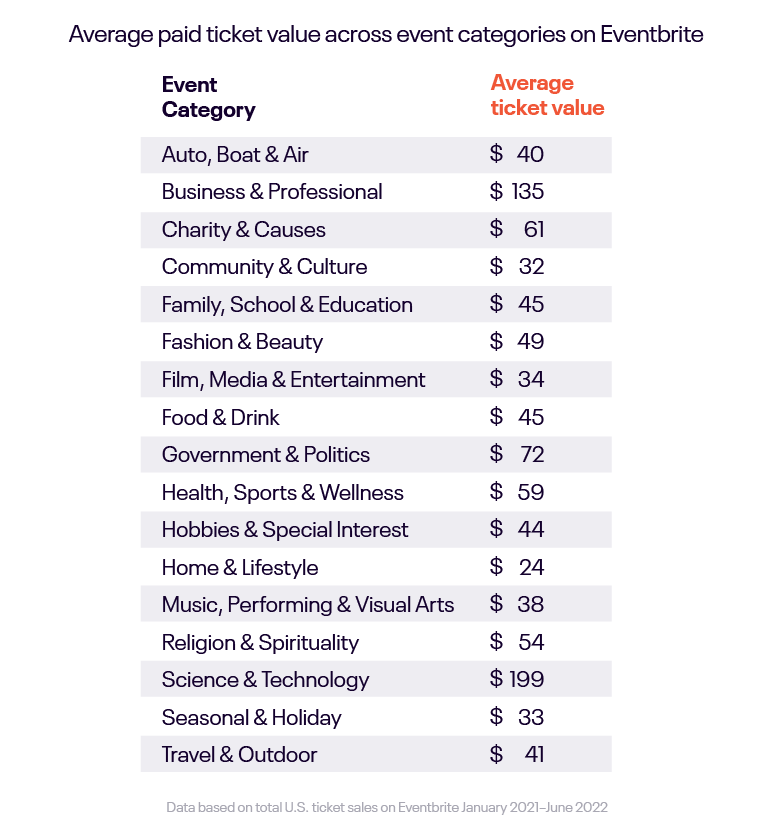
The fundamental driver of ticket cost is the type of event and its perceived demand. A blockbuster concert featuring a global superstar or a championship sporting event like the Super Bowl or the World Series will inherently command a premium. This is due to a limited supply of seats combined with an exceptionally high number of willing buyers. Conversely, a local community theater production or a regular-season game for a less popular team typically sees lower pricing. The genre of music, the popularity of the performing artist, the significance of the sporting match, or the critical acclaim of a theatrical run all directly correlate with the demand curve, pushing prices up or down. High-profile, one-off events are particularly susceptible to extreme price fluctuations as demand often far outstrips availability.
Venue and Seating Location
The physical characteristics of the venue and the specific seating location within it are major determinants of ticket cost. Larger venues may offer a wider range of price points due to sheer volume, but premium seats, such as those in the front rows, luxury suites, or with optimal sightlines, will always be priced significantly higher. Factors like acoustics, proximity to the stage or field, and amenities (e.g., VIP lounges, in-seat service) contribute to this stratification. Smaller, more intimate venues, while sometimes offering a higher average price point due to limited capacity, can still have varied pricing based on the unique advantages of certain sections. The historical significance or prestige of a venue can also add a subtle premium to all tickets sold within its walls.
Timing of Purchase
When a ticket is purchased can dramatically impact its cost. Generally, purchasing tickets closer to the on-sale date, especially during a pre-sale or initial public sale, can secure them at face value, which is often the lowest price point. However, some events employ dynamic pricing models, where prices adjust in real-time based on demand, similar to airline tickets or ride-sharing services. For highly anticipated events, prices may surge quickly after the initial release. Conversely, for events with slower sales, prices might drop closer to the event date to fill remaining seats. This creates a strategic dilemma for buyers: buy early to secure a spot and potentially the lowest initial price, or wait for potential last-minute discounts, risking the event selling out or prices rising further.
Resale Market Dynamics
Beyond the primary market (tickets sold directly by the venue or promoter), the secondary or resale market plays a significant role in determining effective ticket costs. Platforms like StubHub or SeatGeek allow ticket holders to resell their tickets, often at prices dictated by current supply and demand. For high-demand events, resale prices can skyrocket, far exceeding face value. Conversely, for events with low demand or for sellers needing to offload tickets last minute, prices on the secondary market might dip below face value. Understanding the liquidity and pricing trends of the resale market is essential for both buyers looking for deals and sellers hoping to recoup their investment, introducing another layer of financial complexity to ticket procurement.
The Hidden Costs: Beyond Face Value
Many consumers are often surprised by the final amount charged for tickets, as the advertised face value seldom represents the total outlay. A host of additional fees and surcharges significantly inflate the true cost, a crucial aspect for astute financial planning.
Service Fees and Processing Charges
Perhaps the most ubiquitous and often irritating hidden costs are service fees and processing charges. These are typically levied by ticketing agencies (e.g., Ticketmaster, AXS) to cover the operational expenses of their platforms, including ticketing technology, customer support, and payment processing. These fees can range from a few dollars to a substantial percentage of the ticket’s face value, sometimes adding 20-30% or more to the initial price. They are often applied per ticket, compounding the total cost for multiple purchases. Understanding that these fees are an unavoidable part of most online ticket transactions is vital for accurate budgeting.
Shipping and Delivery Fees
Even in the digital age, ticket delivery can incur additional costs. While “print-at-home” and mobile delivery options have become standard and often free, some platforms still charge a small fee for these digital services. Physical ticket delivery, especially for commemorative tickets or those requiring expedited shipping, will almost certainly come with a shipping fee. These charges vary based on the delivery method, speed, and destination, adding another layer of expense that can catch buyers off guard if not accounted for during the budgeting process.
Taxes and Surcharges
Local and state governments often impose various taxes and surcharges on entertainment and live events. These can include sales tax, amusement tax, facility fees, or even specific per-ticket surcharges to fund local initiatives or venue maintenance. These taxes and fees are typically calculated on the total price (including service fees) and can vary significantly by jurisdiction. While individual amounts might seem minor, they collectively contribute to a higher final price. It’s important for consumers to recognize that these are mandated levies and are factored into the overall cost of attending an event.
Dynamic Pricing and Surge Costs
While related to the timing of purchase, dynamic pricing warrants its own discussion as a ‘hidden’ cost because it can rapidly inflate prices without explicit forewarning. This model uses algorithms to adjust ticket prices in real-time based on fluctuating demand, scarcity, and even external factors like weather or competitor events. During periods of peak demand (e.g., immediately after a highly anticipated concert is announced, or for playoff games), prices can surge significantly within minutes. This means the price you see when you first search might not be the price when you go to check out, leading to unexpected additional costs. This dynamic makes budgeting particularly challenging and requires a quick decision-making process when faced with desirable tickets.
Strategies for Smart Ticket Buying
Navigating the complex landscape of ticket pricing requires a strategic approach. Savvy consumers can employ several tactics to mitigate costs and ensure they secure desired experiences without overstretching their financial limits.
Advance Purchase vs. Last-Minute Deals
Deciding when to buy is a critical financial decision. For highly anticipated events, buying tickets as soon as they go on sale is generally the safest bet to secure face value prices and avoid the inflated secondary market. This strategy is essential for must-see concerts, Broadway shows, or major sporting finals where sell-outs are guaranteed. Conversely, for events with less certain demand or for those willing to take a risk, waiting for last-minute deals can sometimes yield results. Often, a day or two before an event, sellers on secondary markets may drop prices to avoid losing their entire investment, and primary vendors might release additional tickets at reduced rates to fill remaining seats. This strategy, however, carries the risk of the event selling out or prices remaining high.

Official Vendors vs. Resale Platforms
When purchasing tickets, always prioritize official vendors (e.g., Ticketmaster, Live Nation, AXS, directly from the venue box office) for initial sales. These platforms guarantee authentic tickets at face value and offer recourse in case of event cancellations or issues. While resale platforms like StubHub, SeatGeek, or Vivid Seats provide a valuable service for accessing sold-out events or finding deals, they come with higher risks and often additional fees. Buyers should exercise caution, verify seller reputations, and understand consumer protection policies when using these platforms. Comparing prices across multiple reputable secondary sites can also reveal significant savings.
Loyalty Programs and Presales
Many artists, teams, and venues offer loyalty programs, fan club memberships, or credit card presales that provide early access to tickets before the general public. These opportunities are invaluable for securing tickets for high-demand events at face value, bypassing the initial price surges of the general sale. Signing up for newsletters from favorite artists or venues, following social media accounts, and joining relevant credit card loyalty programs can provide alerts and access codes for these exclusive presales. This proactive approach can lead to substantial savings and reduced stress in securing tickets.
Budgeting for Experiences
Integrating entertainment spending into a comprehensive personal budget is paramount. Instead of viewing ticket purchases as isolated transactions, categorize them as part of your overall discretionary spending. Allocate a specific monthly or annual amount for entertainment, allowing you to plan for upcoming events without derailing other financial goals. Utilize budgeting apps or spreadsheets to track these expenses, ensuring you stay within your limits. Prioritizing which events are truly worth the investment and setting a clear financial ceiling for each can prevent impulse buys that strain your finances.
The Impact of Ticket Costs on Personal Finance
Beyond the immediate transaction, the cost of tickets has broader implications for an individual’s financial health, influencing budgeting, savings, and long-term financial stability.
Balancing Discretionary Spending
Ticket purchases fall squarely into the category of discretionary spending—expenses that are not essential for survival but enhance quality of life. For sound financial management, these costs must be carefully balanced against other discretionary categories like dining out, hobbies, and travel. Overspending on tickets can easily lead to cutbacks in other areas or, worse, create financial strain. It’s a constant negotiation within a personal budget to ensure that entertainment provides value without compromising other financial priorities.
Avoiding Debt for Entertainment
A critical financial principle is to avoid incurring debt, especially high-interest credit card debt, for non-essential items like entertainment. While the allure of attending a once-in-a-lifetime event can be strong, financing such experiences with credit that can’t be paid off quickly is a dangerous path. The interest accrued can significantly inflate the true cost of the ticket, turning a memorable experience into a financial burden. Prioritizing savings for these experiences and adhering to a “cash only” or “paid in full” approach is a cornerstone of responsible financial behavior.
Long-term Financial Planning
Frequent or expensive ticket purchases, if not properly budgeted, can impede long-term financial goals such as saving for retirement, a down payment on a home, or education. Every dollar spent on a ticket is a dollar not saved or invested. While experiences are valuable, a consistent pattern of overspending on them can delay crucial financial milestones. A balanced approach involves setting clear financial goals, consistently contributing to savings and investments, and then allocating remaining discretionary funds to experiences within those established parameters.
The Value of Experiences vs. Goods
From a financial psychology perspective, there’s often a debate about the value of experiences versus physical goods. Research suggests that experiences tend to provide longer-lasting happiness and can contribute more to overall well-being than material possessions. However, the financial cost of these experiences must be weighed against their perceived value and personal financial capacity. Investing in an experience that genuinely enriches life, provided it fits within one’s budget, can be a financially wise decision, offering returns in terms of memories and personal growth that far outweigh the monetary cost of a comparable physical good.
Leveraging Financial Tools for Ticket Management
In an era of digital finance, various tools and platforms can empower consumers to manage ticket costs more effectively, from initial purchase to post-event financial review.
Budgeting Apps
Modern budgeting applications like Mint, YNAB (You Need A Budget), or Personal Capital are indispensable for tracking entertainment spending. By linking bank accounts and credit cards, these apps automatically categorize transactions, allowing users to see exactly how much they are spending on tickets and other leisure activities. Setting specific budget limits for entertainment within these apps provides real-time feedback, helping users stay accountable and make informed decisions before an impulse purchase leads to overspending. Consistent use of these tools ensures that ticket costs are integrated into a holistic financial overview.
Price Comparison Websites
For those navigating the secondary market or seeking the best deals on primary sales, price comparison websites and aggregators are invaluable. Platforms like SeatGeek, TickPick, or even Google’s event search often pull data from multiple primary and secondary ticketing sites, presenting a consolidated view of available tickets and their prices. This allows consumers to quickly compare options, identify potential discrepancies in pricing across different vendors, and locate the most cost-effective tickets for a desired event. These tools save time and money by enabling thorough market research before committing to a purchase.
Alert Systems for Price Drops
Many ticketing platforms and third-party aggregators offer price alert systems. Users can set up notifications for specific events, venues, or even seating sections, receiving an alert if prices drop below a certain threshold or if new tickets become available. This feature is particularly useful for events where consumers are hoping for a last-minute deal or are waiting for prices to align with their budget. Leveraging these alerts can help secure tickets at a more favorable price point without constant manual monitoring, aligning with a patient and strategic financial approach.
Credit Card Rewards
Utilizing credit cards that offer bonus rewards on entertainment or travel purchases can effectively reduce the net cost of tickets. Some credit cards provide elevated cashback percentages or points for transactions categorized as entertainment, potentially yielding a significant return on investment for frequent event-goers. Furthermore, certain premium travel cards offer exclusive presale access or concierge services that can assist in securing difficult-to-get tickets. Choosing the right credit card for ticket purchases, provided balances are paid off monthly to avoid interest, is a smart financial strategy for optimizing spending and accruing benefits.
aViewFromTheCave is a participant in the Amazon Services LLC Associates Program, an affiliate advertising program designed to provide a means for sites to earn advertising fees by advertising and linking to Amazon.com. Amazon, the Amazon logo, AmazonSupply, and the AmazonSupply logo are trademarks of Amazon.com, Inc. or its affiliates. As an Amazon Associate we earn affiliate commissions from qualifying purchases.