
The allure of a Tesla, with its cutting-edge technology, striking design, and environmental credentials, often begins with a fundamental question for many prospective buyers: “How much does it cost?” However, the answer is rarely a simple figure. Investing in a Tesla, like any significant purchase, involves a complex interplay of initial outlay, ongoing operational expenses, government incentives, and long-term financial implications. For the financially savvy consumer, understanding the total cost of ownership (TCO) is paramount, extending far beyond the sticker price to encompass everything from financing and insurance to charging costs and resale value. This article will delve into the multifaceted financial landscape of Tesla ownership, guiding you through the various monetary considerations to help you make an informed decision within the realm of personal finance and smart investment.
Understanding Tesla’s Initial Purchase Price
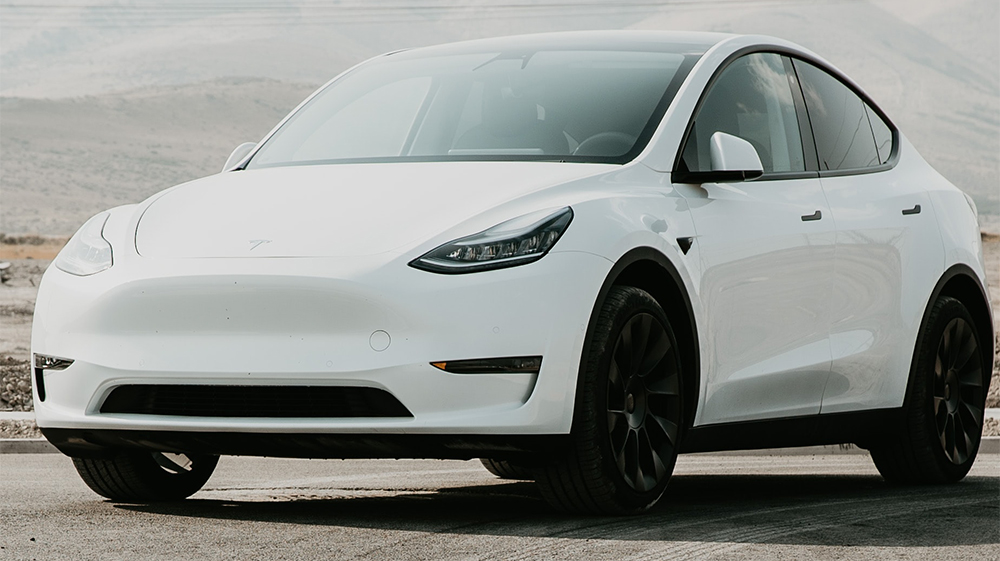
The journey to Tesla ownership begins with its initial purchase price, a figure that varies significantly across the model lineup and is further customized by a range of optional features. Dissecting this upfront cost is the first critical step in budgeting for one of the most sought-after electric vehicles on the market.
Base Model Pricing: The Entry Point
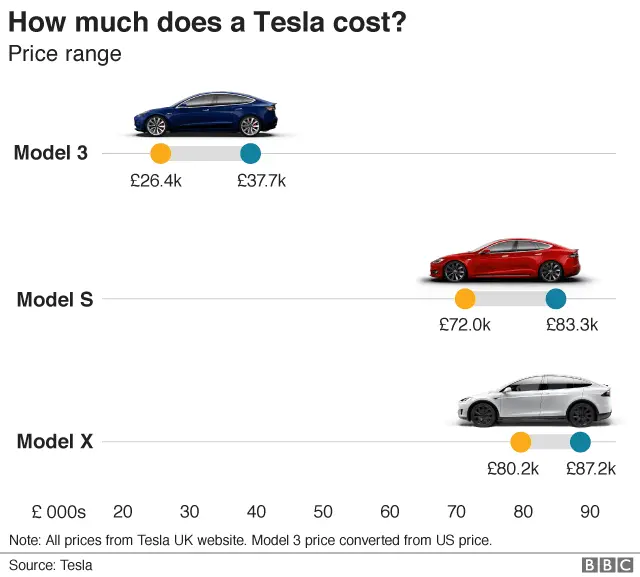
Tesla offers a diverse portfolio of vehicles designed to cater to different needs and budgets, from the more accessible Model 3 and Model Y to the premium Model S and Model X, and the revolutionary Cybertruck. Each model has a distinct starting Manufacturer’s Suggested Retail Price (MSRP), representing its most basic configuration. For instance, the Model 3 typically serves as the entry point, offering competitive performance and range at a lower cost, making it an attractive option for those looking to enter the EV market without a prohibitive upfront investment. The Model Y, a popular SUV variant, sits at a slightly higher price point, while the Model S and Model X represent the pinnacle of Tesla’s luxury and performance offerings, commanding significantly higher prices. Understanding these base prices provides a foundational financial overview, allowing potential buyers to gauge which model aligns with their initial budget expectations.
Configuration Add-ons: Elevating the Investment
The base price, however, is merely the starting line. Tesla’s configurator allows buyers to personalize their vehicles with a host of upgrades that can substantially elevate the total investment. Key optional features include Enhanced Autopilot and Full Self-Driving (FSD) Capability, which, while promising advanced driver-assist features and potential future autonomy, come with a five-figure price tag that significantly impacts the overall cost. Beyond these high-tech additions, buyers can select premium paint colors, larger or more stylish wheels, and interior upgrades such as premium materials or seating configurations. Each of these choices, though seemingly minor individually, collectively adds to the final cash payment or financed amount. For instance, selecting a multi-coat red paint, 20-inch performance wheels, and the FSD package can easily add tens of thousands of dollars to the base price of a Model 3 or Y, turning an initial budget-friendly option into a substantial luxury investment. It’s crucial for buyers to carefully weigh the financial implications of each add-on against their utility and personal financial priorities.
Market Fluctuations and Pricing Strategy
Tesla is renowned for its dynamic pricing strategy, which can see model prices adjust frequently, sometimes within weeks. These fluctuations are influenced by various factors, including production costs, raw material prices, global demand, and competitive pressures within the burgeoning EV market. While these changes can sometimes result in price reductions, making Teslas more accessible, they can also lead to increases. This volatility means that the price you see today might not be the price tomorrow, requiring prospective buyers to stay informed and potentially act decisively when a favorable price point emerges. This dynamic pricing strategy also impacts the perceived value and potential depreciation of the vehicle, adding another layer of financial consideration for buyers focused on their asset’s long-term performance. Understanding these market dynamics is essential for timing a purchase and optimizing the financial outcome.
Beyond the Sticker: The True Cost of Tesla Ownership
While the initial purchase price is a significant hurdle, savvy financial planning requires a comprehensive look at the recurring and long-term expenses associated with owning a Tesla. The “true cost of ownership” is a holistic calculation that accounts for all expenditures throughout the vehicle’s lifespan, offering a clearer picture of its overall financial impact.
Charging Infrastructure and Energy Expenditure
One of the most significant shifts from traditional gasoline cars is the energy source. Tesla owners must consider the financial outlay for charging. For many, installing a home charging solution, such as a Tesla Wall Connector, is a key investment for convenience. The cost of installation can range from a few hundred to several thousand dollars depending on existing electrical infrastructure. Post-installation, the recurring energy cost is tied to local electricity rates, which are generally more stable and often cheaper per mile than gasoline. Tesla’s Supercharger network offers unparalleled convenience for long-distance travel, but these charges, while competitive, are an additional expense. Over a typical ownership period, the savings on “fuel” can be substantial, often amounting to hundreds or even thousands of dollars annually compared to an internal combustion engine (ICE) vehicle. This direct impact on the monthly budget is a compelling financial advantage, but it requires careful budgeting for the initial setup.
Insurance Premiums: A Significant Recurring Expense
Tesla vehicles are often in a higher insurance bracket compared to many traditional cars. This is due to several factors: their advanced technology, high-performance capabilities, relatively expensive parts, and specialized repair processes. The average insurance premium for a Tesla can be considerably higher than for a comparably priced ICE vehicle. This significant recurring expense must be factored into the overall cost of ownership. To mitigate this, Tesla offers its own insurance program in select states, leveraging real-time driving data to potentially offer lower premiums to safer drivers. However, these programs are not universally available, and owners should always obtain multiple quotes to secure the most favorable rates. Ignoring this aspect can lead to an unexpected drain on personal finances.
Maintenance and Service: Unexpected Financial Efficiencies?
One of the often-cited financial benefits of electric vehicles is their lower maintenance requirements. Teslas, lacking a traditional combustion engine, do not require oil changes, spark plug replacements, or complex transmission servicing. This significantly reduces routine maintenance costs. Fewer moving parts translate to fewer potential points of failure and thus, fewer visits to the service center for standard upkeep. However, EVs still require tire rotations, brake pad replacements (though regenerative braking reduces wear), and occasional software diagnostics. Specialized EV repairs, if needed, can sometimes be costly due to the advanced technology and specialized training required. Nevertheless, over a 5-10 year ownership period, the overall maintenance budget for a Tesla is typically lower than that for a comparable gasoline-powered luxury vehicle, contributing positively to the total cost of ownership.
Depreciation and Resale Value Dynamics
The financial performance of any vehicle as an asset is heavily influenced by its depreciation and resale value. Teslas have historically held their value relatively well, thanks to strong brand appeal, continuous over-the-air software updates that keep vehicles feeling fresh, and a robust demand for EVs. However, Tesla’s dynamic pricing strategy can also influence depreciation. When Tesla cuts prices on new models, it can impact the resale value of existing used cars, as the gap between new and used narrows. Additionally, the rapid pace of technological advancement in the EV space means newer models often come with improved range, performance, or features, potentially accelerating depreciation of older models. Prospective buyers should research current market trends and anticipate future developments to estimate the potential financial return or loss when they eventually sell or trade in their Tesla, viewing it as a long-term asset.
Leveraging Financial Incentives and Long-Term Savings
Beyond the immediate costs, the financial landscape of Tesla ownership is significantly shaped by a range of incentives and inherent long-term savings that can substantially reduce the effective cost over time. Smart financial planning involves capitalizing on these opportunities to enhance affordability and maximize value.
Government Tax Credits and Rebates: Boosting Affordability
One of the most impactful ways to reduce the upfront cost of a Tesla is through government incentives. Federal tax credits, such as those offered in the United States, can provide a significant reduction in the purchase price for eligible EV models, sometimes thousands of dollars. These credits are often tied to specific criteria, including battery capacity, vehicle origin, and the buyer’s income level, making it crucial for prospective owners to verify their eligibility. Beyond federal programs, many states and local municipalities offer their own rebates, tax incentives, or grants for EV purchases, further sweetening the deal. These incentives can effectively lower the “net” purchase price, making a Tesla more accessible and improving its overall financial viability. Leveraging these programs is a cornerstone of intelligent financial planning for an EV purchase.
Fuel Cost Savings: A Direct Impact on the Budget
The transition from gasoline to electricity offers one of the most direct and consistent financial benefits of Tesla ownership. While the upfront investment in a Tesla can be higher, the recurring “fuel” costs are often dramatically lower. The cost of electricity per mile is typically a fraction of the cost of gasoline, especially when charging at home during off-peak hours. Over the course of a year, and certainly over several years, these savings accumulate to thousands of dollars. For individuals with long commutes or high mileage, the fuel savings alone can partially offset the higher initial purchase price over time. This tangible reduction in a significant monthly budget item makes a compelling case for the long-term financial prudence of EV ownership, freeing up funds for other financial goals.
The Total Cost of Ownership (TCO) Advantage
When all financial factors are considered – initial purchase price (minus incentives), charging costs, insurance, maintenance, and projected depreciation – Teslas often present a compelling total cost of ownership (TCO) advantage over comparable luxury gasoline vehicles. While the sticker price might seem steep, the combination of significantly lower fuel costs, reduced maintenance, and often robust resale values can make a Tesla a financially prudent choice in the long run. The TCO analysis moves beyond superficial comparisons, allowing potential owners to see the deeper economic benefits. This comprehensive view demonstrates how a higher upfront investment can translate into substantial savings and a better financial outcome over the entire period of ownership, aligning the purchase with broader personal financial strategies.
Navigating Financing and Investment Decisions
Acquiring a Tesla is a substantial financial undertaking, necessitating careful consideration of financing options and an understanding of its role as an investment within your personal financial portfolio. Approaching this decision with a strategic mindset is key to optimizing the monetary impact.
Financing Options: Loans, Leases, and Your Budget
Prospective Tesla buyers have several financing avenues, each with distinct financial implications. Traditional auto loans, available through banks, credit unions, or Tesla’s preferred partners, involve borrowing the vehicle’s cost and repaying it with interest over a set term. This path leads to eventual ownership and equity building. Tesla also offers leasing options, which typically entail lower monthly payments but do not result in ownership at the end of the term. Leasing can be attractive for those who prefer to frequently upgrade their vehicles or want to minimize upfront costs and avoid depreciation risk. The choice between buying and leasing should align with your financial goals, cash flow preferences, and long-term ownership aspirations. It’s crucial to compare interest rates, monthly payments, and total costs over the term of both options to determine which best fits your budget and financial strategy.
The Investment Perspective: Asset or Expense?
Viewing a Tesla purchase through an investment lens requires acknowledging that, like most vehicles, it is generally a depreciating asset. However, a Tesla’s unique position in the market can offer some financial advantages. Its advanced technology, brand strength, and continuous software updates contribute to its relatively strong resale value compared to many competitors. For some, the purchase might also be seen as an investment in a future where sustainable transportation is paramount, potentially aligning with broader ethical or impact investing goals. Furthermore, the potential for features like Full Self-Driving to evolve could, in theory, impact future utility and value, though this remains speculative. From a purely financial standpoint, carefully considering how a Tesla fits into your overall asset allocation and whether its long-term benefits justify the initial capital outlay is essential. It’s an investment in mobility and technology, but one that demands a pragmatic financial assessment.
Budgeting for Tesla Ownership: A Practical Approach
Before committing to a Tesla, a meticulous budgeting exercise is indispensable. This involves not only assessing the monthly loan or lease payment but also accounting for all the additional financial considerations discussed: insurance premiums, home charging installation costs, estimated electricity usage, and a reserve for potential maintenance or repairs. Prospective owners should evaluate their existing income and expenses to determine how a Tesla would impact their disposable income and savings capacity. Consider creating a detailed financial spreadsheet that projects all these costs over several years. This practical approach to budgeting helps ensure that the excitement of acquiring a Tesla does not lead to financial strain and that the decision aligns harmoniously with your broader personal finance goals and long-term financial stability. It’s about ensuring that the dream of owning a Tesla is not just aspirational, but also financially sustainable.

Conclusion
Understanding the true cost of a Tesla extends far beyond its initial sticker price. It encompasses a comprehensive financial assessment that considers initial investment, ongoing operational expenses, the significant impact of government incentives, and the vehicle’s long-term value proposition. While the upfront cost may appear substantial, the combination of lower “fuel” costs, reduced maintenance, and often strong resale values can position a Tesla as a financially astute decision for many over its total ownership period.
For any prospective owner, a disciplined approach to personal finance is crucial. This means meticulously budgeting for the purchase, thoroughly researching available tax credits and rebates, comparing various financing options, and realistically projecting all recurring expenses. By taking a holistic view of the financial implications, individuals can make an informed decision that not only aligns with their desire for cutting-edge sustainable transportation but also supports their broader financial well-being and investment goals. Ultimately, investing in a Tesla is a multifaceted financial commitment, demanding careful planning to ensure it becomes a valuable and sustainable asset in your personal financial journey.
aViewFromTheCave is a participant in the Amazon Services LLC Associates Program, an affiliate advertising program designed to provide a means for sites to earn advertising fees by advertising and linking to Amazon.com. Amazon, the Amazon logo, AmazonSupply, and the AmazonSupply logo are trademarks of Amazon.com, Inc. or its affiliates. As an Amazon Associate we earn affiliate commissions from qualifying purchases.