
The question “how much do plane tickets cost?” is deceptively simple, yet the answer is anything but straightforward. Unlike a loaf of bread or a gallon of milk, the price of an airline ticket is a fluid, dynamic figure, subject to a myriad of variables that can swing its value wildly within hours, days, or even minutes. For consumers, this variability often translates into frustration, confusion, and the lingering suspicion that they might be paying too much. However, understanding the intricate financial mechanisms and market forces at play is the first step towards becoming a savvier traveler and making more informed financial decisions about air travel. This article delves into the economics behind airfare pricing, breaks down the components of a ticket, and provides actionable strategies for managing your travel budget effectively.

The Dynamic Factors Influencing Airfare Prices
The cost of a plane ticket is a live reflection of supply, demand, operational costs, and competitive strategies, all constantly interacting. Grasping these foundational elements is crucial for anyone looking to optimize their travel spending.
Supply and Demand: A Core Economic Principle
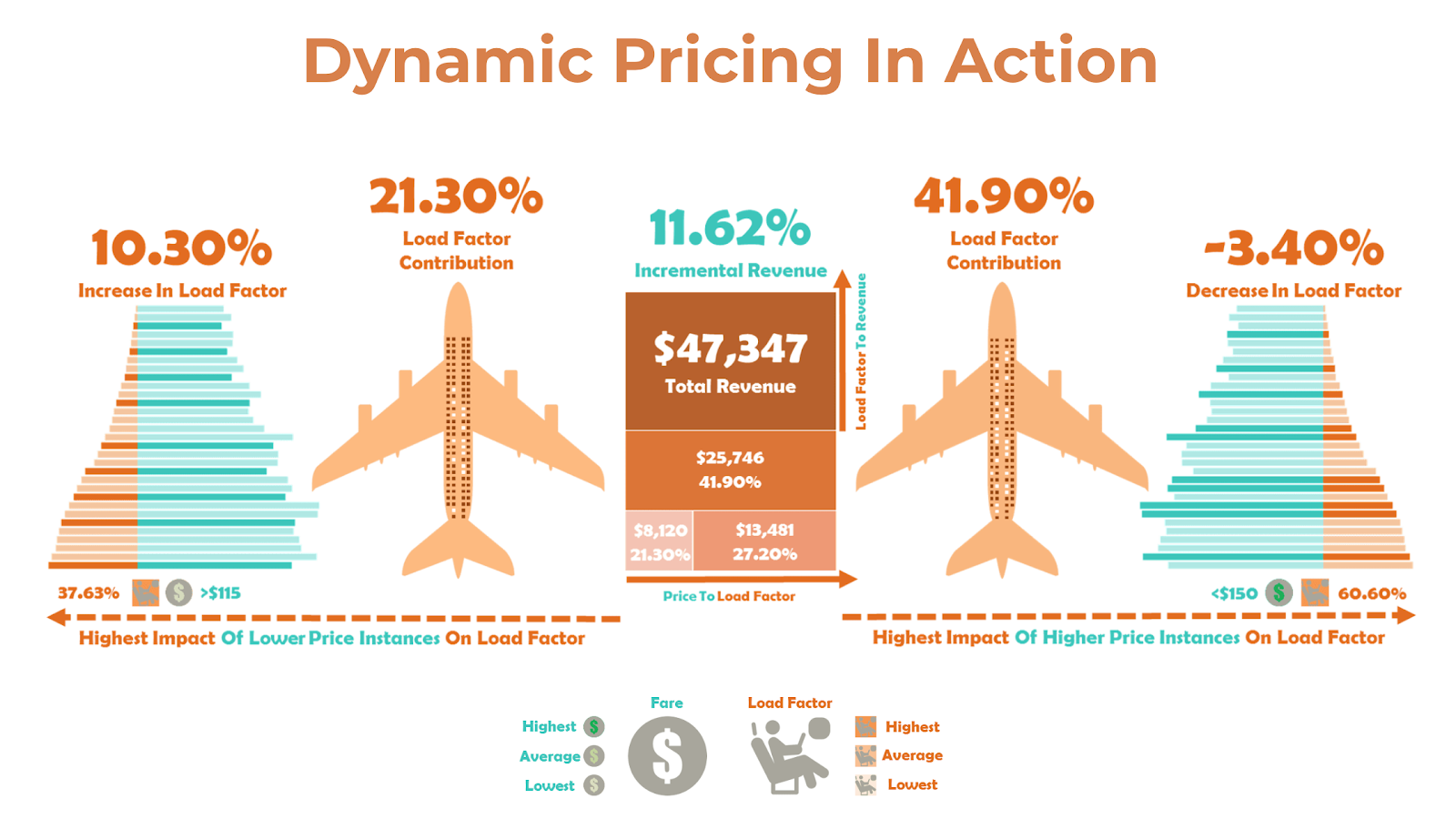
At its heart, airfare pricing operates on the fundamental economic principle of supply and demand. When demand for a particular route or date is high, and the supply of available seats is limited, prices naturally escalate. Conversely, if an airline has many empty seats on a flight, or demand is low for a specific period, prices may drop to incentivize bookings. This explains why flying during peak holiday seasons, major events, or on popular business routes almost always costs more. Airlines use sophisticated algorithms to adjust prices in real-time, monitoring booking trends, competitor pricing, and historical data to maximize revenue per seat.
Timing is Everything: Booking Windows and Seasonality
The precise moment you decide to book your flight can have a monumental impact on its price. There’s an often-debated “sweet spot” for booking, typically cited as 2-3 months in advance for domestic flights and 3-6 months for international journeys. Booking too early might mean paying a premium before airlines fully adjust their pricing models, while booking too late means facing increased prices as available seats dwindle.
Seasonality is another critical factor. Traveling during peak seasons (e.g., summer holidays, Christmas, New Year, spring break) invariably incurs higher costs. Off-peak or “shoulder seasons” (just before or after peak) often present significant savings. Flexibility with your travel dates, even by a day or two, can unlock substantial financial benefits. Flying mid-week (Tuesday, Wednesday, Thursday) is generally cheaper than weekend travel, as business travelers, who often book last-minute and pay higher fares, are more likely to fly at the start or end of the week.
Route Popularity and Competition
Popular routes connecting major hubs tend to have more competition among airlines, which can sometimes drive prices down as carriers vie for passengers. However, if a route is extremely popular and capacity is consistently high (e.g., New York to London), prices might remain elevated. Conversely, less popular routes with fewer direct flights or limited airline options may see higher prices due to a lack of competition. The number of airlines operating on a specific route directly influences the competitive landscape and, by extension, the fare structures.
Airline Business Models: Legacy vs. Low-Cost Carriers
The choice of airline also plays a significant role. Legacy carriers (e.g., American, Delta, United, British Airways, Lufthansa) typically offer a more inclusive experience with amenities often bundled into the base fare (checked bags, in-flight meals, seat selection). Their prices tend to be higher to reflect these services and their extensive global networks. Low-cost carriers (e.g., Spirit, Frontier, Ryanair, EasyJet, Southwest) operate on a different financial model, unbundling nearly every service. Their base fares are remarkably low, but passengers pay extra for everything from seat assignments and checked luggage to carry-on bags and even printing a boarding pass at the airport. Understanding this distinction is vital for accurate budgeting and avoiding unexpected costs.
Fuel Costs and Operational Expenses
Airlines are heavily impacted by the global price of jet fuel, which represents a significant portion of their operational costs. Fluctuations in crude oil prices directly translate into changes in airfare. Beyond fuel, airlines bear substantial expenses related to aircraft maintenance, staff salaries, airport landing fees, air traffic control, insurance, and marketing. These fixed and variable costs must be covered by ticket sales, influencing the baseline price of any flight.
Understanding the Components of a Ticket Price
When you look at a flight itinerary, the single price displayed is rarely just the “fare.” It’s a complex aggregation of various charges, some transparent, others less so, that contribute to the final amount you pay. Dissecting these components can help travelers understand where their money goes.
Base Fare: The Core Cost
The base fare is what the airline theoretically charges for the seat itself, before any additions. This is the component that is most subject to the supply and demand dynamics discussed above. It’s the number that changes most frequently and is often what comparison websites initially display before taxes and fees are added. For low-cost carriers, this might be incredibly low, while for full-service airlines, it will reflect more bundled services.
Taxes and Government Fees
Governments around the world impose various taxes and fees on air travel. These can include passenger service charges, airport improvement fees, security surcharges, customs and immigration fees, and value-added taxes (VAT). These charges are non-negotiable, mandatory, and often vary by country, airport, and the length of the flight. They can constitute a substantial portion of the overall ticket cost, especially on international long-haul flights. For instance, a flight originating or terminating in the UK often includes particularly high Air Passenger Duty (APD).
Carrier-Imposed Surcharges
Sometimes labeled as “fuel surcharges” or “carrier surcharges,” these are additional fees levied directly by the airline. While they might appear similar to taxes, they are not government-mandated and are set by the airline itself. Historically, they were used to offset rising fuel costs, but even as fuel prices fluctuate, these surcharges often remain, serving as another way for airlines to adjust their revenue. They can be a significant portion of the ticket price, particularly on international routes.
Ancillary Fees: The Unbundled Costs
This category has grown dramatically, especially with the rise of budget airlines, and represents the “unbundled” services that were once included. Ancillary fees include charges for:
- Baggage: Both checked and increasingly, carry-on bags can incur significant fees. These vary by airline, route, and weight/size.
- Seat Selection: Many airlines now charge for selecting a specific seat, particularly for aisle or window seats, or those with extra legroom.
- In-flight Amenities: Meals, snacks, beverages, blankets, pillows, and entertainment systems that were once free are often now chargeable, particularly in economy class on many carriers.
- Priority Boarding: Paying extra to board earlier can seem appealing but adds to the overall cost.
- Change/Cancellation Fees: If you need to alter your travel plans, airlines typically charge hefty fees, unless you’ve purchased a flexible fare, which comes at a premium.
These ancillary fees can quickly inflate a seemingly cheap base fare, making the final cost comparable to, or even exceeding, a full-service airline’s initial price. Diligent budgeting requires accounting for these potential additions.
Strategies for Economical Air Travel
While the complexities of airfare pricing can seem daunting, travelers have several powerful strategies at their disposal to mitigate costs and ensure their travel budget stretches further.
Flexibility with Dates and Destinations
The single most effective way to save money on flights is to be flexible. If your travel dates can shift by a few days, or if you’re open to flying out of or into alternative airports, you dramatically increase your chances of finding cheaper fares. Mid-week travel (Tuesdays, Wednesdays, Thursdays) and flying during off-peak seasons are consistently more economical. Tools that allow you to search for flights across an entire month (like Google Flights’ calendar view or Skyscanner’s “Cheapest Month” feature) are invaluable for identifying the most cost-effective travel windows. Being open to less popular destinations or destinations with high airline competition can also yield significant savings.
Leveraging Fare Comparison Websites and Price Alerts
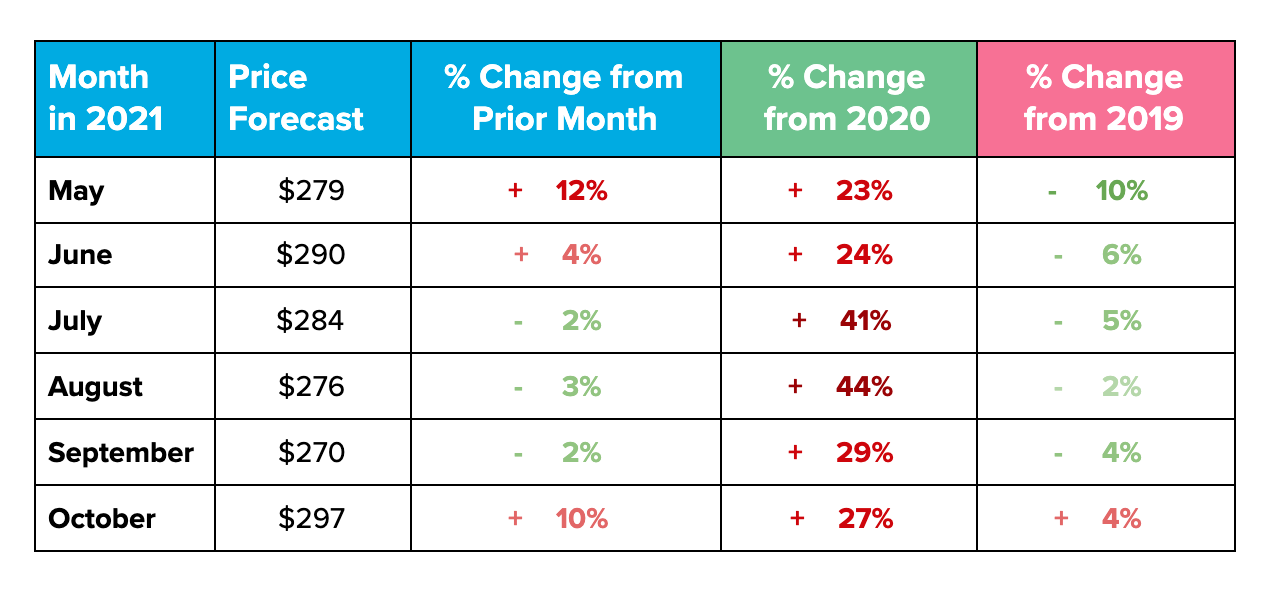
Aggregator websites such as Google Flights, Skyscanner, Kayak, and Expedia are indispensable tools. They scour hundreds of airlines and online travel agencies (OTAs) to present you with a wide array of options and prices. However, it’s always a good practice to cross-reference prices directly on the airline’s website after finding a good deal, as airlines sometimes offer exclusive fares or promotions not listed elsewhere. Setting up price alerts for specific routes is another smart financial move. You’ll receive email notifications when prices drop, allowing you to pounce on a good deal before it disappears.
The Art of Incognito Browsing and VPNs
While often debated, some travelers swear by using incognito or private browsing modes, or even virtual private networks (VPNs) to mask their location, when searching for flights. The theory is that airline websites or OTAs might use cookies to track your searches and potentially inflate prices on subsequent visits if they detect high interest in a particular route. While there’s no definitive proof that this practice is widespread or highly effective, clearing cookies, browsing incognito, or switching your IP address via a VPN costs nothing and might occasionally yield a better price, so it’s a low-risk strategy worth trying.
Exploring Alternative Airports
For major metropolitan areas, there are often several airports within reasonable proximity. Flying into or out of a smaller, less congested airport (e.g., flying into Oakland instead of San Francisco, or London Stansted instead of Heathrow) can sometimes offer substantial savings. While you might incur slightly higher ground transportation costs to reach your final destination, the difference in airfare can often more than compensate. Always factor in the total cost-benefit analysis.
Utilizing Loyalty Programs and Credit Card Rewards
For frequent travelers, loyalty programs (airline mileage programs) and travel-rewards credit cards can be powerful financial tools. Accumulating miles or points through flying or everyday spending can lead to free flights or significant discounts on tickets, upgrades, and even ancillary services. Strategically using a credit card that offers robust travel rewards, sign-up bonuses, and perks like free checked bags or airport lounge access can translate into considerable long-term savings and enhanced travel experiences.
Considering Budget Airlines (with caveats)
As mentioned, budget airlines offer incredibly low base fares. They can be an excellent option for short-haul flights where you don’t need many amenities, or if you’re traveling light with minimal luggage. However, it’s crucial to understand their fee structure thoroughly. Add up all the potential ancillary costs (baggage, seat selection, credit card processing fees, etc.) to get a true comparison against full-service carriers. Sometimes, a seemingly cheap budget fare can end up being more expensive than a legacy airline ticket that includes all the necessities. Always read the fine print.
Average Costs and Benchmarks: What to Expect
While providing a single “average cost” for a plane ticket is impossible due to the variables, we can establish some benchmarks based on flight type and class of service to help set realistic expectations for your travel budget.
Domestic vs. International Flights
- Domestic Flights: Short-haul domestic flights (e.g., under 3 hours) can range from $50 to $300 round-trip for economy class, especially when booked in advance and during off-peak times. Cross-country domestic flights (e.g., coast-to-coast in the US) typically range from $200 to $600+ in economy, with significant variability based on demand and booking time.
- International Flights: International fares are generally much higher due to distance, fuel consumption, and higher taxes/fees. A transatlantic or transpacific economy class ticket can range from $500 to $1500+ for a round-trip, with peak season travel pushing these figures even higher. Exceptional deals might be found for under $400, but these are rare.
Short-Haul vs. Long-Haul Journeys
The distance directly correlates with fuel consumption and operational time, thus influencing price.
- Short-Haul: Flights under ~3 hours. Often the most affordable, especially within continents or regions with high competition.
- Medium-Haul: Flights 3-6 hours. Prices increase but remain manageable, particularly on well-served routes.
- Long-Haul: Flights over 6 hours. These tend to be the most expensive due to the significant operational costs, larger aircraft, and potentially fewer direct competitors on specific long-distance routes.
Impact of Class of Service
The class of service dramatically alters the price point and the overall travel experience.
- Economy (Basic Economy/Economy): The most common and affordable. Basic Economy often comes with restrictions (no seat selection, no changes, last to board), while standard Economy offers a bit more flexibility.
- Premium Economy: A popular intermediate option, offering more legroom, wider seats, enhanced meal service, and sometimes priority boarding at a price point typically 50-100% higher than standard economy.
- Business Class: Designed for comfort and productivity, featuring lie-flat seats, gourmet meals, lounge access, and premium service. Prices can be 3-5 times higher than economy.
- First Class: The pinnacle of luxury air travel, offering unparalleled service, privacy, and amenities. Exorbitantly expensive, often 5-10 times the economy fare, sometimes even more.
Understanding these benchmarks helps travelers budget more effectively and decide if a particular price aligns with market expectations or represents a good value.
Beyond the Ticket: Hidden Costs and Budgeting for Air Travel
While the ticket price is the primary concern, savvy financial planning for air travel extends beyond the fare itself. Overlooking associated costs can quickly derail a carefully constructed travel budget.
Ground Transportation to and from Airports
The journey to and from the airport can add a substantial sum to your travel expenses. Whether it’s parking fees, taxi/rideshare services, public transportation tickets, or even the cost of fuel for your own car, these charges accumulate. Especially for early morning or late-night flights, public transport might not be an option, forcing reliance on more expensive alternatives. Always factor in these costs when choosing airports or comparing flight times.
Accommodation and Activity Budgets
Plane tickets are just one piece of the travel puzzle. The cost of accommodation (hotels, rentals), food, local transportation at your destination, and activities (tours, attractions, entertainment) forms the bulk of a travel budget. It’s crucial to consider these interconnected expenses. A cheap flight to an expensive city might not be a good deal if it blows your overall budget. Conversely, a slightly more expensive flight to a destination with affordable living can be a smarter financial choice.
Travel Insurance Considerations
While an added upfront cost, travel insurance is a critical financial safeguard, especially for international or complex trips. It can protect against unforeseen events such as flight cancellations, lost luggage, medical emergencies abroad, or trip interruptions. The cost is usually a small percentage of your total trip cost but can save you thousands in the event of an unexpected mishap. For some, peace of mind is worth the investment, reflecting a responsible approach to financial risk management.
Currency Exchange and Transaction Fees
When traveling internationally, the costs associated with currency exchange can erode your budget. ATM withdrawal fees, foreign transaction fees on credit cards, and unfavorable exchange rates at airport kiosks can add up. Researching the best ways to manage money abroad, such as using credit cards with no foreign transaction fees or withdrawing local currency from fee-free ATMs, is a small but impactful financial planning step.
In conclusion, determining “how much do plane tickets cost” requires a nuanced understanding of dynamic pricing, airline economics, and a proactive approach to searching and booking. By being flexible, leveraging technology, dissecting the components of a fare, and meticulously accounting for all associated costs, travelers can transform the often-stressful process of airfare hunting into an empowering exercise in financial savvy, ensuring more affordable and enjoyable journeys.
aViewFromTheCave is a participant in the Amazon Services LLC Associates Program, an affiliate advertising program designed to provide a means for sites to earn advertising fees by advertising and linking to Amazon.com. Amazon, the Amazon logo, AmazonSupply, and the AmazonSupply logo are trademarks of Amazon.com, Inc. or its affiliates. As an Amazon Associate we earn affiliate commissions from qualifying purchases.