
The allure of the big screen, the communal experience of shared laughter, gasps, and tears, and the escapism offered by a darkened auditorium have long made movie theaters a cherished institution. Yet, for many consumers, the question “how much do movie theater tickets cost?” isn’t just a casual inquiry; it’s a critical financial consideration that shapes their entertainment budget and decisions. Understanding the economics behind a movie ticket is more complex than a simple price tag; it involves a confluence of historical trends, operational costs, market dynamics, and consumer behavior. This article delves deep into the financial intricacies of movie ticket pricing, offering insights into what drives these costs, how they vary, and strategies for savvy moviegoers to optimize their cinematic spending.
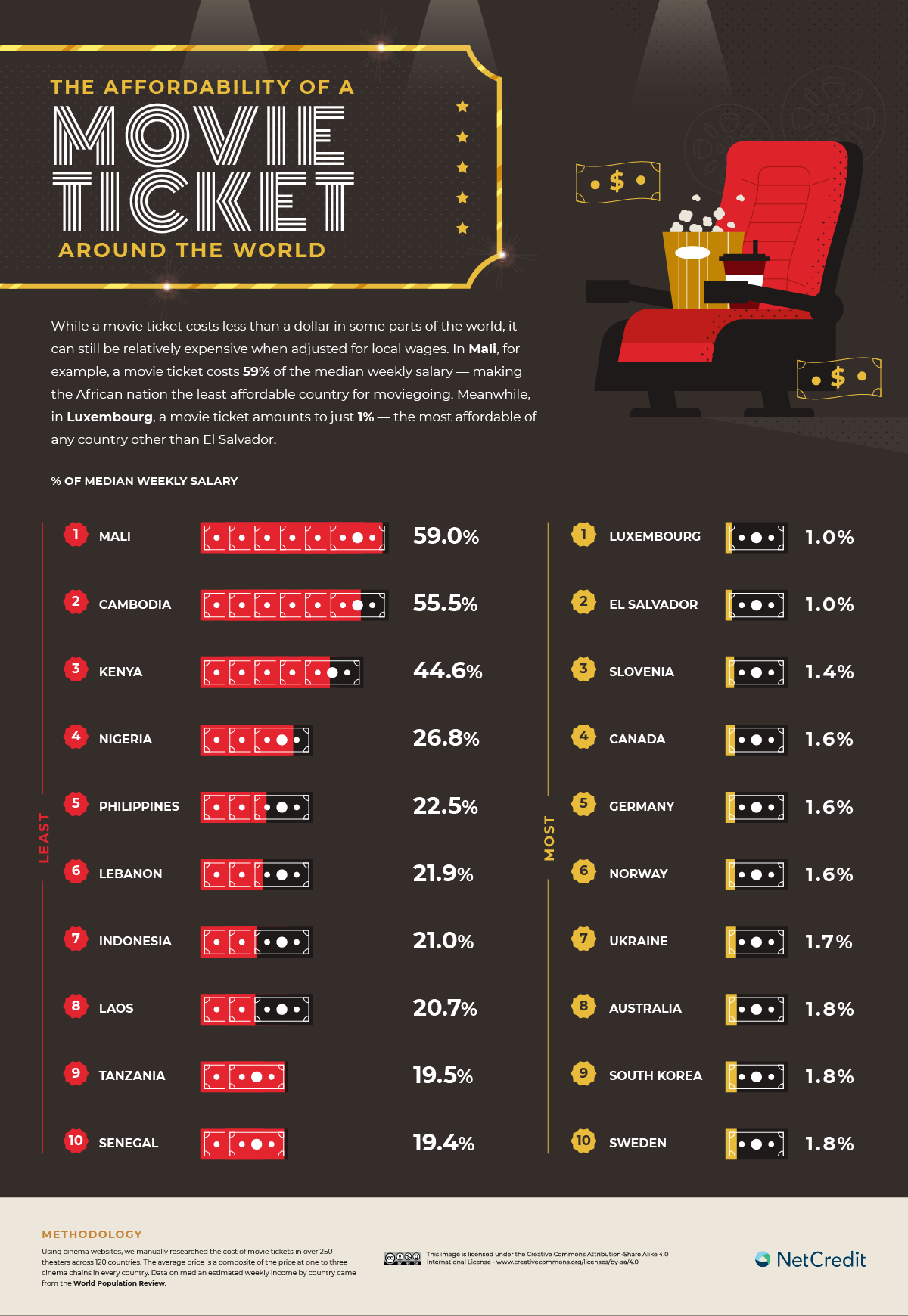
The Evolving Price Tag of Cinematic Experience
The cost of a movie ticket is not static; it’s a dynamic figure influenced by a multitude of factors, from inflation and location to the very technology used to project the film. What once was an affordable outing for families has, in many regions, transformed into a more significant discretionary expense, prompting many to weigh the value proposition of a night out at the cinema against a growing array of home entertainment options.
A Historical Perspective on Ticket Prices
To truly appreciate current ticket prices, a glance at history is essential. In the golden age of Hollywood, movie tickets were remarkably cheap, reflecting different economic realities and entertainment landscapes. Post-World War II, a movie ticket might have cost less than a dollar, providing accessible entertainment for the masses. However, inflation, rising operational costs, and the increasing sophistication of filmmaking have steadily driven prices upward.
Over decades, as the average household income grew, so did the cost of a movie ticket. The introduction of technologies like surround sound, stadium seating, and eventually 3D and IMAX added further justification for price increases, positioning the cinema as a premium experience rather than just a casual pastime. This gradual escalation means that today’s prices are not just a reflection of current economic conditions but also a cumulative result of decades of change in the industry and wider economy.
Regional Disparities: Why Location Matters
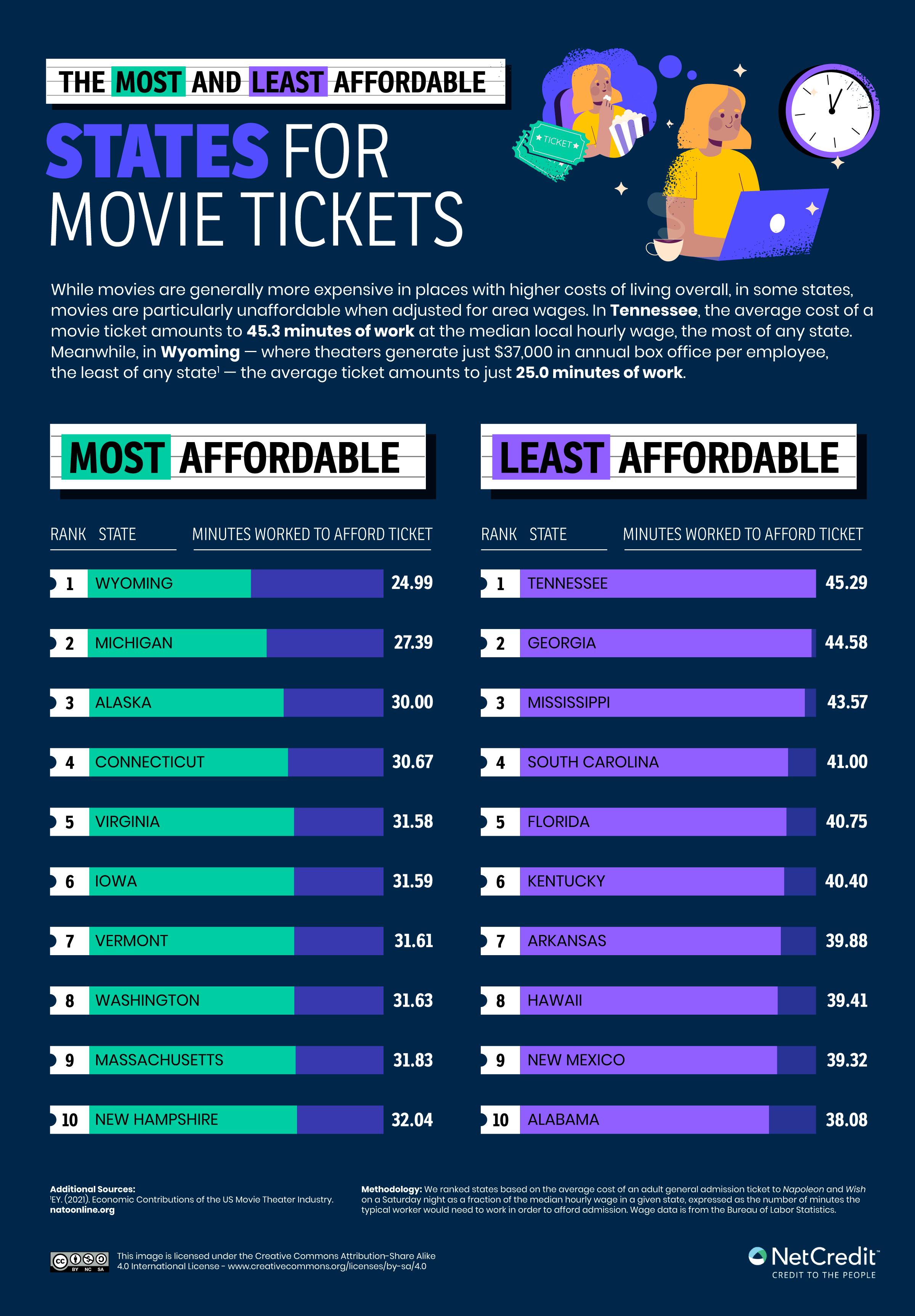
One of the most immediate factors impacting ticket prices is geographical location. Just as the cost of living varies significantly across different cities and states, so too does the price of a movie ticket. Urban centers, particularly those in high-cost-of-living areas like New York City, Los Angeles, or major metropolitan hubs, invariably command higher ticket prices. This is largely due to higher operational overheads for theaters, including significantly increased rent, labor costs, and local taxes. A cinema operating in Times Square faces vastly different financial pressures than one in a small suburban town or a rural community.
Conversely, smaller towns or regions with lower median incomes often see more modest ticket prices. This regional variation isn’t arbitrary; it reflects a deliberate pricing strategy by theater chains to align with the local economy and consumer purchasing power. A higher price in a wealthy urban area might be acceptable, while the same price in a struggling rural community could deter attendance entirely. Therefore, comparing ticket prices without considering the local context can be misleading, as the “national average” often masks significant local differences.
The Premium Experience: IMAX, 3D, and Luxury Seating
Beyond standard admission, modern movie theaters offer a tiered pricing structure that significantly impacts the final cost. The introduction of premium formats like IMAX, RealD 3D, and Dolby Cinema has allowed theaters to charge a surcharge for an “enhanced” viewing experience. These formats promise superior sound, picture quality, and immersion, justifying a higher price point for consumers seeking the ultimate cinematic presentation.
Furthermore, the rise of luxury amenities has become another avenue for premium pricing. Reclining seats, reserved seating, in-theater dining, and even full-service bars transform a standard movie outing into a more upscale, comfortable experience. While these features undoubtedly enhance enjoyment, they come at a considerable additional cost, often adding several dollars to an already standard ticket price. This strategy allows theaters to cater to different segments of the market, offering both a baseline experience and a range of luxury upgrades, thereby maximizing revenue per patron for those willing to pay more.
Deconstructing the Cost: What Your Ticket Pays For
When you hand over your money for a movie ticket, it’s easy to assume that the entire sum goes directly to the theater or the film studio. In reality, the ticket price is meticulously dissected, with various entities laying claim to a portion of your hard-earned cash. Understanding this breakdown reveals the complex financial ecosystem that underpins the movie industry.
Production & Distribution: The Studio’s Share
A significant portion of every ticket sold goes back to the film studios (e.g., Warner Bros., Disney, Universal) that produced and distributed the movie. This revenue-sharing agreement is the lifeblood of Hollywood, funding future productions and covering the astronomical costs of filmmaking and global marketing campaigns. The exact split between the studio and the exhibitor (the movie theater) can vary widely, influenced by factors such as the film’s anticipated box office success, its opening weekend performance, and the negotiating power of the studio.
Typically, for major blockbuster releases, studios command a larger share, especially in the opening weeks. It’s not uncommon for studios to take 60-70% or even higher of the ticket revenue during a film’s initial run, with their share gradually decreasing as the movie plays longer. This high initial split ensures that studios recoup their massive investments quickly, making the box office performance of a film’s first few weeks absolutely critical for their financial success.
Theater Operations: Rent, Staff, & Utilities
While studios take a large slice, movie theaters have substantial operational costs they must cover from their remaining share. These overheads are vast and include:
-
Rent/Mortgage: Prime real estate for large multiplexes in desirable locations comes with hefty lease agreements or mortgage payments.
-
Staff Wages: From ticket takers and concession workers to projectionists and cleaning crews, a significant workforce is required to run a theater effectively.
-
Utilities: Powering multiple screens, climate control for vast auditoriums, and extensive lighting systems result in substantial electricity bills. Water, gas, and waste disposal also contribute.
-
Maintenance & Repairs: Projectors, sound systems, seating, and general infrastructure require constant upkeep and occasional costly repairs or upgrades.
-
Insurance: Protecting against property damage, liability, and other risks is a non-negotiable expense.
-
Cleaning & Supplies: Maintaining a clean and inviting environment for patrons requires ongoing expenses for cleaning supplies and services.
These fixed and variable costs represent the operational reality of running a cinema, making every ticket sale crucial for the theater’s financial viability.
The Concession Stand Paradox: Where The Real Profit Lies
It’s an open secret in the movie industry: the true profit center for most theaters isn’t the ticket sales, but the concession stand. Given the substantial portion of ticket revenue that goes to film studios, theaters often operate on thin margins, or even at a loss, from ticket sales alone, especially during a film’s initial run. This is where the outrageously priced popcorn, soda, and candy come into play.
The markup on concession items is astronomical, often ranging from 400% to 900% or more. A large popcorn that costs the theater mere cents to produce might sell for $8-$10. This high-margin revenue stream is absolutely vital for covering the theater’s operational costs and generating a healthy profit. Without it, many cinemas would struggle to stay afloat. Understanding this paradox sheds light on why theaters are so insistent on prohibiting outside food and beverages – it’s not just a rule, it’s a critical component of their business model.
Taxes and Fees: The Unseen Additions
Finally, a portion of the ticket price is siphoned off by various taxes and fees. Depending on the jurisdiction, this can include state sales tax, local entertainment taxes, and other municipal levies. These government-mandated charges are often invisible to the consumer until they see the final breakdown on their receipt, but they contribute to the overall cost and reduce the net revenue for both studios and exhibitors. While these amounts may seem small on an individual ticket, they collectively represent a significant revenue stream for local and state governments.
Strategies for Savvy Moviegoers: Saving Money on Tickets
While movie ticket prices might seem non-negotiable, there are numerous strategies smart consumers can employ to reduce their spending without sacrificing the cinematic experience. Being proactive and informed can lead to substantial savings over time, making moviegoing more accessible and budget-friendly.
Matinees, Tuesdays, and Off-Peak Times
The simplest and often most effective way to save money on movie tickets is to adjust your viewing schedule. Movie theaters frequently implement dynamic pricing models, charging less for screenings during off-peak hours when demand is lower.
-
Matinee Showings: Films screened before a certain time (e.g., before 4 PM or 5 PM) often carry a significantly reduced price compared to evening shows.
-
“Discount Tuesdays” (or similar weekday deals): Many major theater chains offer a specific day of the week, most commonly Tuesday, where all tickets are sold at a reduced, flat rate. This strategy aims to boost attendance on traditionally slow weekdays.
-
Late-Night Shows: Sometimes, the last screening of the night might also be slightly cheaper, though this is less common than matinee discounts.
By being flexible with your viewing times, you can enjoy the same film for a fraction of the cost.
Loyalty Programs and Subscription Services
For frequent moviegoers, loyalty programs and subscription services can unlock substantial savings and exclusive benefits.
-
Loyalty Programs: Most major theater chains offer free loyalty programs that reward points for every dollar spent. These points can then be redeemed for discounted tickets, free concessions, or exclusive access to screenings. Members often receive perks like waived online ticketing fees and special member-only offers.
-
Movie Subscription Services: The rise of subscription models (e.g., AMC Stubs A-List, Regal Unlimited, Cinemark Movie Club) has revolutionized how dedicated movie fans consume films. For a fixed monthly fee, subscribers can typically see multiple movies per month (often up to three per week) at their chosen chain. These services represent significant value for those who see more than one or two movies a month, effectively reducing the per-ticket cost to a very low figure.
Group Discounts and Student/Senior Rates
Many theaters offer targeted discounts for specific demographic groups or for larger parties:
-
Student Discounts: Students with a valid ID can often secure discounted tickets, particularly during weekdays.
-
Senior Discounts: Older adults (typically 60 or 65+) are often eligible for reduced ticket prices.
-
Military Discounts: Active and veteran military personnel, along with their families, frequently receive special pricing.
-
Group Rates: If you’re planning an outing with a large group (e.g., 10 or more people), inquire about group rates, which can provide a per-ticket discount.
Bundling and Package Deals
Beyond individual ticket savings, theaters sometimes offer bundled deals that combine admission with concessions:
-
Family Packs: These packages might include a certain number of tickets, popcorns, and drinks at a discounted rate compared to buying them individually.
-
Dinner-and-a-Movie Combos: Some luxury theaters with in-house dining options might offer special deals for combining a meal with a movie ticket.
While these deals often still include high-margin concessions, the combined savings can be appealing, especially for families or couples.
Alternative Viewing Options: Drive-ins, Free Screenings, and Streaming
While not strictly about reducing the cost of a traditional theater ticket, considering alternative viewing options can provide the cinematic experience at a lower or even zero cost:
-
Drive-In Theaters: Where they still exist, drive-ins often charge per carload rather than per person, making them an incredibly cost-effective option for families or groups.
-
Community Screenings/Free Events: Local parks, libraries, or community organizations occasionally host free outdoor movie nights or indoor screenings.
-
Streaming Services: For many, the ultimate “saving” strategy is to wait for movies to become available on streaming platforms. While not the big-screen experience, the vast libraries of Netflix, Disney+, Max, etc., offer unparalleled entertainment value for a monthly subscription fee, effectively making individual movie viewings “free” once subscribed.
The Economic Impact of Movie Ticket Prices
Movie ticket prices are more than just a line item on a personal budget; they are a critical barometer of consumer behavior, industry health, and the broader entertainment landscape. Their fluctuations and trends have significant ripple effects across various economic sectors.
Impact on Consumer Spending Habits
The cost of a movie ticket directly influences how consumers allocate their discretionary income. As prices rise, particularly for premium formats and concessions, a trip to the cinema becomes a more significant financial commitment. This can lead to:
-
Reduced Frequency: Consumers may choose to go to the movies less often, reserving their visits for highly anticipated blockbusters or special occasions.
-
Shift to Cheaper Alternatives: Higher prices can push consumers towards more affordable entertainment options, such as renting movies at home, utilizing streaming services, or seeking free community events.
-
Concession Avoidance: Patrons might opt to skip expensive concessions or sneak in their own snacks, further impacting theaters’ primary profit source.
These shifts collectively impact the overall consumer spending devoted to out-of-home entertainment, forcing households to make value judgments based on their financial priorities.
The Theater Industry’s Financial Health
The pricing strategy for movie tickets is a delicate balancing act for theater chains. Set prices too high, and attendance plummets. Set them too low, and revenue might not cover operational costs and studio splits. The industry’s financial health is directly tied to box office revenue, which is a function of both ticket prices and attendance.
A declining attendance trend, even with rising ticket prices, signals underlying challenges. The pandemic severely exacerbated these issues, forcing theaters to innovate their pricing models and enhance the overall experience to entice audiences back. The ongoing challenge for theaters is to justify the cost of a ticket against the convenience and value offered by home entertainment, ensuring a sustainable business model in an increasingly competitive landscape.
Competition with Home Entertainment
Perhaps the most significant long-term economic impact on movie ticket pricing comes from the relentless competition with home entertainment. The proliferation of high-definition televisions, sophisticated home theater systems, and a vast array of streaming services has fundamentally altered consumer expectations and the perceived value of an out-of-home cinematic experience.
When a new movie becomes available for rental or streaming shortly after its theatrical release (or even simultaneously), consumers perform a mental cost-benefit analysis. Is paying $15-$20 per person (plus concessions and potentially parking/babysitting) for a theatrical viewing worth it, when for a fraction of that, an entire family could watch it at home with ultimate comfort and convenience? This competitive pressure forces theaters to constantly evaluate their pricing and differentiate their offering through unique experiences, premium formats, and enhanced amenities.

Future Outlook: Dynamic Pricing and Experiential Value
Looking ahead, the movie theater industry will likely continue to evolve its pricing strategies. Dynamic pricing, where ticket prices adjust based on demand, time of day, day of the week, and even individual film popularity, is becoming more sophisticated. We may see even greater variations in pricing, with blockbuster opening weekends commanding premium rates, while less popular films or mid-week showings offer significant discounts.
Furthermore, the emphasis on experiential value will continue to shape pricing. Theaters will increasingly market themselves not just as places to watch a movie, but as destinations for a complete entertainment experience, offering luxury amenities, gourmet food and drink, and immersive technologies. These enhanced experiences will come with a higher price tag, but theaters hope the added value will justify the cost and keep audiences coming back to the big screen. The fundamental question of “how much do movie theater tickets cost” will always be tied to the perceived value and the unique experience theaters can offer in an ever-changing entertainment world.
In conclusion, the price of a movie ticket is a multifaceted financial construct, influenced by history, geography, technology, and a complex revenue-sharing model. For consumers, understanding these dynamics empowers them to make informed choices and employ strategies to save money. For the industry, ticket pricing remains a critical lever in its ongoing effort to attract audiences and maintain financial viability in a fiercely competitive entertainment market.
aViewFromTheCave is a participant in the Amazon Services LLC Associates Program, an affiliate advertising program designed to provide a means for sites to earn advertising fees by advertising and linking to Amazon.com. Amazon, the Amazon logo, AmazonSupply, and the AmazonSupply logo are trademarks of Amazon.com, Inc. or its affiliates. As an Amazon Associate we earn affiliate commissions from qualifying purchases.