
Understanding the true cost and value of airline miles is a crucial skill for any savvy traveler or personal finance enthusiast. On American Airlines, the AAdvantage program offers a complex ecosystem where “cost” isn’t a single, fixed number but rather a dynamic interplay of acquisition methods, redemption strategies, and market fluctuations. Far from a simple transaction, evaluating the expense of American Airlines miles delves into the realm of opportunity costs, strategic financial planning, and maximizing return on investment from loyalty programs. For those looking to optimize their travel budget and leverage financial tools effectively, deciphering the economics of AAdvantage miles is paramount.
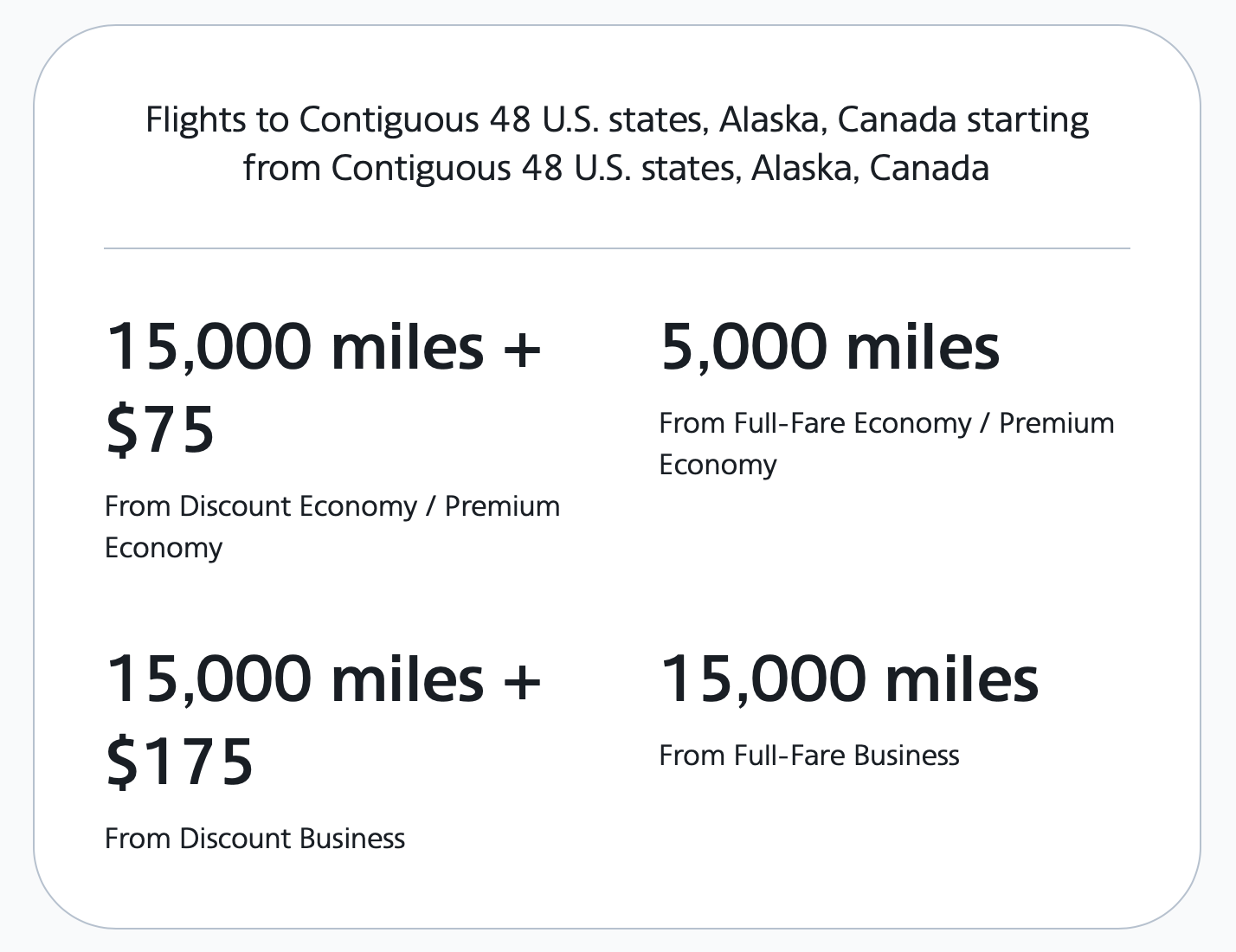
Understanding the True Value of American Airlines AAdvantage Miles
The question “how much do miles cost?” on American Airlines isn’t about a fixed price tag per mile, but rather a calculation of their inherent and perceived value, which varies significantly depending on how they are acquired and, more importantly, how they are redeemed. AAdvantage miles are a form of digital currency within American’s ecosystem, and like any currency, their purchasing power fluctuates.
The Dynamic Nature of Mile Valuation
Unlike a stock price, there isn’t a universal ticker for AAdvantage miles. Their “value” is typically expressed in Cents Per Mile (CPM), which is calculated by dividing the cash price of a flight (or other redemption) by the number of miles required for that same redemption. For instance, if a flight costs $200 in cash or 20,000 miles, the CPM is $200 / 20,000 miles = $0.01 per mile, or 1 cent per mile. This CPM can range widely, from less than 0.5 cents per mile for low-value redemptions (like magazine subscriptions) to over 5 cents per mile for premium international business or first-class flights. The dynamic pricing models employed by American Airlines for award travel mean that the number of miles required for a given flight can change based on demand, route, time of booking, and even the day of the week, directly impacting the CPM you achieve.
Factors Influencing Mile “Cost” – Beyond Redemption
The “cost” of miles extends beyond their redemption value. It encompasses the effort and financial decisions made to acquire them. Miles can be earned through various methods, each with its own implicit or explicit cost. For example, earning miles by flying costs the price of the ticket. Earning miles through a co-branded credit card often comes with an annual fee, interest charges if balances are carried, and the opportunity cost of not using a different rewards card. Even “free” miles earned through shopping portals involve spending money that might otherwise have been saved or allocated differently. Understanding these underlying financial implications is crucial for a holistic view of mile cost.
Calculating Cents Per Mile (CPM) for AAdvantage
To truly understand the “cost” and benefit of your miles, regularly calculating your CPM for various redemptions is vital.
The formula is straightforward:
CPM = (Cash Value of Redemption / Number of Miles Required) * 100
For example, if you’re eyeing a business class ticket to London that costs $3,000 or 120,000 AAdvantage miles:
CPM = ($3,000 / 120,000 miles) * 100 = 2.5 cents per mile.
This calculation helps you benchmark the value you’re getting. A good redemption often yields 1.5 CPM or more, while excellent redemptions can reach 3 CPM or higher. Consistently falling below 1 CPM generally indicates a suboptimal use of your miles, suggesting that the “cost” of acquiring those miles might not have been justified by their redemption value.
Strategies for Acquiring AAdvantage Miles Economically
The real art of managing AAdvantage miles lies in acquiring them efficiently and at a low “cost.” This involves strategic financial decisions and leveraging various facets of the AAdvantage program.
Earning Miles Through Credit Card Welcome Bonuses
One of the most cost-effective ways to accumulate a significant number of AAdvantage miles is through credit card welcome bonuses. Co-branded American Airlines credit cards, offered by issuers like Citi and Barclays, frequently offer substantial mile bonuses (e.g., 50,000 to 70,000 miles or more) after meeting a minimum spending requirement within a specified timeframe (e.g., $3,000 in 3 months). The “cost” here primarily consists of the annual fee (which is often waived for the first year) and the need to responsibly manage your spending to meet the threshold without incurring debt. For many, the value of the bonus miles far outweighs the annual fee, making this an extremely attractive method.
Maximizing Everyday Spending with Co-Branded Cards
Beyond the welcome bonus, using American Airlines co-branded credit cards for everyday purchases allows you to earn miles on an ongoing basis. These cards typically offer 1-2 miles per dollar spent, with bonus categories for American Airlines purchases or specific types of spending (e.g., groceries, dining). The “cost” associated with these miles is tied to the purchases you would make anyway. The key is to pay your balance in full each month to avoid interest charges, which would quickly negate the value of any miles earned. For disciplined spenders, this is a steady, low-cost way to accumulate miles.
Strategic Shopping Portals and Partner Offers
American Airlines partners with various shopping portals (like AAdvantage eShopping) and other merchants to offer bonus miles for online purchases. By simply clicking through the portal before shopping at participating retailers, you can earn additional miles per dollar spent. These miles are essentially “free” if you were already planning to make the purchase. Similarly, dining programs and various limited-time promotions with partner companies (e.g., car rental agencies, hotels) can provide opportunities to earn miles without significant additional cost, beyond the expense of the service itself.
Flying Smart: Elite Status and Bonus Miles
While flying is the most direct way to earn AAdvantage miles, it often involves a direct financial outlay for tickets. However, elite status with American Airlines or its Oneworld partners can significantly reduce the per-mile cost of flying by offering bonus miles on top of base earnings. For example, Executive Platinum members earn 11 miles per dollar spent on American Airlines flights, compared to 5 miles per dollar for basic AAdvantage members. This means that a portion of your ticket cost translates into a higher mile yield, effectively lowering the “cost” of each mile earned through flying.
The Cost-Benefit of Buying Miles Directly
American Airlines allows members to purchase miles directly, often with bonus promotions. While this might seem like a straightforward way to acquire miles, it’s typically the most expensive option. The standard price for purchasing AAdvantage miles is around 3.5 cents per mile, not including taxes and fees. Even with common promotions that offer up to a 50% bonus or discount, the price per mile often hovers around 2-2.5 cents per mile. This can sometimes be a viable option if you need to top off your account for a high-value redemption that yields a CPM significantly higher than the purchase price, but it should be approached with caution as a last resort. The “cost” here is direct and explicit, requiring careful financial analysis to ensure it’s a worthwhile investment.
Maximizing Your Mile Redemption Value
Acquiring miles at a low cost is only half the battle; maximizing their value during redemption is equally crucial for optimizing your financial return from the AAdvantage program. Poor redemption choices can significantly inflate the “effective cost” of your miles.
Identifying Sweet Spots in the AAdvantage Program

“Sweet spots” are specific redemptions that offer disproportionately high value (i.e., a high CPM). For American Airlines, these often include international business or first-class awards on American’s own metal or with Oneworld partners, especially to regions like Asia, Europe, or the South Pacific. For example, a business class ticket to Japan that might cash out at $5,000 but only requires 60,000-80,000 miles is a fantastic redemption, yielding CPMs well over 5 cents. These sweet spots allow you to leverage your miles for experiences that might be financially out of reach if paying cash, thus dramatically increasing their perceived and actual value.
Utilizing Upgrade Awards and Partner Airlines
AAdvantage miles can also be used for upgrades on American Airlines flights, which can be an excellent value, particularly for long-haul international routes. Upgrading from economy to business class can transform a standard travel experience into a premium one at a fraction of the cash cost of a business class ticket. Furthermore, American’s extensive network of Oneworld alliance and other partner airlines (like Etihad or Qatar Airways) opens up a vast array of redemption opportunities. Often, premium cabin awards on partner airlines can offer superior products and better award availability than American’s own flights, enhancing the value you extract from your miles.
Avoiding Low-Value Redemptions
Just as there are sweet spots, there are also “sour spots” where mile redemption yields very low value. These typically include using miles for domestic economy flights when cash prices are low, merchandise, gift cards, car rentals, or hotel stays. These redemptions often yield a CPM of 1 cent or less, effectively making the “cost” of your miles very high given their limited purchasing power. As a rule of thumb, always compare the cash price to the mileage requirement before making a redemption to ensure you’re getting a reasonable CPM.
The Impact of Peak vs. Off-Peak Travel
American Airlines employs dynamic pricing for many of its award flights, meaning the number of miles required fluctuates. However, they also publish an award chart that includes “off-peak” mileage requirements for specific regions during certain times of the year. These off-peak awards often represent a significant discount in mileage requirements compared to peak dates, offering an excellent opportunity to stretch your miles further. Planning travel during these off-peak windows can effectively reduce the “cost” of your trip by requiring fewer miles for the same flight.
The Financial Implications of AAdvantage Miles Management
Managing AAdvantage miles isn’t just about accumulating and redeeming; it’s an integral part of a broader personal finance strategy, with implications for budgeting, asset management, and even tax planning.
Opportunity Cost of Hoarding Miles
While it’s tempting to save miles for that “dream trip,” there’s an opportunity cost associated with hoarding them. Loyalty programs can devalue their currency over time, meaning that a redemption requiring 50,000 miles today might require 60,000 or more miles a few years down the line for the same flight. This devaluation effectively increases the “cost” of your accumulated miles if their purchasing power diminishes. It’s often advisable to use miles strategically rather than holding onto them indefinitely, especially for significant balances, to mitigate the risk of devaluation.
Tax Considerations for Miles and Rewards
Generally, miles earned through personal credit card spending or flying are not considered taxable income by the IRS. However, miles received as a bonus for opening a bank account (which might be tied to a credit card offer) or through certain business promotions can sometimes be deemed taxable, as they are considered a form of compensation. While this is less common for standard AAdvantage earnings, it’s an important financial detail to be aware of, especially when miles are acquired outside of typical travel or spending. For most consumers, the tax implications of AAdvantage miles are minimal, but understanding the nuances is part of comprehensive financial planning.
Integrating Miles into Your Overall Financial Plan
For financially astute individuals, AAdvantage miles (and other loyalty points) should be treated as a form of illiquid asset within their personal financial plan. They are not cash, but they represent potential future savings on travel expenses. By strategically integrating miles into your travel budget, you can free up cash for other investments, debt repayment, or savings goals. For instance, using miles for a significant portion of your annual travel can allow you to allocate those funds elsewhere, effectively reducing your travel budget’s cash outlay.
The Role of Miles in Budget Travel vs. Luxury Experiences
AAdvantage miles can serve two primary financial purposes: enabling budget travel or facilitating luxury experiences. For budget travelers, using miles for domestic economy flights when cash prices are high can provide significant savings. For those seeking luxury, miles are invaluable for accessing premium cabins that would otherwise be prohibitively expensive, essentially making a high-cost experience attainable at a much lower effective “cost” (i.e., the cost of acquiring the miles). Understanding which financial goal your miles best serve will dictate your acquisition and redemption strategies.
Advanced Tips for the Savvy AAdvantage User
For those who wish to delve deeper into the economics of AAdvantage miles, a few advanced strategies can further optimize their value and “cost” efficiency.
Monitoring Award Chart Changes and Devaluations
American Airlines, like most loyalty programs, can change its award charts or implement dynamic pricing adjustments without much notice. Staying informed about these changes through financial news outlets, frequent flyer blogs, and American’s own communications is essential. A devaluation can instantly increase the “cost” of your miles by requiring more of them for the same redemption, so proactive monitoring allows you to redeem before adverse changes take effect.
Leveraging Loyalty Programs Beyond Just Flights
While flights are the primary focus, American Airlines often has partnerships with hotels, car rental companies, and other lifestyle brands where you can earn or redeem miles. While redemptions for non-flight options are usually low value, some limited-time promotions for earning miles through these partners can be lucrative. For instance, earning bonus miles for a hotel stay you were already planning can further reduce the effective “cost” of your overall trip.
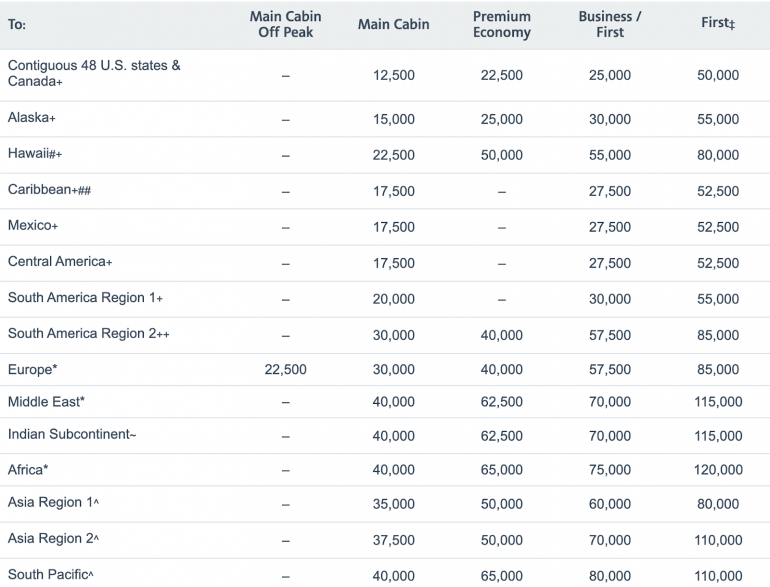
Expert Strategies for Award Availability Hunting
Finding the best award availability, particularly for high-value international premium cabins, often requires persistence and specific strategies. This includes searching on partner airline websites (like British Airways or Qatar Airways) that may show Oneworld availability better than American’s own site, understanding booking windows (some airlines release award seats months in advance, others closer to departure), and being flexible with travel dates and routes. The ability to find and book these premium awards directly translates into a higher CPM for your miles, thus reducing their effective “cost.”
In conclusion, “how much do miles cost on American Airlines?” is a multifaceted question with no single answer. It’s a journey into strategic financial management, demanding an understanding of mile acquisition costs, dynamic redemption values, and their place within a broader personal finance framework. By employing smart earning strategies, diligently calculating CPM, making astute redemption choices, and staying informed about program changes, AAdvantage members can significantly lower the effective “cost” of their miles, transforming them from a mere loyalty perk into a powerful financial tool for achieving their travel and financial goals.
aViewFromTheCave is a participant in the Amazon Services LLC Associates Program, an affiliate advertising program designed to provide a means for sites to earn advertising fees by advertising and linking to Amazon.com. Amazon, the Amazon logo, AmazonSupply, and the AmazonSupply logo are trademarks of Amazon.com, Inc. or its affiliates. As an Amazon Associate we earn affiliate commissions from qualifying purchases.