
For many, a car represents freedom, convenience, and a significant financial commitment. The question “how much do I owe on my car?” is not just a query about a number; it’s a fundamental aspect of personal finance, impacting everything from your monthly budget to your long-term financial goals. Understanding your auto loan status is crucial for effective money management, enabling you to make informed decisions about refinancing, trading in, or simply planning your debt repayment journey.
This guide will walk you through the process of finding out exactly what you owe, understanding the nuances of your auto loan, assessing your car’s value against your debt, and exploring strategies to manage or even accelerate your repayment. Taking control of this information is the first step towards financial clarity and peace of mind.

Unearthing Your Auto Loan Details: Where to Find the Information
Knowing where to locate your auto loan details is the bedrock of managing this debt effectively. While the information might seem elusive at times, it’s readily available through several channels once you know where to look.
Your Loan Servicer and Account Portal
The most direct and comprehensive source of information about your car loan is your loan servicer. This is the financial institution you make your payments to, which might be the original lender (like a bank or credit union) or a third-party company that purchased your loan. Most servicers provide an online account portal where you can log in to view:
- Current Principal Balance: The exact amount of money you still owe, excluding interest that hasn’t accrued yet.
- Interest Rate (APR): The annual percentage rate applied to your loan.
- Remaining Loan Term: How many months or years you have left until the loan is fully paid off.
- Payment History: A detailed record of all your past payments.
- Next Payment Due Date and Amount: Crucial for staying on schedule.
- Amortization Schedule: A breakdown showing how much of each payment goes towards principal and interest over the life of the loan.
If you haven’t set up an online account yet, now is the time. It’s typically a straightforward process requiring your loan account number and some personal identifying information.
Monthly Statements and Annual Summaries
Even in the digital age, many loan servicers still send out physical or electronic monthly statements. These documents are a snapshot of your loan status at the end of each billing cycle and typically include:
- Your current outstanding principal balance.
- The amount of interest paid in the last period.
- The amount of principal paid in the last period.
- Transaction details for your recent payment.
- Important notices or updates from your lender.
Keep these statements organized, whether digitally or physically, as they provide a historical record and critical insights into your loan’s progression. Annual summaries, often sent for tax purposes or year-end reviews, can also offer a consolidated view of interest paid over the year.
Direct Contact with Your Lender
If you’re unable to access your online portal, can’t find your statements, or prefer a more direct approach, simply call your loan servicer’s customer service line. Be prepared to verify your identity with your account number, Social Security number, or other personal details. A representative can provide you with your current payoff amount, explain specific terms, and answer any questions you might have about your loan. When requesting a payoff amount, be sure to ask for the “10-day payoff” which accounts for daily interest accrual and gives you a window to make the final payment accurately.
Credit Reports and Scores
While not the primary source for a precise, up-to-the-minute payoff amount, your credit report can offer a good general overview of your auto loan. All active loans you hold are reported to the three major credit bureaus (Experian, Equifax, and TransUnion). Your credit report will list:
- The lender’s name.
- The original loan amount.
- Your current outstanding balance (though this might be a few weeks old).
- Your payment history (on-time or late payments).
You are entitled to a free copy of your credit report from each bureau once a year via AnnualCreditReport.com. Reviewing it regularly helps you monitor all your debts and check for any inaccuracies.
Decoding Your Auto Loan Statement: Key Terms and Figures
Once you have your statement or access to your loan details, it’s essential to understand what each figure represents. These terms are the building blocks of your auto loan and dictate how much you actually pay over time.
Current Principal Balance
This is the most critical number: the actual amount of money you borrowed that you still need to repay, excluding any interest that has yet to accrue. Every payment you make reduces this principal balance, albeit slowly at the beginning of the loan term when more of your payment goes towards interest.
Interest Rate (APR)
Your Annual Percentage Rate (APR) is the cost of borrowing money for your car. It’s expressed as a percentage and applied to your principal balance. A higher APR means you’ll pay more in interest over the life of the loan. Understanding your APR is crucial, especially when considering refinancing, as a lower rate can significantly reduce your total repayment amount and speed up your debt-free journey.
Loan Term and Remaining Payments
The loan term is the duration over which you agreed to repay the loan, typically expressed in months (e.g., 60 months, 72 months). Knowing your remaining payments helps you project your debt-free date and understand how much longer you’ll be making monthly contributions. A longer loan term generally means lower monthly payments but results in paying more interest over time.
Payment History and Next Due Date
Your payment history is a record of all your payments, indicating whether they were made on time or if there were any late payments. Maintaining a consistent history of on-time payments is vital for your credit score. The next due date and amount are straightforward but crucial for avoiding late fees and negative marks on your credit report.
Escrow (if applicable) and Fees
While less common for standard auto loans than for mortgages, some auto loans might include an escrow component, particularly if you’ve bundled other services or if your state requires certain taxes or fees to be collected this way. More commonly, however, you might encounter various fees:
- Late Payment Fees: Charged if you miss your due date.
- Prepayment Penalties: Though less common now, some older or specific loan agreements might charge a fee if you pay off your loan early. Always check your loan agreement.
- Lien Release Fees: A small fee sometimes charged when the loan is fully paid off to release the lender’s lien on your car title.
Understanding Your Car’s Value vs. What You Owe (Loan-to-Value)
Simply knowing what you owe isn’t enough; you also need to understand how that debt stacks up against the current market value of your vehicle. This comparison leads to the concept of Loan-to-Value (LTV) ratio, which is critical for making financial decisions related to your car.
What is Negative Equity (Upside Down)?
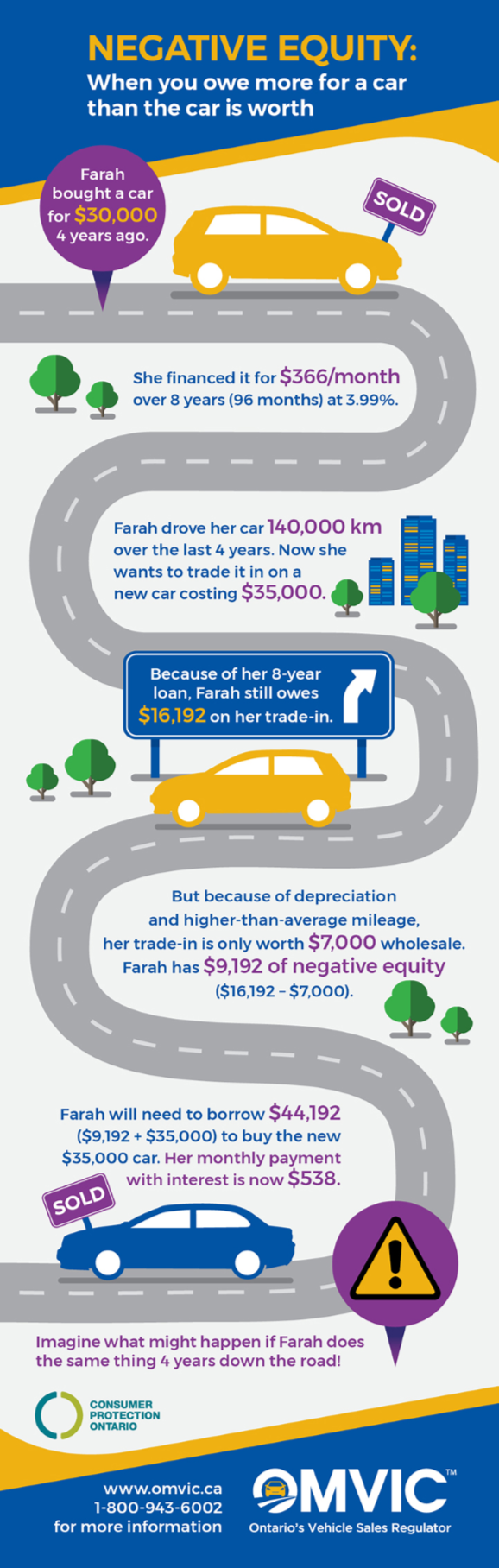
Negative equity, often referred to as being “upside down” or “underwater” on your car loan, occurs when the outstanding balance of your loan is greater than the current market value of your vehicle. This is a common scenario, especially in the early years of a car loan, due to rapid depreciation of new vehicles. For example, if you owe $20,000 on your car, but its market value is only $15,000, you have $5,000 in negative equity.
Negative equity can create challenges when you want to sell or trade in your car, as you’d need to pay the difference out of pocket or roll it into a new loan, potentially perpetuating the cycle.
Determining Your Car’s Current Market Value
To calculate your LTV, you first need to get a reliable estimate of your car’s market value. Several reputable online resources can help:
- Kelley Blue Book (KBB.com): Provides estimated trade-in value, private party value, and retail value.
- Edmunds.com: Offers similar valuation tools.
- NADAguides.com: Often used by dealerships and lenders for valuation.
When using these tools, be honest about your car’s condition, mileage, and features to get the most accurate estimate. You can also get an appraisal from a local dealership, though their trade-in offer will typically be lower than a private party sale value.
Implications of High Loan-to-Value
A high LTV (especially above 100%, indicating negative equity) has several financial implications:
- Trade-ins: If you’re upside down, the negative equity will be added to the price of your new car loan, increasing your payments and making it harder to get approved.
- Refinancing: Lenders are often hesitant to refinance loans with high LTVs, as there’s less collateral for the loan.
- Total Loss: If your car is totaled in an accident and your insurance payout is less than what you owe, you’ll be responsible for the difference unless you have “gap insurance” (Guaranteed Asset Protection), which covers this exact scenario.
Monitoring your LTV regularly allows you to anticipate these challenges and plan accordingly.
Strategies for Managing and Paying Off Your Car Loan Faster
Knowing your loan details and LTV empowers you to take proactive steps towards better financial health. There are several effective strategies to manage your auto loan, and even pay it off faster, saving you money in interest.
Making Extra Payments and Rounding Up
One of the simplest and most effective ways to accelerate your loan repayment is to make extra payments whenever possible. Even small additional contributions can make a significant difference over time.
- Round Up Your Payments: If your payment is $375, consider paying $400. That extra $25 might seem small, but it directly reduces your principal.
- Apply Windfalls: Use bonuses, tax refunds, or other unexpected income to make a substantial lump-sum payment.
- Extra Payment Per Year: Aim to make one additional full monthly payment each year. You can achieve this by paying an extra 1/12th of your monthly payment every month, or by simply making a 13th payment.
Crucially, when making extra payments, explicitly instruct your lender to apply the additional funds directly to the principal balance. Otherwise, they might apply it to future interest or your next scheduled payment.
Bi-Weekly Payments
This strategy involves splitting your monthly payment in half and making a payment every two weeks. Since there are 52 weeks in a year, this results in 26 half-payments, which equates to 13 full monthly payments instead of 12. This small adjustment can shave months off your loan term and save you a considerable amount in interest without feeling like a huge financial burden each month.
Refinancing Your Auto Loan
Refinancing involves taking out a new loan to pay off your existing auto loan, typically with a different lender or under new terms. It can be a smart move under specific circumstances:
- Lower Interest Rate: If your credit score has improved since you took out the original loan, or if market rates have dropped, you might qualify for a significantly lower APR. This directly reduces your total interest paid.
- Shorter Loan Term: You can refinance to a shorter term to pay off the loan faster, although this will likely increase your monthly payment.
- Lower Monthly Payment: If you’re struggling with your current payments, refinancing to a longer term can reduce your monthly obligation, though it will increase the total interest paid over the life of the loan.
Before refinancing, compare offers from multiple lenders, consider any fees associated with the new loan, and ensure that the new terms genuinely benefit your financial situation.
Considering a Trade-In or Selling
If you’re significantly upside down on your loan, or simply want a different vehicle, you might consider trading in or selling your car.
- Trading In: If you have equity (your car is worth more than you owe), that equity can be applied towards the down payment of your next vehicle, reducing your new loan amount. If you have negative equity, the dealership might roll it into your new loan, increasing its size.
- Selling Privately: Selling your car privately often yields a higher price than trading it into a dealership. However, it requires more effort. If you have a loan, you’ll need to coordinate with your lender to obtain the title once the loan is paid off by the buyer, or arrange for the buyer to pay the lender directly. This process can be complex and requires careful planning.
What to Do If You’re Struggling to Make Payments
Life happens, and sometimes financial circumstances change, making it difficult to keep up with car loan payments. Ignoring the problem is the worst course of action. Proactive communication and exploring options are key.
Communicate with Your Lender Proactively
As soon as you anticipate difficulty making a payment, contact your loan servicer. Do not wait until you’ve missed a payment. Lenders prefer to work with borrowers to find solutions rather than resort to repossession. Explain your situation honestly.
Exploring Payment Deferral or Loan Modification
Your lender might offer several options:
- Payment Deferral (Forbearance): They might allow you to skip one or more payments, adding them to the end of your loan term. This provides temporary relief but doesn’t reduce the total amount you owe.
- Loan Modification: In some cases, especially if your financial hardship is significant and long-term, they might be willing to modify the loan terms, such as extending the term to lower monthly payments.
- Interest-Only Payments: A less common option where you only pay the interest for a short period, allowing you to catch up on other expenses.
These options are usually granted on a case-by-case basis and depend on your payment history and the lender’s policies.
Budget Review and Expense Reduction
Take a hard look at your overall budget. Can you cut back on non-essential expenses to free up cash for your car payment? This might involve temporarily reducing entertainment, dining out, or subscription services. Every dollar saved can help prevent a missed payment. Creating a detailed budget using financial tools or apps can help you identify areas for savings.

Understanding Repossession and Its Consequences
If you default on your auto loan (fail to make payments as agreed), your lender has the right to repossess your vehicle. This is a severe consequence with significant repercussions:
- Loss of Vehicle: You lose your car, which can disrupt your daily life, commute, and work.
- Credit Damage: A repossession will severely damage your credit score, making it difficult to obtain future loans, mortgages, or even rent an apartment for several years.
- Deficiency Balance: Even after repossession, you might still owe money. The lender will sell the car, and if the sale price doesn’t cover the remaining loan balance plus repossession costs, you’ll be responsible for the “deficiency balance.” This can lead to further financial strain or even collection agency involvement.
It’s paramount to explore all other options before facing the risk of repossession.
Knowing “how much do I owe on my car” is more than just a piece of information; it’s a critical component of your financial dashboard. By actively engaging with your loan details, understanding your vehicle’s value, and employing strategic management techniques, you gain control over a significant portion of your personal finance. Whether you’re aiming to pay off your loan faster, refinance for better terms, or navigate financial difficulties, a clear understanding of your auto loan is your most powerful tool. Take the time to regularly review your loan status, and make informed decisions that pave the way to financial freedom.
aViewFromTheCave is a participant in the Amazon Services LLC Associates Program, an affiliate advertising program designed to provide a means for sites to earn advertising fees by advertising and linking to Amazon.com. Amazon, the Amazon logo, AmazonSupply, and the AmazonSupply logo are trademarks of Amazon.com, Inc. or its affiliates. As an Amazon Associate we earn affiliate commissions from qualifying purchases.