
In the vast landscape of personal finance, one of the most empowering yet often daunting questions individuals face is: “How much should I be saving?” While grand financial aspirations like buying a home, funding retirement, or achieving financial independence can seem overwhelming, breaking them down into manageable, weekly savings goals can make all the difference. This is where the concept of a “how much do I need to save a week calculator” becomes an indispensable tool, transforming abstract dreams into concrete, actionable steps. It’s not just about a numerical output; it’s about clarity, strategy, and consistent progress toward your financial well-being.
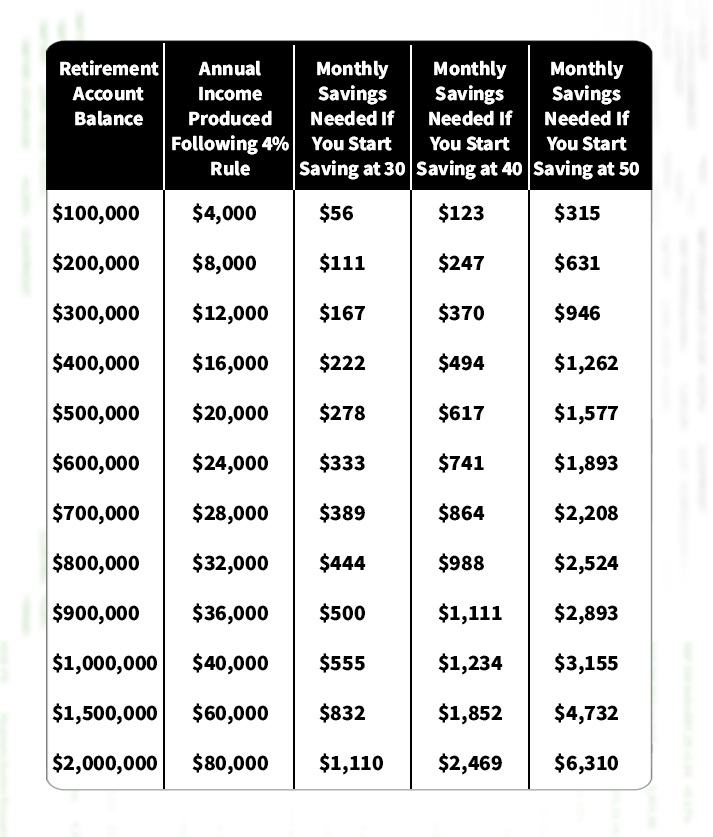
1. The Imperative of Weekly Savings: Why Precision Matters
Financial success rarely happens by accident. It is the culmination of intentional decisions and consistent effort, and at the heart of that effort lies saving. While monthly or annual savings targets are common, focusing on a weekly amount provides a granular, accessible perspective that can significantly boost motivation and adherence.
The Power of Incremental Progress
The idea of saving a large sum of money can be intimidating. However, when you frame it as a small, regular contribution—such as a specific amount each week—it suddenly appears much more achievable. This incremental approach leverages the power of compound interest and consistent habit formation, proving that even modest weekly contributions can accumulate into substantial wealth over time. It cultivates discipline and reduces the psychological barrier to starting your savings journey. For many, finding an extra $50 or $100 a week feels far more realistic than finding $200 or $400 once a month.
Defining Your Financial Milestones
Before you can determine how much to save, you must first clarify what you’re saving for. Financial goals provide direction and purpose. Without them, saving can feel like an arbitrary chore. These milestones can range from short-term desires to long-term aspirations, each requiring a different timeline and savings strategy.
Beyond the Emergency Fund: Diverse Saving Goals
While an emergency fund (typically 3-6 months of living expenses) is a foundational goal for financial stability, your savings endeavors shouldn’t stop there. Other common and critical financial milestones include:
- Down Payment for a Home: A significant investment requiring substantial capital accumulation.
- Retirement: Planning for financial independence in your later years, often the largest and longest-term goal.
- Education Funding: Saving for your own or a child’s higher education.
- Large Purchases: A new car, a significant home renovation, or a dream vacation.
- Debt Repayment: While technically reducing liabilities, setting aside money weekly to aggressively pay down high-interest debt can be considered a form of saving for future financial freedom.
- Investment Capital: Building a pool of funds for future investment opportunities.
Clearly defining these goals, including the target amount and desired timeframe, is the crucial first step that enables any savings calculator to provide meaningful guidance.
2. Deciphering Your Financial Landscape: The Input for Your Calculator
A calculator, whether digital or conceptual, is only as good as the data you feed it. To accurately determine your optimal weekly savings amount, you need a clear and honest picture of your current financial situation. This involves a thorough examination of your income and expenses.
Income Assessment: Knowing What You Earn
Begin by meticulously calculating all your consistent income sources. This includes your net salary (after taxes and deductions), income from side hustles, rental income, or any other regular inflows. It’s vital to use your net income, as this is the actual money you have available to spend and save. If your income varies significantly from week to week or month to month, consider using an average or focusing on your minimum reliable income to set a conservative savings goal. Understanding your baseline income is the starting point for all financial planning.
Expense Analysis: Where Your Money Goes
This is often the most revealing, and sometimes challenging, part of the process. Tracking your expenses for a period (e.g., a month or two) will illuminate exactly where your money is going. Categorize your expenses into:
- Fixed Expenses: Regular, predictable costs like rent/mortgage, loan payments, insurance premiums, and subscriptions.
- Variable Expenses: Costs that fluctuate, such as groceries, utilities, transportation, entertainment, and dining out.
Digital banking apps, budgeting software, or even a simple spreadsheet can help you compile this data. Be brutally honest with yourself; every dollar accounted for is a dollar you can potentially reallocate towards your savings goals.
Budgeting Basics: Creating a Spending Plan
With your income and expenses clearly mapped out, the next step is to create a realistic budget. A budget is essentially a spending plan that ensures your outflows do not exceed your inflows and, crucially, allocates funds towards your savings goals before discretionary spending. The “pay yourself first” principle is paramount here. Decide on your weekly savings target (even a preliminary one), then ensure your budget incorporates it as a non-negotiable expense. If your current expenses prevent you from meeting your savings goal, this is where you identify areas to cut back. A budget isn’t about deprivation; it’s about intentional spending that aligns with your financial priorities.
3. The Mechanics of the Weekly Savings Calculator

Once you have a clear goal and an understanding of your current finances, you’re ready to engage with the calculator concept. Whether you use an online tool, a spreadsheet, or manual calculations, the underlying principles remain the same.
Key Variables: Goal Amount, Timeline, and Interest
A weekly savings calculator typically requires three primary inputs to determine your weekly contribution:
- Goal Amount: The total sum of money you wish to save (e.g., $30,000 for a down payment).
- Timeline: The period over which you intend to save this amount (e.g., 5 years, which translates to 260 weeks).
- Current Savings (Optional): If you already have a head start, inputting this amount will reduce your future weekly saving requirement.
- Anticipated Interest Rate (Optional but Recommended): If your savings will be held in an account that earns interest (e.g., a high-yield savings account or investment account), factoring in a conservative estimate of the annual interest rate will show you how compound interest can reduce your personal contribution. The calculator will then use these variables to work backward, calculating the weekly amount needed to reach your target by your specified date.
Manual Calculation vs. Digital Tools
While many excellent online calculators exist, understanding the basic formula can be empowering.
- Without Interest:
(Goal Amount - Current Savings) / Number of Weeks = Weekly Savings Needed - With Interest: This calculation is more complex and typically requires a financial calculator or spreadsheet function that accounts for compound interest over time. Most online weekly savings calculators incorporate this, making them invaluable for more precise planning.
Digital tools offer convenience, accuracy, and often the ability to adjust variables quickly to see different scenarios. They can also connect to other financial planning tools, providing a holistic view.
Interpreting the Results: What Your Target Means
The number generated by the calculator is not just a figure; it’s a call to action. If the weekly amount seems manageable given your budget, you have a clear target. If it seems unattainable, it’s an invitation to adjust your plan:
- Extend Your Timeline: Give yourself more time to reach your goal.
- Reduce Your Goal Amount: If feasible, scale back your target.
- Increase Your Income: Explore opportunities for side hustles or income growth.
- Reduce Expenses Further: Revisit your budget with a more critical eye.
The calculator provides a realistic benchmark, allowing you to make informed decisions about your financial journey.
4. Strategies to Boost Your Weekly Savings
Once you have your target weekly savings amount, the focus shifts to implementation. How can you consistently meet or even exceed this goal without feeling deprived?
Expense Optimization: Finding Savings Opportunities
Review your budget regularly to identify areas where you can trim expenses without significantly impacting your quality of life.
- Subscription Audit: Cancel unused streaming services, gym memberships, or app subscriptions.
- Negotiate Bills: Call your internet, cable, or insurance providers to see if you can get a better rate.
- Meal Planning: Reduce food waste and impulsive dining out by planning your meals and cooking at home.
- Transportation Alternatives: Consider public transport, carpooling, or walking/biking for shorter distances.
- Mindful Spending: Before making a non-essential purchase, ask yourself if it aligns with your financial goals. Sometimes, simply waiting 24-48 hours before buying can prevent impulsive spending.
Income Augmentation: Earning More to Save More
Sometimes, cutting expenses isn’t enough, or there’s simply no more fat to trim. In these cases, increasing your income is a direct path to boosting your weekly savings.
- Side Hustles: Explore freelancing, gig work (delivery, rideshare), selling crafts, or consulting.
- Skill Development: Invest in learning new skills that can lead to higher-paying opportunities or promotions in your current role.
- Negotiate Salary: Don’t shy away from asking for a raise if you believe your contributions warrant it.
- Sell Unused Items: Declutter your home and convert unwanted items into immediate savings.
Automation and Behavioral Finance: Making Saving Effortless
The easiest way to ensure consistent saving is to remove the decision-making process.
- Automated Transfers: Set up automatic weekly transfers from your checking account to your savings or investment account, ideally for the day you get paid. This “set it and forget it” method is incredibly powerful.
- Direct Deposit Split: Many employers allow you to split your direct deposit, sending a portion directly to a savings account.
- Round-Up Apps: Apps that round up your purchases to the nearest dollar and transfer the difference to savings can create effortless, incremental contributions.
These strategies leverage behavioral economics to make saving the default action, dramatically increasing your chances of success.
5. Sustaining Momentum and Adapting Your Plan
Saving is not a static endeavor; it’s a dynamic process that requires ongoing attention and flexibility. Life happens, and your financial plan needs to be able to adapt.
Regular Review and Adjustment
Periodically revisit your savings goals and your progress. Quarterly or semi-annual reviews are ideal.
- Are you on track to meet your targets?
- Have your income or expenses changed significantly?
- Have your financial priorities shifted?
- Is your current savings strategy still optimal?
Be prepared to adjust your weekly savings amount, timeline, or even your goals as circumstances evolve. Flexibility prevents frustration and ensures your plan remains relevant and achievable.
Celebrating Milestones and Staying Motivated
The journey to financial security can be long, so it’s vital to acknowledge and celebrate your successes along the way. Reaching a quarter of your goal, fully funding your emergency fund, or hitting a specific savings target should be recognized. These small victories provide encouragement and reinforce positive financial habits, helping to maintain motivation for the long haul. Remember, saving is a marathon, not a sprint.
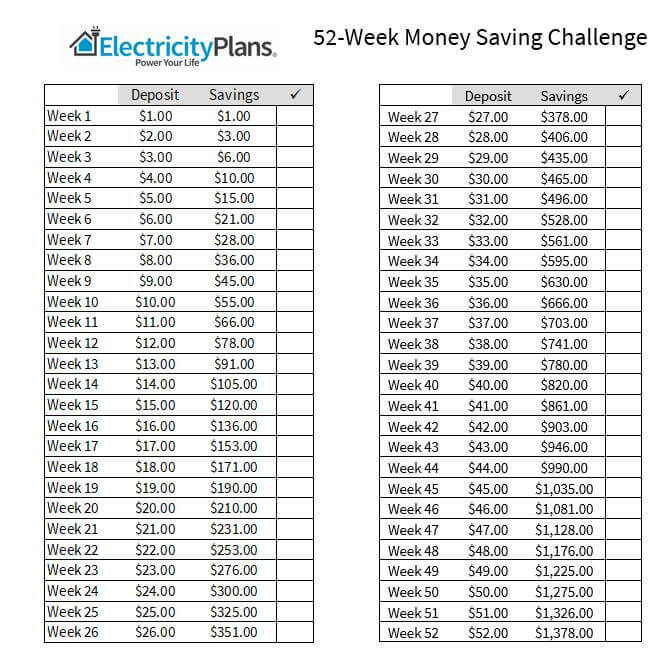
The Long-Term Impact of Consistent Action
The seemingly small weekly contributions, determined by a calculator and backed by diligent effort, compound into life-changing sums over years and decades. Consistent weekly saving builds not just wealth, but also financial resilience, peace of mind, and the freedom to pursue your most cherished dreams. It empowers you to take control of your financial narrative, moving from uncertainty to confident forward momentum. The “how much do I need to save a week calculator” is more than just a tool; it’s a compass guiding you towards a more secure and prosperous future.
aViewFromTheCave is a participant in the Amazon Services LLC Associates Program, an affiliate advertising program designed to provide a means for sites to earn advertising fees by advertising and linking to Amazon.com. Amazon, the Amazon logo, AmazonSupply, and the AmazonSupply logo are trademarks of Amazon.com, Inc. or its affiliates. As an Amazon Associate we earn affiliate commissions from qualifying purchases.