
Understanding your annual income is far more than just knowing the number on your latest pay stub; it’s the cornerstone of effective personal finance, strategic career planning, and long-term wealth accumulation. In an increasingly complex financial landscape, where diverse employment models and income streams are common, accurately assessing your total annual earnings has become an essential skill. This deep dive will explore the multifaceted nature of annual income, provide practical methods for its calculation, highlight its critical importance, and offer actionable strategies for optimizing and growing your earnings year after year.
Understanding Your Annual Income: Beyond the Paycheck
The concept of annual income often seems straightforward, yet its true definition can encompass several components, making a precise calculation essential for comprehensive financial health. Differentiating between various forms of income and understanding their implications is the first step towards financial mastery.
Gross vs. Net: The Fundamental Distinction
At the heart of annual income lies the critical distinction between gross and net income. Gross annual income refers to the total amount of money you earn from all sources before any deductions are made. This includes your base salary or hourly wages, bonuses, commissions, tips, and any other pre-tax earnings. It’s the figure often quoted in job offers or used for loan applications.
Conversely, net annual income, often referred to as “take-home pay,” is the amount you actually receive after all mandatory and voluntary deductions have been subtracted. These deductions typically include federal, state, and local taxes, Social Security and Medicare contributions (FICA), health insurance premiums, retirement plan contributions (e.g., 401k, 403b), and other voluntary deductions like life insurance or union dues. While gross income paints a picture of your earning potential, net income is the realistic figure you have available for spending, saving, and investing. For personal budgeting and daily financial decisions, net income is often the more relevant metric.
Deconstructing Total Compensation: More Than Just Salary
In today’s competitive job market, an employee’s total compensation package often extends well beyond their base salary. To truly understand “how much you make annually,” it’s vital to consider the monetary value of your benefits package. These non-wage benefits can significantly increase your overall financial well-being and should be factored into your total annual compensation.
Common benefits include employer contributions to health, dental, and vision insurance premiums, life insurance, disability insurance, paid time off (vacation, sick leave, holidays), retirement plan matching contributions, stock options, tuition reimbursement, wellness programs, and even perks like subsidized transportation or professional development opportunities. While not directly deposited into your bank account, these benefits represent a substantial financial investment by your employer and provide significant value, often reducing your out-of-pocket expenses or contributing to your long-term financial security. Understanding the full scope of your total compensation provides a more accurate and robust picture of your annual earnings.
Navigating Variable Income: For Freelancers and Gig Workers
For salaried employees, calculating annual income can be relatively straightforward. However, for the growing number of freelancers, independent contractors, gig workers, and small business owners, annual income is often characterized by significant variability. This makes accurate assessment both more challenging and more crucial.
Variable income earners must account for fluctuating client loads, project-based payments, irregular payment schedules, and the direct responsibility for their own taxes and benefits. Their annual income is the sum of all payments received from clients or customers over the year, minus business expenses. This often includes deductions for self-employment taxes (Social Security and Medicare), health insurance premiums, business-related software, equipment, marketing, and office space. Effectively tracking all income sources and expenditures is paramount for these individuals, not only for calculating their true annual earnings but also for managing cash flow, meeting tax obligations, and making informed business decisions.
Practical Methods for Calculating Your Annual Earnings
Regardless of your employment status, having a systematic approach to calculate your annual income is fundamental. The method you employ will largely depend on the nature of your work.
For Salaried Employees: A Straightforward Summation
Calculating annual income for salaried employees is generally the most straightforward process. If you have a fixed annual salary, that figure is your gross annual income. For example, if your salary is $60,000, that’s your gross annual income.
To calculate your net annual income, you’ll need to review your pay stubs. These documents detail your gross pay and all deductions for taxes, benefits, and retirement contributions. Multiply your net pay per pay period by the number of pay periods in a year (e.g., 26 for bi-weekly, 12 for monthly, 24 for semi-monthly). Many companies also provide an annual summary of earnings and deductions, often found on your final pay stub of the year or through your HR portal, which simplifies this calculation. Don’t forget to include any annual bonuses or commissions received throughout the year.
For Hourly Workers: Tracking Time and Overtime
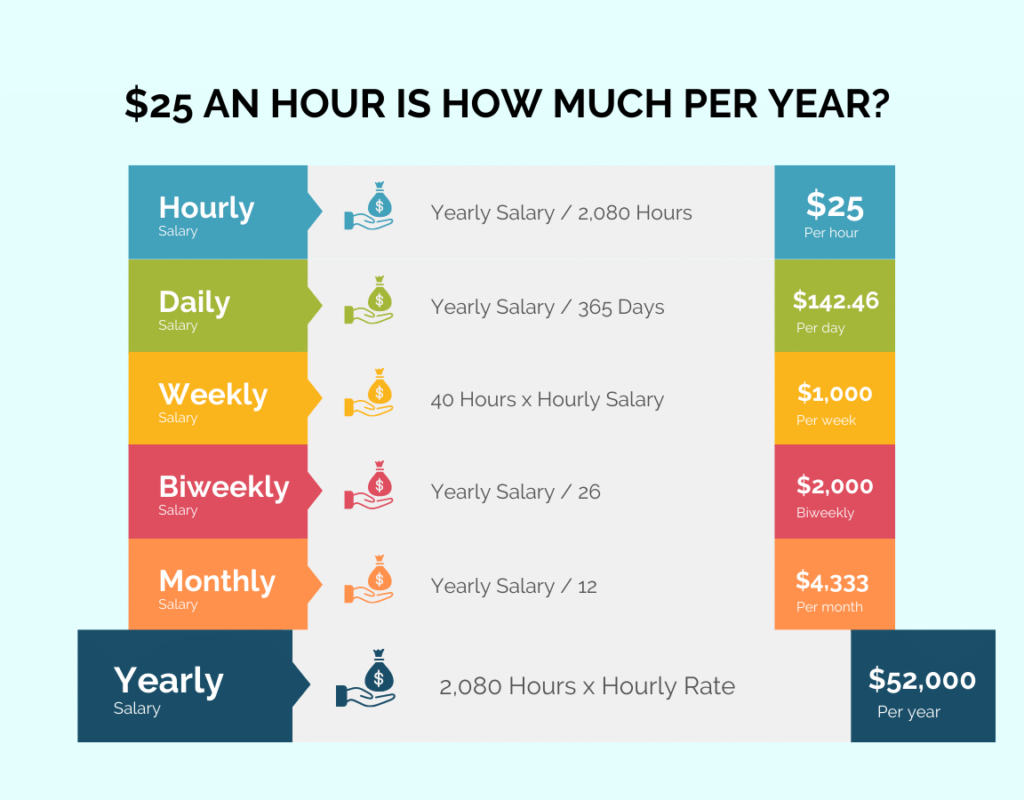
Hourly workers need to be meticulous in tracking their hours. To calculate your gross annual income, multiply your hourly wage by the total number of hours you expect to work in a year. A standard full-time work year is typically 2,080 hours (40 hours/week x 52 weeks). However, this calculation must also factor in any overtime hours, which are often paid at a higher rate (e.g., time and a half).
For instance, if you earn $20/hour and work 2080 hours, your base gross income is $41,600. If you consistently work 5 hours of overtime per week at time-and-a-half ($30/hour), that’s an additional 260 hours annually (5 hours/week x 52 weeks), generating an extra $7,800. Your total gross annual income would then be $49,400. As with salaried employees, review your pay stubs for deductions to determine your net annual income.
For Entrepreneurs and Self-Employed Individuals: Revenue Minus Expenses
For entrepreneurs, freelancers, and small business owners, calculating annual income is a two-step process:
- Calculate Total Revenue: Sum all income generated from services, sales, and projects over the year. This requires diligent record-keeping through accounting software, spreadsheets, or dedicated business banking accounts.
- Subtract Business Expenses: Deduct all legitimate business-related expenses incurred to generate that revenue. This can include office supplies, software subscriptions, marketing costs, travel expenses, professional development, and subcontractor payments.
The resulting figure is your net business income, which is then subject to self-employment taxes (covering Social Security and Medicare) and income tax. Many self-employed individuals also set aside a portion of their income for estimated quarterly tax payments to avoid a large tax bill at year-end. This category demands robust financial record-keeping to ensure accurate reporting and to maximize eligible deductions.
Consolidating Multiple Income Streams: A Comprehensive Approach
In today’s dynamic economy, many individuals supplement their primary income with various side hustles, rental properties, investment dividends, or capital gains. To calculate your total annual income, you must consolidate all these diverse streams.
This involves:
- Adding your primary gross income (salary or hourly wages).
- Adding any gross income from freelance work, consulting, or gig economy platforms.
- Including rental income (after deducting property-related expenses).
- Factoring in interest earned from savings accounts, CDs, or bonds.
- Adding dividends from stock investments.
- Including realized capital gains from the sale of assets.
Each income stream may have different tax implications, so it’s advisable to categorize them. Using a comprehensive spreadsheet or financial tracking software can be invaluable for aggregating these figures and ensuring nothing is overlooked. This holistic view is crucial for understanding your true financial capacity.
The Strategic Importance of Knowing Your Annual Income
Knowing your annual income is not merely a numerical exercise; it’s a powerful tool that informs critical financial decisions, influences your lifestyle, and empowers your future.
Empowering Your Budgeting and Financial Planning
Your annual income is the bedrock of any sound budget. It dictates how much you can realistically allocate to housing, food, transportation, debt repayment, savings, and discretionary spending. Without a clear understanding of your net annual income, creating a sustainable budget is challenging, leading to potential overspending or under-saving. Moreover, for long-term financial planning – such as saving for a down payment, retirement, or a child’s education – projecting future income is essential. Accurate annual income figures allow for realistic goal setting and the development of actionable financial strategies.
Informing Tax Strategies and Liabilities
Your annual income directly determines your tax bracket and the amount of income tax you owe. Understanding your gross income helps you estimate your tax liability, plan for deductions, and identify potential tax-saving strategies. For those with variable income, knowing their annual earnings allows for proper quarterly estimated tax payments, preventing penalties. For all earners, a clear picture of annual income is necessary when filing tax returns, ensuring accuracy and compliance with tax laws. This knowledge empowers you to make informed decisions about contributions to tax-advantaged accounts like 401(k)s or IRAs, which can reduce your taxable income.
Fueling Investment Decisions and Wealth Building
Investment capacity is directly linked to disposable income, which is a function of your annual earnings. Knowing how much you make annually allows you to determine how much you can realistically allocate to various investment vehicles, such as stocks, bonds, mutual funds, or real estate. It helps you assess your risk tolerance and set investment goals. Furthermore, lenders often evaluate your annual income when you apply for loans, such as mortgages or personal loans, to determine your repayment capacity. A higher and more stable annual income can open doors to more favorable interest rates and larger loan amounts, accelerating your ability to acquire assets and build wealth.
Strengthening Your Negotiation Position and Career Growth
Your annual income is a key metric in your professional life. When seeking new employment or negotiating a raise, knowing the market rate for someone with your skills, experience, and current annual earnings strengthens your position. It provides a benchmark for what you are worth and what you should demand. Regularly assessing your income helps you identify if you are being underpaid relative to your contributions or industry standards. This knowledge is crucial for career advancement, allowing you to make strategic moves to roles or companies that offer better compensation packages. It fosters a proactive approach to managing your career trajectory and maximizing your earning potential over time.
Strategies to Optimize and Grow Your Annual Income
Simply knowing your annual income is a foundational step; the ultimate goal for many is to increase it. There are numerous proactive strategies you can employ to boost your earnings year over year.
Enhancing Skills and Professional Development
In a rapidly evolving job market, continuous learning is not just beneficial, but often essential for career progression and higher earning potential. Investing in your skills through certifications, advanced degrees, workshops, or specialized training can significantly increase your value to employers. Focus on acquiring in-demand skills, especially those related to technology, data analysis, project management, or leadership, which often command higher salaries. Demonstrating a commitment to professional development signals ambition and capability, making you a more attractive candidate for promotions or higher-paying roles.
Mastering the Art of Salary and Rate Negotiation
Many individuals leave money on the table by failing to negotiate their salaries or rates effectively. Whether starting a new job, seeking a raise in your current role, or setting prices for your freelance services, negotiation is a critical skill. Research industry benchmarks, articulate your value clearly, and confidently present a well-reasoned case for higher compensation. Understand that your worth is not just about your base salary but also includes benefits, bonuses, and growth opportunities. Practice negotiation techniques, be prepared to walk away if an offer doesn’t meet your minimum requirements, and always aim for a win-win outcome.
Exploring Diverse Income Streams and Side Hustles
Diversifying your income sources is an excellent way to boost your annual earnings and build financial resilience. Consider leveraging your existing skills or developing new ones through side hustles. This could involve freelance writing, graphic design, web development, consulting, online tutoring, delivering goods, or even monetizing a hobby. Many digital platforms have made it easier than ever to connect with clients or customers for part-time work. Beyond active side hustles, explore passive income streams such as investing in dividend stocks, rental properties, or creating digital products that can generate revenue with minimal ongoing effort. Each additional stream contributes to a higher overall annual income and reduces reliance on a single source.

Strategic Investments for Passive Income Growth
While not direct annual income from work, income generated from investments significantly contributes to your overall financial strength and can become a substantial component of your total annual financial intake. Regularly investing in a diversified portfolio of assets – such as stocks, bonds, mutual funds, or real estate – can generate passive income through dividends, interest, or rental yields. Reinvesting these earnings further compounds your wealth. Starting early, being consistent with contributions, and making informed investment choices can lead to a significant boost in your annual financial resources over time, eventually creating a stream of income that supports your lifestyle without requiring active work.
In conclusion, understanding “how much do I make annually” is a journey that begins with accurate calculation and extends to strategic planning and proactive growth. By diligently tracking your earnings, appreciating the full scope of your compensation, and actively pursuing opportunities to enhance your income, you lay a solid foundation for financial stability, wealth accumulation, and a secure future.
aViewFromTheCave is a participant in the Amazon Services LLC Associates Program, an affiliate advertising program designed to provide a means for sites to earn advertising fees by advertising and linking to Amazon.com. Amazon, the Amazon logo, AmazonSupply, and the AmazonSupply logo are trademarks of Amazon.com, Inc. or its affiliates. As an Amazon Associate we earn affiliate commissions from qualifying purchases.