
Cruising has long captivated the imaginations of travelers, offering a unique blend of adventure, relaxation, and the thrill of exploring multiple destinations without the hassle of constant packing and unpacking. From the shimmering waters of the Caribbean to the majestic fjords of Alaska, the allure of a floating resort is undeniable. Yet, for many prospective cruisers, the primary question that often arises is: “How much do cruises cost on average?” This seemingly simple query, however, belies a complex financial landscape, where the final price tag can fluctuate dramatically based on a myriad of factors. Understanding these financial nuances is crucial for budgeting effectively and ensuring your dream voyage doesn’t turn into a financial headache.
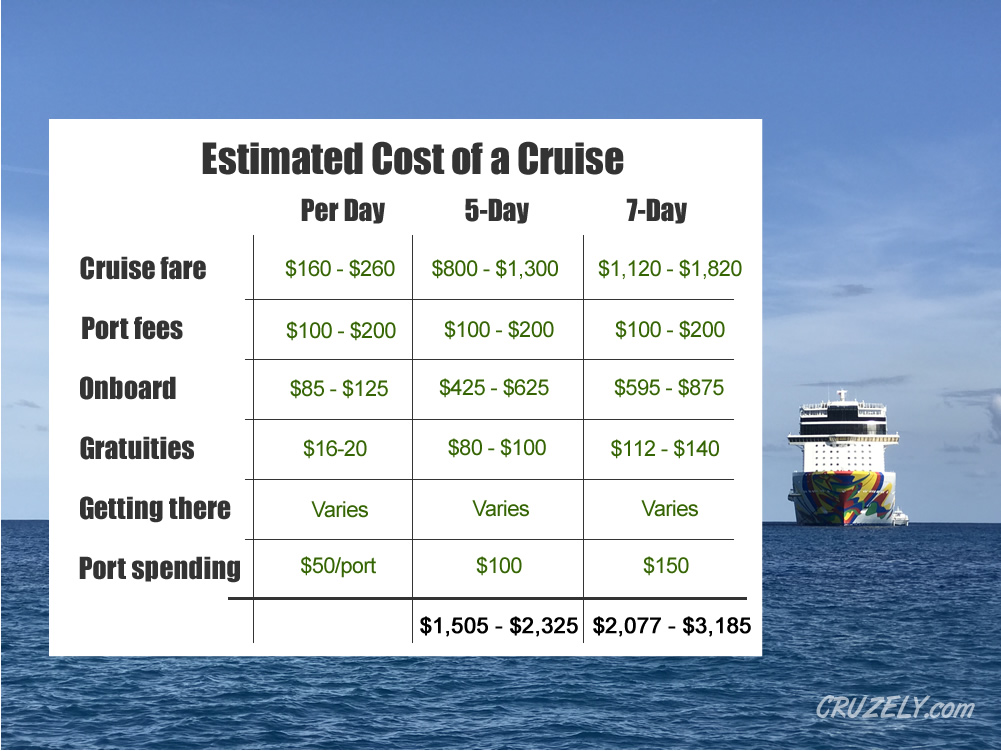
This article delves deep into the economic anatomy of a cruise vacation, providing a comprehensive guide to what you can expect to pay, where your money goes, and how to navigate the waters of cruise budgeting. We’ll explore the baseline fares, the often-overlooked additional expenses, the cost variations across different cruise types and destinations, and most importantly, practical strategies to save money without compromising on the quality of your experience.
The Baseline: Understanding Average Cruise Fares
The foundation of any cruise budget is the base fare, which covers the core elements of your trip. However, arriving at a single “average” figure is challenging because this cost is a moving target, influenced by several key variables. Generally, you can expect a wide range, often from as little as $50-$100 per person per night for budget-friendly options to several hundred or even thousands per person per night for luxury or expedition cruises.
Factors Influencing Base Fare
Several critical factors contribute to the variability of cruise base fares:
-
Seasonality: Traveling during peak seasons (e.g., summer in Europe, holiday periods in the Caribbean) will almost always incur higher costs. Shoulder seasons (spring and fall) often present a sweet spot, offering good weather and lower prices, while off-peak travel can yield the best deals but may come with trade-offs like cooler weather or fewer port activities.
-
Destination: Some destinations are inherently more expensive to cruise than others. A 7-day Caribbean cruise typically costs less than a 7-day Alaskan adventure, and both are generally more affordable than an expedition cruise to Antarctica or the Galápagos. The cost of fuel, port fees, and operational expenses in different regions play a significant role.
-
Cruise Line: Lines vary dramatically in their target market and corresponding price points. Budget-friendly lines (e.g., Carnival, MSC, Norwegian, Royal Caribbean) offer competitive prices for a mass-market experience. Mid-tier lines might include Celebrity or Holland America, offering a more refined experience. Luxury lines (e.g., Seabourn, Silversea, Regent Seven Seas) offer all-inclusive, high-end services at a premium price.
-
Ship Age and Size: Newer, larger ships with more amenities often command higher prices due to their advanced features and greater demand. Older ships, while still offering excellent value, may be priced more competitively.
-
Cabin Type: This is perhaps the most significant factor in personalizing your base fare.
-
Inside Cabins: The most affordable option, without windows or balconies, ideal for budget-conscious travelers who plan to spend most of their time outside the cabin.
-
Oceanview Cabins: Offer a window to the outside, providing natural light and views, a step up in price from inside cabins.
-
Balcony Cabins: Extremely popular, these provide a private outdoor space, perfect for enjoying sea breezes and scenic views. They are significantly more expensive than inside or oceanview cabins.
-
Suites: The most luxurious and spacious options, often coming with exclusive perks, butler service, and access to private areas. These can cost several times more than a standard balcony cabin.
-
-
Duration: Naturally, longer cruises cost more in total, but the per-night rate might decrease slightly for extended voyages. Short cruises (3-5 nights) can be a great budget-friendly option for a quick getaway, while standard 7-night cruises offer a good balance of value and experience.
Typical Price Ranges by Duration
To give a clearer picture, here are some generalized ranges for base fares (per person, double occupancy, excluding taxes and fees):
-
Short Cruises (3-5 Nights):
-
Budget/Mid-Tier: $200 – $600
-
Premium: $500 – $1,000+
-
-
Standard Cruises (7 Nights):
-
Budget/Mid-Tier: $500 – $1,500
-
Premium: $1,000 – $3,000+
-
Luxury: $3,000 – $8,000+
-
-
Longer Itineraries (10+ Nights):
-
Budget/Mid-Tier: $1,000 – $3,000+
-
Premium: $2,000 – $6,000+
-
Luxury/Expedition: $5,000 – $20,000+
-
What’s Included in the Base Fare?
Understanding what your base fare covers is crucial to avoid sticker shock. Generally, it includes:
-
Accommodation: Your chosen cabin for the duration of the cruise.
-
Most Meals: Access to the main dining rooms, buffet, and often some casual eateries (pizza, deli, etc.).
-
Basic Entertainment: Live shows, comedy acts, musical performances, trivia, parties, and access to pools and fitness centers.
-
Transportation between Ports: The convenience of waking up in a new destination each day.
What’s not included is often where the real additional costs begin to accumulate.
Beyond the Base Fare: Essential Additional Costs
While the base fare provides a solid starting point, it’s a critical mistake to assume it represents the total cost of your cruise. Many mandatory and optional expenses can significantly inflate your overall budget.
Port Fees, Taxes, and Gratuities
These are almost universally not included in the advertised base fare and can add a substantial amount to your bill:
-
Port Fees and Taxes: These government-imposed charges and fees collected by ports of call are mandatory for every passenger. They can range from $100 to $400+ per person, depending on the itinerary and the number of ports visited. Always factor these in when comparing cruise prices.
-
Gratuities (Service Charges): Most cruise lines automatically add a daily gratuity charge (e.g., $15-$20 per person per day) to your onboard account. These are distributed among the crew members (stateroom attendants, dining staff, etc.) who provide excellent service. While you usually have the option to adjust or remove them, it’s generally considered standard practice to pay them. For a 7-night cruise, this can add $100-$140 per person.
Travel to and From the Port
The cost of getting to your embarkation port and returning home post-cruise is often overlooked but can be a major expense:
-
Flights: If your cruise departs from a distant port, flights will likely be your largest pre-cruise expense. Airfares vary widely based on origin, destination, time of year, and how far in advance you book.
-
Transfers: Getting from the airport to the cruise terminal and back can incur costs for taxis, ride-shares, shuttle services, or pre-arranged transfers from the cruise line.
-
Pre/Post-Cruise Hotels: Many travelers opt to arrive a day or two before their cruise, especially if flying, to mitigate travel delays and enjoy the embarkation city. Similarly, some stay an extra night post-cruise. These hotel stays add to the overall cost.
-
Parking: If you drive to the port, expect to pay for long-term parking, which can be expensive for a week-long cruise.
Onboard Expenses That Add Up
This category represents the most variable part of your cruise budget, as these are largely discretionary:
-
Drinks Packages: Standard beverages like water, basic coffee, and iced tea are usually free. However, soda, specialty coffees, alcoholic beverages, and fresh juices are not. Drinks packages can range from $60-$100+ per person per day and can be a significant upfront cost, but may offer savings if you consume many premium drinks.
-
Specialty Dining: While main dining rooms are included, most ships offer premium, reservation-only specialty restaurants (steakhouses, Italian, Asian fusion, etc.) that charge an additional fee per person (e.g., $30-$75) or a la carte pricing.
-
Wi-Fi/Internet: Internet access on a cruise ship is typically slow and expensive. Packages can cost $15-$30+ per day, or significantly more for premium, high-speed access.
-
Spa Services: Massages, facials, and other treatments in the ship’s spa are an indulgent but costly add-on.
-
Shore Excursions: These organized tours in port can range from $50 for a simple city tour to several hundred dollars for more elaborate adventures (e.g., helicopter tours, scuba diving). While convenient, they are often more expensive than independent exploration.
-
Shopping: Onboard boutiques, duty-free shops, and souvenirs can tempt passengers to spend.
-
Casino and Bingo: Gambling expenses can add up quickly.
-
Photos: Professional photos taken by the ship’s photographers are available for purchase.
-
Childcare Services: While some basic kids’ clubs are free, specific programs, late-night childcare, or private babysitting services often incur extra charges.
Dissecting Cruise Costs by Type and Destination
The “average” cost of a cruise is heavily skewed by the type of cruise and its destination, which dictate everything from the cruise line chosen to the complexity of the logistics.
Budget-Friendly Options
-
Caribbean and Mexico: Often the most affordable regions, especially for shorter cruises or those departing from Florida or Texas. High competition among lines keeps prices relatively low.
-
Shorter Cruises (3-5 nights): These “taster” cruises are excellent for first-timers or those on a tighter budget.
-
Older Ships: Cruises on slightly older ships that have been well-maintained or recently refurbished can offer great value compared to brand-new vessels.
-
Inside Cabins: As discussed, choosing an inside cabin is the quickest way to reduce your base fare.
Mid-Range Experiences
-
Mediterranean and Alaska: These popular destinations offer breathtaking scenery and rich culture, but typically command higher prices than the Caribbean due to longer itineraries, greater demand, and higher operational costs.
-
Popular European River Cruises: While seemingly smaller, river cruises are often more expensive per day than ocean cruises due to the intimate ships, specialized itineraries, and often more inclusive packages.
-
Premium Cruise Lines: Lines like Celebrity Cruises or Holland America Line offer an upgraded experience with more refined dining and service, sitting comfortably in the mid-range.
Luxury and Expedition Cruises
-
Antarctic, Galápagos, Arctic: These remote, environmentally sensitive destinations require specialized, smaller ships (expedition cruises) with expert guides, Zodiac excursions, and often ice-strengthened hulls. Costs can be astronomical, easily reaching $10,000 to $20,000+ per person for a 10-14 day voyage.
-
Ultra-Luxury Lines: Regent Seven Seas, Seabourn, Silversea, and Crystal Cruises offer an unparalleled level of service, gourmet dining, and often include almost everything (airfare, shore excursions, premium drinks, gratuities, Wi-Fi) in their base fare. While the sticker price is high (e.g., $600-$1,500+ per person per day), the “all-inclusive” nature means fewer unexpected expenses.
Strategies for Budgeting and Saving on Your Cruise
Navigating the financial complexities of cruising doesn’t have to be daunting. With smart planning and strategic choices, you can significantly reduce your overall outlay.
Timing Your Booking
-
Early Bird Deals: Booking 6-18 months in advance often secures the best cabin selection, itinerary, and sometimes early booking discounts or added perks (onboard credit, free specialty dining).
-
Last-Minute Deals: For flexible travelers, booking within 90 days of departure can sometimes yield steep discounts, especially if a cruise isn’t selling out. However, cabin choices may be limited, and airfare might be more expensive.
-
Shoulder Seasons: As mentioned, cruising during the fringes of peak season often provides a balance of good weather and lower prices.
Choosing the Right Cabin
Your cabin choice is the single most impactful decision on your base fare. Be honest about how much time you’ll spend in your cabin versus exploring the ship and ports. An inside cabin can save hundreds or thousands compared to a balcony or suite.
Smart Spending Onboard
-
Limit Extras: Prioritize which add-ons are truly important to you. Do you really need a drinks package, or can you just pay for individual drinks when desired?
-
Bring Essentials: Pack your own sunscreen, toiletries, basic medications, and a reusable water bottle to avoid expensive purchases in onboard shops.
-
DIY Shore Excursions: For many ports, it’s feasible and much cheaper to explore independently via local taxis, public transport, or walking, rather than booking cruise line excursions. Research ports in advance.
-
Utilize Onboard Credit: Many promotions include onboard credit, which can be used to offset costs for drinks, specialty dining, or even spa treatments.
Leveraging Packages and Promotions
-
“Free At Sea” / “Sail Away” Deals: Many cruise lines frequently offer promotions that bundle perks like free drinks packages, Wi-Fi, specialty dining, or shore excursion credits. Evaluate if these bundles genuinely save you money compared to paying for items individually.
-
Loyalty Programs: If you cruise frequently with the same line, their loyalty programs offer benefits like discounts, free amenities, and even priority boarding, which can add up to significant savings over time.
-
Travel Agents: A good cruise travel agent can often find deals, negotiate perks, and provide insights that you might miss when booking directly. Their services are usually free to you as they are paid by the cruise lines.
Travel Insurance Considerations
While an additional upfront cost, travel insurance is a critical financial tool for any cruise, protecting your investment against unforeseen circumstances. Policies can cover trip cancellation, medical emergencies, lost luggage, and more. Given the significant financial outlay of a cruise, skimping on insurance can be a costly mistake if something goes wrong.
The True Value Proposition: Is a Cruise Worth the Investment?
When all costs are tallied – the base fare, taxes, gratuities, flights, transfers, and onboard spending – a 7-night cruise can easily cost anywhere from $1,500 to $5,000+ per person, depending on the choices made. This leads to the ultimate question: is it worth it?
The answer often lies in comparing the perceived value of a cruise against other vacation types. Cruises offer unparalleled convenience, allowing travelers to visit multiple destinations, enjoy diverse entertainment, and have most meals prepared, all while only unpacking once. When you itemize the cost of accommodation, transportation between cities, dining, and entertainment for a comparable land-based multi-city trip, a cruise often emerges as a highly competitive and often more affordable option.
The value proposition of a cruise extends beyond mere monetary cost; it encompasses the unique experiences gained, the ease of travel, and the opportunity for both relaxation and adventure. For many, the investment in a cruise delivers a return in memories and experiences that far outweigh the financial outlay.
In conclusion, there’s no single “average” cost for a cruise, but rather a spectrum of prices catering to every budget and preference. By understanding the components of cruise pricing – from the base fare to the myriad of additional expenses – and by strategically leveraging booking windows, cabin choices, and onboard spending, travelers can confidently plan a voyage that aligns with both their dream vacation aspirations and their financial realities. Careful budgeting and informed decision-making are the keys to unlocking a truly unforgettable and financially comfortable cruise experience.
aViewFromTheCave is a participant in the Amazon Services LLC Associates Program, an affiliate advertising program designed to provide a means for sites to earn advertising fees by advertising and linking to Amazon.com. Amazon, the Amazon logo, AmazonSupply, and the AmazonSupply logo are trademarks of Amazon.com, Inc. or its affiliates. As an Amazon Associate we earn affiliate commissions from qualifying purchases.