
Understanding the compensation structure for bank managers goes beyond a simple number; it delves into the intricate web of responsibilities, experience, location, and the specific financial institution they serve. A bank manager’s role is pivotal, overseeing operations, driving sales, managing staff, and ensuring regulatory compliance – all while fostering strong customer relationships. This multi-faceted position demands a unique blend of financial acumen, leadership skills, and an unwavering commitment to both the bank’s objectives and its clientele. For those considering a career in financial management or simply curious about the earning potential in this field, exploring the various factors that influence a bank manager’s salary provides a comprehensive picture of this demanding yet rewarding profession.
The Core Compensation: Average Salaries and Ranges
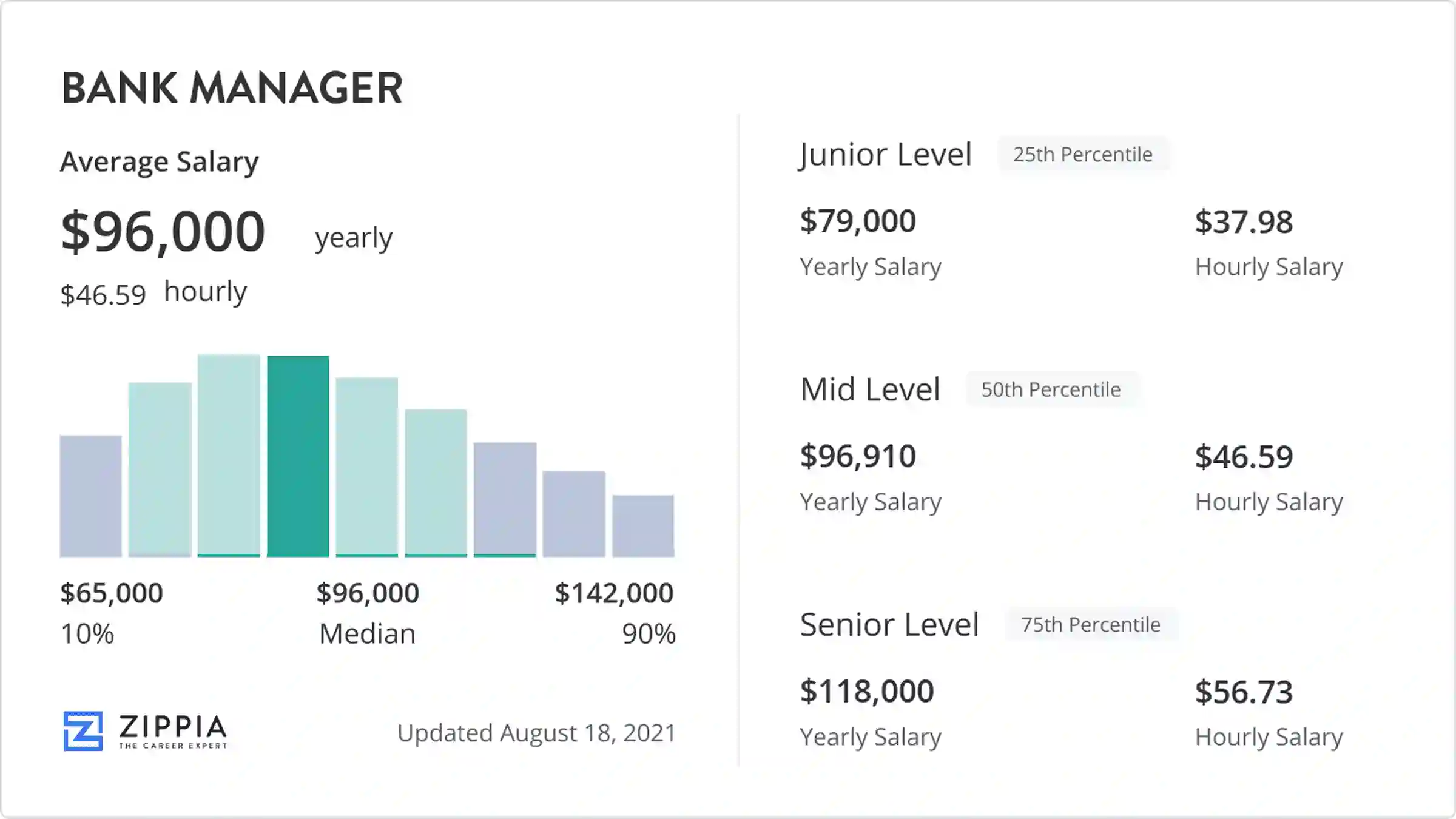
The compensation for a bank manager is not static; it fluctuates significantly based on a myriad of factors. However, understanding the average salary range provides a crucial baseline for what one might expect in this role. These figures often include base salary, potential bonuses, and other forms of remuneration, painting a full picture of the earning potential.
National Averages and Regional Disparities
Across the United States, the average base salary for a bank manager can range broadly, typically falling between $60,000 and $120,000 annually, with significant variance. Entry-level managers might start at the lower end of this spectrum, while highly experienced managers at large institutions in major metropolitan areas can command salaries well above this average. For instance, a bank manager in New York City or San Francisco will likely earn considerably more than their counterpart in a rural town in the Midwest, largely due to the higher cost of living and increased competition for talent in these financial hubs. Major cities often see average salaries pushing into the $90,000 – $150,000 range or even higher for senior roles, while smaller markets might average $50,000 – $80,000. These regional disparities highlight the importance of geographical context when evaluating compensation.
Entry-Level vs. Senior Management Salaries
The career progression within bank management is directly correlated with salary growth. An entry-level branch manager, often overseeing a smaller branch or a specific department, might earn in the range of $50,000 to $70,000. As they gain experience, demonstrate strong performance, and take on more significant responsibilities, their earning potential increases substantially. A senior branch manager or an area manager overseeing multiple branches, with 5-10 years of experience, could see their base salary climb to $80,000 to $120,000. Beyond this, regional managers or those in more specialized roles within corporate banking can command salaries well over $150,000, sometimes exceeding $200,000 when bonuses and other incentives are included. The trajectory is clear: with proven leadership, a strong track record, and expanded scope, the financial rewards grow significantly.
Salary Variations by Bank Type (e.g., Retail, Commercial, Investment)
The type of financial institution also plays a crucial role in determining a bank manager’s compensation. Retail bank managers, who are at the forefront of customer interaction in local branches, typically fall within the average salary range mentioned earlier. Their focus is on consumer banking services, deposits, loans, and general branch operations.
Commercial bank managers, who deal with business clients, larger loans, and more complex financial products, generally command higher salaries. Their roles require a deeper understanding of business finance, risk assessment, and relationship management, often placing their average earnings in the $80,000 to $150,000 bracket, depending on the size of the businesses they manage and the institution.
While less common for a ‘bank manager’ title in the traditional sense, professionals in investment banking who manage client portfolios or specific financial products operate in an entirely different compensation tier. These roles, often referred to as wealth managers, portfolio managers, or relationship managers within an investment bank, can see their compensation climb significantly higher, often into the six figures and well beyond, primarily driven by performance-based bonuses and the value of assets under management. These roles require specialized expertise and often involve managing high-net-worth individuals or institutional clients.
Key Factors Influencing Bank Manager Salaries
Understanding the average figures is just the beginning. A deeper dive reveals that several critical factors converge to determine an individual bank manager’s specific salary. These elements provide leverage for negotiation and outline a clear path for career and compensation growth.
Experience and Tenure: Climbing the Ladder
Experience is arguably the most significant determinant of a bank manager’s salary. New managers, even with strong educational backgrounds, start at a foundational level, learning the intricacies of branch operations and leadership. With each passing year, as they accumulate a track record of meeting targets, developing staff, and successfully navigating challenges, their value to the institution increases. A manager with five to ten years of experience, particularly if they have successfully managed different branch types or sizes, will typically earn substantially more than someone with only a few years under their belt. Longevity within the same institution can also be rewarded, often through incremental raises and a deeper understanding of the bank’s specific culture and clientele.
Geographic Location: The Cost of Living and Market Demand
As touched upon earlier, location is a powerful salary differentiator. Major financial centers and large metropolitan areas like New York, Los Angeles, Chicago, Houston, and Boston consistently offer higher salaries for bank managers. This is due to a combination of factors: a higher cost of living necessitates better pay, increased competition for skilled professionals drives up wages, and these areas often host larger, more complex branches or regional offices. Conversely, smaller towns and rural areas, while offering a potentially lower cost of living, also tend to have lower average salaries for bank managers. The local economic landscape, the presence of multiple financial institutions, and regional wealth levels all contribute to these geographic salary variations.
Size and Type of Financial Institution
The size and type of the financial institution itself are critical. Large national or international banks (e.g., JPMorgan Chase, Bank of America, Wells Fargo) generally offer higher salaries and more comprehensive benefits packages compared to smaller regional banks or credit unions. These larger institutions often have more structured career paths, greater resources, and a wider range of financial products, which translates into more complex roles and, consequently, higher compensation. Smaller banks and credit unions, while offering a potentially more close-knit environment, might have more modest salary structures, though they can sometimes offer better work-life balance or a more direct impact on community finance.
Performance-Based Incentives and Bonuses
A significant portion of a bank manager’s total compensation often comes from performance-based incentives and annual bonuses. These are typically tied to a variety of metrics, including:
- Branch profitability: Meeting or exceeding revenue targets, managing expenses effectively.
- Sales goals: Achieving targets for new accounts opened, loans originated, investment products sold, or cross-selling existing customers.
- Customer satisfaction: High ratings in service quality and customer retention.
- Compliance and audit performance: Maintaining excellent regulatory standing and operational efficiency.
- Team development: Success in hiring, training, and retaining skilled staff.
These bonuses can significantly augment a manager’s base salary, sometimes adding 10% to 30% or even more to their annual earnings, especially for high performers or those in commercial and investment banking roles where performance can directly impact the bank’s bottom line.
Beyond the Salary: Total Compensation and Benefits
While the base salary is a critical component, a bank manager’s total compensation package extends far beyond the monthly paycheck. A comprehensive benefits offering can add substantial value, often making a role more attractive and financially stable.
Comprehensive Benefits Packages
Most reputable financial institutions offer robust benefits packages designed to attract and retain top talent. These typically include:
- Health Insurance: Medical, dental, and vision coverage for the employee and their family.
- Life and Disability Insurance: Financial protection in case of unforeseen circumstances.
- Paid Time Off (PTO): Vacation days, sick leave, and holidays.
- Retirement Plans: 401(k) or similar plans, often with employer matching contributions, which significantly boosts long-term financial security.
- Employee Assistance Programs (EAPs): Support for personal and work-related issues.
- Tuition Reimbursement: Financial assistance for continuing education or professional development, encouraging managers to enhance their skills and qualifications.
These benefits can easily add tens of thousands of dollars in value annually, contributing significantly to a bank manager’s overall financial well-being and security.
Performance Bonuses and Commissions
As mentioned, performance-based compensation is a cornerstone of a bank manager’s total pay. This can take various forms:
- Annual Bonuses: A lump sum payment based on individual, branch, and sometimes company-wide performance metrics, usually paid out at the end of the fiscal year.
- Sales Incentives/Commissions: For roles heavily involved in generating new business or specific product sales, a portion of compensation might be directly tied to the volume or value of sales generated. This is more common in roles like private banking or wealth management but can also apply to retail branch managers with aggressive sales targets.
- Profit Sharing: In some cases, managers might participate in profit-sharing schemes, where a portion of the bank’s overall profits is distributed among employees.
These variable components emphasize the results-oriented nature of the role and reward managers for their direct contribution to the bank’s success.
Long-Term Incentives and Retirement Plans
For senior bank managers, total compensation might also include long-term incentives (LTIs) designed to align their interests with the long-term success of the institution. These can include:
- Stock Options or Restricted Stock Units (RSUs): Allowing managers to purchase company stock at a predetermined price or granting them shares that vest over several years. This incentivizes long-term commitment and performance.
- Pension Plans: While less common than in previous decades, some larger, more established banks still offer defined-benefit pension plans, particularly for long-tenured employees.
- Executive Deferred Compensation Plans: Allowing highly compensated managers to defer a portion of their income to a later date, often for tax advantages or retirement planning.
These long-term incentives underscore the strategic importance of experienced bank managers and their role in the bank’s sustained growth and shareholder value.
The Role and Responsibilities: What Justifies the Pay?
The compensation a bank manager receives is a direct reflection of the extensive responsibilities they shoulder. Their role is far from purely administrative; it’s a dynamic blend of leadership, financial expertise, customer service, and strategic execution.
Day-to-Day Operations and Team Leadership
At the heart of a bank manager’s job is the efficient and compliant operation of their branch or department. This includes:
- Staff Management: Hiring, training, mentoring, and evaluating tellers, customer service representatives, and loan officers. Ensuring adequate staffing levels and fostering a positive, productive work environment.
- Operational Oversight: Managing cash flow, ensuring security protocols are followed, resolving operational issues, and maintaining the physical branch.
- Compliance: Adhering to all banking regulations, internal policies, and legal requirements, which is a critical and complex aspect given the highly regulated nature of the financial industry.
Effective leadership in these areas ensures smooth operations and mitigates risks, directly impacting the bank’s reputation and profitability.
Customer Relations and Business Development
Bank managers are often the public face of their institution within the community. Their role includes:
- Customer Service Excellence: Ensuring high levels of customer satisfaction, addressing complaints, and building lasting relationships with clients.
- Business Development: Actively seeking out and attracting new customers, both individuals and businesses. This often involves networking, community engagement, and promoting the bank’s products and services.
- Sales Performance: Driving the sales of various banking products, from checking accounts and credit cards to mortgages, personal loans, and investment vehicles. Meeting sales targets is a key performance indicator.
Their ability to cultivate relationships and drive business directly contributes to the bank’s growth and market share.
Risk Management and Compliance
Given the financial nature of banking, risk management is paramount. Bank managers are responsible for:
- Fraud Prevention: Implementing and monitoring procedures to prevent fraud and ensure transactional security.
- Regulatory Adherence: Ensuring that all branch activities comply with federal and state banking laws, such as the Bank Secrecy Act (BSA) or consumer protection regulations.
- Credit Risk Assessment: Overseeing the loan application process, ensuring that credit decisions align with the bank’s risk appetite and lending policies.
A lapse in risk management or compliance can lead to severe financial penalties and reputational damage, making this a critical area of their responsibility.
Strategic Planning and Financial Performance
Beyond daily operations, bank managers contribute to the strategic direction and financial health of their branch and the broader institution. This involves:
- Budget Management: Developing and adhering to branch budgets, managing expenses, and optimizing resource allocation.
- Performance Analysis: Regularly reviewing financial reports, sales figures, and operational metrics to identify areas for improvement and growth.
- Market Analysis: Understanding local market trends, competitive landscapes, and customer needs to tailor offerings and strategies.
- Goal Setting: Collaborating with regional management to set realistic yet ambitious goals for the branch and its employees.
Their strategic input and ability to drive financial performance are directly tied to the bank’s overall success, thus justifying their significant compensation.
Career Path and Educational Prerequisites
Aspiring bank managers need a clear understanding of the educational foundation and career trajectory typically required to reach this influential position and maximize earning potential.
Essential Education and Certifications
A strong educational background is foundational for a career in bank management.
- Bachelor’s Degree: A bachelor’s degree in finance, business administration, economics, or a related field is almost always a minimum requirement. This provides the essential knowledge in financial principles, accounting, marketing, and management theory.
- Master’s Degree (MBA): While not always mandatory, an MBA (Master of Business Administration) can significantly enhance a candidate’s prospects, particularly for roles in larger institutions or for faster career progression. An MBA often provides advanced skills in strategic management, financial analysis, and leadership.
- Professional Certifications: Depending on the specific focus of the role, certifications can be beneficial. For instance, a Certified Financial Planner (CFP) designation might be valuable for managers overseeing wealth management services, while specific compliance certifications could be relevant for roles with heavy regulatory oversight.
Continuous learning is also critical, with many banks offering internal training programs and encouraging employees to pursue further education.
Skills and Qualities for Success
Beyond formal education, a bank manager needs a robust set of soft and hard skills:
- Leadership and Management: The ability to inspire, motivate, and manage a team effectively is paramount. This includes delegation, performance feedback, and conflict resolution.
- Financial Acumen: A deep understanding of financial products, services, market dynamics, and risk assessment.
- Communication Skills: Excellent verbal and written communication is essential for interacting with customers, staff, and senior management.
- Customer Service Orientation: A genuine commitment to understanding and meeting customer needs.
- Sales and Business Development: The drive and ability to meet and exceed sales targets and grow the branch’s client base.
- Problem-Solving and Decision-Making: The capacity to analyze complex situations and make sound judgments under pressure.
- Integrity and Ethics: Upholding the highest standards of honesty and ethical conduct, crucial for maintaining trust in the financial sector.
These skills are honed over time through experience and continuous professional development.

Career Progression: From Teller to Regional Manager
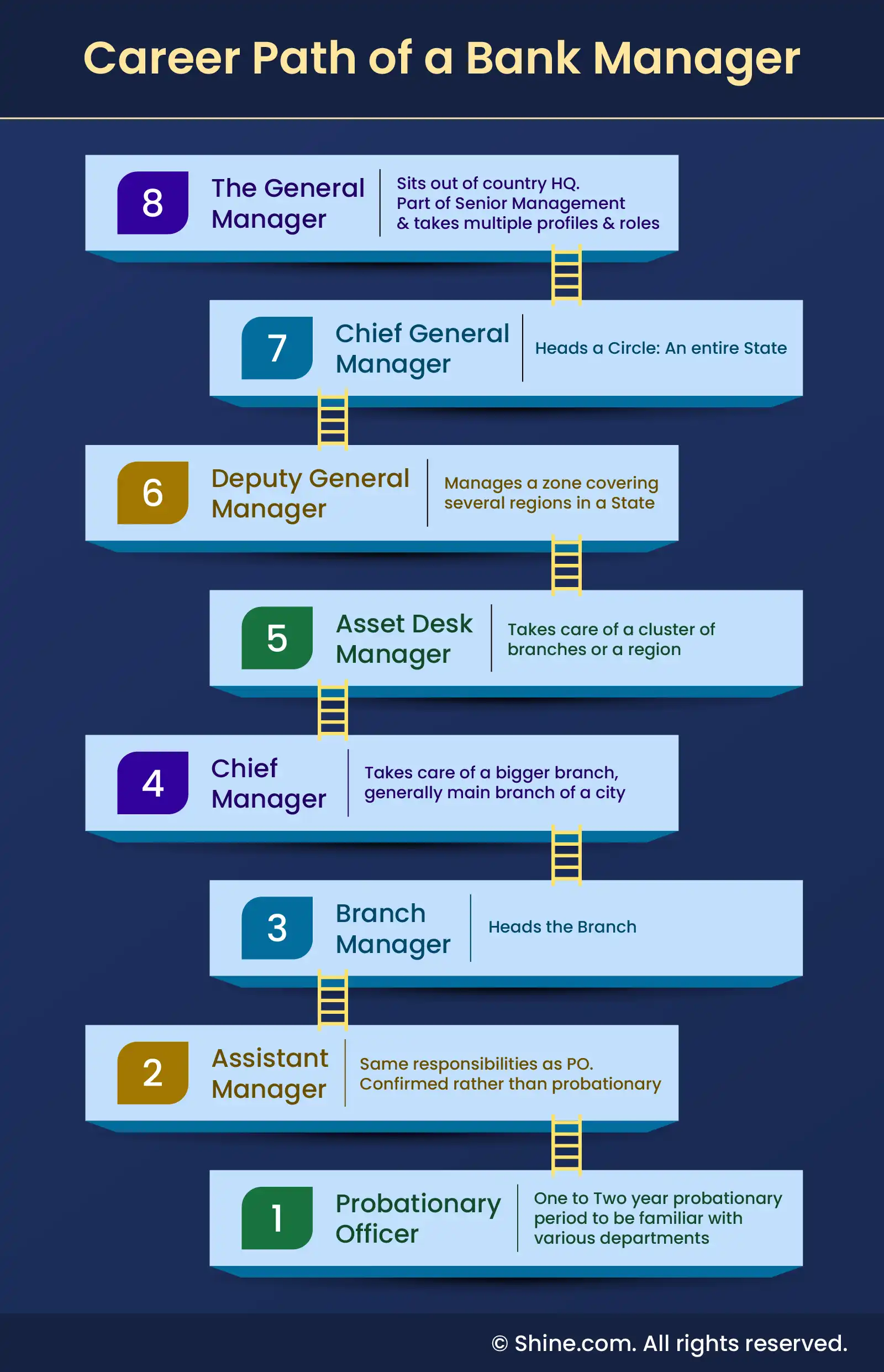
The path to becoming a bank manager often starts from entry-level positions within a financial institution. Many managers begin their careers as tellers, customer service representatives, or loan officers, gaining hands-on experience and understanding the intricacies of banking operations from the ground up.
A typical career progression might look like this:
- Entry-Level (Teller, Customer Service Rep): Gaining basic banking knowledge and customer interaction skills.
- Specialist Roles (Loan Officer, Personal Banker): Developing expertise in specific financial products and sales.
- Assistant Branch Manager: Learning supervisory skills and gaining exposure to branch operations and management responsibilities.
- Branch Manager: Taking full responsibility for a branch’s operations, staff, and performance.
- Senior Branch Manager / Area Manager: Overseeing larger branches or multiple branches within a specific geographical area, often with higher compensation.
- Regional Manager / District Manager: Managing a significant number of branches across a broader region, responsible for strategic planning and overall performance of their assigned territory, representing the pinnacle of branch management roles with the highest earning potential in this track.
This structured career path, combined with continuous skill development and strong performance, allows individuals to steadily increase their responsibilities, influence, and ultimately, their compensation in the banking sector. The role of a bank manager is dynamic, challenging, and offers substantial financial rewards for those who demonstrate leadership, expertise, and a commitment to excellence.
aViewFromTheCave is a participant in the Amazon Services LLC Associates Program, an affiliate advertising program designed to provide a means for sites to earn advertising fees by advertising and linking to Amazon.com. Amazon, the Amazon logo, AmazonSupply, and the AmazonSupply logo are trademarks of Amazon.com, Inc. or its affiliates. As an Amazon Associate we earn affiliate commissions from qualifying purchases.