
Navigating the world of car insurance can feel like deciphering a complex financial puzzle. It’s not just about meeting legal requirements; it’s about protecting your assets, your future earnings, and your peace of mind in the event of an unforeseen accident. The question “how much coverage for car insurance?” isn’t a simple one with a single answer. Instead, it’s a deeply personal financial assessment that weighs risk tolerance, asset protection, budget constraints, and legal obligations. For many, car insurance is one of the largest recurring expenses related to vehicle ownership, yet it’s also one of the most critical financial safety nets a driver can possess. Understanding the nuances of different coverage types, evaluating your personal financial situation, and making informed decisions can save you significant money and prevent catastrophic financial losses down the line. This comprehensive guide will help you unpack the layers of car insurance, empowering you to make choices that align with your financial goals and personal security needs.
Understanding the Basics of Car Insurance Coverage
Before you can decide how much coverage you need, it’s essential to grasp the fundamental types of car insurance available. Each component serves a distinct purpose, designed to protect you from different financial risks associated with driving.
What is Car Insurance and Why Do You Need It?
At its core, car insurance is a contract between you and an insurance company. You pay a premium, and in return, the insurer agrees to pay for specific financial losses resulting from accidents, theft, or other covered perils involving your vehicle. The primary reason most people carry car insurance is legal: nearly every state mandates a minimum level of liability coverage. However, beyond legal compliance, car insurance is a crucial financial tool for risk management. Without adequate coverage, a single serious accident could wipe out your savings, force you into debt, or even lead to legal judgments that garnish your wages for years. It protects your personal wealth from the potentially immense costs of property damage, medical bills, and legal fees that can arise from an auto incident.
Key Types of Coverage: Liability, Collision, Comprehensive
These three types form the bedrock of most auto insurance policies, offering distinct protections:
-
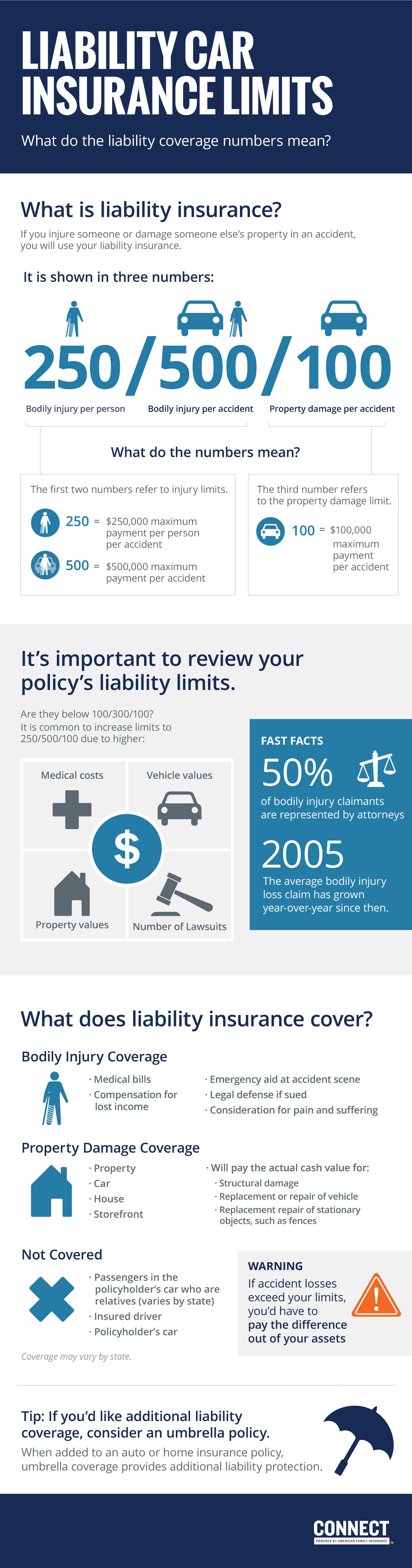
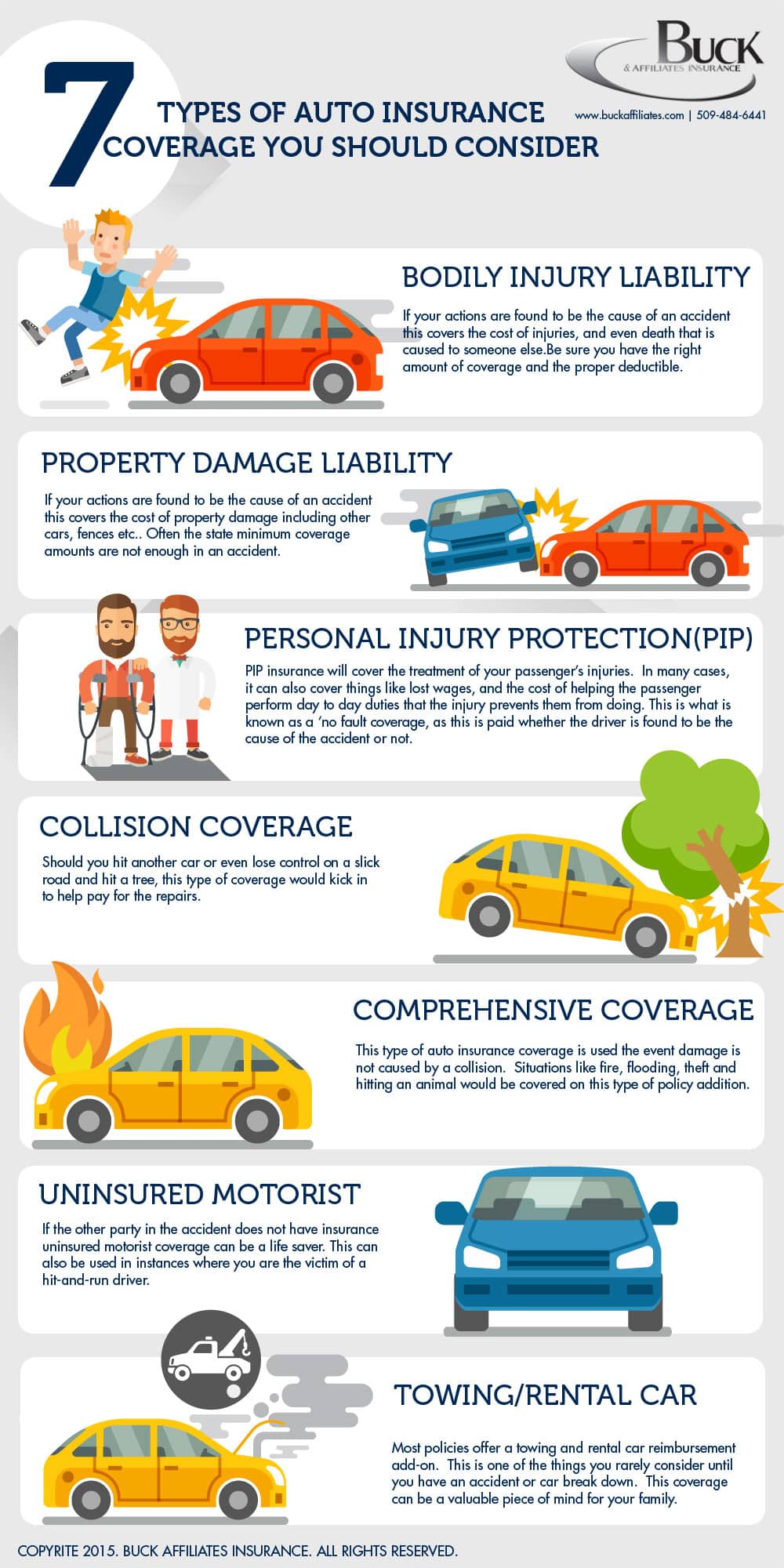
Liability Coverage: This is the most fundamental and universally required type of coverage. It protects other people and their property if you are at fault in an accident. It typically has two components:
- Bodily Injury Liability: Covers medical expenses, lost wages, and pain and suffering for anyone injured in an accident you cause.
- Property Damage Liability: Covers damage to another person’s car or property (e.g., a fence, building) resulting from an accident you cause.
State minimums are often expressed as a series of numbers, like 25/50/25. This means $25,000 for bodily injury per person, $50,000 for bodily injury per accident, and $25,000 for property damage per accident. As we will discuss, state minimums are almost never enough.
-
Collision Coverage: This pays for damage to your own car resulting from an accident, regardless of who is at fault. This includes hitting another car, a tree, a pothole, or rolling over. Collision coverage is usually optional unless your vehicle is financed or leased. It comes with a deductible, which is the amount you must pay out of pocket before your insurance coverage kicks in.
-
Comprehensive Coverage: Also known as “other than collision,” this coverage pays for damage to your own car from incidents other than collisions. This includes theft, vandalism, fire, natural disasters (hail, floods, wind), falling objects, and hitting an animal. Like collision, it often comes with a deductible and is typically required by lenders for financed or leased vehicles.
Other Important Coverage Options: UM/UIM, Medical Payments, PIP
While less universally mandated, these additional coverages provide crucial financial safeguards:
-
Uninsured/Underinsured Motorist (UM/UIM) Coverage: This is an incredibly important but often overlooked type of coverage. It protects you and your passengers if you are hit by a driver who has no insurance (uninsured) or not enough insurance (underinsured) to cover your damages. UM/UIM can cover medical bills, lost wages, and even pain and suffering. Given the high number of uninsured drivers on the road, this coverage is a wise financial investment.
-
Medical Payments (MedPay) Coverage: This pays for medical expenses for you and your passengers resulting from an accident, regardless of who is at fault. It can cover ambulance fees, hospital stays, and doctor visits up to a specified limit. It’s often supplemental to your health insurance, covering deductibles or co-pays, or acting as primary if you don’t have health insurance.
-
Personal Injury Protection (PIP): Common in “no-fault” states, PIP covers medical expenses, lost wages, and sometimes even funeral expenses for you and your passengers, regardless of who caused the accident. It’s broader than MedPay and aims to streamline accident claims by reducing the need to determine fault for medical treatment.
Factors Influencing Your Coverage Needs
Determining the “right” amount of coverage isn’t a one-size-fits-all proposition. It depends heavily on a confluence of personal financial circumstances, vehicle characteristics, and local regulations.
Your Financial Situation and Risk Tolerance
This is perhaps the most critical factor. If you have significant assets (a home, substantial savings, investments), you have more to lose in a lawsuit if you are found at fault in an accident. High liability limits are crucial to protect these assets from being seized or targeted by legal judgments. Imagine causing an accident that results in severe injuries to multiple people. Medical bills alone could easily exceed $100,000, $250,000, or even $1,000,000. If your liability limits are low, the injured parties could sue you personally for the difference, putting your entire financial future at risk.
Conversely, if your assets are minimal, your personal financial exposure might be lower, though carrying higher limits is always advisable to avoid future financial distress. Your personal risk tolerance also plays a role. Are you comfortable with the potential of having to pay out of pocket for damages, or do you prefer the peace of mind that comes with comprehensive protection?
Value of Your Vehicle
The age and value of your car directly impact the utility of collision and comprehensive coverage. If you drive an older, low-value vehicle (e.g., worth less than $3,000-$5,000), the cost of collision and comprehensive insurance might outweigh the potential payout after factoring in your deductible. In such cases, dropping these coverages and self-insuring for damage to your own vehicle might be a financially sound decision. However, for newer or high-value cars, collision and comprehensive are almost always essential to protect your investment.
Driving Habits and Location
How much you drive and where you live can also influence your needs. If you drive long distances daily, especially in congested urban areas, your risk of being involved in an accident is higher. Similarly, certain areas have higher rates of theft or vandalism, making comprehensive coverage more vital. Insurers use these factors to calculate premiums, and you should consider them when assessing your financial risk.
State Minimum Requirements vs. Optimal Coverage
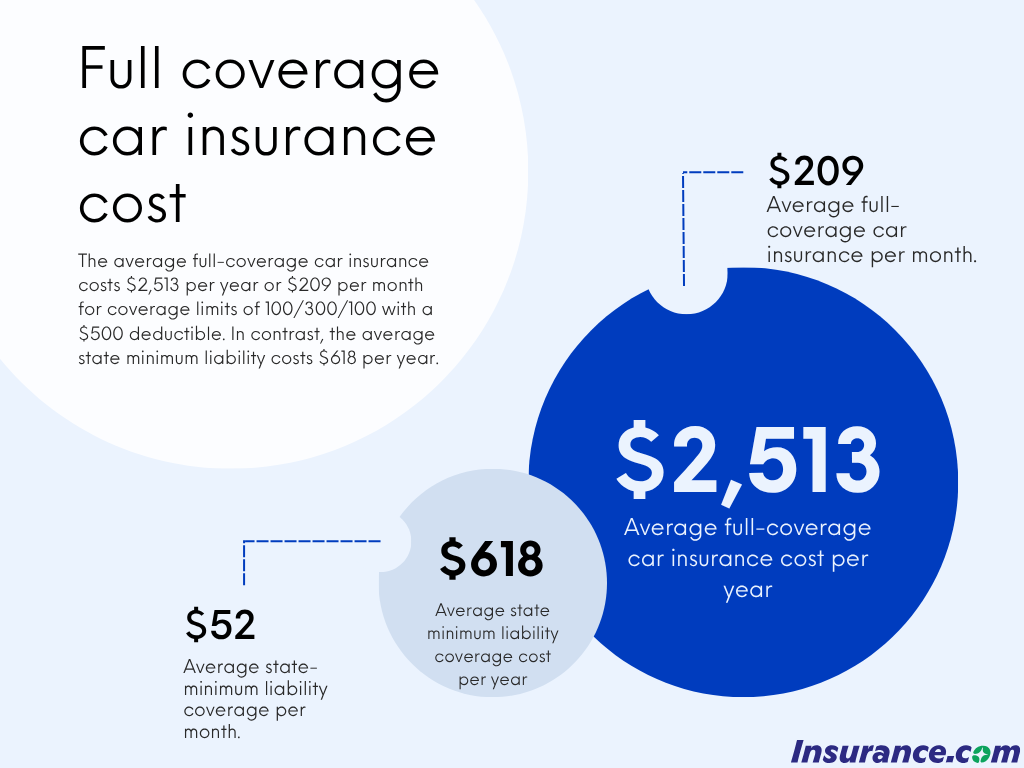
As mentioned, every state mandates minimum liability coverage. However, these minimums are notoriously low and rarely provide adequate protection. For example, a common minimum of $25,000 for bodily injury per person might barely cover an ambulance ride and initial emergency room visit for a serious injury, leaving you exposed to hundreds of thousands in further medical bills. Financial experts widely recommend significantly higher liability limits, often $100,000/$300,000 for bodily injury and $50,000-$100,000 for property damage, as a starting point, especially if you have significant assets. This higher coverage provides a more robust financial shield.
Special Circumstances: Leased or Financed Vehicles
If your car is leased or financed, the lender or leasing company will almost certainly require you to carry full coverage—meaning collision and comprehensive—along with specific liability limits. This is because they have a financial interest in your vehicle. Failing to maintain the required coverage could lead to forced-place insurance (which is usually very expensive) or even repossession of your car. Gap insurance is also a crucial consideration for financed or leased vehicles. If your car is totaled, gap insurance covers the “gap” between what you owe on the loan and the car’s actual cash value (ACV), which the standard insurance policy pays out. Since new cars depreciate rapidly, this gap can be substantial.
Determining Your Optimal Coverage Levels
Now that you understand the factors, let’s explore how to apply them to make informed financial decisions about your car insurance policy.
Assessing Your Assets and Income for Liability
The golden rule for liability coverage is to protect your net worth. Look at your total assets – your home equity, savings, investments, and even future earnings potential. A good benchmark is to carry liability limits that are at least equal to your net worth. If you have substantial assets, you might even consider an umbrella policy, which provides additional liability coverage beyond the limits of your auto and homeowners insurance policies. An umbrella policy offers broad coverage for major claims and lawsuits, protecting your assets and future earnings at a relatively low cost compared to the peace of mind it offers.
When to Consider Higher Deductibles
For collision and comprehensive coverage, a higher deductible (e.g., $1,000 instead of $500) will lower your premium. This is a strategic financial decision. If you have an emergency fund capable of covering the higher deductible without strain, choosing a higher deductible can lead to significant long-term savings on your premiums. However, if your emergency savings are limited, a lower deductible might be more appropriate to avoid financial stress after an accident. This balance between premium savings and out-of-pocket risk is a key personal finance consideration.
Evaluating the Cost-Benefit of Collision and Comprehensive
For older vehicles, you need to perform a simple calculation: compare the annual cost of collision and comprehensive coverage (including your deductible) against the current market value of your car. If the premium plus deductible approaches or exceeds a significant percentage (e.g., 10-20%) of your car’s value, it might be more financially prudent to drop these coverages and simply save that premium money. If your car is totaled, the payout will be its actual cash value, which might be very little. You essentially “self-insure” for damage to your own vehicle.
Don’t Overlook Uninsured/Underinsured Motorist Coverage
As discussed, UM/UIM is a critical financial safeguard. Many experts recommend carrying UM/UIM limits equal to your bodily injury liability limits. This ensures that even if the at-fault driver has no or insufficient insurance, your medical bills, lost wages, and pain and suffering can still be covered without you bearing the financial burden. This is one area where cutting costs can be a severe financial mistake.
Strategies for Managing Car Insurance Costs
Once you’ve determined your optimal coverage levels, there are still strategies you can employ to make your chosen coverage more affordable.
Bundling Policies and Discounts
Most insurance companies offer significant discounts for bundling multiple policies, such as auto and home insurance, with the same provider. Always ask about available discounts, which can include good driver discounts, multi-car discounts, good student discounts, anti-theft device discounts, and even discounts for paying your premium in full. Proactively seeking out and applying these discounts can substantially reduce your annual premiums.
Regular Policy Reviews and Comparison Shopping
Your insurance needs change over time. Review your policy annually, or whenever there’s a significant life event (marriage, moving, new car, new driver). Get quotes from multiple insurance providers regularly—every 1-3 years. Rates can vary wildly between companies for the exact same coverage, and competition among insurers can lead to better deals for you. Online comparison tools and independent insurance agents can simplify this process.
Improving Your Driving Record
A clean driving record is your best friend when it comes to car insurance premiums. Avoiding accidents and traffic violations will keep your rates significantly lower over time. Some insurers even offer “accident forgiveness” or “vanishing deductible” programs for long-term safe drivers, providing an additional incentive to drive responsibly.
Leveraging Telematics Programs
Many insurers now offer telematics programs, where a device is installed in your car (or an app is used on your smartphone) to monitor your driving habits (speed, braking, mileage, time of day). If you demonstrate safe driving behaviors, you can often qualify for substantial discounts on your premiums. This is a direct way to translate good driving into financial savings.
Making an Informed Decision
Ultimately, the question of “how much coverage for car insurance” is an ongoing financial deliberation. It requires you to weigh the cost of premiums against the potential financial devastation of an uncovered incident.
Consulting with an Insurance Professional
While online research provides a solid foundation, a qualified independent insurance agent can be an invaluable resource. They can assess your unique financial situation, explain complex coverage options, and shop multiple carriers to find the best policy that meets both your coverage needs and your budget. Their expertise can help you identify gaps in coverage or unnecessary expenses.
The Peace of Mind Investment
Consider car insurance not just as a mandatory expense, but as an essential investment in your financial security. Skimping on coverage might save you a few dollars in premiums now, but it could cost you hundreds of thousands, or even millions, in the event of a serious accident. The peace of mind that comes from knowing your assets are protected, and that you won’t face financial ruin due to an unexpected event, is truly invaluable. By carefully evaluating your needs and exploring all available options, you can construct a car insurance policy that provides robust protection without unnecessarily straining your finances.
aViewFromTheCave is a participant in the Amazon Services LLC Associates Program, an affiliate advertising program designed to provide a means for sites to earn advertising fees by advertising and linking to Amazon.com. Amazon, the Amazon logo, AmazonSupply, and the AmazonSupply logo are trademarks of Amazon.com, Inc. or its affiliates. As an Amazon Associate we earn affiliate commissions from qualifying purchases.