
The question of “how much could I sell my car for?” is a crucial one for any vehicle owner considering a sale, whether it’s to upgrade, downsize, or simply cash in on an asset. Determining the true market value of your car involves more than just a quick glance at online listings. It’s a nuanced process that requires understanding various market forces, vehicle-specific factors, and strategic approaches to maximize your return. This article delves into the core elements that influence your car’s selling price and provides a comprehensive framework for arriving at an accurate and profitable valuation.
Understanding the Core Determinants of Your Car’s Value
The price a buyer is willing to pay for your vehicle is not a static figure. It’s a dynamic outcome influenced by a complex interplay of external and internal factors. Recognizing and accurately assessing these determinants is the first and most critical step in arriving at a realistic and potentially higher selling price.
Mileage: The Unseen Odometer’s Impact
Mileage is arguably one of the most significant indicators of a car’s wear and tear, and consequently, its value. A car with lower mileage generally commands a higher price because it suggests less usage and a potentially longer remaining lifespan for its components. Conversely, a vehicle with exceptionally high mileage will likely depreciate faster and be valued lower.
The “Average” Mile and Its Depreciation Curve
The concept of “average mileage” varies by region and vehicle type, but a commonly accepted benchmark is around 12,000 to 15,000 miles per year for passenger cars. Exceeding this average consistently can accelerate depreciation. Conversely, a car with significantly lower mileage than its age suggests can be a strong selling point, often referred to as “under mileage” or “low mileage for its age.” This can justify a premium price. For example, a 5-year-old car with only 30,000 miles might be worth considerably more than an identical model with 75,000 miles.
The Cost of “Excess” Mileage
High mileage doesn’t automatically render a car worthless, but it does introduce a significant discount. Buyers will factor in the increased likelihood of needing repairs and maintenance sooner rather than later. This is especially true for components like the engine, transmission, and suspension. When evaluating your car, be honest about its mileage. Online valuation tools will typically ask for this information, and it’s a primary driver in their calculations. If your car’s mileage is substantially higher than average, focus on other areas where you can demonstrate value, such as meticulous maintenance records.
Condition: A Holistic Assessment of Wear and Tear
Beyond mileage, the overall condition of your car plays a paramount role in its market value. This encompasses everything from the mechanical health of the engine and drivetrain to the aesthetic appeal of the interior and exterior. A well-maintained vehicle, both mechanically and cosmetically, will always fetch a higher price than one that has been neglected.
Mechanical Health: The Engine and Drivetrain’s Vital Signs
The heart of any car is its engine and drivetrain. Any signs of mechanical issues – strange noises, rough idling, transmission slippage, or warning lights – will significantly devalue your car. Buyers, especially those with mechanical knowledge or those who will have the car inspected, will deduct the estimated cost of repairs from their offer. Regular maintenance, documented with service records, is crucial here. A car with a complete service history, demonstrating timely oil changes, fluid flushes, and part replacements, reassures potential buyers of its mechanical integrity and can justify a higher selling price.
Cosmetic Appeal: Interior and Exterior Presentation
The adage “you never get a second chance to make a first impression” holds true for car sales. The exterior appearance of your vehicle – its paintwork, body panels, tires, and lights – contributes significantly to its perceived value. Scratches, dents, faded paint, or rust can all detract from the price. Similarly, the interior condition, including upholstery, carpets, dashboard, and any electronics, needs to be clean, presentable, and functional. Minor cosmetic blemishes can often be addressed relatively inexpensively, such as through professional detailing, paint touch-ups, or minor repairs. Investing in these areas before listing can yield a substantial return on your investment.
Vehicle History: The Story Your Car Tells
A vehicle’s history report is a critical document that potential buyers will scrutinize. It provides an overview of the car’s past, including accident history, title issues, and ownership changes. A clean history report, free of major accidents or salvage titles, is a significant asset that enhances your car’s appeal and value.
Accident and Title History: Red Flags and Green Lights
Major accidents, especially those that affected the structural integrity of the vehicle, can drastically reduce its value. Even if repairs were made, buyers often perceive a car with accident history as being less reliable or potentially having hidden problems. Similarly, a “salvage” or “rebuilt” title signifies that the car has been declared a total loss by an insurance company due to damage and subsequently repaired. These titles carry a substantial stigma and significantly lower a car’s market value, often by 20-50% or more compared to a clean title vehicle. Conversely, a clean title and a history devoid of significant accidents are strong selling points.
Ownership and Maintenance Records: A Testament to Care
The number of previous owners and the completeness of maintenance records can also influence a car’s value. A car with a single, long-term owner who has maintained it diligently is often preferred over a car that has passed through multiple hands, especially if maintenance records are scarce. Detailed service records, showing regular oil changes, filter replacements, tire rotations, and any major repairs performed by reputable mechanics, build trust and demonstrate that the car has been well cared for. This documentation can justify a higher asking price and expedite the sales process.
Navigating the Market: Research and Valuation Tools
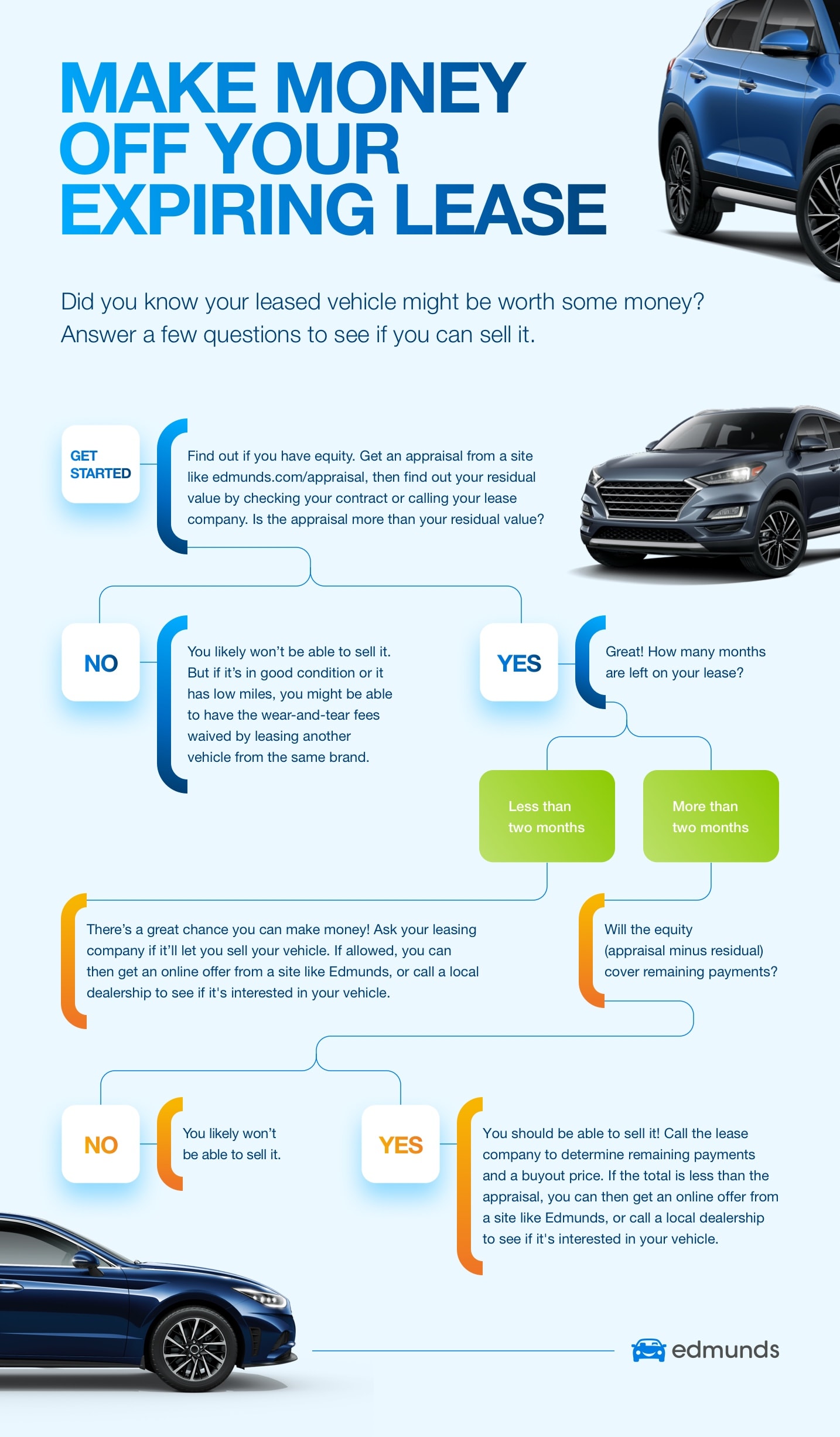
Once you understand the internal factors that affect your car’s value, the next step is to leverage available resources to understand the current market landscape. This involves researching comparable vehicles and utilizing online valuation tools to establish a realistic price range.
Comparable Vehicle Analysis: What’s Selling and For How Much?
The most effective way to gauge your car’s worth is to see what similar vehicles are selling for in your local market. This involves looking at cars with comparable make, model, year, trim level, mileage, and condition.
Online Listing Platforms: A Snapshot of the Market
Websites like Kelley Blue Book (KBB), Edmunds, and NADA Guides are invaluable resources for obtaining estimated values. These platforms aggregate vast amounts of data on vehicle sales and provide trade-in values, private party sale values, and retail values. It’s important to use multiple sources to get a balanced perspective. When using these tools, be as accurate as possible with your vehicle’s specifics, including all options and packages, as these can significantly impact the valuation.

Local Dealerships and Private Sales: Real-World Price Points
Beyond online tools, actively research listings for similar cars in your area. Check local dealership websites and private sale platforms such as Craigslist, Facebook Marketplace, and eBay Motors. Pay attention not only to the asking prices but also to how long vehicles have been listed. A car that has been sitting on the market for an extended period might indicate an inflated asking price. Conversely, vehicles that sell quickly at or near their asking price provide valuable real-world benchmarks.
Online Valuation Tools: Leveraging Data for Estimates
Online valuation tools are sophisticated algorithms that process a multitude of data points to provide an estimated market value for your car. While they offer a convenient starting point, it’s crucial to understand their limitations.
Understanding Trade-In vs. Private Party Value
When using online tools, you’ll typically encounter two primary value types: trade-in value and private party value. Trade-in value is the amount a dealership is willing to offer you for your car when you’re purchasing a new or used vehicle from them. This value is generally lower because dealerships need to account for reconditioning costs, overhead, and profit margins. Private party value is the estimated price you could reasonably expect to get when selling directly to an individual buyer. This value is usually higher than trade-in value, but it requires more effort from the seller in terms of marketing, showing the car, and handling negotiations.
The Nuances of Trim Levels and Optional Features
Don’t underestimate the impact of specific trim levels and optional features on your car’s value. A higher trim level (e.g., a fully loaded model with premium sound, leather seats, sunroof, and advanced safety features) will command a significantly higher price than a base model. Similarly, popular and desirable options can boost your car’s appeal. When using valuation tools, ensure you accurately select your car’s exact trim level and include all relevant optional packages. This precision is key to obtaining an accurate valuation.
Strategies for Maximizing Your Car’s Selling Price
Simply knowing your car’s value isn’t enough; you need to employ smart strategies to ensure you achieve the highest possible price. This involves proactive preparation, effective marketing, and skillful negotiation.
Pre-Sale Preparation: Presenting Your Car in Its Best Light
The effort you put into preparing your car for sale directly correlates with the offers you receive. A clean, well-maintained vehicle signals to buyers that it has been cared for and is ready for its next chapter.
Detailing and Minor Repairs: The Power of Polish
A professional detailing service can work wonders on both the interior and exterior of your car. This includes thorough washing and waxing, interior vacuuming and shampooing, cleaning of glass and trim, and odor removal. Even minor paint touch-ups, tire dressing, and cleaning of the engine bay can make a significant difference. Addressing small, inexpensive repairs like replacing burnt-out bulbs, fixing a loose trim piece, or repairing a small chip in the windshield can eliminate potential negotiation points for buyers and project an image of meticulous care.
Gathering Documentation: Proof of Your Car’s History
Compile all your vehicle’s important documents. This includes the title (ensure it’s clear and in your name), registration, and a complete service history. Having a binder or folder with all maintenance receipts, repair invoices, and records of any recalls addressed demonstrates responsible ownership and provides buyers with confidence in your car’s mechanical soundness. This transparency can significantly enhance your car’s perceived value and justify a higher price.
Marketing and Listing: Reaching the Right Buyers
How and where you advertise your car can greatly influence its visibility and appeal to potential buyers. A well-crafted listing with compelling visuals can attract more serious inquiries and lead to faster sales.
Crafting a Compelling Listing: Words and Images Matter
Your listing description should be accurate, detailed, and engaging. Highlight your car’s best features, including its trim level, desirable options, low mileage, and any recent maintenance or upgrades. Be honest about any imperfections, but frame them in a way that doesn’t deter buyers. High-quality photographs are crucial. Take clear, well-lit pictures of the exterior from multiple angles, the interior, the engine bay, and the odometer. A short video walkthrough can also be very effective.
Choosing the Right Platform: Online vs. Dealership vs. Private Sale
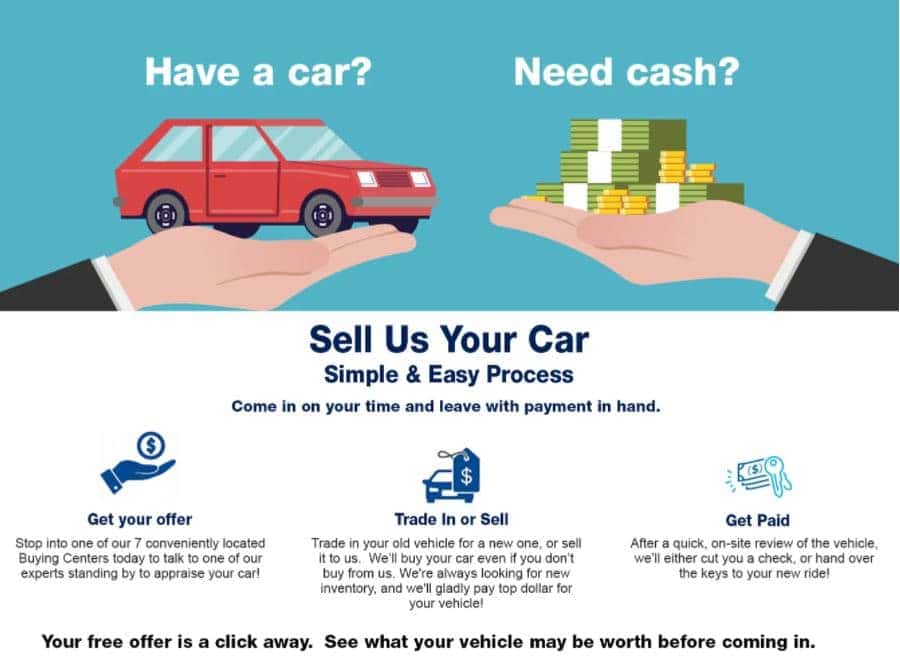
Consider the pros and cons of different selling methods. Selling to a dealership is quick and convenient but usually yields the lowest price. Selling privately through online platforms offers the potential for higher returns but requires more time and effort. Auction sites can also be an option, especially for unique or collector vehicles. The “right” platform depends on your priorities – speed, convenience, or maximum profit.
Negotiation and Closing the Deal: Securing Your Best Offer
Once you have interested buyers, effective negotiation is key to securing your desired price. Be prepared, stay confident, and know when to walk away.
Setting Your Asking Price and Handling Offers
Determine your asking price based on your research, aiming slightly higher than your target to allow for negotiation. Be prepared for initial offers that may be lower than you expect. Respond professionally and politely, explaining why you believe your car is worth your asking price, referencing your preparation and documentation. Avoid emotional responses and stick to the facts.
The Importance of a Pre-Purchase Inspection (PPI)
Encouraging potential buyers to conduct a pre-purchase inspection (PPI) with their own mechanic is a sign of confidence and can actually facilitate the sale. While it might seem counterintuitive to offer this, it demonstrates transparency and allows buyers to address any concerns before committing. If the PPI reveals minor issues that you were unaware of, be prepared to negotiate on those points. However, if the inspection is overwhelmingly positive, it reinforces your car’s value and can lead to a smoother closing.
By understanding the intrinsic value drivers of your car, diligently researching the market, and strategically preparing and marketing your vehicle, you can confidently answer the question, “How much could I sell my car for?” and ultimately achieve the best possible outcome for your sale.
aViewFromTheCave is a participant in the Amazon Services LLC Associates Program, an affiliate advertising program designed to provide a means for sites to earn advertising fees by advertising and linking to Amazon.com. Amazon, the Amazon logo, AmazonSupply, and the AmazonSupply logo are trademarks of Amazon.com, Inc. or its affiliates. As an Amazon Associate we earn affiliate commissions from qualifying purchases.