
Securing a home loan is a pivotal step for many on their journey to homeownership. It’s a question that resonates with aspiration and practicality: “How much could I get for a home loan?” The answer, however, is rarely a simple figure. Instead, it’s a dynamic calculation influenced by a multitude of personal financial metrics, market conditions, and lending institution policies. Understanding these intricate components is crucial for anyone looking to navigate the complex world of mortgage finance, empowering them to approach the process with confidence and clarity. This article delves deep into the factors that determine your borrowing capacity, offering insights into how lenders assess your eligibility and strategies to maximize your potential loan amount.

Decoding Lender Assessment Criteria
When you apply for a home loan, lenders don’t just see an application; they see a risk assessment. Their primary goal is to determine your ability and willingness to repay the loan. This evaluation is multi-faceted, scrutinizing various aspects of your financial life to construct a comprehensive profile of your creditworthiness.
Income and Employment Stability
Your income is arguably the most fundamental determinant of your borrowing power. Lenders assess not just the amount you earn, but also the stability and reliability of that income. They want to see a consistent earnings history, typically looking for at least two years of steady employment in the same field or with the same employer.
-
Salaried Employees: For those with a fixed salary, proving income is relatively straightforward with pay stubs, W-2s, and employment verification.
-
Hourly Wage Earners: Lenders will often average out your income over a period, so consistent hours are beneficial.
-
Self-Employed Individuals: This category often faces more stringent scrutiny. Lenders typically require two years of tax returns to assess net income, business stability, and potential write-offs that might reduce your declared income. Consistent profitability and a healthy business history are key.
-
Other Income Sources: Rental income, alimony, child support, and certain disability payments can also be considered, provided they are consistent, documented, and expected to continue.
The higher and more stable your income, the greater your capacity to service a larger mortgage payment, which directly translates into a higher potential loan amount.
Debt-to-Income (DTI) Ratio
Beyond just income, lenders are acutely interested in how much of that income is already committed to existing debt. This is where the Debt-to-Income (DTI) ratio comes into play – a critical metric that compares your total monthly debt payments to your gross monthly income.
-
Calculation: DTI is expressed as a percentage. It’s calculated by dividing your total monthly debt payments (including the estimated new mortgage payment, property taxes, and homeowner’s insurance) by your gross monthly income.
-
Front-End DTI: This looks specifically at housing costs (mortgage principal and interest, property taxes, homeowner’s insurance, HOA fees) as a percentage of your gross monthly income.
-
Back-End DTI: This is the more commonly cited DTI, encompassing all monthly debt payments (housing costs, credit card minimums, car loans, student loans, personal loans) as a percentage of your gross monthly income.
-
Lender Thresholds: While thresholds vary, most conventional lenders prefer a back-end DTI of no more than 36% to 43%. Government-backed loans like FHA might allow slightly higher DTIs, sometimes up to 50% in certain circumstances, but these often come with additional requirements or costs. A lower DTI indicates you have more disposable income available to manage your mortgage payments, making you a less risky borrower.
Credit Score and History
Your credit score is a numerical representation of your creditworthiness, largely derived from your credit report. It’s a snapshot of your past financial behavior and a powerful predictor of future payment reliability.
-
Impact: A higher credit score (typically FICO scores above 740) signals to lenders that you are a responsible borrower with a history of timely payments, low credit utilization, and a diverse credit mix. This often qualifies you for better interest rates and a broader range of loan products, potentially allowing for a larger loan amount or more favorable terms that make a larger loan more affordable.
-
Key Elements: Lenders look at several factors in your credit report:
-
Payment History: Are payments made on time? Defaults or late payments are red flags.
-
Credit Utilization: How much of your available credit are you using? Lower utilization (below 30%) is generally preferred.
-
Length of Credit History: Longer histories with responsible behavior are better.
-
Credit Mix: A healthy mix of revolving credit (credit cards) and installment credit (car loans, student loans) is positive.
-
New Credit: Too many recent credit applications can lower your score temporarily.
-
Down Payment and Reserves
The amount of money you can put down upfront, known as your down payment, is another significant factor that influences your potential loan amount and the overall cost of your mortgage.
-
Loan-to-Value (LTV) Ratio: The down payment directly impacts your Loan-to-Value (LTV) ratio, which is the loan amount divided by the appraised value of the property. A larger down payment results in a lower LTV, reducing the lender’s risk and potentially leading to better interest rates.
-
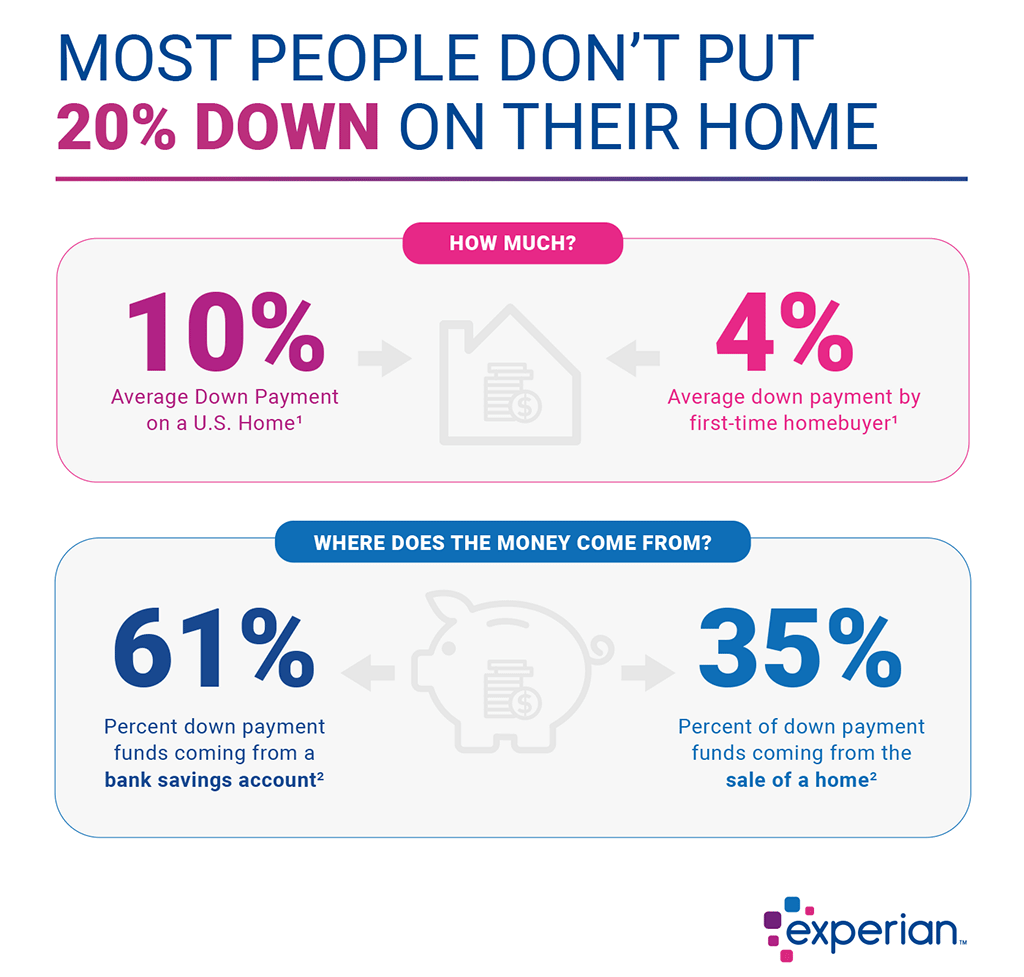
Private Mortgage Insurance (PMI): If your down payment is less than 20% of the home’s purchase price for a conventional loan, you will typically be required to pay Private Mortgage Insurance (PMI), an additional monthly cost that protects the lender. While it doesn’t directly limit your loan amount, it adds to your monthly housing expense, affecting your DTI and potentially reducing the maximum loan you can afford.
-
Cash Reserves: Lenders often like to see that you have cash reserves – funds remaining in your bank account after the down payment and closing costs are paid. These reserves act as a financial cushion, assuring the lender that you can manage payments even if unexpected financial challenges arise. The more reserves you have, the more secure you appear to lenders.
The Influence of Market Dynamics and Loan Types
While your personal financial profile is paramount, external factors and the specific type of loan you choose also play a critical role in determining how much you can borrow. The housing market, economic climate, and various loan programs each come with their own set of rules and limitations.
Interest Rates and Economic Climate
The prevailing interest rates at the time of your application significantly impact your affordability and, consequently, your maximum loan amount.
-
Affordability: A lower interest rate means a smaller monthly payment for the same loan amount, or conversely, it allows you to borrow a larger sum while keeping your monthly payment within an acceptable range for your DTI.
-
Economic Impact: Interest rates are influenced by broader economic conditions, Federal Reserve policies, and inflation. During periods of low interest rates, housing affordability generally increases, allowing more buyers to qualify for larger loans. Conversely, rising rates can reduce your borrowing power for the same monthly payment. Keeping an eye on economic forecasts and rate trends can help you time your home purchase strategically.
Loan-to-Value (LTV) Ratio
As mentioned earlier, the Loan-to-Value (LTV) ratio is a cornerstone of mortgage lending. It’s a risk assessment tool that directly limits the amount a lender is willing to finance based on the appraised value of the property.
-
Calculation: LTV = (Loan Amount / Appraised Property Value) x 100.
-
Lender Limits: Most lenders have maximum LTV ratios they will allow. For conventional loans, 80% LTV (requiring a 20% down payment) is ideal, though 95% or even 97% LTVs are available with PMI. FHA loans typically allow up to 96.5% LTV, while VA loans can go up to 100% LTV for eligible veterans.
-
Appraisal Impact: If the property appraises for less than the agreed-upon purchase price, the loan amount will be based on the lower appraised value, which might require you to bring more cash to the closing or renegotiate the price.
Different Loan Products and Their Limits
The type of home loan you select can significantly impact the maximum amount you can borrow, as each program has distinct eligibility criteria, down payment requirements, and often, loan limits.
-
Conventional Loans: These are not insured or guaranteed by the government. They typically require good credit and a DTI within conventional limits. While there are no hard income limits, conventional loans are subject to conforming loan limits set annually by the Federal Housing Finance Agency (FHFA), which dictate the maximum loan size that Fannie Mae and Freddie Mac can purchase. Loans above these limits are considered “jumbo” loans, which often have stricter requirements.
-
FHA Loans: Insured by the Federal Housing Administration, these loans are popular for first-time homebuyers or those with less-than-perfect credit. They have lower credit score requirements and allow for down payments as low as 3.5%. However, FHA loans have their own specific loan limits, which vary by county, and they require both upfront and annual mortgage insurance premiums regardless of the down payment size.
-
VA Loans: Guaranteed by the U.S. Department of Veterans Affairs, these loans are an incredible benefit for eligible veterans, active-duty service members, and their spouses. They often require no down payment and no private mortgage insurance. While there are no longer strict loan limits for eligible veterans with full entitlement, the amount a lender is willing to lend will still be based on the veteran’s income, credit, and DTI.
-
USDA Loans: Backed by the U.S. Department of Agriculture, these loans are designed to help low- and moderate-income individuals purchase homes in eligible rural areas. They also often require no down payment. However, they come with strict income limits based on the household size and the specific rural area, as well as property location restrictions.
Understanding the nuances of each loan type is crucial for determining which one best fits your financial situation and how much you can ultimately borrow.
Calculating Your Potential: Tools and Estimates
Knowing the factors is one thing; applying them to your situation is another. Thankfully, several tools and professional resources can help you gauge your potential home loan amount.
Pre-Qualification vs. Pre-Approval
These terms are often used interchangeably, but there’s a significant difference that impacts the accuracy of your potential loan amount estimate.
-
Pre-Qualification: This is a preliminary assessment based on self-reported financial information. You provide a lender with your income, debts, and assets, and they give you a rough estimate of how much you might be able to borrow. It’s a quick snapshot and not a guarantee of a loan or a specific amount. It serves as a good starting point for understanding your general affordability.
-
Pre-Approval: This is a much more robust and reliable estimate. A lender conducts a thorough review of your financial situation, including pulling your credit report, verifying income (with pay stubs, W-2s, tax returns), and reviewing asset statements. Upon successful review, they issue a pre-approval letter stating the maximum amount they are willing to lend you. This letter is a powerful tool when house hunting, showing sellers you are a serious and qualified buyer, and providing a concrete borrowing limit.
Always aim for a pre-approval before seriously beginning your home search.
Utilizing Online Loan Calculators
The internet offers a plethora of mortgage calculators that can help you estimate your affordability.
-
Benefits: These tools allow you to input various scenarios – different interest rates, loan terms, down payment amounts, and property taxes – to see how they impact your estimated monthly payment and total loan amount. They are excellent for initial budgeting and understanding the interplay of different variables.
-
Limitations: Online calculators provide estimates based on generalized algorithms. They cannot account for every unique aspect of your financial profile, specific lender policies, or the exact property taxes and insurance premiums for a particular home. Always remember they are a starting point, not a definitive offer.
The Importance of a Mortgage Professional
While online tools and self-assessments are helpful, the most accurate and personalized guidance will come from a mortgage professional.
-
Expert Guidance: A licensed mortgage loan officer or broker can review your complete financial picture, analyze your credit report in detail, discuss various loan programs you might qualify for, and provide a precise estimate of your maximum loan amount.
-
Tailored Advice: They can offer strategies to improve your eligibility, explain complex loan terms, and guide you through the entire application process. They also have access to different lenders and their specific products, potentially finding a better fit for your needs than you might find on your own.
-
Beyond the Number: A good mortgage professional won’t just tell you how much you can borrow but also how much you can comfortably afford, helping you avoid being “house poor.”
Strategies to Enhance Your Borrowing Power
If your initial assessment suggests you can’t borrow as much as you’d hoped, or if you simply want to maximize your potential, there are proactive steps you can take. Improving your financial standing can significantly boost your eligibility and loan amount.
Improving Your Credit Profile
A higher credit score can lead to better loan terms, which in turn can increase your borrowing power by reducing your monthly interest payments.
-
Pay Bills on Time: This is the single most important factor. Set up reminders or automatic payments.
-
Reduce Credit Card Debt: Aim to keep your credit utilization below 30% of your available credit. Paying down balances frees up your DTI and improves your score.
-
Review Your Credit Report: Obtain free copies from AnnualCreditReport.com and dispute any errors or inaccuracies.
-
Avoid New Credit Applications: Refrain from opening new credit lines or taking on new debt in the months leading up to your mortgage application. Hard inquiries can temporarily ding your score.
Reducing Existing Debt
Lowering your existing debt obligations directly improves your Debt-to-Income (DTI) ratio, making you a more attractive borrower.
-
Pay Off Small Debts: Tackling smaller personal loans or credit card balances can free up monthly cash flow and reduce your DTI.
-
Consolidate High-Interest Debt: If possible, consider consolidating high-interest credit card debt into a lower-interest personal loan to simplify payments and reduce monthly outflows.
-
Avoid Co-Signing: Being a co-signer makes you responsible for that debt, impacting your DTI even if you’re not making the payments.
Increasing Your Down Payment
A larger down payment reduces the LTV ratio, decreases the lender’s risk, and can lead to better interest rates, potentially eliminating the need for PMI.
-
Save Aggressively: Prioritize saving for your down payment. Explore high-yield savings accounts or investment vehicles appropriate for short-term savings goals.
-
Look for Down Payment Assistance Programs: Many states and local municipalities offer programs to help homebuyers with down payments and closing costs, especially for first-time buyers.
-
Consider Gift Funds: If permissible by your loan program, gift funds from family members can be used, but they must be properly documented with a gift letter.
Documenting All Income Streams
Ensure that all legitimate and verifiable income sources are properly documented and presented to your lender.
-
Consistent Side Hustles: If you have a regular side hustle or gig economy income, ensure you keep meticulous records and declare it on your taxes. Lenders typically require a two-year history for supplemental income to be considered.
-
Bonuses and Commissions: If a significant portion of your income comes from bonuses or commissions, provide historical data to demonstrate consistency.
-
Spousal Income: If you are applying jointly, ensure all of your spouse’s income is fully documented.
By strategically addressing these financial areas, you can significantly enhance your position as a borrower and increase the maximum home loan amount you could secure.
The Home Loan Application Journey
Once you’ve understood the factors, calculated your potential, and optimized your finances, the final step is to navigate the actual application process. This journey requires meticulous organization and a clear understanding of the steps involved.
Gathering Essential Documents
The mortgage application process is heavily document-driven. Being prepared with all necessary paperwork can significantly expedite the process.
-
Proof of Income: Pay stubs (most recent 30 days), W-2s (past two years), tax returns (past two years), and for self-employed individuals, profit and loss statements and business bank statements.
-
Asset Verification: Bank statements (past 60 days for all accounts, checking, savings, investment), retirement account statements, and any other evidence of liquid assets.
-
Credit History: Lenders will pull your credit report, but having your own copies can help you review for accuracy beforehand.
-
Identification: Government-issued photo ID (driver’s license, passport) and Social Security card.
-
Gift Letter (if applicable): If using gift funds for the down payment, a signed letter from the donor confirming the funds are a gift and not a loan.
-
Other Debts: Statements for existing loans (student loans, auto loans, personal loans) and credit card statements.
Understanding Loan Offers and Terms
Once pre-approved, you’ll receive a Loan Estimate, a standardized form detailing the proposed loan terms, projected payments, and estimated closing costs.
-
Interest Rate: The rate you’ll pay on the borrowed money. Understand if it’s a fixed-rate (stays the same) or adjustable-rate (changes over time).
-
Annual Percentage Rate (APR): This is the total cost of the loan over its term, including the interest rate and most closing costs expressed as an annual percentage. It provides a more comprehensive picture of the loan’s true cost.
-
Closing Costs: These are fees paid at the closing of the loan, typically ranging from 2% to 5% of the loan amount. They include origination fees, appraisal fees, title insurance, recording fees, and attorney fees.
-
Escrow Account: Many lenders require an escrow account for property taxes and homeowner’s insurance, where a portion of your monthly mortgage payment goes into this account to cover these annual expenses.
Compare offers from multiple lenders, paying close attention to both the interest rate and the total closing costs, as these can vary significantly.

The Closing Process
The closing is the final step where all documents are signed, funds are exchanged, and ownership officially transfers.
-
Final Review: Before closing, you’ll receive a Closing Disclosure, which is the final version of the Loan Estimate. Compare it carefully to your initial estimate to ensure there are no unexpected changes.
-
Signing Documents: This involves signing numerous legal documents, including the promissory note (your promise to repay the loan) and the mortgage or deed of trust (the legal document that pledges the property as collateral).
-
Funding: Once all documents are signed and verified, the lender will disburse the loan funds.
-
Keys in Hand: Congratulations! Upon successful closing and funding, you receive the keys to your new home.
Determining “how much you could get for a home loan” is an intricate process, but with a solid understanding of the criteria, proactive financial management, and the right professional guidance, you can confidently embark on your path to homeownership. By diligently preparing your finances and understanding the lending landscape, you position yourself not just to secure a loan, but to secure the right loan that aligns with your long-term financial goals.
aViewFromTheCave is a participant in the Amazon Services LLC Associates Program, an affiliate advertising program designed to provide a means for sites to earn advertising fees by advertising and linking to Amazon.com. Amazon, the Amazon logo, AmazonSupply, and the AmazonSupply logo are trademarks of Amazon.com, Inc. or its affiliates. As an Amazon Associate we earn affiliate commissions from qualifying purchases.