
Securing a car loan is a significant financial step for many, opening the door to greater mobility and independence. However, the exact amount you can get approved for isn’t a fixed figure; it’s a dynamic sum influenced by a multitude of personal financial factors and the lending institution’s criteria. Understanding these variables is crucial for not only getting approved but also for securing a loan on favorable terms that align with your budget and long-term financial health. This guide will demystify the car loan approval process, helping you estimate your potential borrowing power and prepare effectively.

Understanding the Core Factors Influencing Your Car Loan Approval
Lenders assess your financial profile to gauge your reliability as a borrower. This evaluation primarily hinges on a few key metrics that illustrate your past financial behavior and current capacity to take on new debt.
Your Credit Score and Credit History
The cornerstone of any loan eligibility assessment is your credit score. This three-digit number, generated from your credit report, offers a snapshot of your creditworthiness. Lenders use it to quickly determine the likelihood that you will repay your debt.
- What Lenders Look For: Lenders delve into your credit history to see consistent patterns. They examine your payment history (on-time payments are paramount), credit utilization (the amount of credit you’re using compared to your total available credit), length of credit history (longer is generally better), types of credit used, and recent credit inquiries. A history of responsible credit management signals lower risk.
- Impact of Different Score Ranges:
- Excellent (780-850): Indicates a very low-risk borrower, typically qualifying for the best interest rates and terms.
- Very Good (740-779): Still considered low-risk, likely to receive highly competitive offers.
- Good (670-739): Average borrower, often qualifies for reasonable rates, though perhaps not the absolute best.
- Fair (580-669): Presents moderate risk, may face higher interest rates or require a larger down payment.
- Poor (300-579): High-risk, approval may be challenging, often requiring a co-signer, significant down payment, or settling for very high interest rates.
- Tips for Improving Your Credit Score: Before applying, check your credit report for errors and dispute them. Pay bills on time, reduce outstanding debt, avoid opening too many new credit lines simultaneously, and keep old credit accounts open to maintain a longer credit history.
Your Debt-to-Income (DTI) Ratio
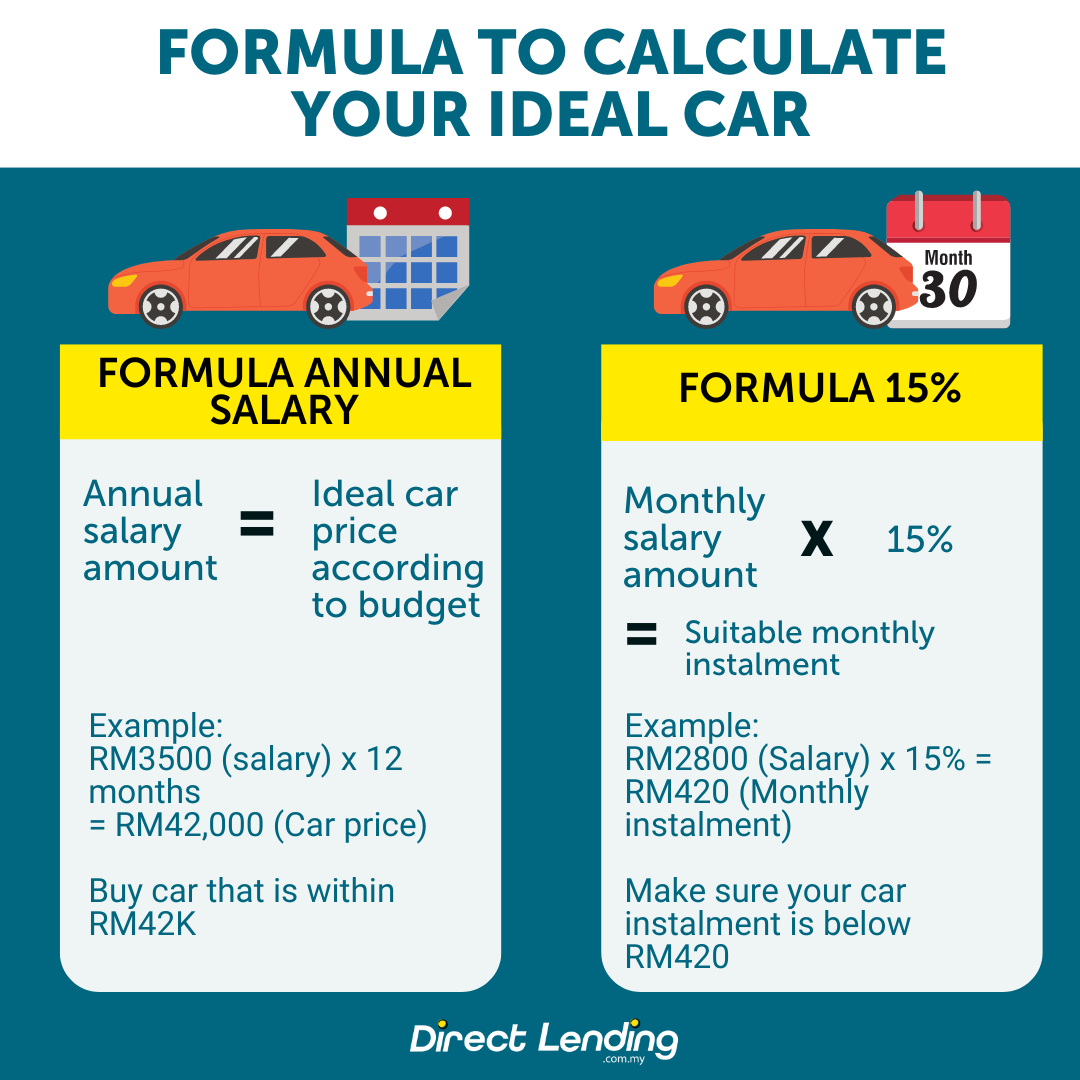
Beyond your credit score, lenders need to know if you can actually afford the monthly payments. Your debt-to-income (DTI) ratio is a critical measure that compares your total monthly debt payments to your gross monthly income.
- How DTI is Calculated: Your DTI is calculated by summing all your monthly debt obligations (mortgage/rent, credit card minimums, student loan payments, personal loans, etc.) and dividing that sum by your gross monthly income (before taxes and deductions). The result is expressed as a percentage.
- Ideal DTI for Lenders: Most lenders prefer a DTI ratio below 36%, with no more than 28% allocated to housing expenses. While some may approve loans with a DTI up to 43%, a lower ratio demonstrates greater financial flexibility and increases your chances of approval and favorable terms.
- Strategies to Lower DTI: Prioritize paying down existing debts, especially those with high-interest rates or large monthly minimums. If possible, consider temporarily increasing your income, though this is often a longer-term strategy.
Income Stability and Employment History
Lenders want assurance that you have a steady and reliable source of income to make consistent payments throughout the loan term. Your employment history provides this crucial insight.
- Steady Employment vs. Self-Employment/Gig Economy: A long history of stable employment with the same employer is ideal. For self-employed individuals or those in the gig economy, lenders typically require at least two years of consistent income history, often evidenced by tax returns. This demonstrates reliability despite a less traditional employment structure.
- Required Documentation: Be prepared to provide proof of income, which could include recent pay stubs (typically 2-3 months), W-2 forms (for the past 1-2 years), and tax returns (for the past 2 years, especially if self-employed). Lenders may also request employment verification directly from your employer.
The Role of the Loan Itself and Down Payments
While your financial profile is paramount, the specifics of the loan you’re seeking and the vehicle you intend to purchase also significantly impact approval.
The Loan Amount and Vehicle Choice
The cost of the car directly influences the loan amount, which in turn affects your monthly payments and the lender’s risk assessment.
- New vs. Used Cars: New cars generally command higher prices, leading to larger loan amounts. They also depreciate rapidly, meaning the loan balance can quickly exceed the car’s market value (negative equity). Used cars, while cheaper, might come with higher interest rates if they’re older or have high mileage, as they present a higher risk of mechanical issues.
- Desired Loan Term: The length of your loan (e.g., 36, 48, 60, 72 months) directly impacts your monthly payment and the total interest paid over the life of the loan. Shorter terms mean higher monthly payments but less interest overall. Longer terms reduce monthly payments, making a higher loan amount seem more affordable, but you’ll pay significantly more in interest over time. Lenders might be more hesitant to approve very long terms, especially on older vehicles, due to depreciation concerns.
The Power of a Down Payment
A down payment is the initial amount of money you pay upfront for the car, reducing the amount you need to borrow. It’s one of the most effective ways to strengthen your loan application.
- Benefits of a Larger Down Payment:
- Lower Monthly Payments: Less money financed means smaller monthly installments.
- Less Interest Paid: You borrow less, so you accrue less interest over the loan term.
- Immediate Equity: You start with a positive equity position, reducing the risk of being “upside down” (owing more than the car is worth).
- Improved Approval Odds/Better Terms: Lenders see a down payment as a sign of commitment and reduced risk, often leading to easier approval and lower interest rates, particularly for those with less-than-perfect credit.
- Recommended Down Payment Percentages: While there’s no strict rule, a 10-20% down payment is generally recommended for used cars, and 20% or more for new cars, to offset initial depreciation and secure better terms.
Trade-in Value
If you have an existing vehicle, trading it in can act like a down payment, reducing the total amount you need to finance.
- How Trade-ins Reduce the Amount Financed: The value of your trade-in is deducted from the purchase price of the new car, decreasing the principal amount of your new loan. This can lead to lower monthly payments and less interest.
- Getting a Fair Trade-in Value: Research your car’s value using resources like Kelley Blue Book (KBB) or Edmunds before heading to the dealership. Be aware that dealerships often offer wholesale value, which is less than retail. Consider selling your car privately if you want to maximize its value, but weigh that against the convenience of a trade-in.
Navigating the Application Process and Lender Expectations
Approaching the loan application process with foresight and preparation can significantly streamline your experience and improve your outcomes.
Gathering Essential Documentation
Being prepared with all necessary documents saves time and demonstrates your seriousness as a borrower.
- Proof of Identity: Government-issued photo ID (driver’s license, passport).
- Proof of Income: Recent pay stubs, W-2 forms, tax returns (if self-employed).
- Proof of Residence: Utility bill, lease agreement, or mortgage statement.
- Vehicle Information (if applicable): If you’ve already picked out a specific car, have its make, model, year, VIN, and selling price available.
Understanding Different Lender Types
Where you apply for a loan can significantly impact the rates and terms you receive.
- Banks: Offer competitive rates for borrowers with good credit, often have a strong online presence, but can be less flexible.
- Credit Unions: Member-owned institutions known for offering more competitive rates and personalized service, often more willing to work with borrowers with less-than-perfect credit.
- Dealership Financing: Convenient, as you can apply and buy the car in one place. Dealerships often work with multiple lenders and can sometimes offer promotional rates, but watch out for markups on interest rates.
- Online Lenders: Provide quick application processes and often competitive rates, especially for those with strong credit. They can be a good option for comparing rates quickly.
- Pros and Cons of Each: Banks and credit unions generally offer the most transparent and often lowest rates. Dealerships offer convenience but may add a markup. Online lenders offer speed and comparison opportunities. Explore all options to find the best fit.
Getting Pre-Approved vs. Approved
Pre-approval is a smart preliminary step that can empower you during the car-buying process.
- Benefits of Pre-Approval:
- Know Your Budget: You’ll know exactly how much a lender is willing to lend you, allowing you to shop within your means.
- Negotiating Power: You enter the dealership as a cash buyer, which strengthens your negotiating position on the car’s price.
- Focus on the Car, Not the Loan: You can concentrate on finding the right vehicle without the stress of simultaneous loan applications.
- Compare Rates: You can use a pre-approval offer to compare against financing options offered by the dealership.
- Impact on Credit Score: A pre-approval typically involves a “soft inquiry” on your credit report, which doesn’t affect your score. A full application for approval, however, will result in a “hard inquiry,” which might slightly lower your score for a short period. Multiple hard inquiries for car loans within a short window (typically 14-45 days, depending on the credit scoring model) are usually treated as a single inquiry, so shop for rates within a focused timeframe.
Strategies to Maximize Your Approval Odds and Secure Better Terms
Beyond meeting the basic requirements, proactive steps can significantly enhance your position and lead to more favorable loan conditions.
Improving Your Financial Health Before Applying
The best way to ensure approval and good terms is to present the strongest possible financial profile.
- Paying Down High-Interest Debt: Reducing credit card balances and other high-interest debts lowers your DTI and frees up more disposable income, making you a more attractive borrower.
- Checking Your Credit Report for Errors: Annually review your credit reports from all three major bureaus (Equifax, Experian, TransUnion) for inaccuracies. Disputing and correcting errors can quickly boost your credit score.
- Saving for a Larger Down Payment: As discussed, a substantial down payment reduces the loan amount and the lender’s risk, often translating to better rates and easier approval.
Shopping Around for the Best Rates
Never accept the first loan offer you receive. Competition among lenders works in your favor.
- Comparing APRs and Loan Terms: Focus on the Annual Percentage Rate (APR), which includes the interest rate plus any fees, giving you the true cost of borrowing. Also compare loan terms (length), as they affect both monthly payments and total interest paid.
- Using Online Comparison Tools: Websites and apps allow you to input your financial information and receive multiple loan offers from various lenders, simplifying the comparison process.
Considering a Co-signer
If your credit history is limited or less-than-perfect, a co-signer might be the key to approval or better terms.
- Benefits and Risks of a Co-signer: A co-signer, typically a parent or close relative with excellent credit, agrees to be equally responsible for the loan. Their strong credit profile can help you get approved or secure a lower interest rate. However, if you default, the co-signer’s credit will be severely damaged, and they will be legally obligated to repay the loan.
- Who Makes a Good Co-signer: Someone with a high credit score, low DTI, and stable income who understands and accepts the responsibility involved.
What to Do If You’re Denied (And How to Prevent It)
Even with preparation, sometimes a loan application is denied. Understanding why and knowing how to respond is essential.
Understanding the Reasons for Denial
Lenders are legally required to provide you with an Adverse Action Notice explaining why your application was denied.
- Common Reasons for Denial: High DTI ratio, low credit score, insufficient income, too much existing debt, too many recent credit inquiries, a short credit history, or issues identified in your credit report (e.g., bankruptcies, foreclosures).
- Lenders are Legally Obligated to Provide a Reason: This notice is a valuable tool, as it pinpoints the specific areas you need to address.
Steps to Take After a Denial
A denial isn’t the end of the road; it’s an opportunity to improve your financial standing.
- Addressing the Underlying Issues: Review the denial letter carefully. If it’s a high DTI, focus on paying down debt. If it’s a low credit score, work on improving your payment history and disputing errors.
- Exploring Alternatives:
- Save More: Build a larger down payment.
- Consider a Cheaper Car: A less expensive vehicle requires a smaller loan, making approval easier.
- Improve Your Credit: Focus on long-term credit building strategies.
- Consider a Secured Loan: Some lenders offer loans secured by collateral (like a savings account), which are easier to get approved for, though this isn’t typical for car loans directly.
- Wait and Reapply: If the issues are addressable, take the time to fix them and reapply when your financial situation has improved.
Ultimately, the amount you get approved for a car loan is a reflection of your overall financial health and the perceived risk you present to a lender. By understanding the key factors, preparing meticulously, and shopping strategically, you can significantly increase your approval odds and drive away with a financing deal that truly benefits your financial future.
aViewFromTheCave is a participant in the Amazon Services LLC Associates Program, an affiliate advertising program designed to provide a means for sites to earn advertising fees by advertising and linking to Amazon.com. Amazon, the Amazon logo, AmazonSupply, and the AmazonSupply logo are trademarks of Amazon.com, Inc. or its affiliates. As an Amazon Associate we earn affiliate commissions from qualifying purchases.