
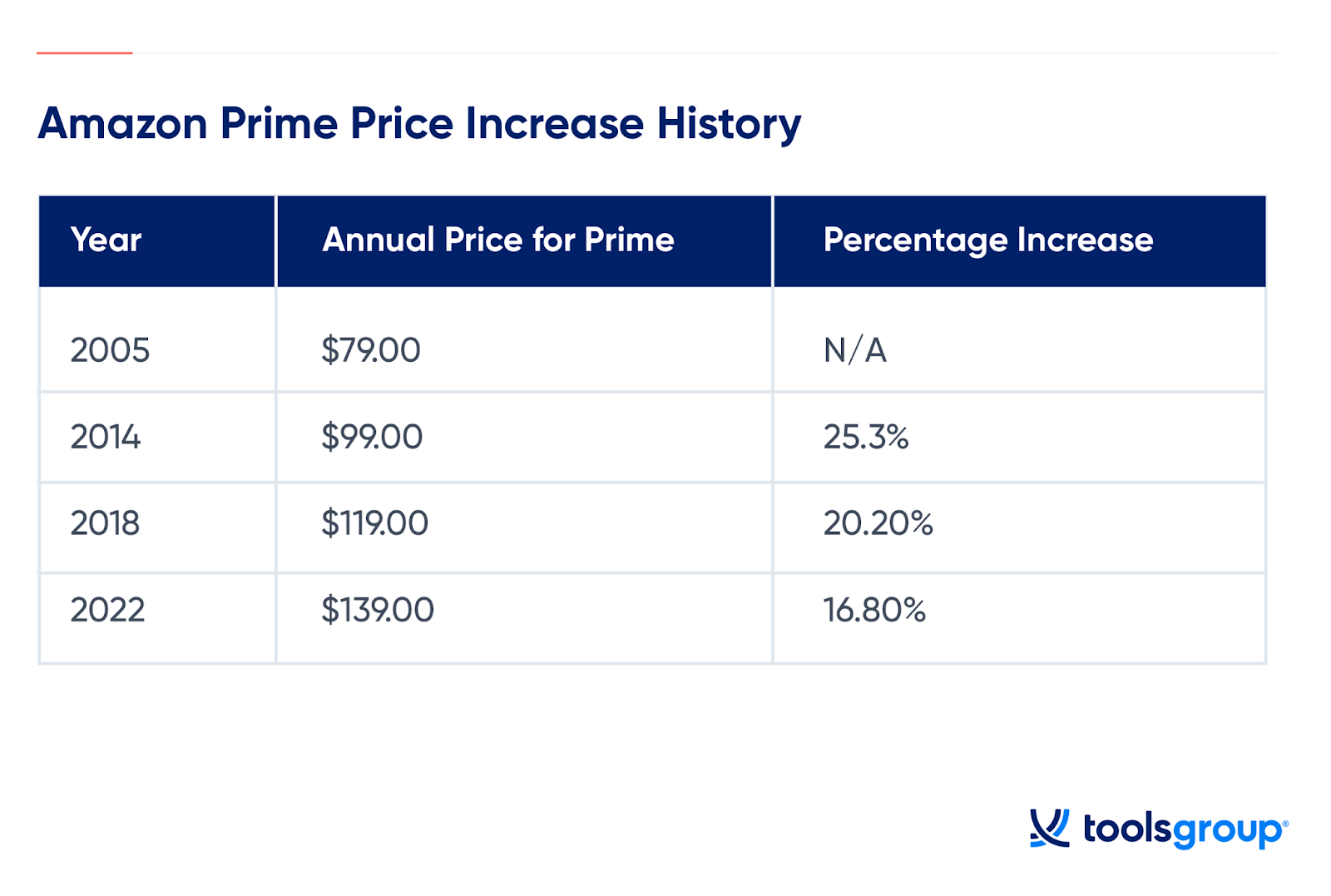
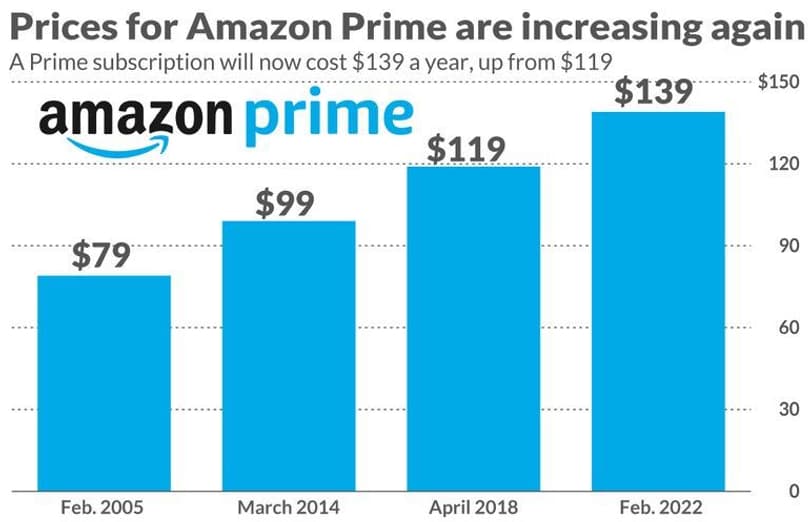
In the modern landscape of personal finance and household budgeting, subscription services have transitioned from luxury add-ons to significant recurring line items. Among these, Amazon Prime stands as perhaps the most ubiquitous. What began in 2005 as a simple $79-per-year membership focused on expedited shipping has evolved into a multi-faceted digital ecosystem. For the savvy consumer, understanding the cost of Amazon Prime is not just about knowing the sticker price; it is about conducting a rigorous cost-benefit analysis to determine if the service provides a genuine return on investment or if it is an unnecessary drain on monthly cash flow.
Understanding the Current Pricing Tiers and Subscription Models
As of 2024, the pricing structure for Amazon Prime in the United States reflects several years of incremental increases driven by expanding service offerings and rising logistical costs. To manage your personal finances effectively, you must first identify which tier aligns with your demographic and usage patterns.
Monthly vs. Annual Plans
The standard consumer has two primary options for accessing Prime. The monthly subscription is currently priced at $14.99 per month. For those who prefer a long-term commitment to lower their effective monthly rate, the annual subscription is priced at $139 per year.
From a financial planning perspective, the annual plan is the superior choice for consistent users. By paying upfront, the cost averages out to approximately $11.58 per month, representing a nearly 23% discount over the month-to-month option. However, the monthly plan serves as a strategic tool for “seasonal subscribers”—those who may only need the service during the holiday shopping season or a specific period of heavy purchasing.
Student Discounts and Targeted Assistance
Amazon offers significant price reductions for specific demographics, which can drastically alter the value proposition. Prime Student is available for verified students in higher education and currently costs $7.49 per month or $69 per year. This 50% discount is designed to capture the loyalty of younger consumers during their high-spending formative years.
Furthermore, Amazon provides a “Prime Access” tier for recipients of qualifying government assistance programs, such as SNAP, WIC, or Medicaid. This tier is priced at $6.99 per month. For households operating on tight margins, this reduced entry point allows access to the logistical savings of Prime without the full weight of the standard subscription fee.
The Financial Math: Calculating the Return on Investment
To determine if the cost of Prime is “worth it,” one must look beyond the membership fee and analyze the net savings generated across various categories. A professional approach to this calculation involves weighing the subscription cost against the alternative costs of shipping, entertainment, and groceries.
Shipping Savings vs. Membership Fees
The core value of Prime remains its fulfillment network. Without Prime, Amazon typically requires a $35 minimum order to qualify for free shipping, and even then, delivery can take five to eight business days. For a non-member, the cost of expedited shipping on a single item can range from $5.99 to $15.00 depending on weight and urgency.
If a household places an average of two orders per month that fall below the $35 threshold, they would likely spend more than $180 annually on shipping fees alone. In this scenario, the $139 annual Prime membership pays for itself, yielding a net savings of $41 plus the added value of faster delivery times.
Prime Video and Digital Entertainment Value
In the “Money” niche of personal finance, we often discuss “subscription stacking”—the dangerous habit of paying for multiple streaming services that overlap in content. When evaluating the cost of Prime, one must consider its role as a replacement for other entertainment expenses.
Prime Video is a legitimate competitor to Netflix, Max, and Disney+. If a consumer uses Prime Video as their primary source of streaming entertainment, they are effectively saving the $10 to $20 per month they would otherwise spend on a standalone service. When you subtract the market value of a high-quality streaming service (roughly $120/year) from the $139 Prime fee, the “effective cost” of the shipping benefits drops to just $19 per year.
Exclusive Grocery Savings at Whole Foods
For those who shop at Whole Foods Market, the financial benefits of Prime are tangible at the cash register. Prime members receive an additional 10% discount on items already on sale, along with rotating weekly “Prime Member Deals” on high-volume staples.

A household that spends $200 a week on groceries and strategically buys sale items could easily save $5 to $10 per trip. Over the course of a year, these grocery savings alone can exceed the $139 membership fee, essentially making the rest of the Prime benefits “free” from a cash-flow perspective.
Hidden Financial Perks of the Prime Ecosystem
Beyond shipping and streaming, the Prime membership grants access to financial tools and sharing capabilities that can significantly bolster a household’s bottom line.
Amazon Prime Rewards Visa Signature Card
One of the most potent financial tools available to members is the Amazon Prime Rewards Visa Signature Card. This card offers 5% back on all purchases made at Amazon.com and Whole Foods Market, with no annual credit card fee (provided you maintain a Prime membership).
From a wealth-management standpoint, this 5% cashback is an “instant discount” on all consumption within the Amazon ecosystem. For a family that spends $5,000 annually on Amazon for household goods, electronics, and groceries, the card generates $250 in rewards. This cash back not only covers the $139 Prime membership fee but provides an additional $111 in pure profit. This makes Prime not just a service, but a foundational component of a high-efficiency rewards strategy.
Family Sharing and Household Benefits
Amazon allows users to share certain Prime benefits with one other adult through “Amazon Household.” This feature is a critical component of a smart financial strategy, as it allows two separate adults living in the same home to split the $139 annual cost. By effectively paying $69.50 each, the value proposition doubles. Both adults get their own accounts, meaning order histories and recommendations remain private, while both enjoy the shipping and digital perks.
Strategic Ways to Reduce Your Subscription Costs
A savvy investor in their own life looks for ways to minimize expenses without sacrificing utility. There are several tactical moves to ensure you are never overpaying for your Amazon Prime membership.
Timing Your Membership and Trial Usage
Amazon frequently offers 30-day free trials for new members or those who haven’t had the service for over a year. Additionally, they occasionally offer one-week trials for as little as $1.99 during high-traffic events like Prime Day.
For consumers who do not shop online regularly, the most fiscally responsible move is to “batch” their purchases. Instead of maintaining a year-round subscription, a consumer can keep a running list of non-perishable needs and subscribe for a single month ($14.99) during a period when they plan to make several large purchases. This “on-demand” approach to Prime reduces the annual cost from $139 to under $15.
Evaluating Alternatives in a Competitive Market
No financial analysis is complete without a look at the competition. The rise of Walmart+ and Target Circle 360 has challenged Amazon’s dominance. Walmart+, priced at $98 per year, includes free shipping with no minimum, fuel discounts, and a Paramount+ subscription.
If your household budget is heavily weighted toward groceries and fuel, the $98 Walmart+ membership may offer a higher internal rate of return than the $139 Amazon Prime membership. Diversifying your loyalty programs based on your actual spending data is key to optimizing your personal finance.
The Bottom Line: Is Prime a Smart Personal Finance Move?
The question of whether Amazon Prime is “worth it” depends entirely on your individualized spending data. If you are a “power user” who takes advantage of the Prime Visa 5% cashback, shops at Whole Foods, and utilizes Prime Video, the membership is one of the most cost-effective tools in your financial arsenal. In many cases, these users see a net positive return of hundreds of dollars per year.
However, for the occasional shopper who rarely uses the streaming service and does not live near a Whole Foods, the $139 fee can be a “leak” in the budget—a small but persistent drain on capital that provides little utility.
To make the most of your money, perform an audit of your last 12 months of Amazon history. Calculate your total spend, the shipping fees you would have paid without Prime, and the value you derived from the digital library. If the number is greater than $139, the membership is a sound investment. If not, it may be time to cut the cord and shift that capital into a high-yield savings account or an index fund, where your money can work for you rather than for a retail giant.
aViewFromTheCave is a participant in the Amazon Services LLC Associates Program, an affiliate advertising program designed to provide a means for sites to earn advertising fees by advertising and linking to Amazon.com. Amazon, the Amazon logo, AmazonSupply, and the AmazonSupply logo are trademarks of Amazon.com, Inc. or its affiliates. As an Amazon Associate we earn affiliate commissions from qualifying purchases.