
For over a decade, Apple Inc. has occupied a unique position in the global financial landscape. While most companies measure their success by quarterly growth or market share, Apple is often discussed in terms that sound more like the sovereign wealth funds of small nations. The question “How much cash does Apple have?” is a perennial favorite for analysts, investors, and economists alike. As of the most recent fiscal filings in late 2023 and early 2024, Apple’s cash position sits at a staggering $162 billion.
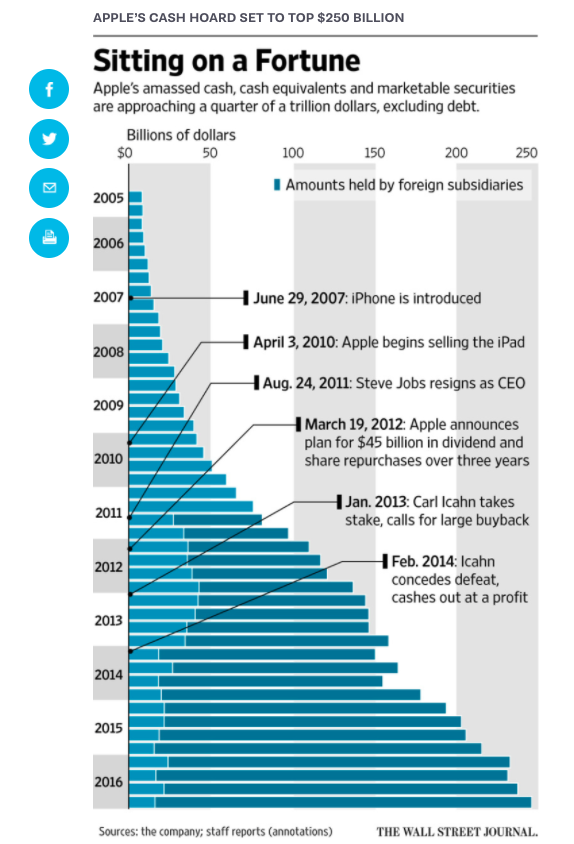
However, the raw number is only the beginning of the story. In the world of high-stakes corporate finance, “cash” is a multifaceted concept. To understand Apple’s financial dominance, one must look beyond the headline figure and examine the company’s capital allocation strategy, its “net cash neutral” goal, and how it leverages its massive balance sheet to maintain an iron grip on the technology sector.
The Composition of the Vault: Cash, Equivalents, and Securities
When people speak of Apple’s “cash,” they are rarely referring to physical currency sitting in a vault at Apple Park. Instead, they are looking at a sophisticated portfolio of highly liquid assets managed with the precision of a top-tier investment bank.
Defining Cash and Marketable Securities
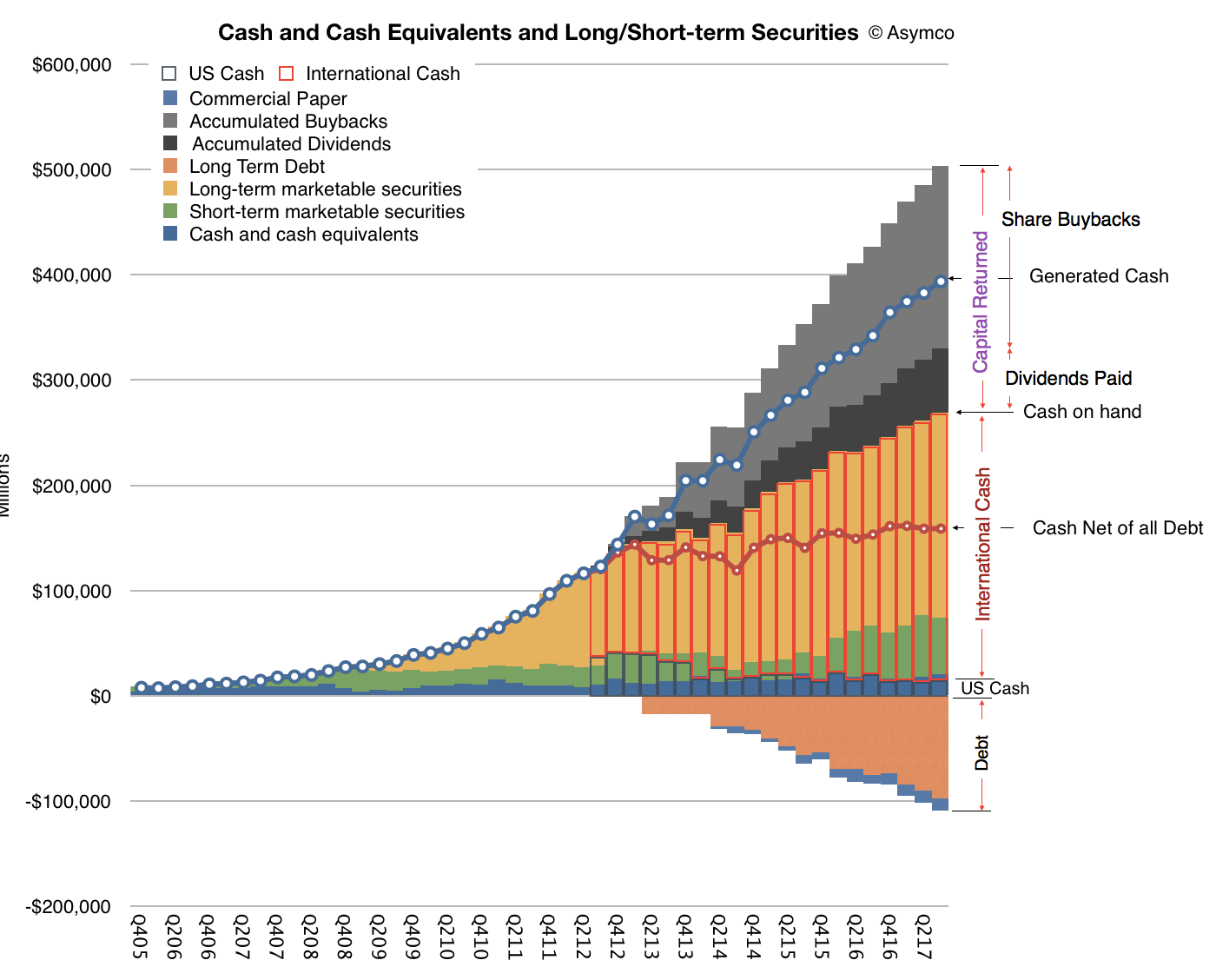
Apple’s total cash pile is generally divided into three categories: cash and cash equivalents, short-term marketable securities, and long-term marketable securities. Cash equivalents include items like commercial paper and money market funds. Marketable securities, however, make up the bulk of the hoard. These are primarily low-risk investments such as corporate debt, U.S. Treasury securities, and municipal bonds. By keeping its wealth in these vehicles, Apple ensures that its money is working—earning interest and dividends—while remaining liquid enough to be accessed at a moment’s notice.
The “Net Cash Neutral” Objective
Despite having over $160 billion in gross cash, Apple’s management team, led by CFO Luca Maestri, has a specific long-term target: becoming “net cash neutral.” In corporate finance terms, this means the company aims to have its total cash equal its total debt. As of the current cycle, Apple carries approximately $100 billion to $110 billion in total debt. This debt isn’t a sign of weakness; rather, it is a strategic tool. Apple frequently issues low-interest bonds to fund its operations and shareholder returns, even while holding massive cash reserves, because it is often more tax-efficient and cheaper than repatriating or liquidating its own capital.
Geographical Distribution and Tax Strategy
Historically, a significant portion of Apple’s cash was held overseas to avoid the high U.S. corporate tax rates that applied to repatriated earnings. Following the 2017 Tax Cuts and Jobs Act, Apple began a massive repatriation process, moving hundreds of billions back to the United States. This shift fundamentally changed how Apple manages its liquidity, allowing for more aggressive domestic investment and shareholder distribution programs that were previously hindered by the old tax code.
Capital Allocation: How Apple Spends Billions
A company does not reach a $3 trillion market capitalization simply by hoarding money. Apple’s success is rooted in its disciplined approach to spending. Every dollar is accounted for in a hierarchy of priorities that balances internal growth with external rewards for those who own the stock.
Research, Development, and Capital Expenditures
Before a single dollar is returned to shareholders, Apple reinvests in itself. The company spends roughly $30 billion annually on Research and Development (R&D). In the context of business finance, this is the “fuel” for future revenue. Whether it is the development of custom silicon (the M-series chips) or the exploration of spatial computing with the Vision Pro, Apple’s cash allows it to outspend almost any competitor. Furthermore, Apple uses its cash to secure its supply chain, often making multi-billion-dollar pre-payments to suppliers to guarantee the delivery of components like OLED screens or advanced sensors.
The Strategic M&A Philosophy
Unlike its peers in Big Tech—such as Microsoft, which acquired Activision Blizzard for $69 billion, or Google—Apple rarely engages in “mega-mergers.” Instead, Apple uses its cash for “tuck-in” acquisitions. These are smaller purchases of startups and technology firms, typically valued between $100 million and $1 billion, that provide specific patents or engineering talent. The $3 billion acquisition of Beats Electronics in 2014 remains its largest to date. This disciplined M&A strategy prevents the “cultural indigestion” that often follows massive mergers and ensures that every acquisition serves a direct product goal.
Operations and Global Infrastructure
Running a global empire requires immense operational liquidity. Apple’s cash supports a vast network of retail stores, data centers for iCloud services, and corporate offices across every continent. The ability to fund these high-overhead operations through internal cash flow—rather than relying on external lines of credit—gives Apple an unparalleled level of stability during economic downturns or periods of high interest rates.
The Shareholder Return Program: Buybacks and Dividends
For investors, the most exciting part of Apple’s cash story is how that money finds its way back into their pockets. Apple runs what is arguably the most aggressive shareholder return program in corporate history.
The Power of Share Repurchases (Buybacks)
Over the past decade, Apple has spent more than $600 billion on share buybacks. To put that in perspective, that amount is greater than the total market value of most companies in the S&P 500. By buying back its own stock, Apple reduces the total number of shares outstanding. For the remaining shareholders, this increases their proportional ownership of the company and boosts earnings per share (EPS), even if total net income remains flat. This strategy has been a primary driver of Apple’s soaring stock price, making it a favorite for institutional investors and pension funds.
Consistent Dividend Growth
While the dividend yield may seem modest compared to “utility” stocks, Apple is a “Dividend Contender,” having increased its payout every year since it was reinstated in 2012. Apple currently pays out billions in dividends every quarter. For the company, this is a way to attract a different class of investors—those looking for steady, reliable income rather than just capital appreciation. The cash pile ensures that even in a “bad” year, the dividend is never in jeopardy, providing a psychological floor for the stock price.
The Balancing Act: Debt vs. Cash
Critics sometimes ask why Apple takes on debt while having so much cash. The answer lies in the cost of capital. When interest rates were historically low, Apple could borrow money at 2% or 3% while its own cash, invested in the market or through R&D, generated much higher returns. This “financial engineering” is a hallmark of Apple’s treasury department, allowing them to optimize the balance sheet to maximize shareholder value while maintaining enough liquidity to pivot during a crisis.
Risks, Regulations, and the Future of the Fortress
No amount of cash can insulate a company entirely from external risks. Apple’s financial position, while enviable, also makes it a target for regulators and a victim of its own scale.
The Threat of Regulatory Fines and Antitrust
In recent years, Apple has faced increasing pressure from the European Union and the U.S. Department of Justice. Large cash reserves make it easier for regulators to levy record-breaking fines. For instance, the EU’s €1.8 billion fine regarding Spotify and music streaming, or the ongoing battles over App Store commissions, represent direct threats to Apple’s cash flow. While $1.8 billion is a “drop in the bucket” for Apple, the cumulative effect of global regulatory shifts could force the company to change its highly profitable business models.
Inflation and the Opportunity Cost of Cash
In a high-inflation environment, holding large amounts of cash or low-yield bonds can be a liability. If inflation sits at 4% and Apple’s marketable securities are only yielding 3%, the company is effectively losing purchasing power on its billions. This forces the treasury team to be more aggressive in their investment choices or to accelerate the “net cash neutral” plan by returning money to shareholders faster than originally planned.

The Scale Challenge: Where Does the Next Billion Come From?
The ultimate challenge for a company with Apple’s cash reserves is the law of large numbers. To grow a $100 billion revenue stream by 10% requires an additional $10 billion in sales—the equivalent of a Fortune 500 company’s entire annual revenue. Apple’s cash allows it to take “moonshot” bets, like the decade-long (and ultimately canceled) Project Titan electric car. While the car project didn’t result in a product, the ability to spend billions on “failed” R&D without impacting the core business is a luxury only Apple can afford.
In conclusion, Apple’s $160+ billion cash pile is more than just a savings account; it is a strategic weapon. It provides the security to innovate, the power to reward shareholders, and the resilience to weather any economic storm. As Apple continues its march toward a “net cash neutral” position, the world will be watching to see how the most valuable company in history chooses to deploy its unparalleled wealth in an ever-changing global economy.
aViewFromTheCave is a participant in the Amazon Services LLC Associates Program, an affiliate advertising program designed to provide a means for sites to earn advertising fees by advertising and linking to Amazon.com. Amazon, the Amazon logo, AmazonSupply, and the AmazonSupply logo are trademarks of Amazon.com, Inc. or its affiliates. As an Amazon Associate we earn affiliate commissions from qualifying purchases.