
Purchasing a car is often one of the most significant financial decisions an individual makes, second only to buying a home. For most, this requires securing a car loan, and the burning question that invariably arises is: “How much car loan can I actually get approved for?” Navigating the complexities of auto financing can feel daunting, with a myriad of factors influencing a lender’s decision. Fortunately, modern financial tools, particularly the car loan approval calculator, have emerged as invaluable resources, empowering consumers to approach this process with clarity and confidence. This guide will delve into the intricacies of car loan approval, explore the utility of these calculators, and equip you with strategies to secure the best possible financing for your next vehicle.
Understanding the Landscape of Car Loan Approval
Before you even start browsing vehicles, it’s crucial to understand the criteria lenders use to assess your creditworthiness. They aren’t just looking at your ability to pay; they’re evaluating the risk associated with lending you money. A comprehensive understanding of these factors is the first step toward estimating your potential approval amount.
Key Factors Lenders Evaluate
Lenders typically focus on a combination of financial indicators to determine your eligibility and the terms of your car loan. These are often distilled into what’s known as the “5 Cs of Credit”: Character, Capacity, Capital, Collateral, and Conditions. In simpler terms, they look at your past payment history, your current income and existing debts, any assets you possess, the value of the car you intend to purchase, and the prevailing economic conditions. Your credit score, income stability, debt-to-income ratio, and down payment are among the most tangible elements. Each plays a pivotal role in shaping the lender’s decision.
The Importance of Your Credit Score
Your credit score is arguably the single most important determinant in car loan approval. It’s a numerical representation of your credit history, reflecting your reliability in repaying debts. Scores typically range from 300 to 850, with higher scores indicating lower risk to lenders. A good to excellent credit score (generally 670 and above) not only increases your chances of approval but also unlocks access to lower interest rates and more favorable loan terms. Conversely, a poor credit score might lead to higher interest rates, stricter terms, or even denial of the loan. Lenders use various scoring models, but FICO and VantageScore are the most common. Regularly checking your credit score and report for inaccuracies is a proactive step toward better financing.
Income, Debt, and Down Payment: The Financial Triangle
Beyond your credit score, lenders scrutinize your financial capacity to handle new debt. Your income provides the basis for repayment, while your existing debts paint a picture of your current financial obligations. The debt-to-income (DTI) ratio is a critical metric here, calculated by dividing your total monthly debt payments by your gross monthly income. Lenders prefer a DTI ratio below 43%, as it suggests you have sufficient disposable income to manage additional payments.
A significant down payment also plays a crucial role. By putting money down upfront, you reduce the amount you need to borrow, which in turn lowers your monthly payments and the total interest paid over the life of the loan. A larger down payment also signals financial stability to lenders, reducing their risk and sometimes leading to better loan offers. Moreover, it helps avoid becoming “upside down” on your loan, where you owe more than the car is worth, especially common with rapid vehicle depreciation.
The Power of a Car Loan Approval Calculator
In an age where information is power, the car loan approval calculator stands out as an indispensable tool. It takes the guesswork out of understanding your potential borrowing power, providing a realistic estimate before you even step foot in a dealership or apply for a loan.
What a Calculator Can Tell You
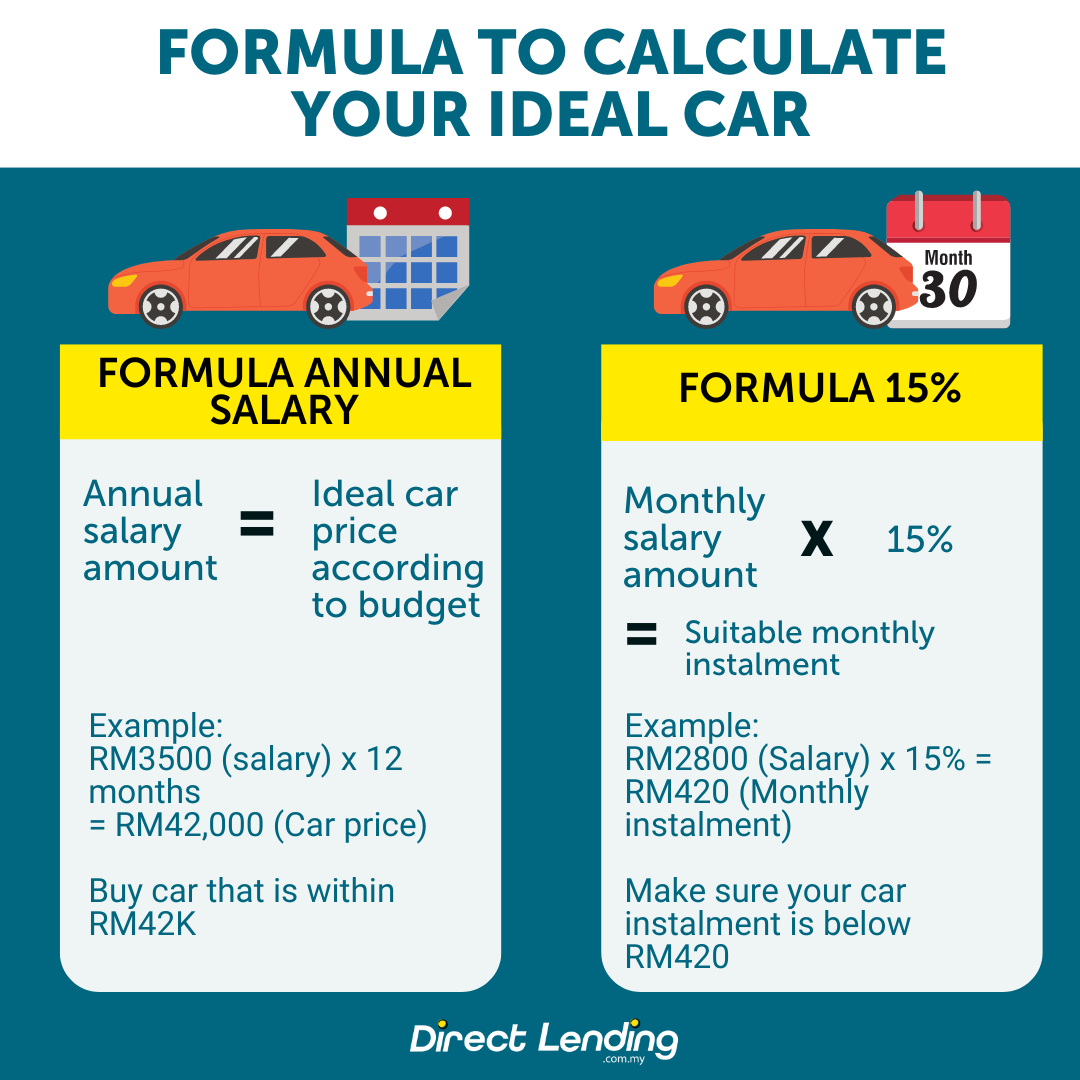
A well-designed car loan approval calculator can offer several crucial insights. Firstly, it provides an estimated maximum loan amount you might qualify for, based on the information you input. This immediately gives you a budget ceiling for your car search. Secondly, it can project your potential monthly payments for different loan amounts, terms, and interest rates, helping you understand the affordability of various options. Some advanced calculators can even factor in a trade-in value, down payment, and even estimated taxes and fees, offering a holistic view of your financial commitment. This predictive capability allows you to tailor your expectations and avoid applying for loans you’re unlikely to get, thus preventing unnecessary hard inquiries on your credit report.
Inputs Required for Accurate Estimates
To deliver accurate estimates, a car loan approval calculator requires specific pieces of information from you. While the exact inputs can vary slightly between different tools, common requirements include:
- Your Credit Score Range: Since lenders often tier their interest rates based on credit scores, providing an accurate range (e.g., excellent, good, fair) is vital.
- Gross Monthly Income: Your income before taxes and deductions.
- Total Monthly Debt Payments: This includes mortgage/rent, credit card minimums, student loan payments, personal loans, etc.
- Desired Loan Term: The number of months you wish to pay back the loan (e.g., 36, 48, 60, 72 months). Longer terms often mean lower monthly payments but more interest paid over time.
- Desired Down Payment: How much cash you plan to put down.
- Estimated Interest Rate: While the calculator can often provide a default or range based on your credit score, knowing typical rates can refine the estimate.
The more precise your inputs, the closer the calculator’s estimate will be to reality. It’s always best to use real numbers from your financial statements for the most reliable outcome.
Beyond the Numbers: Interpreting Calculator Results
While a calculator provides concrete figures, interpreting these results thoughtfully is equally important. The estimated approval amount is not a guarantee but rather a strong indication. It serves as a starting point for your budget. If the calculator suggests you can be approved for a certain amount, but the monthly payments feel too high for your comfort level, you might need to reconsider your budget, extend the loan term (with caution), or increase your down payment.
Also, remember that the calculator doesn’t account for every single nuance of a lender’s underwriting process. Factors like employment history stability, residency stability, and the specific vehicle’s age and mileage (for collateral assessment) can still influence the final decision. Use the calculator as a guide, but always be prepared for slight variations in actual offers. It’s a tool for estimation and planning, not a binding commitment from a lender.
Strategies to Maximize Your Car Loan Approval Potential
Understanding the factors and leveraging a calculator are excellent starting points, but proactive strategies can significantly enhance your chances of securing a favorable car loan.
Improving Your Financial Profile
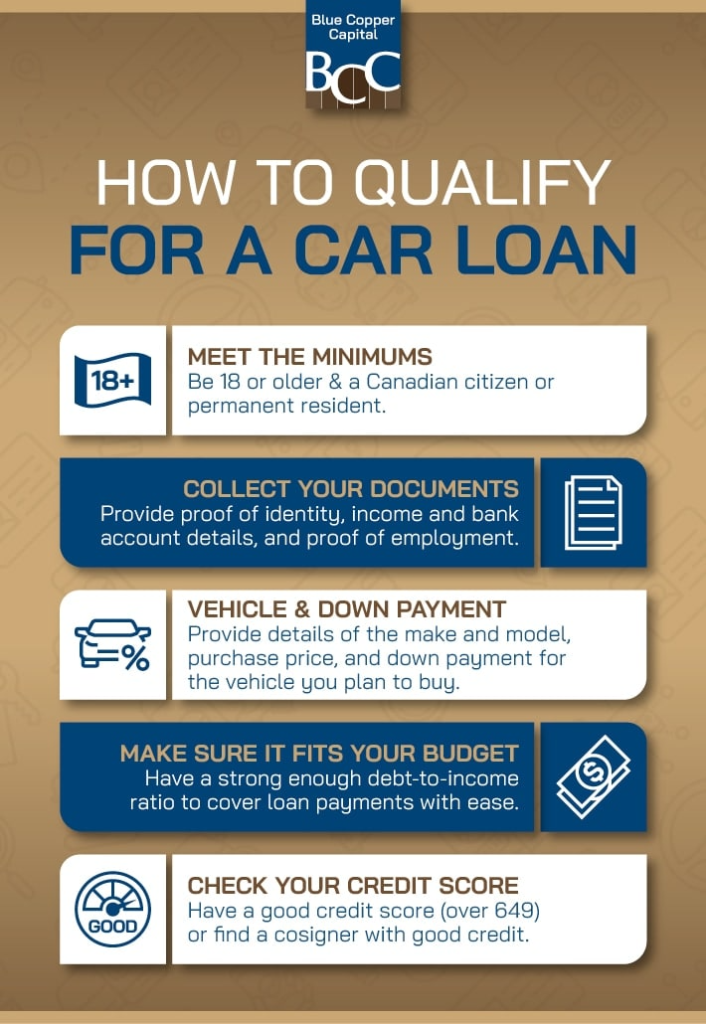
Before applying for a car loan, take steps to strengthen your financial standing. Prioritize improving your credit score by paying bills on time, reducing existing credit card balances, and avoiding new credit applications. If your DTI ratio is high, consider paying down other debts to free up more of your income. Increasing your income, even temporarily, can also bolster your application. If you have minimal credit history, consider securing a secured credit card or a small credit-builder loan to establish a positive payment track record.
Researching Loan Options and Lenders
Don’t settle for the first loan offer you receive, especially at the dealership. Research various lenders, including banks, credit unions, and online auto lenders. Credit unions often provide competitive interest rates, while online lenders can offer quick pre-approvals and convenient processes. Compare interest rates, loan terms, fees, and customer service reviews. Getting pre-approved from multiple lenders within a short timeframe (usually 14-45 days, depending on the credit scoring model) counts as a single inquiry on your credit report, allowing you to shop for the best rates without further damaging your score. This “rate shopping” strategy is crucial for securing the most advantageous terms.
The Role of a Co-signer or Trade-in
If you have a lower credit score or limited income, a co-signer with excellent credit can significantly boost your approval chances and potentially secure a better interest rate. A co-signer essentially guarantees the loan, taking on legal responsibility for repayment if you default. However, this is a serious commitment for the co-signer, impacting their credit if payments are missed.
Alternatively, if you own a car outright or have significant equity in your current vehicle, using it as a trade-in can function similarly to a down payment. The trade-in value reduces the amount you need to borrow, which can improve your DTI ratio and lower your monthly payments, making your application more appealing to lenders. Ensure you research your car’s trade-in value before heading to the dealership to ensure fair compensation.
Navigating the Application Process with Confidence
Once you’ve done your homework and optimized your financial profile, the actual loan application process becomes much smoother.
Gathering Necessary Documentation
Lenders will require various documents to verify your identity, income, and residency. Be prepared to provide:
- Proof of Identity: Driver’s license or state ID.
- Proof of Income: Recent pay stubs, W-2 forms, or tax returns for self-employed individuals.
- Proof of Residence: Utility bill or lease agreement.
- Social Security Number: For credit checks.
- Vehicle Information: If you’ve already chosen a specific car, details like VIN, make, model, and mileage will be needed.
Having these documents ready will expedite the application process and prevent unnecessary delays.
Understanding Pre-approval vs. Final Approval
Many lenders offer pre-approval, which is a conditional offer of financing based on a preliminary review of your credit and financial information. It gives you an estimate of how much you can borrow and at what interest rate, empowering you to shop for a car with a clear budget. Pre-approvals are incredibly valuable as they allow you to negotiate with dealerships as a cash buyer, focusing on the car’s price rather than agonizing over financing.
Final approval, however, only comes after the lender has verified all your submitted documents, conducted a hard credit inquiry, and appraised the specific vehicle you intend to purchase. While a pre-approval is a strong indicator, it’s not a 100% guarantee until all conditions are met and the final paperwork is signed.
Avoiding Common Car Loan Pitfalls
Be wary of common traps. Avoid extending loan terms excessively (e.g., 84 months) just to lower monthly payments, as this dramatically increases the total interest paid and puts you at higher risk of being upside down on your loan. Scrutinize all fees, including origination fees, documentation fees, and optional add-ons like extended warranties or GAP insurance, which can inflate the loan amount. While some add-ons may be beneficial, ensure they are necessary and priced fairly. Always read the fine print before signing any loan agreement. Never feel pressured to sign on the spot; take the time to review the offer thoroughly or seek independent advice.
Making the Best Decision for Your Budget
Ultimately, the goal is not just to get approved for a car loan, but to get approved for a car loan that fits comfortably within your financial means and helps you achieve your transportation goals without undue stress.
Balancing Affordability and Desired Vehicle
It’s tempting to stretch your budget for a dream car, but true financial wisdom lies in balancing your desires with what you can genuinely afford. Use the car loan calculator to play with different scenarios. Could you afford the car you want if you put down a larger down payment? What if you considered a slightly older model or a different trim level? Remember that a car’s true cost extends beyond the monthly loan payment; factor in insurance, fuel, maintenance, and potential repairs. Creating a detailed monthly budget that includes these costs will help you determine a sustainable car payment.
The Long-Term Impact of Your Loan Choices
Every decision you make regarding your car loan—the amount, the term, the interest rate—has long-term financial implications. A higher interest rate or a longer loan term means you’ll pay significantly more over the life of the loan. This additional money could otherwise be used for savings, investments, or other financial goals. Choose a loan structure that minimizes total interest paid while maintaining manageable monthly payments, ideally paying off the car before its major depreciation sets in.

Continuous Monitoring and Future Refinancing
Even after you’ve secured your car loan, your financial journey isn’t over. Monitor your credit score regularly and continue making on-time payments. If your credit score significantly improves, or if interest rates drop, consider refinancing your car loan. Refinancing can potentially lower your interest rate, reduce your monthly payments, or shorten your loan term, saving you money and accelerating your debt repayment. Stay informed about market conditions and your own financial health to capitalize on future opportunities.
In conclusion, understanding “how much car loan can I get approved for” is a multifaceted question with a clear answer pathway. By diligently preparing your financial profile, leveraging the power of a car loan approval calculator, researching lenders, and making informed decisions, you can confidently navigate the auto financing landscape and drive away with a vehicle that not only meets your needs but also aligns perfectly with your financial well-being.
aViewFromTheCave is a participant in the Amazon Services LLC Associates Program, an affiliate advertising program designed to provide a means for sites to earn advertising fees by advertising and linking to Amazon.com. Amazon, the Amazon logo, AmazonSupply, and the AmazonSupply logo are trademarks of Amazon.com, Inc. or its affiliates. As an Amazon Associate we earn affiliate commissions from qualifying purchases.