
Navigating the complexities of Social Security benefits while considering continued employment is a crucial financial decision for millions of Americans. Many individuals reach a point where they are eligible for Social Security but still desire or need to work, leading to a common and critical question: “How much can I make without affecting my benefits?” The answer isn’t always straightforward, as it depends on several factors, including your age, the type of income you earn, and the specific Social Security rules in place for that year. Understanding these intricacies is vital for effective financial planning, ensuring you maximize your overall income without inadvertently reducing the benefits you’ve earned throughout your working life. This comprehensive guide will demystify the earnings limits, explain how they work, and offer strategies to help you make informed decisions about working while receiving Social Security.
Understanding Social Security’s Earnings Limit
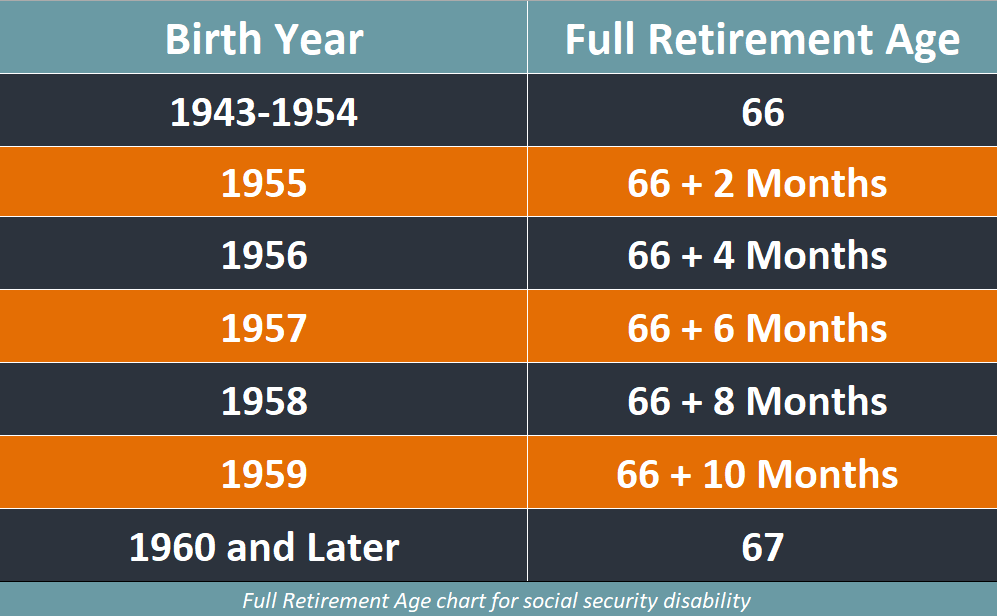
The Social Security Administration (SSA) imposes an “earnings limit” on beneficiaries who work while also collecting retirement or survivor benefits. This limit is designed to ensure that benefits primarily support those who are fully retired or significantly reducing their work hours. However, it’s a common misconception that any income will reduce your benefits. The rules are more nuanced and depend heavily on your age relative to your Full Retirement Age (FRA).
How the Earnings Limit Works
When you earn above a certain annual threshold, the SSA will withhold a portion of your Social Security benefits. The amount withheld and the threshold itself vary based on whether you are under your Full Retirement Age (FRA), or if you will reach your FRA during the year. Once you reach your FRA, these limits disappear entirely, and you can earn as much as you like without any reduction in your Social Security benefits.
What Counts as “Earned Income”?
Crucially, not all income is subject to the Social Security earnings limit. The limit only applies to earned income. This typically includes:
- Wages from an employer (salary, bonuses, commissions).
- Net earnings from self-employment (profit after deducting business expenses).
Income sources that generally do not count towards the earnings limit include:
- Pensions and annuities
- Investment income (interest, dividends, capital gains)
- Government or military retirement benefits
- Disability benefits (other than Social Security disability benefits, which have their own rules)
- Rental income (unless it’s from a business)
This distinction is critical. A retiree with substantial investment income might not face any benefit reductions, while another earning the same total income from wages could see their Social Security checks reduced.
The Benefit Withholding Mechanism
The SSA uses specific formulas to determine how much to withhold:
- Before the year you reach FRA: For every $2 you earn over the annual limit, $1 is withheld from your benefits.
- In the year you reach FRA: For every $3 you earn over a higher annual limit (but only for earnings before the month you reach FRA), $1 is withheld from your benefits.
It’s important to note that any benefits withheld due to exceeding the earnings limit are not lost forever. When you reach your FRA, the SSA will recalculate your benefit amount to account for the withheld benefits, effectively giving you credit for them by increasing your future monthly payments. This adjustment is an important feature that many beneficiaries overlook.
Annual Adjustments to the Limit
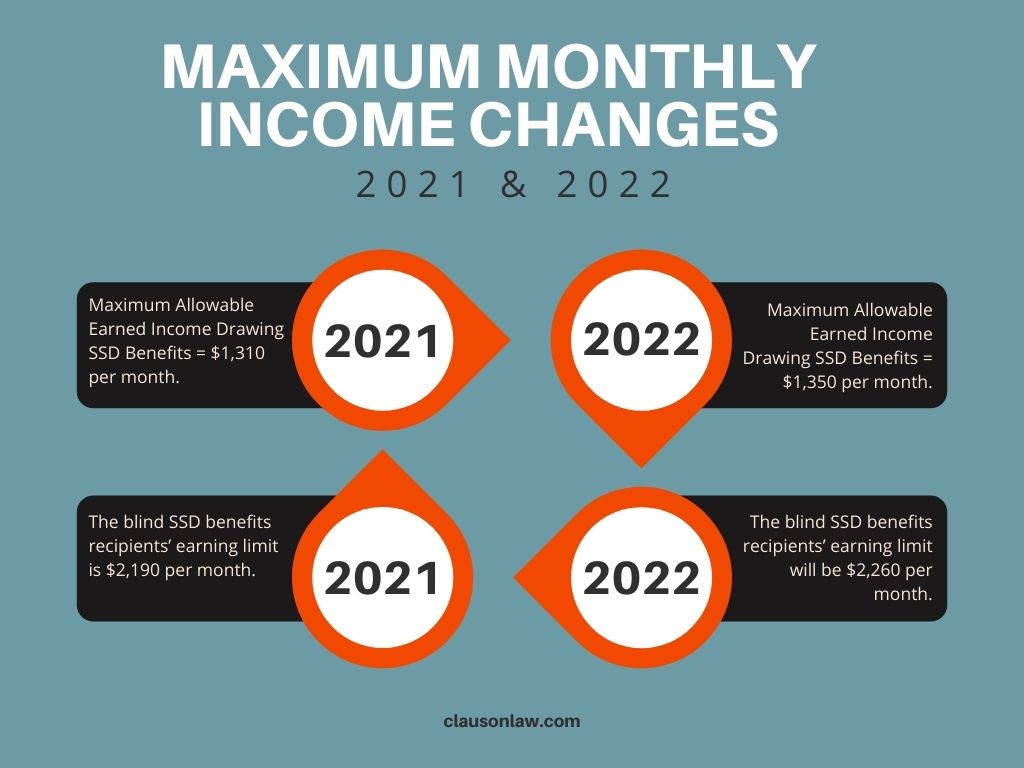
The earnings limits are not static; they are adjusted annually to keep pace with changes in the national average wage index. These adjustments mean that the specific thresholds will vary from year to year. It’s essential to check the official Social Security Administration website or consult with their representatives for the most current figures applicable to your situation.
The Impact of Age on Earning Limits
Your age is the single most significant factor in determining how working will affect your Social Security benefits. The rules are distinctly different depending on whether you are younger than, in the year of, or older than your Full Retirement Age (FRA).
Earning While Under Full Retirement Age (FRA)
If you begin receiving Social Security retirement or survivor benefits before your FRA and continue to work, you will be subject to the lower annual earnings limit. For instance, in 2024, this limit was $22,320. If you earn more than this, $1 in benefits will be withheld for every $2 you earn above the limit. This can lead to a significant portion of your benefits being withheld if your earned income is substantially above the threshold. This rule acts as a strong disincentive for those significantly below FRA to work full-time while claiming benefits.
The Year You Reach Full Retirement Age
The rules change for the calendar year in which you reach your FRA. In this specific year, a higher earnings limit applies, and the withholding rate is less stringent. For example, in 2024, this limit was $59,520. For earnings before the month you reach your FRA, $1 in benefits will be withheld for every $3 you earn above this higher limit. Once you reach your FRA month, the earnings limit disappears entirely, and your earnings from that month onward will not affect your benefits. This transitional period often requires careful planning to optimize income.
Earning At or After Full Retirement Age
This is where the game changes entirely. Once you reach your Full Retirement Age (FRA), the earnings limit is completely removed. You can earn as much as you want from wages or self-employment, and your Social Security retirement or survivor benefits will not be reduced. This is a critical piece of information for financial planning, as it allows individuals to supplement their Social Security income with unlimited earned income without penalty, effectively creating a powerful financial safety net. This freedom from earnings limits is one of the primary reasons many individuals choose to delay claiming benefits until their FRA or even later.
The “Retirement Test” Explained
The earnings limit is sometimes referred to as the “retirement test.” Its purpose is to test whether you are indeed “retired” or have significantly reduced your work activity. If your earnings exceed the specified limits, the SSA deems that you haven’t fully retired, and your benefits are adjusted accordingly. However, as discussed, this test ceases to apply once you reach your FRA. For those claiming benefits early, understanding and planning around this test is crucial to avoid unexpected reductions in their monthly payments.
Strategies for Maximizing Income While Receiving Benefits

Navigating the Social Security earnings limits requires strategic planning. By understanding the rules, you can make informed decisions that maximize your combined income from work and benefits.
Strategic Timing of Social Security Claims
One of the most impactful strategies involves the timing of your Social Security claim.
- Delaying to FRA or beyond: If you anticipate continuing to work and earn above the annual limits, especially close to your FRA, it might be more beneficial to delay claiming Social Security until you reach your FRA. This avoids any benefit withholding and allows your benefits to grow by earning delayed retirement credits, resulting in a higher monthly payment for life.
- Claiming early and monitoring income: If you claim benefits before FRA, carefully monitor your earned income. If you expect to exceed the limit, you might consider adjusting your work hours or deferring certain income to a later year, if possible, to avoid or minimize benefit reductions. Remember, withheld benefits are not truly lost; they lead to an upward adjustment in your benefit amount later.
The Value of Continuing to Work
Despite the earnings limits, continuing to work can still be highly beneficial:
- Increased Lifetime Earnings: Even if some benefits are temporarily withheld, your overall financial picture might be stronger due to your earned income. This income can cover daily expenses, allow for savings, or fund leisure activities.
- Higher Future Benefits: Any earnings after you start receiving benefits can be used by the SSA to recalculate your benefit amount. Social Security uses your 35 highest-earning years to calculate your benefit. If your current earnings are higher than some of your past low-earning years, your future benefit could increase.
- Delayed Retirement Credits: If you work beyond your FRA and delay claiming benefits, you earn delayed retirement credits. These credits increase your monthly benefit by a certain percentage for each year you delay, up to age 70. This can significantly boost your lifetime Social Security income.
Considering Self-Employment vs. Traditional Employment
The type of employment can also influence your strategy. For self-employed individuals, there’s sometimes more flexibility in how and when income is recognized.
- Controlling Income Flow: Self-employed individuals may have some control over when they bill clients or recognize income, which could allow them to manage their net earnings from self-employment to stay below the annual limits, especially in the year they are nearing their FRA.
- “Substantial Services” Test: For self-employed individuals, the SSA also considers whether you’re performing “substantial services” in your business. Even if your net earnings are low, if you’re working more than 45 hours a month in your business, the SSA might still consider you fully “working” and apply the retirement test, though this is less common than strict earnings limits.
The Power of Deferred Retirement Credits
If you claim Social Security benefits before your FRA and some benefits are withheld because of your earnings, those withheld benefits will eventually be credited back to you. When you reach your FRA, the SSA will recalculate your benefit amount. They don’t just add back the withheld money; they increase your monthly benefit payment for the rest of your life as if you had claimed your benefits later. This is an important consideration that mitigates the perceived “loss” of benefits due to the earnings test.
Beyond Earned Income: Other Considerations
While earned income is the primary focus of the earnings limit, a holistic financial plan must consider all sources of income and their potential tax implications.
Income Sources Not Subject to the Limit
It is crucial to remember that the Social Security earnings limit applies only to earned income (wages and net self-employment earnings). Many other common forms of income do not affect your Social Security benefits:
- Investment Income: Dividends, interest, capital gains from selling stocks or property.
- Pensions and Retirement Account Withdrawals: Income from 401(k)s, IRAs, annuities, and traditional pension plans.
- Rental Income: Unless you are actively engaged in the real estate business.
- Gifted Income or Inheritances: These are not considered earned income.
- Social Security Benefits Themselves: Your Social Security benefits are not counted as earned income.
Understanding this distinction allows individuals to structure their post-retirement income streams strategically. For instance, someone could have a substantial investment portfolio generating significant passive income without any impact on their Social Security checks, even if they are well under FRA.
Social Security Taxation: What You Need to Know
While earning limits reduce benefits, taxation of benefits is another separate financial consideration. Depending on your “combined income,” a portion of your Social Security benefits may be subject to federal income tax.
- Combined Income Thresholds: Your combined income is defined as your Adjusted Gross Income (AGI) plus non-taxable interest plus one-half of your Social Security benefits.
- Tax Tiers:
- If your combined income is between $25,000 and $34,000 (for individuals) or $32,000 and $44,000 (for couples filing jointly), up to 50% of your benefits may be taxable.
- If your combined income exceeds $34,000 (individuals) or $44,000 (couples), up to 85% of your benefits may be taxable.
These thresholds are not adjusted for inflation, meaning more beneficiaries may find their benefits taxed over time. It’s essential to factor potential taxes into your overall income planning.
Reporting Your Earnings to the SSA
If you are receiving Social Security benefits and continue to work, you have a responsibility to report your estimated earnings to the SSA. This typically happens when you first apply for benefits and estimate your income for the year. If your actual earnings change significantly during the year, or if you stop working, you should inform the SSA promptly. Accurate reporting helps the SSA pay you the correct benefit amount and can prevent overpayments that would need to be repaid later. The SSA will periodically review your earnings against their records (e.g., W-2s, self-employment tax returns) and adjust your benefits if there’s a discrepancy.
Planning for Your Financial Future with Social Security
Social Security is a cornerstone of retirement planning, but it’s only one piece of the puzzle. Integrating your benefits with other income sources and understanding their interplay is vital for long-term financial security.
Holistic Financial Planning
Effective financial planning considers Social Security alongside all other assets and income streams:
- Retirement Accounts: 401(k)s, IRAs, and other defined contribution plans.
- Pensions: Any defined benefit plans from former employers.
- Savings and Investments: Personal savings, brokerage accounts, real estate.
- Other Income: Part-time work, self-employment, annuities.
A holistic approach helps you see the bigger picture, allowing you to optimize withdrawals, manage taxes, and ensure your money lasts throughout retirement. For instance, knowing you can supplement Social Security with income from a Roth IRA (which is tax-free in retirement) can be a powerful strategy.
The Role of Financial Advisors
Given the complexities of Social Security rules, taxation, and investment management, consulting a qualified financial advisor is often invaluable. An advisor can:
- Analyze your specific situation: Provide personalized guidance based on your age, health, marital status, income needs, and other assets.
- Optimize claiming strategies: Help you decide the best age to claim Social Security benefits to maximize your lifetime income.
- Integrate all income sources: Create a comprehensive retirement income plan that strategically combines Social Security, pensions, investments, and any earned income.
- Tax planning: Advise on strategies to minimize the taxation of your Social Security benefits and other retirement income.
A good advisor can help you navigate the nuances, especially concerning the earnings limit and its long-term impact on your benefits.
Staying Informed About Rule Changes
Social Security rules, particularly the annual earnings limits and combined income thresholds for taxation, can change. While the core structure tends to remain stable, Congress or the SSA may make adjustments. It is prudent to stay informed by checking the official SSA website (SSA.gov) annually or subscribing to financial news updates that cover Social Security topics. Proactive monitoring ensures your financial plan remains current and accurate, adapting to any shifts that might affect your benefits or earning potential.
In conclusion, how much you can make when on Social Security is a nuanced question with answers that profoundly impact your financial well-being. By understanding the earnings limits, the impact of your age, and employing smart financial strategies, you can effectively integrate work into your retirement years, maximize your income, and secure a comfortable financial future.
aViewFromTheCave is a participant in the Amazon Services LLC Associates Program, an affiliate advertising program designed to provide a means for sites to earn advertising fees by advertising and linking to Amazon.com. Amazon, the Amazon logo, AmazonSupply, and the AmazonSupply logo are trademarks of Amazon.com, Inc. or its affiliates. As an Amazon Associate we earn affiliate commissions from qualifying purchases.