
In the complex world of personal finance, especially when navigating significant financial commitments like mortgages, understanding all your options can lead to substantial long-term savings. One such option, often discussed but not always fully understood, is “buying down” your interest rate. This strategy involves paying an upfront fee to a lender in exchange for a lower interest rate on your loan. While it sounds straightforward, the decision to buy down your rate is a nuanced one, requiring careful calculation and a clear understanding of your financial goals and timeline. It’s not just about how much you can reduce your rate, but how much should you, and under what circumstances does it truly make financial sense? This article will delve into the mechanics, benefits, drawbacks, and critical considerations for anyone contemplating this powerful financial maneuver, ensuring you can make an informed decision tailored to your unique situation.

Understanding “Buying Down” Your Interest Rate: What Are Points?
At its core, buying down your interest rate is a transaction where you pay a premium to the lender to secure a more favorable interest rate. This premium is typically referred to in terms of “points.” To truly grasp the concept, it’s essential to define what these points represent and why lenders offer this option.
Defining Discount Points
A “point” in the context of a loan, particularly a mortgage, is a fee equal to one percent of the loan amount. For example, on a $400,000 mortgage, one point would cost you $4,000. These points come in two primary forms: origination points and discount points. Origination points are fees charged by the lender for processing your loan application and are essentially compensation for their services. Discount points, on the other hand, are specifically paid to reduce the interest rate on your loan. Each discount point you pay upfront lowers the interest rate by a certain percentage, which can vary significantly between lenders and market conditions. For instance, paying one point might reduce your rate by 0.25%, while two points could drop it by 0.5% or more. The exact reduction percentage is determined by the lender and is often negotiable.
The Rationale Behind Rate Buy-Downs
From a lender’s perspective, offering discount points allows them to receive a portion of their interest income upfront. This can help them manage their cash flow, reduce their long-term risk on a loan, and potentially offer more competitive rates. For borrowers, the primary motivation is clear: to save money over the life of the loan by securing a lower interest rate, which translates to lower monthly payments and reduced total interest paid. While most commonly associated with mortgages due to the significant sums involved and long loan terms, the concept of paying points can technically apply to other types of loans, such as auto loans or personal loans, though the impact and availability might be less pronounced. The longer the loan term and the larger the principal, the more impactful buying down the rate becomes.
Factors Influencing the Cost and Effectiveness of Points
The cost of discount points and their effectiveness in reducing your interest rate are not static; they are influenced by several dynamic factors. Current market interest rates play a significant role; when rates are generally high, the incentive to buy down becomes stronger, and lenders may adjust the cost of points accordingly. Each lender will also have its own specific policies regarding how many points can be purchased and what reduction each point offers. The type of loan matters too—fixed-rate mortgages often see the most direct benefit from points, as the rate reduction is permanent for the loan’s duration, whereas adjustable-rate mortgages (ARMs) might offer less predictable long-term savings. Finally, your individual financial profile, including your credit score and debt-to-income ratio, can influence the rates offered, potentially impacting the value proposition of buying down. A borrower with excellent credit might already qualify for a very low rate, making the additional cost of points less appealing.
The Mechanics of Discount Points: How It Works
Understanding the fundamental definition of discount points is just the first step. To effectively evaluate this financial tool, it’s crucial to delve into the practical mechanics of how these points translate into real-world savings and the various ways they can be financed.
How Points Translate to Rate Reduction
When a lender quotes you an interest rate, they typically also provide options for purchasing discount points. For example, a lender might offer a 7% interest rate with no points, or a 6.75% rate for one point, or a 6.5% rate for two points. Each point, representing 1% of the loan amount, buys down the interest rate by a specific percentage, which, as mentioned, can vary. Let’s consider a $500,000 mortgage. If the initial rate is 7% with zero points, and you choose to pay one point ($5,000), your rate might drop to 6.75%. This seemingly small reduction can lead to substantial savings over the loan’s lifetime. The key is to compare the various rate-and-point combinations offered by different lenders to find the most cost-effective option for your situation.
Funding Your Discount Points
There are primarily three ways to fund the cost of discount points:
- Paying Out of Pocket at Closing: This is the most common and often recommended method if you have the available cash. You simply pay the points along with other closing costs. The advantage here is that you’re not adding to your loan principal, meaning you’re not paying interest on the money you spent to lower your rate.
- Rolling Them Into the Loan (Not Recommended for Savings): In some cases, lenders might allow you to finance the cost of points by adding them to your loan principal. While this avoids an upfront cash outlay, it’s generally counterproductive if your goal is to save money. By rolling the points into the loan, you increase the total amount you borrow, and thus you’ll pay interest on the points themselves, effectively negating some of the savings you hoped to achieve from the lower rate. This option should be approached with extreme caution and usually only considered if upfront cash is a severe constraint and the long-term benefit still outweighs the increased principal.
- Seller Concessions: In a buyer’s market, or during specific negotiation scenarios, a seller might agree to pay a portion of your closing costs, which can include discount points. This is effectively a discount on the home’s purchase price that is directed towards reducing your interest rate. While less common in competitive markets, it’s a valuable negotiation tactic to explore.
Impact on Monthly Payments and Total Interest
The immediate and most tangible impact of buying down your interest rate is a reduction in your monthly mortgage payment. Using our $500,000 example:
- At 7% interest over 30 years, the principal and interest payment would be approximately $3,326.51.
- At 6.75% interest over 30 years (after paying one point), the principal and interest payment would drop to approximately $3,250.78.
This is a monthly saving of about $75.73. Over 30 years, this equates to a total interest saving of roughly $27,262.80. Comparing this saving to the $5,000 upfront cost of the point reveals the long-term financial benefit, assuming you keep the loan for its full term or at least past your break-even point. This calculation underscores the importance of carefully analyzing both the monthly savings and the total interest savings against the upfront investment.
Weighing the Pros and Cons: Is Buying Down Right for You?
The decision to buy down your interest rate is not universally beneficial; it depends heavily on your individual financial situation, future plans, and market conditions. A thorough analysis of the advantages and disadvantages is crucial before committing to this strategy.
The Advantages of Paying Points
The most significant and immediate benefit of paying discount points is significant long-term savings on interest. Over the life of a multi-decade mortgage, even a seemingly small reduction in the interest rate can translate into tens of thousands of dollars saved. This substantial saving directly leads to lower monthly payments, which improves your monthly cash flow. For many homeowners, a lower monthly payment can provide greater financial flexibility, allowing more room for other financial goals like saving, investing, or debt reduction.
Another potential advantage is tax deductibility. The IRS often allows you to deduct the cost of discount points paid on a mortgage for your primary residence. While typically deducted over the life of the loan, in some cases (e.g., for a new home purchase), the full amount may be deductible in the year you pay them. It’s important to consult with a tax professional to understand your specific eligibility. Finally, a lower interest rate can contribute to increased equity build-up in the early years of your mortgage. Since less of your monthly payment is going towards interest, a larger portion is applied to the principal, accelerating the growth of your home equity.
The Disadvantages and Risks
Despite the attractive benefits, there are several disadvantages and risks associated with paying points. The most obvious is the high upfront cost. Discount points require a significant cash outlay at closing, which reduces the funds available for other critical purposes like your down payment, emergency savings, or immediate home repairs. This can strain your liquidity, especially if your savings are already stretched thin.
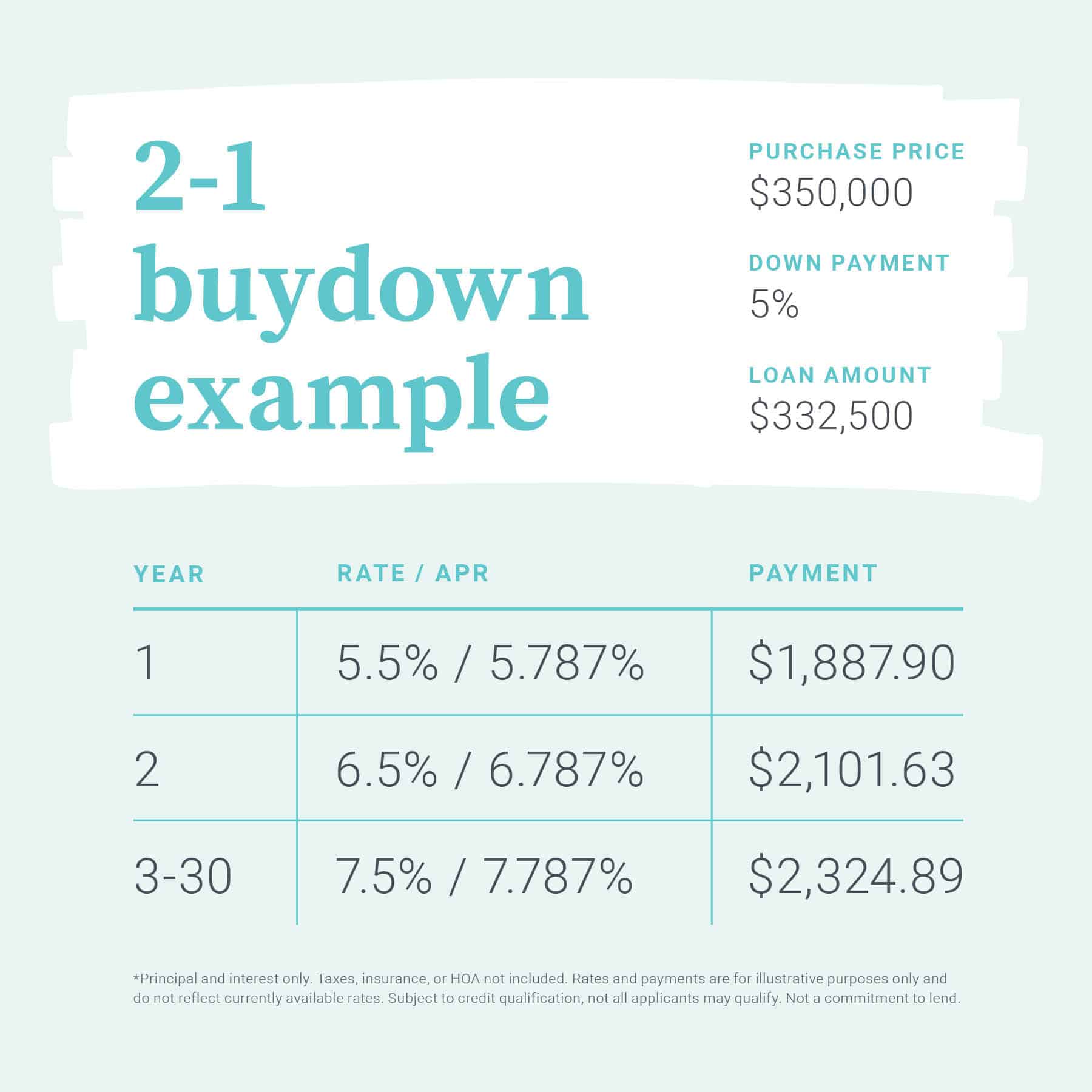
A major risk factor is the possibility of not reaching the break-even point. If you sell your home or refinance your mortgage before the cumulative monthly savings from the lower interest rate exceed the initial cost of the points, you will have essentially lost money on the transaction. For example, if it takes five years to break even, but you sell after three, you’ve overpaid. This makes your intended duration in the home a critical consideration.
Furthermore, there’s an opportunity cost of the upfront capital. The money you spend on discount points could potentially be invested elsewhere, perhaps in a savings account, stocks, or other assets, where it might yield a higher return or provide better liquidity. You must compare the guaranteed savings from buying down your rate against the potential returns from alternative investments. Lastly, if you choose to roll the points into your loan, it increases your principal, which can impact your debt-to-income ratio and, ironically, lead to paying interest on the points themselves, diminishing their cost-effectiveness.
Calculating Your Break-Even Point: When Does It Make Sense?
The cornerstone of making an informed decision about buying down your interest rate is calculating your “break-even point.” This crucial calculation tells you how long it will take for the savings from your lower monthly payment to recoup the initial cost of the discount points.
The Break-Even Formula
Calculating your break-even point is a straightforward process:
Break-Even Point (in months) = Total Cost of Discount Points / Monthly Savings on Principal & Interest
Let’s use a practical example: Suppose you have a $400,000 mortgage.
- Option A: 7.00% interest rate with no points. Monthly P&I payment: $2,661.18
- Option B: 6.75% interest rate with 1 point ($4,000). Monthly P&I payment: $2,597.55
Your monthly savings would be $2,661.18 – $2,597.55 = $63.63.
The total cost of the point is $4,000.
So, your break-even point is $4,000 / $63.63 ≈ 62.86 months.
This means it would take approximately 5 years and 3 months (63 months) for the cumulative savings on your monthly payment to cover the initial $4,000 you paid for the discount point. If you plan to stay in the home for longer than this period, paying the point is financially advantageous.
Key Factors in Your Calculation
Beyond the simple formula, several key factors profoundly influence whether buying down your rate is a wise decision:
- How Long You Plan to Stay in the Home: This is arguably the most critical factor. If your projected stay is shorter than your break-even point, you will lose money. Be realistic about your long-term plans for the property, considering potential job changes, family growth, or lifestyle shifts.
- Your Financial Liquidity: Do you have sufficient cash reserves to cover the cost of points without jeopardizing your emergency fund or other essential savings? If paying points would drain your liquidity, it might not be the best use of your capital, even if the long-term math seems favorable.
- Future Interest Rate Expectations: While impossible to predict with certainty, consider the general economic outlook. If you anticipate interest rates might fall significantly in the near future, you might decide against paying points, as you could potentially refinance to a lower rate later without the upfront cost. Conversely, in a rising rate environment, securing a lower rate now could be more appealing.
- Alternative Uses for Your Capital: What else could you do with the money you’d spend on points? Could it be invested with a higher return? Used to pay down high-interest debt? Allocated to a child’s education fund? Compare the guaranteed savings from the rate buy-down to the potential benefits of these alternative uses.
When Buying Down is Most Beneficial
Buying down your interest rate typically offers the most significant advantages under specific circumstances:
- Long-Term Homeownership: If you are confident you will live in the home for significantly longer than your break-even period, the long-term savings make the upfront investment worthwhile.
- High Interest Rate Environment: When prevailing interest rates are elevated, the reduction achieved by paying points translates into larger absolute savings per month, making the break-even point shorter and the overall benefit more pronounced.
- Ample Cash Reserves: If you have a healthy emergency fund and sufficient savings for your down payment and other closing costs, using excess cash for points can be a smart allocation of funds.
- Fixed-Rate Mortgages: For fixed-rate loans, the lower interest rate is locked in for the entire loan term, providing predictable and consistent savings. For ARMs, the benefit might only last during the initial fixed period, making the calculation more complex and potentially less rewarding.
Strategies for Maximizing the Benefit of Rate Buy-Downs
Once you’ve decided that buying down your interest rate aligns with your financial goals, there are several strategic approaches you can take to maximize the benefits and ensure you’re making the most effective use of your capital.
Comparing Lender Offers Diligently
One of the most critical steps in the mortgage process, regardless of whether you’re buying down your rate, is to shop around and compare offers from multiple lenders. Different lenders will have varying pricing structures for discount points. One lender might offer a 0.25% rate reduction for one point, while another might offer a 0.125% reduction for the same cost, or even structure their points differently. Look beyond just the headline interest rate and scrutinize the “rate sheet” or Loan Estimate provided by each lender, which clearly outlines the different interest rates available at various point costs (or “credits” if they pay you to take a higher rate). Pay close attention to the Annual Percentage Rate (APR), which provides a more comprehensive cost of borrowing by factoring in points and other fees over the life of the loan, allowing for an apples-to-apples comparison.
Evaluating Your Financial Horizon
Be brutally honest with yourself about your financial horizon and future plans. Life happens, and circumstances can change unexpectedly. While a 5-year break-even point might seem short today, consider potential job transfers, family growth, or market shifts that might prompt a move or refinancing sooner than anticipated. If there’s any significant doubt about staying in the home beyond your calculated break-even point, it might be wiser to forgo paying points and preserve your upfront cash. Furthermore, consider how a rate buy-down fits into your broader financial strategy. If you can afford a shorter loan term (e.g., a 15-year mortgage instead of 30), this often yields far greater interest savings than paying points on a longer term, provided the higher monthly payment is sustainable.
The Role of a Mortgage Professional
Navigating the intricacies of mortgage rates and discount points can be overwhelming. This is where a trusted mortgage professional – be it a loan officer or an independent mortgage broker – becomes an invaluable resource. They can help you run various scenarios, illustrate different rate-and-point combinations, and calculate precise break-even points based on your specific loan amount and desired term. An experienced professional can also offer insights into current market trends, anticipate future rate movements, and help you understand the fine print of each offer. Don’t hesitate to ask detailed questions and ensure you fully understand all the implications before making a decision. Their expertise can help you avoid costly mistakes and secure the most advantageous terms.
Reassessing Over Time
Even after you’ve closed on your mortgage and potentially bought down your rate, your financial journey isn’t over. The mortgage market is dynamic. Keep an eye on prevailing interest rates. If rates drop significantly below your current rate, even the one you paid points to secure, it might be worth exploring refinancing options. While refinancing involves new closing costs, including potentially more points, the long-term savings from an even lower rate could outweigh these new expenses. Regularly reassessing your mortgage situation ensures you’re always aligned with the best possible financial strategy for your homeownership goals.
In conclusion, buying down your interest rate is a powerful financial tool that can lead to substantial savings over the life of a loan. However, it’s not a one-size-fits-all solution. A meticulous understanding of discount points, a careful calculation of your break-even point, and an honest assessment of your financial liquidity and long-term plans are paramount. By diligently comparing offers, leveraging professional advice, and strategically planning, you can effectively determine not just how much you can buy down your interest rate, but how much you should to align with your personal financial success.
aViewFromTheCave is a participant in the Amazon Services LLC Associates Program, an affiliate advertising program designed to provide a means for sites to earn advertising fees by advertising and linking to Amazon.com. Amazon, the Amazon logo, AmazonSupply, and the AmazonSupply logo are trademarks of Amazon.com, Inc. or its affiliates. As an Amazon Associate we earn affiliate commissions from qualifying purchases.