
In the rapidly evolving landscape of personal finance, digital payment applications like Cash App have become indispensable tools for managing day-to-day transactions. From splitting dinner bills with friends to paying freelancers or receiving funds for a side hustle, Cash App offers a convenient, often instantaneous, method for moving money. However, a common question that arises for users, particularly those managing their finances diligently, is: “How much can I send on Cash App?” Understanding these sending limits is not merely a technicality; it’s a crucial aspect of responsible personal finance, impacting your ability to budget, conduct business, and avoid unexpected financial roadblocks.
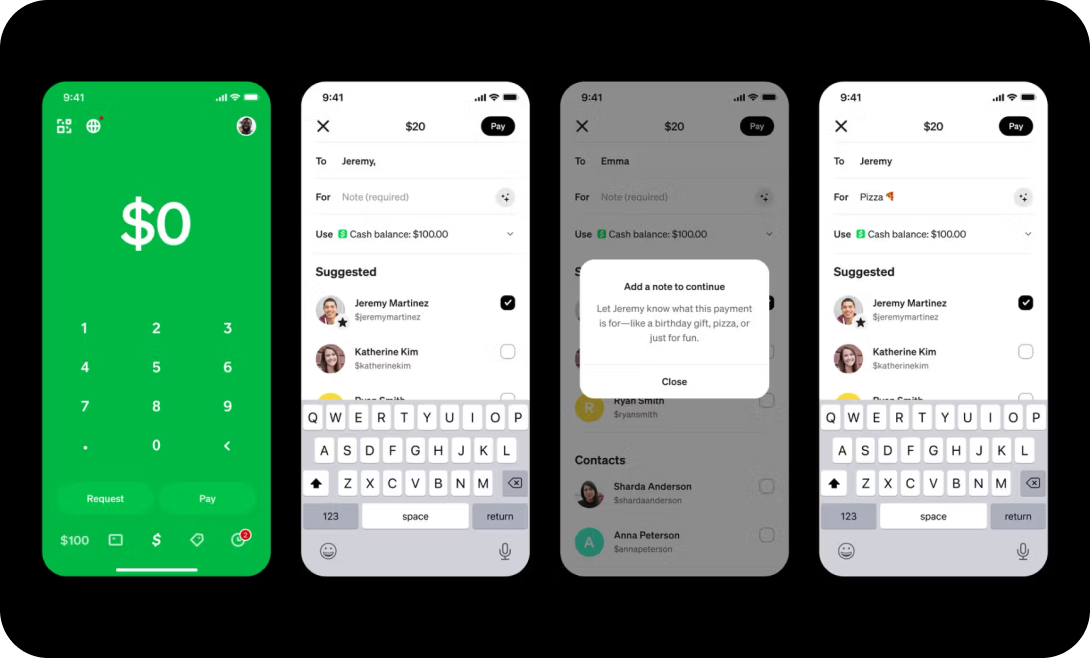
This guide delves into the specifics of Cash App’s sending limits, exploring the factors that influence them, the process of increasing them, and the broader financial implications for users. For anyone using Cash App as a regular financial instrument, grasping these nuances is key to optimizing its utility within your overall financial strategy.
Understanding Cash App’s Tiered Sending Limits
Cash App, like most financial platforms, implements a tiered system for transaction limits. These tiers are primarily designed for security and regulatory compliance, differentiating between unverified accounts and those that have undergone a more rigorous identity check. This structured approach helps prevent fraud, money laundering, and other illicit activities, safeguarding both the platform and its users.
Initial Limits for Unverified Accounts
When you first sign up for Cash App, your account is considered “unverified” or “standard.” While you can immediately begin sending and receiving money, there are strict limits placed on the amounts you can transfer. Typically, an unverified Cash App account has a sending limit of $250 within any 7-day period. This limit resets periodically, allowing you to send another $250 once the previous 7-day cycle completes.
Similarly, there’s often a limit on how much you can receive with an unverified account, which generally stands at $1,000 within any 30-day period. These initial limits are relatively low, making them suitable for casual, small-scale personal transactions, such as splitting small expenses or sending minor gifts. However, for anyone looking to use Cash App for more significant financial interactions – whether it’s for regular payments, larger purchases, or managing income from a side hustle – these limits quickly become restrictive. From a personal finance perspective, operating within these constraints requires careful planning and can hinder spontaneous financial flexibility.
Elevated Limits for Verified Accounts
The most significant increase in your Cash App sending capacity comes with account verification. This process essentially tells Cash App that you are who you say you are, fulfilling “Know Your Customer” (KYC) requirements common across the financial industry. Once verified, the sending limits jump significantly, offering far greater financial freedom.
For a fully verified account, you can typically send up to $7,500 within any 7-day period. This massive leap from $250 empowers users to handle a much wider range of financial transactions, from paying for substantial services to covering larger shared expenses. Furthermore, while Cash App doesn’t usually specify an explicit monthly sending limit for verified accounts in the same way it does for weekly limits, the effective monthly capacity, based on the weekly limit, is substantial. This enhanced capability makes Cash App a more viable tool for significant personal expenditures and even certain small business operations, provided they stay within these weekly parameters.
Understanding these different tiers is foundational for anyone incorporating Cash App into their financial toolkit. It dictates not only how much money you can move but also the types of transactions you can realistically conduct using the platform.
The Verification Process: Unlocking Higher Financial Flexibility
For anyone finding the basic $250 sending limit too restrictive, verifying your Cash App account is the immediate and most effective solution. This process is straightforward and aligns with standard financial industry practices for identity confirmation. Completing verification not only expands your transaction capacity but also enhances the overall security and legitimacy of your account, which is crucial for responsible financial management.
What Verification Entails
The verification process on Cash App typically requires you to provide specific personal information. This data is used to confirm your identity and link your Cash App account to an individual user, complying with anti-money laundering (AML) regulations and financial security protocols.
The primary pieces of information requested for verification usually include:
- Your full legal name: This should match your government-issued identification.
- Your date of birth: Confirming you meet the minimum age requirement for using the service.
- The last four digits of your Social Security Number (SSN): This is the most critical piece of information for identity verification in the United States. Cash App uses this to cross-reference with public records and credit bureaus, not to perform a credit check, but solely to verify your identity.
- Your full physical address: For regulatory compliance and to link your financial activity to a geographic location.
In some cases, especially if there are issues with the initial verification, Cash App might request additional documentation, such as a photo of your driver’s license or state ID. This is a common practice when automated verification systems encounter discrepancies or require further proof of identity.
Steps to Verify Your Account
The verification process is initiated directly within the Cash App. Here’s a general outline of the steps:
- Open the Cash App: Navigate to your profile icon (usually in the top right corner).
- Scroll Down to “Personal”: Under this section, you’ll see options related to your personal information.
- Provide Requested Information: You’ll be prompted to enter your full name, date of birth, the last four digits of your SSN, and your address.
- Submit for Review: Once you’ve entered all the necessary details, submit the information. Cash App’s system will then attempt to verify your identity.
- Confirmation: If successful, you’ll receive a notification that your account has been verified, and your sending limits will automatically be increased. If there’s an issue, you might be asked to provide further documentation.
It’s important to ensure that all information provided is accurate and matches your official records. Any inconsistencies can delay or prevent successful verification. From a personal finance standpoint, undergoing this verification is an investment in your financial flexibility, allowing you to use Cash App more broadly for your monetary needs without constant concern for hitting limits.
Strategic Approaches to Managing Your Cash App Transactions
With a clear understanding of Cash App’s sending limits, particularly the significant difference between unverified and verified accounts, users can adopt strategic approaches to manage their transactions effectively. This involves proactive planning, awareness of limitations, and sometimes, knowing when to leverage alternative financial tools.
Planning for Larger Transfers
If you anticipate needing to send more than the basic $250 limit, the most straightforward strategy is to verify your account in advance. This eliminates the immediate hurdle and provides the flexibility of sending up to $7,500 weekly. Waiting until you need to send a large sum to initiate verification can lead to delays, as the process, while usually quick, can sometimes take a day or two if manual review is required. For planned expenses like rent, significant purchases from individuals, or larger payments for services, ensuring your account is verified well ahead of time is a prudent financial practice.
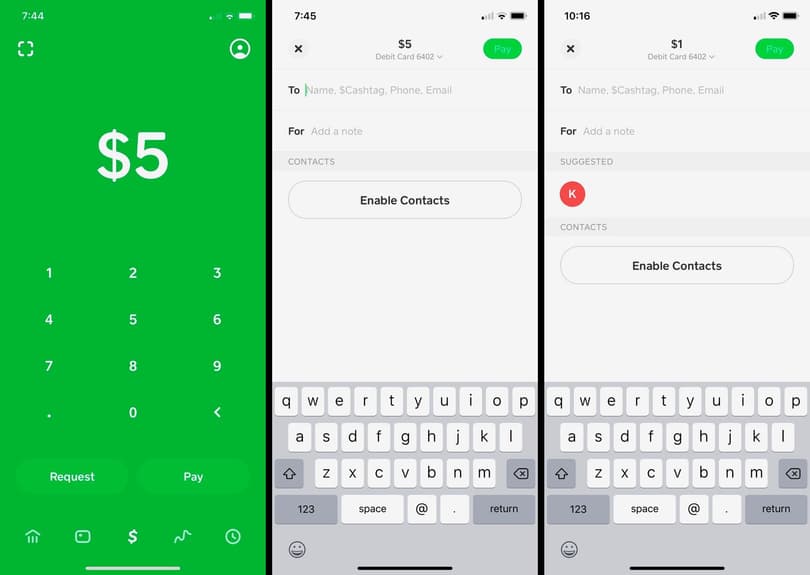
For transfers exceeding even the verified $7,500 weekly limit, or for very large, regular payments, Cash App may not be the most suitable tool. In such cases, consider:
- Splitting payments over multiple weeks: If the recipient is agreeable and the payment isn’t time-sensitive, you could send a portion one week and the remainder the next. This requires careful tracking and communication to avoid confusion.
- Utilizing other financial platforms: Traditional bank transfers (ACH or wire transfers), Zelle (often with higher bank-specific limits), PayPal, or other peer-to-peer services might offer higher limits or be better suited for very large transactions. Each platform has its own fee structure and processing times, which should be factored into your financial decision.
Monitoring Your Sending Activity
Cash App provides a clear transaction history within the app. Regularly reviewing this history helps you stay aware of your recent sending activity and how close you are to approaching your weekly limit. This is particularly important for users who engage in frequent or moderately sized transactions.
- Set reminders: If you have recurring payments or anticipate several transactions in a short period, consider setting a personal reminder to check your Cash App activity.
- Budgeting for Cash App transfers: Incorporate your expected Cash App transfers into your personal budget. This helps you visualize your cash flow through the app and prevent unforeseen limit restrictions from impacting your financial plans.
- Understanding the “rolling” 7-day period: The 7-day limit is not a fixed Monday-Sunday cycle. It’s a rolling window. If you send $250 on Tuesday, you can send another $250 starting the following Tuesday. Understanding this rolling nature is crucial for accurate limit tracking.
Differentiating Personal vs. Business Use
While Cash App is predominantly a peer-to-peer payment app, many individuals and small businesses use it for transactions. If you’re using Cash App to receive income for a side hustle or to pay suppliers, it’s vital to:
- Be aware of tax implications: All income, regardless of how it’s received, is generally taxable. Keep meticulous records of business transactions conducted via Cash App for tax reporting purposes. Cash App issues Form 1099-K for business accounts exceeding certain thresholds, but even if you don’t receive one, the income is still reportable.
- Consider Cash App for Business: Cash App offers specific “for Business” accounts which might have different features or reporting capabilities. While limits are similar for sending, it’s designed to track business income more clearly. For larger scale business operations, a dedicated business banking account and more robust payment processing solutions are usually more appropriate and scalable.
Strategic management of your Cash App transactions ensures that this convenient tool remains an asset to your financial life, rather than a source of frustration due to unforeseen limits.
Beyond Sending: Financial Implications and Best Practices
Understanding Cash App’s sending limits extends beyond simply knowing the numbers; it integrates into a broader understanding of personal finance, digital security, and responsible financial tool usage. The limits themselves serve a critical function, and how you interact with them can impact your financial well-being.
Why Limits Exist: Security and Compliance
The primary reasons for transaction limits on platforms like Cash App are robust security and compliance with financial regulations.
- Fraud Prevention: By limiting the amount of money that can be moved at once, especially by unverified users, Cash App significantly reduces the potential damage from fraudulent activities, stolen accounts, or phishing scams. If a scammer gains access to an unverified account, the maximum they can siphon off is limited, minimizing financial loss.
- Anti-Money Laundering (AML) and Counter-Terrorist Financing (CTF): Financial institutions worldwide are mandated to comply with AML and CTF regulations. These laws require platforms to “Know Your Customer” (KYC) and monitor transactions for suspicious patterns. Limits, especially for unverified users, help prevent illicit funds from being laundered through the system by making large, untraceable transfers difficult. Verification, by linking an account to a real-world identity, enables proper financial oversight.
- Risk Management: From Cash App’s perspective, limits help manage financial risk. Unverified accounts carry higher inherent risk due to the lack of confirmed identity. Limits mitigate this risk for the platform itself.
For users, understanding these underlying reasons reinforces the importance of verification and thoughtful transaction practices. It’s not just about convenience; it’s about contributing to a safer financial ecosystem.
Best Practices for Secure and Responsible Usage
Leveraging Cash App effectively requires adherence to certain best practices that go hand-in-hand with understanding its limits.
- Prioritize Verification: As highlighted, verifying your account is the single most important step for unlocking higher limits and enhancing account security. It signifies you are a legitimate user and helps Cash App protect your funds.
- Link a Secure Funding Source: While you can use a debit card, linking your bank account directly offers greater flexibility and often smoother transactions for larger sums. Ensure your linked bank account is secure and regularly monitored.
- Monitor Your Account Regularly: Keep an eye on your transaction history, not just for limit tracking, but for any unauthorized activity. Enable notifications for all transactions.
- Use Strong, Unique Passwords/PINs: Never use easily guessable PINs and enable two-factor authentication (2FA) if available to add an extra layer of security.
- Be Wary of Scams: The convenience of Cash App makes it a target for scammers. Never send money to people you don’t know, for “too good to be true” offers, or if you’re pressured to act quickly. Cash App payments are instant and generally irreversible, making caution paramount. If an offer involves sending money back and forth, or paying a small fee to unlock a larger sum, it’s almost certainly a scam.
- Understand Cash App’s Role: Cash App is excellent for peer-to-peer payments and small transactions. It is generally not designed to replace a full-service bank account for savings, complex investments, or very large transfers. Use it for its intended purpose within your broader financial strategy.
When to Consider Alternative Financial Tools
While Cash App is highly convenient, it’s crucial for sound financial management to know when its capabilities are insufficient or when another tool might be more appropriate.
- Very Large Transactions: For transfers exceeding the $7,500 weekly limit, especially for home purchases, significant investments, or large business expenses, traditional bank transfers (wire transfers or ACH) or certified checks are generally safer, more secure, and often have higher limits.
- International Transfers: Cash App’s international sending capabilities are limited (e.g., US to UK). For broader international transfers, dedicated services like Wise (formerly TransferWise), Xoom, or traditional wire transfers through banks are more appropriate and often offer better exchange rates and clearer fee structures.
- Complex Business Needs: While Cash App can facilitate small business payments, growing businesses will benefit from dedicated business bank accounts, merchant services, and accounting software that offer more robust features for invoicing, payroll, tax management, and detailed financial reporting.
- Long-Term Savings or Investments: Cash App is not designed for long-term savings accounts or complex investment portfolios. For these purposes, utilize traditional banks, credit unions, and licensed investment platforms (brokerages, robo-advisors).
By integrating Cash App wisely into your financial routine, understanding its capabilities and limitations, and always prioritizing security, you can maximize its benefits as a powerful tool in your personal finance arsenal.
Security, Compliance, and Responsible Cash App Usage
The robust security framework and compliance measures underpinning Cash App’s operations are fundamental to its reliability as a financial tool. These elements are not just regulatory burdens but essential protections for users’ funds and personal data. Responsible usage, in turn, involves understanding and respecting these safeguards, making Cash App a secure and efficient part of your financial life.
The Foundation of Security and Compliance
Cash App, as a financial technology company, operates under a strict regulatory environment designed to combat financial crime and protect consumers.
- Data Encryption: All transactions and personal data transmitted through Cash App are encrypted, safeguarding sensitive information from interception. This means your financial details, including linked bank accounts and card numbers, are protected during transit and at rest.
- Fraud Detection Systems: Sophisticated algorithms and machine learning are employed to monitor transactions for unusual patterns that might indicate fraudulent activity. This proactive approach helps identify and flag suspicious transfers before they can cause significant harm. If a transaction seems out of character for your account, Cash App’s systems might temporarily hold it or request additional verification.
- Regulatory Adherence: Cash App complies with various federal and state financial regulations in the United States, including those enforced by the Financial Crimes Enforcement Network (FinCEN). This includes mandatory reporting of suspicious activities (SARs) and adhering to Bank Secrecy Act (BSA) requirements, which underpin the KYC and AML processes.
- Consumer Protections: While instant peer-to-peer payments have different protections than credit card transactions, Cash App strives to resolve disputes and assist users in cases of unauthorized access or fraud, albeit with limitations. Understanding their dispute resolution process is part of being an informed user.
These layers of security and compliance are why providing personal information for verification is necessary. It’s not just about raising limits; it’s about integrating your financial identity into a system designed for secure, legitimate money movement.

Empowering Your Own Financial Safety
While Cash App provides a secure platform, users play a crucial role in maintaining their own financial safety.
- Strong Authentication: Always use a strong, unique PIN or password for your Cash App account. If your device supports biometric authentication (fingerprint, facial recognition), enable it for an added layer of security.
- Enable Notifications: Turn on push notifications for all transactions. This ensures you are immediately alerted to any activity on your account, allowing you to quickly identify and report unauthorized transfers.
- Beware of Social Engineering: Many scams don’t involve hacking but rather tricking users into revealing information or sending money. Be skeptical of unsolicited requests for money, claims of winning lotteries, or promises of easy money that require an upfront payment. Always verify the identity of the sender or recipient independently, especially for significant sums.
- Phishing Awareness: Never click on suspicious links in emails or text messages that claim to be from Cash App. Always navigate directly to the official Cash App website or use the app for any account management. Cash App will never ask for your PIN, sign-in code, or full SSN via email or unsolicited text.
- Regular Software Updates: Keep your Cash App and smartphone operating system updated. These updates often include critical security patches that protect against newly discovered vulnerabilities.
- Public Wi-Fi Caution: Avoid accessing your Cash App or performing financial transactions on unsecured public Wi-Fi networks, as these can be vulnerable to eavesdropping.
By actively participating in your financial security and understanding the robust framework that Cash App operates within, you can confidently and effectively use this powerful financial tool. Responsible usage is not just about avoiding fraud; it’s about making informed decisions that align with your overall financial goals and ensuring the long-term safety of your digital transactions.
In conclusion, understanding “how much can I send on Cash App” is a fundamental aspect of leveraging this popular financial tool effectively. From the basic limits for unverified accounts to the expanded capabilities of verified users, knowing your transaction thresholds allows for better financial planning, budgeting, and strategic use of the platform. By proactively verifying your account, monitoring your activity, and adhering to best practices for security and responsible usage, Cash App can remain a convenient, secure, and invaluable part of your personal finance toolkit. However, always remember to weigh its convenience against the specific needs of your transaction, ensuring you choose the most appropriate financial tool for every situation.
aViewFromTheCave is a participant in the Amazon Services LLC Associates Program, an affiliate advertising program designed to provide a means for sites to earn advertising fees by advertising and linking to Amazon.com. Amazon, the Amazon logo, AmazonSupply, and the AmazonSupply logo are trademarks of Amazon.com, Inc. or its affiliates. As an Amazon Associate we earn affiliate commissions from qualifying purchases.