
For many nearing or already in retirement, the prospect of supplementing Social Security benefits with additional income is appealing. Whether it’s to maintain a comfortable lifestyle, pursue a passion project, or simply stay engaged, working in retirement has become increasingly common. However, navigating the rules around earning income while collecting Social Security can be complex, leading to a common and critical question: “How much can I make and still draw Social Security?” The answer isn’t always straightforward and depends largely on your age relative to your Full Retirement Age (FRA) and the amount of income you earn. Understanding these rules is crucial to maximizing your benefits and avoiding unexpected reductions.
Social Security’s primary aim is to provide a safety net for retirees, the disabled, and survivors. While it’s designed to replace a portion of pre-retirement income, it also incorporates an “earnings test” to balance the system, particularly for those who haven’t yet reached their FRA. This guide will demystify these regulations, offering clarity on earnings limits, benefit withholding, and the long-term implications of working during retirement. By understanding the nuances, you can make informed decisions about your work plans and ensure your financial security in retirement.
Understanding Social Security’s Earnings Test
The Social Security Administration (SSA) implements an “earnings test” to determine if your benefits should be reduced based on your earned income. This test applies only if you are receiving benefits before you reach your Full Retirement Age (FRA). Once you reach your FRA, the earnings test no longer applies, and you can earn any amount without your benefits being withheld.
What is the Earnings Test?
The earnings test is a mechanism used by the SSA to reduce benefits for individuals who are working and earning above certain thresholds while simultaneously receiving Social Security retirement benefits prior to their FRA. Its purpose is to ensure that Social Security benefits are primarily directed towards those who have genuinely retired or reduced their work hours significantly. It’s not a tax on your earnings; rather, it’s a temporary withholding of benefits that are then recalculated and added back to your benefit amount once you reach your FRA. This distinction is vital for long-term planning. Many recipients mistakenly believe the withheld funds are permanently lost, which is not the case.
Full Retirement Age (FRA) Defined
Your Full Retirement Age (FRA), sometimes referred to as “normal retirement age,” is the age at which you are entitled to receive 100% of your primary Social Security benefit. This age is determined by your birth year:
- Born 1943-1954: FRA is 66
- Born 1955: FRA is 66 and 2 months
- Born 1956: FRA is 66 and 4 months
- Born 1957: FRA is 66 and 6 months
- Born 1958: FRA is 66 and 8 months
- Born 1959: FRA is 66 and 10 months
- Born 1960 or later: FRA is 67
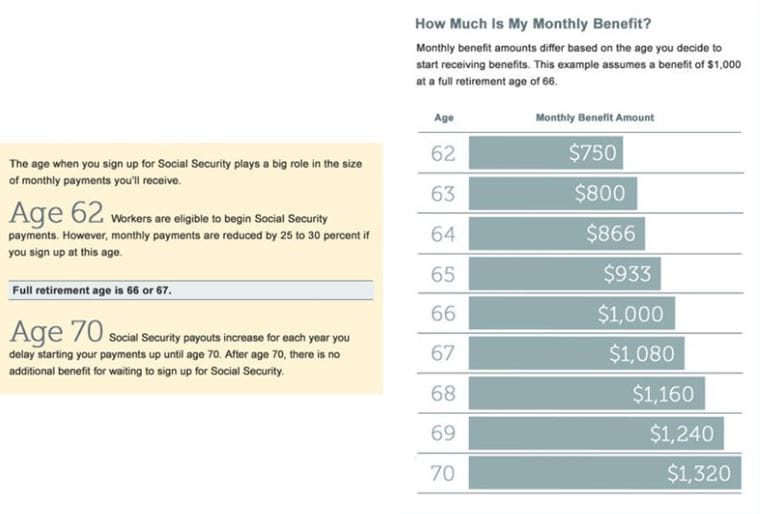
Knowing your precise FRA is the cornerstone of understanding how your earnings will affect your Social Security benefits, as the rules change dramatically once you hit this milestone. Deciding to claim benefits earlier than your FRA means you’ll receive a reduced monthly amount, and it also subjects you to the earnings test. Waiting until your FRA avoids the earnings test altogether and ensures you receive your full benefit amount.
Why the Earnings Test Exists
The earnings test is rooted in the original intent of Social Security: to provide income replacement for individuals who had retired from full-time work. If beneficiaries continued to earn substantial income, the program’s resources could be strained. The test encourages people to transition into retirement or scale back their work. While some argue it discourages productive activity, its existence is a historical element of the program’s design, aiming to balance the system’s solvency and its social welfare goals. Understanding this rationale helps in grasping why the rules are structured the way they are and why the impact of earning income differs based on age.
The Rules for Working Before Your Full Retirement Age (FRA)
This is the period where most beneficiaries encounter the Social Security earnings test. The rules here are designed to reduce benefits for those who are still working significantly before they reach their FRA.
Annual Earnings Limits and Withholding
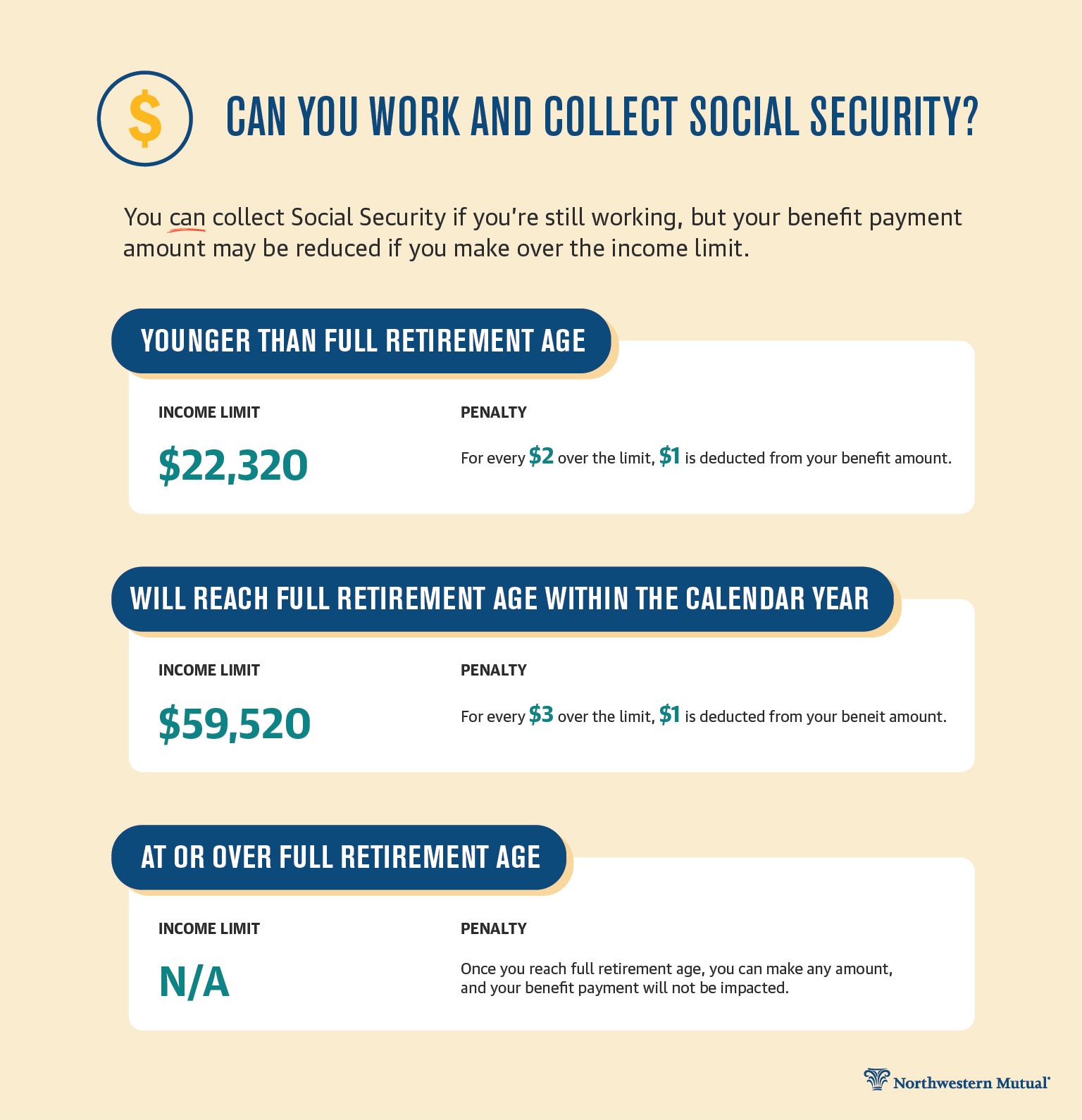
If you are below your Full Retirement Age for the entire year, Social Security sets an annual earnings limit. For 2024, this limit is $22,320. If your earnings exceed this amount, your Social Security benefits will be reduced. The reduction rate is significant: $1 in benefits will be withheld for every $2 you earn above the annual limit.
It’s important to note that “earnings” for this test typically refers to wages from employment or net earnings from self-employment. It does not include income from pensions, annuities, investment income, interest, or dividends. These types of passive income do not affect your Social Security benefits, regardless of how much you receive.
The “Under FRA” Calculation: $1 for Every $2
Let’s illustrate with an example. Suppose you are 62 and your FRA is 67. You started receiving Social Security benefits early, and your monthly benefit is $1,500. For the year 2024, you earn $30,000 from a part-time job.
- Earnings Limit: $22,320
- Excess Earnings: $30,000 (your earnings) – $22,320 (limit) = $7,680
- Benefits Withheld: $7,680 / 2 = $3,840
This $3,840 will be withheld from your Social Security benefits over the year. So, if your annual benefits would normally be $1,500/month * 12 months = $18,000, you would instead receive $18,000 – $3,840 = $14,160. The SSA will typically withhold full months of benefits until the total withheld amount is reached. For instance, they might withhold two full months of benefits ($3,000) and then part of a third month ($840).
Example Scenarios: Illustrating the Impact
- Scenario A: Earnings just below the limit. If you earn $22,000 in 2024, which is below the $22,320 limit, none of your benefits will be withheld. This allows you to supplement your income without any immediate reduction in your Social Security checks.
- Scenario B: Moderate earnings above the limit. If you earn $25,000 in 2024, you are $2,680 over the limit. $1,340 ($2,680/2) would be withheld from your benefits. This means you still receive most of your benefits, but there’s a reduction.
- Scenario C: Substantial earnings above the limit. If you earn $50,000 in 2024, you are $27,680 over the limit. $13,840 ($27,680/2) would be withheld. Depending on your monthly benefit, this could mean many months of benefits are withheld, potentially making it seem like you are receiving very little Social Security.
It’s crucial to understand that even if all your benefits are withheld due to high earnings, you are still considered a Social Security beneficiary. The withheld amounts are not lost permanently; they will be credited back to you in the form of increased monthly benefits once you reach your FRA.
The Year You Reach Full Retirement Age
The rules change specifically for the calendar year in which you reach your Full Retirement Age (FRA). The SSA recognizes this transition year with a more lenient earnings test.
A Different Earnings Limit Applies
In the year you reach FRA, the earnings limit is significantly higher, and the withholding rate is less severe. For 2024, this limit is $59,520. This higher threshold accounts for the fact that you will only be subject to the earnings test for the months before your birthday month when your FRA is reached.
The “FRA Year” Calculation: $1 for Every $3
For earnings in the year you reach FRA, Social Security withholds $1 in benefits for every $3 you earn above the annual limit for the months prior to your FRA birthday month. Once you hit your FRA month, the earnings test disappears entirely, and you can earn an unlimited amount without any further benefit reduction.
Let’s use an example: You will reach your FRA in July 2024. Your monthly benefit is $2,000. In the first six months of 2024 (January-June), you earn $65,000.
- Earnings Limit for FRA year: $59,520
- Excess Earnings: $65,000 (your earnings before FRA month) – $59,520 (limit) = $5,480
- Benefits Withheld: $5,480 / 3 = $1,826.67
In this scenario, approximately $1,827 would be withheld from your benefits. This amount would be taken from your benefits for the months leading up to July. After July, you can earn as much as you want without any further impact on your Social Security checks.
Special Monthly Earnings Test
For the first year you claim Social Security benefits, there’s a special monthly earnings test that can be beneficial. This test applies if you claim benefits mid-year and your annual earnings would otherwise cause a significant reduction. Under the monthly test, Social Security pays you a full benefit for any month you don’t earn above a certain monthly limit, regardless of your annual earnings. For 2024, this monthly limit is $1,860 for those under FRA, and $4,960 for those in the year they reach FRA.
This is particularly helpful if you retire mid-year. For example, if you retire in July and stop working, even if your earnings earlier in the year exceeded the annual limit, you could still receive full benefits from July onwards because you are not earning above the monthly limit in those months. The SSA typically applies the annual test by default, so you might need to inform them if you qualify for and wish to use the monthly test in your initial year of claiming.
Working After Your Full Retirement Age (FRA)
This is the most straightforward period regarding Social Security and earnings. The rules simplify significantly once you cross the threshold of your Full Retirement Age.
The Good News: No Earnings Limit
Once you reach your Full Retirement Age, the Social Security earnings test completely disappears. This is fantastic news for those who wish to continue working without any limitations. You can earn any amount of money from wages or self-employment, and your Social Security benefits will not be reduced or withheld. Your monthly benefit amount will be paid in full, regardless of how much you work or earn. This freedom allows retirees to pursue second careers, part-time work, or entrepreneurship without financial penalties from Social Security.
How Past Withholdings Are Recalculated
A common misconception is that benefits withheld due to the earnings test before FRA are simply lost. This is incorrect. The SSA keeps track of all the benefits that were withheld from you because of the earnings test. When you reach your Full Retirement Age, the SSA automatically recalculates your benefit amount. They apply a credit for the months that your benefits were withheld. This recalculation increases your monthly benefit amount for the rest of your life. Essentially, for every month that benefits were withheld, the SSA treats it as if you had claimed your benefits later, resulting in a higher “delayed retirement credit” adjustment.
For example, if you claimed benefits at 62 and had a year’s worth of benefits withheld due to high earnings, when you reach your FRA, your ongoing monthly benefit will be adjusted upward to account for that effectively “delayed” period. This adjustment aims to compensate you for the benefits you didn’t receive earlier. The increase is usually permanent and reflected in your monthly checks going forward. This mechanism ensures that the earnings test is truly a deferral, not a permanent loss of benefits.
The Long-Term Benefit Adjustment
Beyond the recalculation of past withholdings, your ongoing earnings can also impact your future benefits. Social Security calculates your benefit based on your 35 highest-earning years. If you continue to work and earn a high income after you start receiving benefits (especially if those earnings are higher than some of your previous 35 top-earning years), those new earnings will be factored into your record. This can result in a higher future benefit amount. The SSA periodically reviews your earnings record and automatically adjusts your benefit upward if new earnings replace a lower-earning year in your top 35. This means that working past FRA not only doesn’t reduce your current benefits but can actually enhance them over the long term.
What Counts as “Earnings” (and What Doesn’t)
Understanding what types of income are subject to the Social Security earnings test is just as important as knowing the limits themselves. Misinterpreting this can lead to unexpected benefit reductions or missed opportunities.
Countable Income: Wages and Net Self-Employment
For the purpose of the Social Security earnings test, “earnings” primarily refers to:
- Wages: Income you receive from an employer for work performed. This is reported on your W-2 form.
- Net Earnings from Self-Employment: The profit you make from operating your own business or working as an independent contractor, after deducting allowable business expenses. This is reported on Schedule SE (Form 1040).
The key takeaway is that the earnings test is concerned with earned income – money you receive as a result of your labor. If you receive severance pay after you stop working, it might count as wages for the month or quarter it’s paid, depending on how it’s structured. Bonuses and commissions also generally count as wages. If you are self-employed, it’s your net profit, not your gross receipts, that counts towards the earnings limit. Carefully tracking your business expenses is vital.
Non-Countable Income: Pensions, Investments, Annuities
Many forms of income are specifically excluded from the Social Security earnings test. This is excellent news for retirees who have accumulated wealth through various investment vehicles or employer-sponsored plans. Non-countable income includes:
- Pensions: Payments from a defined benefit plan or a 401(k), 403(b), or similar retirement account.
- Annuities: Payments received from an annuity contract.
- Investment Income: Interest, dividends, and capital gains from stocks, bonds, mutual funds, real estate, or other investments.
- Rental Income: Income from renting out property, unless you are actively involved in real estate as a business.
- Government Benefits: Most other government benefits, like veterans’ benefits or workers’ compensation.
- Roth IRA Distributions: Qualified distributions from a Roth IRA are generally tax-free and do not count as earned income.
This distinction is extremely important for financial planning. It means you can have a substantial passive income stream from investments, pensions, or other sources without it ever affecting your Social Security benefits, even if you are below your FRA. This allows for strategic planning where you might draw down investment portfolios while keeping earned income below the Social Security limits.
The Importance of Accurate Reporting
Regardless of whether your income is countable or not, it is your responsibility to report your estimated earnings to the Social Security Administration if you are receiving benefits and working below your FRA. The SSA uses this information to determine how much to withhold from your benefits. If you earn more than you estimated, you might be overpaid, and the SSA will require you to pay back the difference. If you earn less, they might owe you money.
You can update your earnings estimate throughout the year. It’s better to overestimate slightly than to underestimate significantly, as paying back overpayments can be a hassle. The SSA will reconcile your actual earnings (from W-2s and self-employment tax returns) against their estimates at the end of each year. Proactive communication with the SSA is key to avoiding surprises.
In conclusion, understanding how much you can make while drawing Social Security is not just a matter of knowing a single number. It involves comprehending your Full Retirement Age, differentiating between various income types, and being aware of specific rules that apply before, during, and after reaching your FRA. Strategic planning around your work and income sources can help you maximize your overall financial well-being in retirement. Always refer to the most current annual earnings limits from the Social Security Administration, and consider consulting with a financial advisor to tailor these general rules to your specific circumstances.
aViewFromTheCave is a participant in the Amazon Services LLC Associates Program, an affiliate advertising program designed to provide a means for sites to earn advertising fees by advertising and linking to Amazon.com. Amazon, the Amazon logo, AmazonSupply, and the AmazonSupply logo are trademarks of Amazon.com, Inc. or its affiliates. As an Amazon Associate we earn affiliate commissions from qualifying purchases.