
Securing a home loan is one of the most significant financial milestones for many individuals and families. The question, “how much can I get approved for a home loan?” is often the first hurdle, a critical determinant that shapes your home-buying journey, dictating the neighborhoods you consider, the style of home you can afford, and ultimately, your financial comfort for years to come. It’s a question that delves deep into the interplay of personal finance, economic stability, and lender policies, requiring a comprehensive understanding of various factors that collectively paint your financial picture for potential lenders.
Navigating the mortgage landscape can feel daunting, with a myriad of terms, ratios, and requirements to understand. However, armed with the right knowledge, you can approach the process with confidence, strategically positioning yourself to secure the best possible approval amount and terms. This article will demystify the key elements lenders scrutinize, offer practical strategies to enhance your borrowing power, and guide you through the essential steps to accurately assess your mortgage potential. Understanding these intricacies isn’t just about getting approved; it’s about making an informed decision that aligns with your long-term financial health and homeownership aspirations.
Understanding the Core Factors Influencing Loan Approval
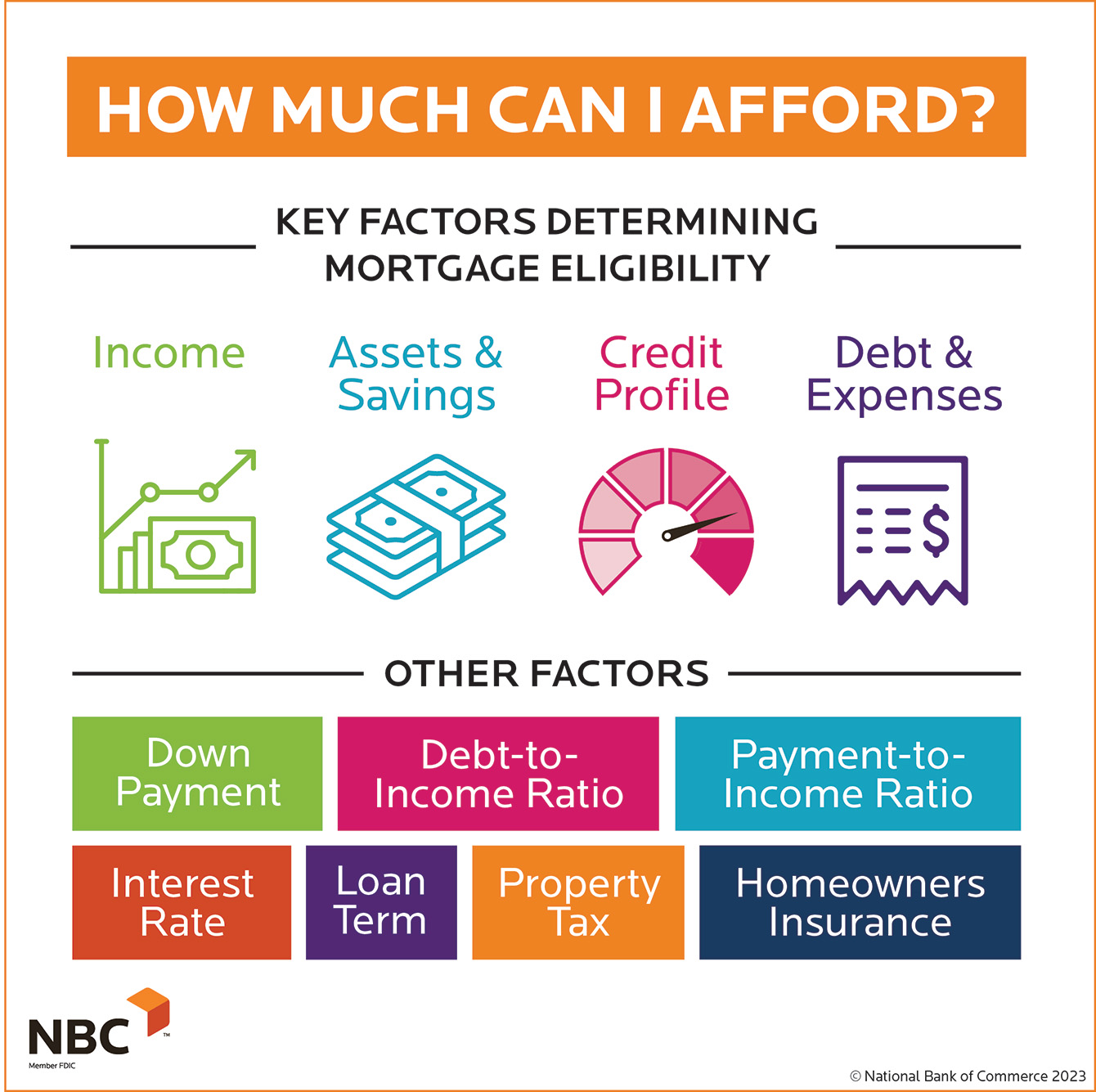
When you apply for a home loan, lenders don’t just look at your current bank balance. They undertake a holistic review of your financial history and current situation to assess your creditworthiness and your ability to comfortably repay the loan. This multi-faceted evaluation hinges on several critical components, each playing a vital role in determining not only if you’ll be approved, but also for how much and at what interest rate.
Credit Score and History: Your Financial Report Card
Your credit score is arguably the most crucial single digit in your mortgage application. Ranging typically from 300 to 850 (FICO score), it’s a quantitative measure of your creditworthiness. A higher score signifies a lower risk to lenders, making you eligible for better interest rates and, potentially, a larger loan amount. Lenders typically prefer scores of 670 and above, with scores in the “excellent” range (740+) unlocking the most favorable terms.
Beyond the score itself, lenders delve into your credit history to see how you’ve managed credit in the past. They look for:
- Payment History: Consistent, on-time payments are paramount. Late payments, especially on previous mortgages or significant debts, can severely impact your chances.
- Credit Utilization: How much of your available credit are you using? Keeping this ratio low (ideally below 30%) indicates responsible credit management.
- Length of Credit History: A longer history of responsible credit use is generally viewed favorably.
- Types of Credit: A mix of credit (e.g., credit cards, auto loans, student loans) demonstrates your ability to manage different financial obligations.
- New Credit: Opening multiple new credit accounts just before applying for a mortgage can be a red flag, as it suggests increased financial risk.
A clean credit history demonstrating consistent, responsible financial behavior will significantly bolster your application.
Debt-to-Income (DTI) Ratio: A Measure of Your Capacity
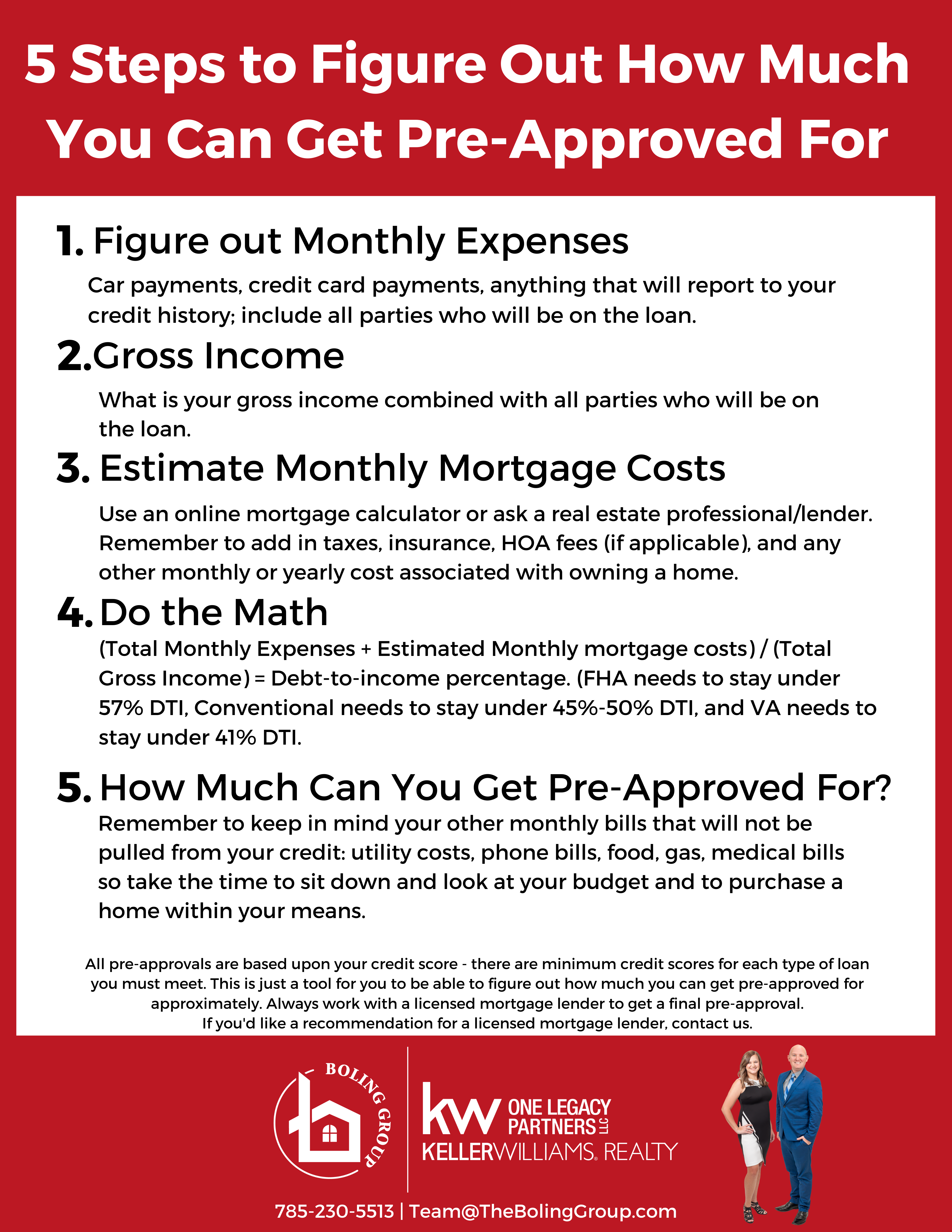
Your Debt-to-Income (DTI) ratio is a crucial metric that directly indicates your ability to take on new debt. It’s calculated by dividing your total monthly debt payments by your gross monthly income. Lenders typically look at two types of DTI:
- Front-End DTI (Housing Ratio): This measures how much of your gross monthly income would go towards housing costs (principal, interest, property taxes, homeowner’s insurance, and HOA fees). Lenders often prefer this to be no more than 28% of your gross monthly income.
- Back-End DTI (Total DTI): This is the more comprehensive ratio, including all your monthly debt payments (credit cards, car loans, student loans, personal loans, etc.) plus your projected housing costs, divided by your gross monthly income. Most lenders prefer this ratio to be at or below 36%, though some government-backed loans (FHA, VA) may allow up to 43-50% in certain circumstances.
A lower DTI ratio indicates you have more disposable income available to meet your new mortgage obligations, making you a less risky borrower. It’s a direct reflection of your financial capacity and is a primary driver of how much loan you can comfortably afford.
Income Stability and Employment History: Demonstrating Reliability
Lenders want assurance that you have a steady, reliable source of income to make your monthly mortgage payments. This translates into scrutiny of your employment history and income stability.
- Consistent Employment: Typically, lenders look for a minimum of two years of consistent employment in the same or a related field. Gaps in employment or frequent job changes can raise concerns.
- Income Verification: You’ll need to provide W-2s, tax returns (typically for the last two years), pay stubs, and potentially bank statements to verify your income.
- Self-Employment: If you are self-employed, proving consistent income can be more complex, often requiring two years of detailed tax returns and profit-and-loss statements to demonstrate stability. Lenders will often use an average of your income over those years.
- Other Income Sources: Rental income, bonuses, commissions, or child support can be considered, but lenders require proof of their consistency and likelihood of continuing.
Demonstrating a stable, verifiable income stream is fundamental to securing a substantial loan approval.
Down Payment and Reserves: Your Skin in the Game
Your down payment is the initial sum of money you contribute towards the purchase of your home. It directly reduces the amount you need to borrow and significantly impacts your loan approval.
- Lower Loan-to-Value (LTV): A larger down payment results in a lower Loan-to-Value (LTV) ratio (the amount borrowed relative to the home’s value), which is less risky for lenders.
- Interest Rates: A substantial down payment (e.g., 20% or more) can often lead to better interest rates and avoids the need for Private Mortgage Insurance (PMI), a costly premium protecting the lender if you default.
- Closing Costs: Beyond the down payment, lenders also want to see that you have sufficient reserves – accessible funds remaining after the down payment and closing costs – to cover a few months of mortgage payments. This provides a safety net for unexpected expenses or temporary income disruptions.
The more cash you can put down and have in reserves, the more attractive you appear to lenders, potentially increasing your approval amount and improving loan terms.
Strategies to Maximize Your Loan Approval Amount
While the factors above are foundational, there are proactive steps you can take to improve your financial profile and, consequently, the amount for which you can get approved. These strategies focus on optimizing your financial health from the lender’s perspective.

Improving Your Credit Score
Your credit score is dynamic and can be improved with conscious effort.
- Check Your Credit Report Regularly: Obtain free copies of your credit report from AnnualCreditReport.com. Dispute any errors immediately, as even small inaccuracies can negatively impact your score.
- Pay Bills on Time, Every Time: This is the single most effective way to improve your score. Set up automatic payments to avoid missing due dates.
- Reduce Credit Card Balances: Lowering your credit utilization ratio by paying down revolving debt significantly boosts your score. Aim to keep balances below 30% of your credit limit, ideally even lower.
- Avoid Opening New Credit Accounts: Opening new lines of credit can temporarily ding your score and signals increased risk to lenders. Resist the urge to apply for new cards or loans in the months leading up to your mortgage application.
- Keep Old Accounts Open: The length of your credit history matters. Don’t close old, paid-off credit accounts, as they contribute positively to your credit age.
Reducing Existing Debt
A lower DTI ratio is paramount. Reducing your debt load directly translates to more borrowing power.
- Prioritize High-Interest Debt: Focus on paying off credit cards and other high-interest loans first. The money saved on interest can then be put towards other debts or savings.
- Consolidate Debt (Cautiously): While debt consolidation can lower monthly payments and simplify finances, be wary of taking on new loans that might extend your repayment period or incur new fees. Ensure it genuinely lowers your total debt burden over time.
- Avoid New Debt: During the mortgage application process, it’s critical to avoid taking on any new significant debt, such as car loans, personal loans, or large credit card purchases. Lenders will rerun your credit closer to closing, and new debt could jeopardize your approval.
Increasing Your Income (and Demonstrating Stability)
While not always immediately feasible, increasing your verifiable income can directly impact your approval amount.
- Secure a Raise or Promotion: If possible, a higher salary provides a clear boost to your income.
- Secondary Income Streams: If you have a side hustle, ensure it’s properly documented and that income is consistently reported for at least two years if you want it to be considered by lenders. This means reporting it on your tax returns.
- Maintain Employment Stability: As discussed, a consistent employment history of at least two years in the same field is crucial. Avoid changing jobs or industries just before or during the mortgage application process, as it can raise concerns about income stability.
Saving for a Larger Down Payment and Reserves
A larger down payment is a powerful tool to enhance your borrowing capacity and terms.
- Automate Savings: Set up automatic transfers from your checking to a dedicated savings account each payday.
- Cut Discretionary Spending: Identify areas where you can reduce non-essential spending (dining out, entertainment, subscriptions) and redirect those funds to your down payment savings.
- Consider Down Payment Assistance Programs: Research federal, state, and local programs designed to help first-time homebuyers with down payment and closing costs. These can significantly reduce your out-of-pocket expenses.
- Build an Emergency Fund: Beyond the down payment, having 3-6 months of living expenses (including potential mortgage payments) in an accessible savings account demonstrates financial prudence and reassures lenders.
Navigating the Application Process and Getting Pre-Approved
Understanding the numbers is one thing; putting it all into action is another. The application process itself offers opportunities to gain clarity and strengthen your position.
Gathering Necessary Documents
Being prepared with your financial paperwork streamlines the application process and shows lenders you are serious and organized. Before you even speak to a lender, start compiling:
- Identification: Government-issued ID (driver’s license, passport).
- Proof of Income: Two most recent pay stubs, W-2s from the last two years, and tax returns from the last two years. If self-employed, two years of full tax returns and current profit-and-loss statements.
- Bank and Asset Statements: Statements for checking, savings, investment, and retirement accounts (last 2-3 months). Lenders want to see your down payment funds and reserves.
- Debt Information: Statements for all loans (student, auto, personal) and credit cards.
- Rent/Mortgage History: Proof of on-time rent payments (if applicable) or previous mortgage statements.
Getting Pre-Approved vs. Pre-Qualified
These terms are often used interchangeably, but there’s a crucial distinction.
- Pre-Qualification: This is an initial, informal assessment based on information you provide (income, debts, assets). It gives you a rough estimate of what you might be able to borrow, but it’s not a commitment from the lender. It usually doesn’t involve a hard credit pull.
- Pre-Approval: This is a much more thorough process. The lender verifies your income, assets, and runs a hard credit check. If approved, you receive a letter stating the exact loan amount you’re approved for, often with an estimated interest rate. This letter is a strong signal to sellers that you are a serious and qualified buyer.
Always aim for pre-approval. It gives you a clear budget, strengthens your offer in a competitive market, and reveals any potential issues early in the process.
Working with a Reputable Lender or Mortgage Broker
Choosing the right financial partner is critical.
- Shop Around: Don’t settle for the first lender you find. Obtain quotes from multiple lenders (banks, credit unions, online lenders, mortgage brokers) within a short period (typically 14-45 days, depending on the credit scoring model) to minimize the impact on your credit score. Compare interest rates, fees, closing costs, and overall service.
- Consider a Mortgage Broker: Brokers work with multiple lenders and can help you find the best loan product and terms for your specific situation. They can also navigate complex scenarios.
- Ask Questions: Don’t hesitate to ask about different loan types (conventional, FHA, VA, USDA), their respective requirements, and which might be best suited for you. Understand all fees involved, including origination fees, appraisal fees, and title insurance.
Conclusion: Empowering Your Homeownership Journey
The question of “how much can I get approved for a home loan?” is a gateway to understanding your financial readiness for homeownership. It’s not merely a number; it’s a reflection of your financial health, stability, and prudent planning. By diligently managing your credit, optimizing your debt-to-income ratio, demonstrating income stability, and saving strategically for a down payment and reserves, you can significantly influence your approval amount and secure more favorable loan terms.
The journey to homeownership is complex, but by proactively addressing these core financial elements and carefully navigating the pre-approval process, you empower yourself to make confident, informed decisions. Remember, the goal isn’t just to get approved for the maximum possible amount, but to secure a loan that comfortably fits within your long-term financial plan, ensuring your home is a source of joy and security, not financial strain. Begin with preparation, proceed with informed action, and build the foundation for your dream home with financial wisdom.
aViewFromTheCave is a participant in the Amazon Services LLC Associates Program, an affiliate advertising program designed to provide a means for sites to earn advertising fees by advertising and linking to Amazon.com. Amazon, the Amazon logo, AmazonSupply, and the AmazonSupply logo are trademarks of Amazon.com, Inc. or its affiliates. As an Amazon Associate we earn affiliate commissions from qualifying purchases.