
Navigating the complexities of Social Security can be daunting, especially when you’re still working or contemplating returning to the workforce while receiving benefits. A common question that arises for many retirees, or those nearing retirement, is: “How much can I earn when receiving Social Security without impacting my benefits?” This question taps into a critical aspect of financial planning for your golden years, blending earned income with your hard-won Social Security entitlements. Understanding the Social Security Administration’s (SSA) earnings limits is crucial for making informed decisions that maximize your financial well-being, prevent unexpected benefit reductions, and ensure a stable income stream throughout retirement. This article will delve into the nuances of these rules, providing clarity and actionable insights for individuals seeking to balance work and benefits.
Understanding the Social Security Earnings Limit
The concept of an “earnings limit” is central to answering how much you can earn while receiving Social Security benefits. This limit is an annual threshold set by the SSA, designed to manage benefit payments for those who are still actively working while collecting Social Security, particularly before they reach their full retirement age.
What is the Earnings Limit?
In essence, the earnings limit is the maximum amount of income you can earn from work in a calendar year before the SSA starts to withhold a portion of your Social Security benefits. It’s important to distinguish between earned income (wages from a job or net earnings from self-employment) and other forms of income, such as pensions, annuities, investment income, or capital gains. The earnings limit only applies to earned income. This distinction is vital because passive income streams do not affect your Social Security benefits, regardless of their amount. The specific earnings limit changes annually, so staying updated with the latest figures from the SSA is always recommended.
Why Does Social Security Have an Earnings Limit?
The earnings limit is rooted in the fundamental design of Social Security as a program primarily intended to replace lost income due to retirement, disability, or death. For those who continue to work significantly before their full retirement age, the program assumes they are not yet fully “retired” in the traditional sense and therefore may have less immediate need for the full benefit amount. The limit helps to ensure that benefits are directed towards those who have genuinely ceased or substantially reduced their work activity due, in part, to age-related reasons. It also indirectly encourages people to work longer if they wish to earn above the threshold, thereby potentially increasing their future benefit amount due to additional years of contributions.
The Importance of Your Full Retirement Age (FRA)
Perhaps the single most critical factor in understanding the earnings limit is your Full Retirement Age (FRA). Your FRA is the age at which you become entitled to receive 100% of your Social Security benefits, as determined by your birth year. For those born in 1960 or later, FRA is 67. It’s 66 and a certain number of months for those born between 1943 and 1959.
The significance of your FRA cannot be overstated because the rules for the earnings limit change dramatically once you reach this age. Before your FRA, the limits are stricter, and benefits are withheld at a higher rate. At and after your FRA, the earnings limit effectively disappears, allowing you to earn as much as you wish without any reduction in your Social Security benefits. This distinction forms the cornerstone of strategic financial planning for retirement.
Earning Limits Before Your Full Retirement Age (FRA)
For many individuals, taking Social Security benefits before their Full Retirement Age (FRA) is a necessity or a preference. However, doing so comes with specific rules regarding how much you can earn from work before your benefits are affected. Understanding these thresholds is paramount to avoiding surprises.
The Annual Earning Threshold
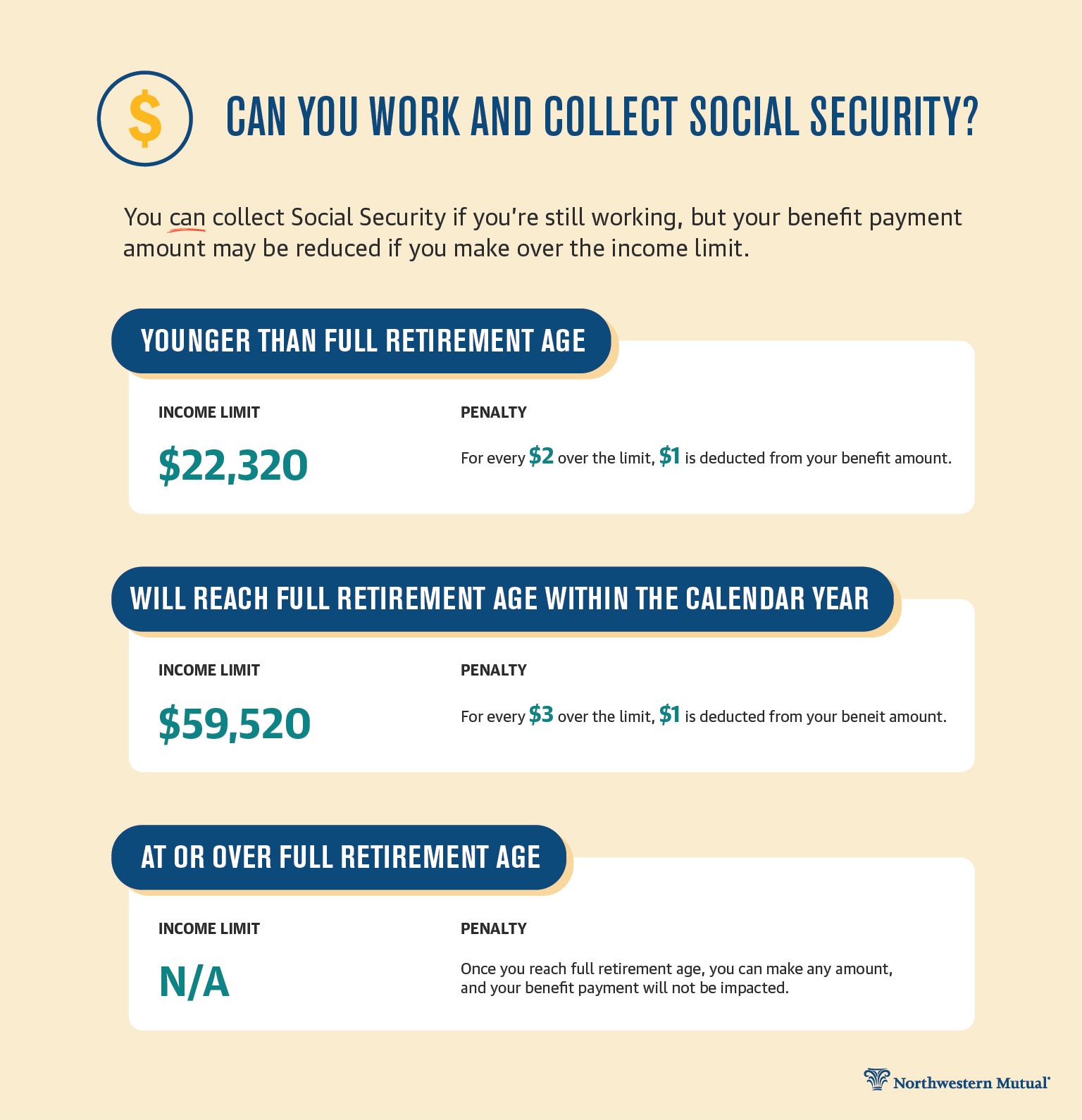
When you claim Social Security benefits before your FRA, the SSA applies a specific annual earnings limit. For every dollar you earn above this limit, a portion of your benefits will be withheld. For example, in 2024, if you are under FRA for the entire year, the annual earnings limit is $22,320. For every $2 you earn over this amount, $1 will be withheld from your benefits. This means if you earn $24,320, which is $2,000 above the limit, $1,000 (half of the excess) will be withheld from your annual benefits. This withholding is initially taken from your earliest benefit payments until the withheld amount is reached.
How Benefits Are Withheld
It’s important to understand how benefits are withheld. The SSA doesn’t simply reduce each monthly payment proportionally. Instead, they will withhold entire monthly payments until the total amount to be withheld due to your excess earnings is reached. For instance, if you’re due $1,000 a month and need to have $2,000 withheld, the SSA might not pay you for two months. Once the withheld amount is recovered, your payments will resume. The withheld benefits are not lost forever; they are simply deferred. If you continue to work and earn above the limit, more benefits will be withheld.
Special Rules for the Year You Reach FRA
There’s a special, more lenient earnings limit that applies only to the year in which you reach your FRA. In this specific year, a higher annual earnings limit applies, and the withholding rate is also more favorable. For example, in 2024, if you reach your FRA during the year, the earnings limit is $59,520. For every $3 you earn above this limit, $1 will be withheld from your benefits, but only for the months before you reach your FRA. Once you reach your FRA, the earnings limit no longer applies to your earnings for that month or any subsequent month. This rule offers a smoother transition into full retirement, allowing higher earnings without penalty during the earlier months of that particular year.
Earning at or After Your Full Retirement Age (FRA)
The landscape of earning and receiving Social Security changes dramatically once you reach your Full Retirement Age (FRA). This transition marks a significant milestone, freeing you from the earnings limits that might have previously constrained your income.
The Disappearance of the Earnings Limit
One of the most liberating aspects of reaching your FRA is that the Social Security earnings limit completely disappears. This means that from the month you attain your FRA and for all subsequent months, you can earn as much as you want from employment or self-employment without any reduction in your Social Security benefit payments. There are no longer any penalties for working, regardless of how substantial your income might be. This provides immense flexibility, allowing individuals to continue working part-time or full-time, pursue new careers, or engage in entrepreneurial ventures without the worry of forfeiting hard-earned benefits. This policy underscores the program’s intent to support retirees fully once they have reached the age deemed appropriate for full retirement.
The Power of Delayed Retirement Credits
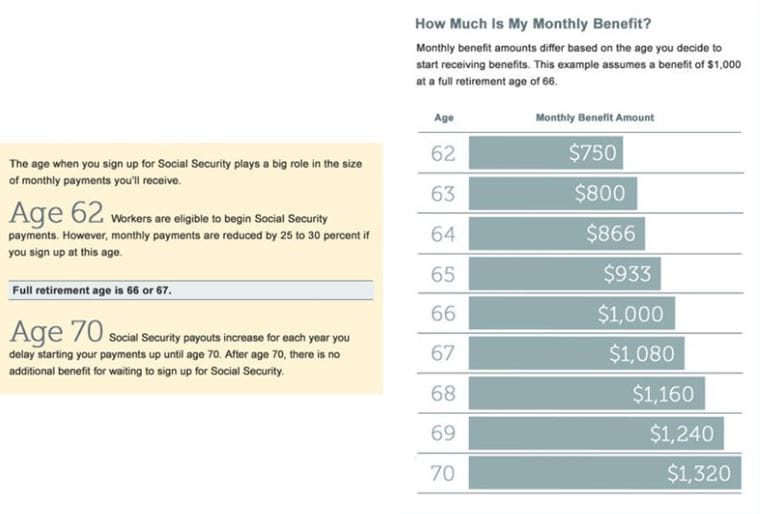
While the earnings limit disappears at FRA, another powerful mechanism comes into play for those who choose to continue working beyond their FRA and delay claiming Social Security benefits: Delayed Retirement Credits (DRCs). For each year you delay claiming benefits past your FRA, up to age 70, your monthly benefit amount increases. These credits add a percentage to your annual benefit, permanently boosting your payments. The exact percentage depends on your birth year, but it can be as high as 8% per year.
For example, if your FRA is 67 and you delay claiming until age 70, you could increase your monthly benefit by approximately 24% (8% for three years). This is a significant incentive for healthy individuals who can afford to delay, offering a lifelong increase in guaranteed income, which can be particularly beneficial for spousal and survivor benefits as well. The ability to earn unlimited income and accrue DRCs makes working past FRA a financially astute strategy for many.
No Impact on Your Benefit Amount Post-FRA
It is crucial to reiterate that once you reach your FRA, not only do the earnings limits cease to apply, but any benefits that were withheld due to earning above the limit before your FRA are also adjusted. The SSA will recalculate your benefit amount, effectively giving you credit for the months in which benefits were withheld. This recalculation occurs at your FRA and is known as the “adjustment of the reduction factor.” It means that you will receive higher monthly payments going forward, making up for some of the earlier withholdings. This ensures that you aren’t permanently penalized for having worked while receiving benefits before your FRA. This adjustment, combined with the removal of the earnings limit, ensures that working at or after your FRA is a financially sound decision for many, maximizing both current income and future benefit payments.
Strategies for Maximizing Your Income While Receiving Benefits
Effectively managing your work income alongside Social Security benefits requires thoughtful planning and an understanding of how these different income streams interact. Strategic decisions can significantly impact your overall financial health in retirement.
Strategic Timing of Retirement
One of the most impactful strategies involves the careful timing of when you claim your Social Security benefits in relation to your work cessation.
- Early Claiming (Before FRA) and Continued Work: If you decide to claim benefits before your FRA and continue to work, be mindful of the earnings limits. You might structure your work to stay below the annual threshold or accept that some benefits will be withheld. However, remember that benefits withheld due to the earnings test will be credited back to you in the form of higher future payments once you reach your FRA. This isn’t lost money; it’s a deferral.
- Waiting Until FRA or Later: Delaying your Social Security claim until your FRA or even later (up to age 70) allows you to avoid all earnings limits. If you can financially manage to work full-time until your FRA, you can collect your full, unreduced benefit while earning as much as you want. Delaying further can also earn you Delayed Retirement Credits, leading to substantially higher monthly payments for life. This strategy is often recommended for those in good health with other sources of income.
Balancing Work Income and Benefits
Successfully balancing work income and Social Security involves more than just knowing the rules; it’s about optimizing your personal financial situation.
- Part-Time or Seasonal Work: For those claiming benefits before FRA, choosing part-time or seasonal work can be an excellent strategy to stay below the earnings limit. This allows you to supplement your Social Security income without triggering benefit reductions. Many retirees find fulfillment in these types of roles, which offer flexibility and less stress than full-time employment.
- Shifting to Non-Earned Income: If your earnings approach the limit before FRA, consider if any of your income can be reclassified or shifted. For example, if you own a business, evaluate whether some income can be taken as distributions rather than wages or self-employment earnings, as distributions generally do not count towards the earnings limit. Consult with a financial advisor or tax professional for personalized guidance on such strategies.
- Monitoring Earnings: Regularly track your earnings throughout the year, especially if you are working and receiving benefits before your FRA. If you anticipate exceeding the limit, you can inform the SSA to adjust your payments, preventing an overpayment situation that would require repayment later.
Understanding Tax Implications of Earned Income and Social Security
It’s crucial to consider the tax implications of both your earned income and your Social Security benefits.
- Taxability of Social Security Benefits: A portion of your Social Security benefits may become taxable if your “provisional income” exceeds certain thresholds. Provisional income includes your adjusted gross income, tax-exempt interest income, and one-half of your Social Security benefits. Earning additional income from work can push your provisional income above these thresholds, leading to 50% or even 85% of your Social Security benefits being subject to federal income tax.
- Strategic Tax Planning: Work with a tax professional to understand how your combined income streams will affect your tax liability. Strategies such as Roth conversions, managing capital gains, and utilizing tax-advantaged retirement accounts can help mitigate the tax impact and optimize your after-tax income. Remember, more earned income means potentially higher income tax, and it can also increase the taxable portion of your Social Security benefits.
Navigating Your Financial Future with Social Security
The journey through retirement is a dynamic one, requiring ongoing attention to your financial health. Social Security is a foundational pillar, but its interaction with your other income streams demands careful planning and occasional adjustment.
Essential Planning and Consultation
Proactive planning is the cornerstone of a secure financial future. Start by thoroughly understanding your projected Social Security benefits through the SSA’s online tools and statements. Then, integrate this information into your broader financial plan.
- Financial Advisor: Engaging a qualified financial advisor who specializes in retirement planning can be invaluable. They can help you model different scenarios, such as claiming benefits at various ages, continuing to work part-time, or delaying retirement, showing you the long-term impact on your overall financial picture. An advisor can also help you understand how your specific investments and other income sources interact with Social Security’s rules and tax implications.
- Tax Professional: Given the potential taxability of Social Security benefits and the interplay with earned income, consulting with a tax professional is crucial. They can help you anticipate your tax liability, identify potential deductions or credits, and suggest strategies to optimize your after-tax income.
- Spousal and Survivor Benefits: If you are married or were previously married, understanding how your decisions affect spousal and survivor benefits is vital. Strategic claiming can significantly enhance the financial security of both partners or a surviving spouse.
Tools and Resources from the SSA
The Social Security Administration provides a wealth of resources to help you make informed decisions.
- My Social Security Account: This online portal allows you to view your earnings history, get estimates of future benefits, and apply for benefits. It’s an indispensable tool for personalizing your planning.
- Benefit Calculators: The SSA website offers various calculators that can help you estimate your benefits under different scenarios, including how working might affect your payments.
- Publications and Fact Sheets: The SSA publishes numerous free brochures and fact sheets covering all aspects of Social Security, including detailed explanations of the earnings limit. These resources are updated regularly and provide authoritative information.
Ultimately, the question of “how much can I earn when receiving Social Security” doesn’t have a single, simple answer. It depends on your age relative to your Full Retirement Age, your individual earnings, and your broader financial strategy. By understanding the rules, utilizing available resources, and seeking professional advice, you can confidently navigate these complexities and ensure your financial retirement plan is robust and effective.
aViewFromTheCave is a participant in the Amazon Services LLC Associates Program, an affiliate advertising program designed to provide a means for sites to earn advertising fees by advertising and linking to Amazon.com. Amazon, the Amazon logo, AmazonSupply, and the AmazonSupply logo are trademarks of Amazon.com, Inc. or its affiliates. As an Amazon Associate we earn affiliate commissions from qualifying purchases.