
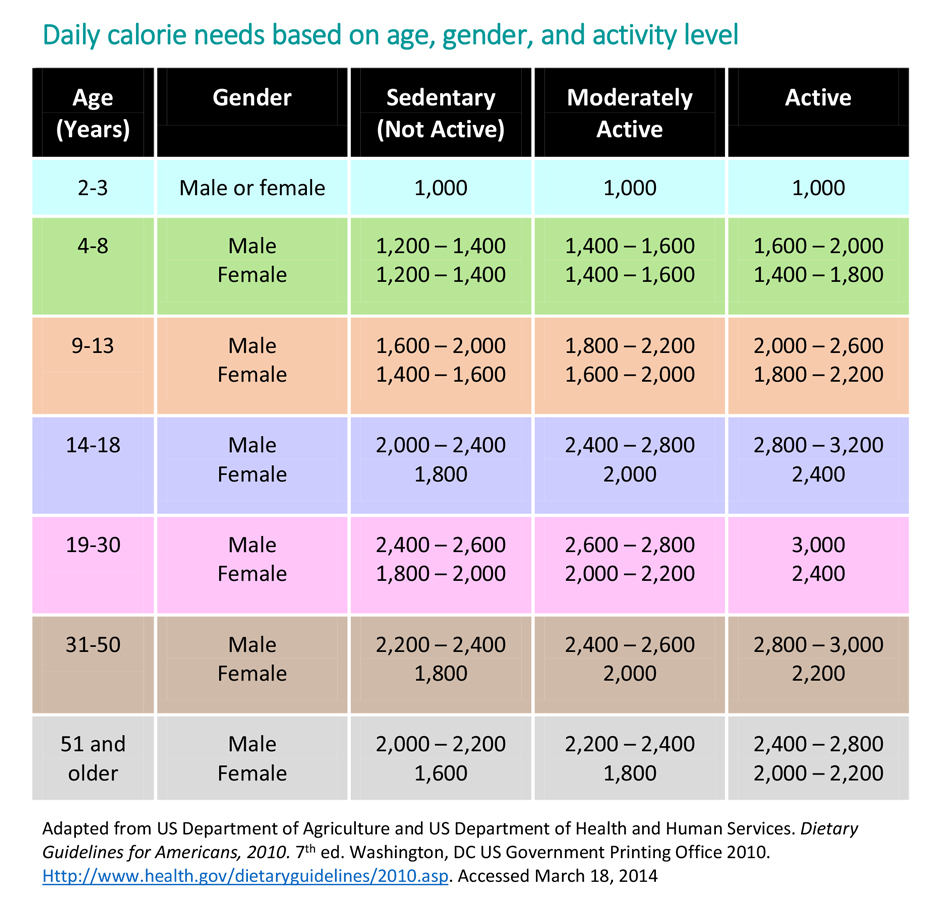
The question of “how many calories per day should I eat” has shifted from a matter of manual arithmetic to a sophisticated challenge of data science. In the past, individuals relied on static charts on the back of cereal boxes or generalized government guidelines. Today, we live in the era of the “Quantified Self,” where the intersection of wearable technology, artificial intelligence, and personalized software determines our nutritional needs with surgical precision. Understanding your caloric requirements is no longer just about biology; it is about leveraging the right tech stack to optimize human performance.

The Digital Shift: Moving Beyond Manual Calorie Calculation
For decades, the standard for determining caloric needs relied on formulas developed in clinical settings, such as the Harris-Benedict equation or the Mifflin-St Jeor formula. While these mathematical models provided a baseline, they were often inaccurate because they could not account for real-time physiological changes. The tech industry has revolutionized this by digitizing these algorithms and integrating them into dynamic platforms.
The Algorithms Behind the Numbers
Modern nutrition apps do not just use one formula; they use ensemble modeling. When a user inputs their age, weight, height, and activity level, the software runs simulations to estimate the Basal Metabolic Rate (BMR) and Total Daily Energy Expenditure (TDEE). Developers are now moving toward “Adherence-Neutral” algorithms. These systems track how your weight responds to the calories you log over time, essentially “learning” your specific metabolism through a feedback loop, rather than relying on a static population average.
Why Static Calculators are Failing the Modern User
Static web calculators are increasingly viewed as “legacy tech” in the wellness space. They fail to account for the thermic effect of food (TEF) or the nuances of non-exercise activity thermogenesis (NEAT). High-end software now bridges this gap by syncing with mobile gyroscopes and accelerometers to adjust caloric targets hourly based on the user’s actual movement, rather than a self-reported “active” or “sedentary” status.
Wearable Technology and the Quantified Self
The hardware revolution has been the single greatest contributor to answering the calorie question. Wearables have moved from simple step counters to advanced biometric laboratories worn on the wrist or finger.
Real-Time Caloric Expenditure via Biometric Sensors
Devices like the Apple Watch, Garmin, and Oura Ring utilize Photoplethysmography (PPG) sensors to monitor heart rate and blood oxygen levels. By analyzing heart rate variability (HRV) and resting heart rate, these devices can estimate the intensity of physical exertion. This data is then fed into proprietary algorithms to provide a more accurate daily caloric “burn.” For a tech-savvy user, this means the answer to “how many calories should I eat” changes daily based on their recovery and activity data.
The Integration of Metabolic Health Sensors
The next frontier in wearable tech is the Continuous Glucose Monitor (CGM). Companies like Levels and Supersapiens are pivoting CGMs from medical tools for diabetics to performance tools for the general public. By tracking blood glucose spikes in real-time via a subcutaneous sensor, users can see exactly how their body responds to specific caloric loads. This data allows for a “glycemic-aware” approach to calorie counting, where the focus moves from the quantity of calories to how those calories affect metabolic stability.
AI and Machine Learning: The Future of Personalized Dietary Insights
As we look toward the future, Artificial Intelligence (AI) is set to remove the “manual” from food logging entirely. The biggest friction point in caloric tracking has always been data entry. AI is solving this through computer vision and predictive analytics.
Computer Vision: Tracking Calories via Photo Recognition
Software developers are utilizing Large Language Models (LLMs) and computer vision to identify food items through a smartphone camera. Apps like SnapCalorie use AI to estimate the volume and caloric density of a meal simply by “looking” at it. By training neural networks on millions of images of food, these tools can differentiate between a 6-ounce ribeye and an 8-ounce ribeye, providing a level of caloric accuracy that was previously impossible for a layperson to estimate.
Predictive Modeling for Weight Loss and Muscle Gain
Machine learning thrives on large datasets. When an app has six months of your weight and intake data, it can perform regression analysis to predict your future progress. This “digital twin” modeling allows users to ask “What if?” scenarios. For example, a user can adjust their caloric target in the app’s interface, and the AI will project their estimated weight in three months based on historical metabolic trends. This shifts the user experience from reactive (tracking what you ate) to proactive (planning what to eat for a specific outcome).
Digital Security and Data Privacy in Health Tech
With the rise of highly personalized metabolic tracking comes a significant concern: the security of biometric data. When you use an app to determine how many calories you should eat, you are handing over some of your most intimate biological information.
Protecting Your Metabolic Profile
Health data is among the most valuable assets on the dark web and for insurance companies. Users must be aware of how their data is encrypted. Leading tech companies in this space are moving toward “On-Device Processing,” where the AI analysis happens locally on the smartphone rather than in the cloud. This ensures that while the user gets the benefit of the insight, the raw biometric data never leaves their hardware, reducing the surface area for potential data breaches.
The Ethics of AI Health Recommendations
There is a growing debate in the tech community regarding the “Black Box” nature of health algorithms. If an AI tells a user to eat 1,200 calories—a dangerously low number for many—who is liable? The industry is currently moving toward “Explainable AI” (XAI), where nutrition software must provide the reasoning behind its recommendations. This transparency is crucial for maintaining user trust and ensuring that the software promotes sustainable health rather than disordered eating patterns.
Choosing Your Tech Stack: A Guide to Modern Nutrition Ecosystems
To accurately answer “how many calories per day should I eat,” a user must choose a software ecosystem that fits their technical needs and goals. The market is currently split into three major categories of digital nutrition tools.
The Data Aggregators: MyFitnessPal and Lose It!
These are the “Google” of the nutrition world. They boast the largest databases of branded foods and restaurant items. Their strength lies in their massive libraries and API integrations with almost every wearable on the market. For the user who prioritizes convenience and variety, these legacy platforms offer the most robust ecosystem.
The AI-Driven Specialists: MacroFactor and Carbon
These apps represent the “Pro” tier of nutrition tech. They do not just track; they coach. MacroFactor, for instance, uses a sophisticated expenditure algorithm that ignores water weight fluctuations to find a user’s true “Metabolic Rate.” These tools are designed for users who want a data-scientific approach to their diet, treating their body like a complex system to be optimized.
The Hardware-First Approach: Whoop and Fitbit
For users who don’t want to log every morsel of food, the hardware-first approach focuses on the “Out” part of the “Calories In vs. Calories Out” equation. These devices provide a “Strain” or “Activity” score that dictates how many calories a user has “earned” for the day. While less precise on the intake side, the seamless integration of hardware into daily life makes this the preferred tech stack for those who prioritize a frictionless experience.
Conclusion: The Programmable Human
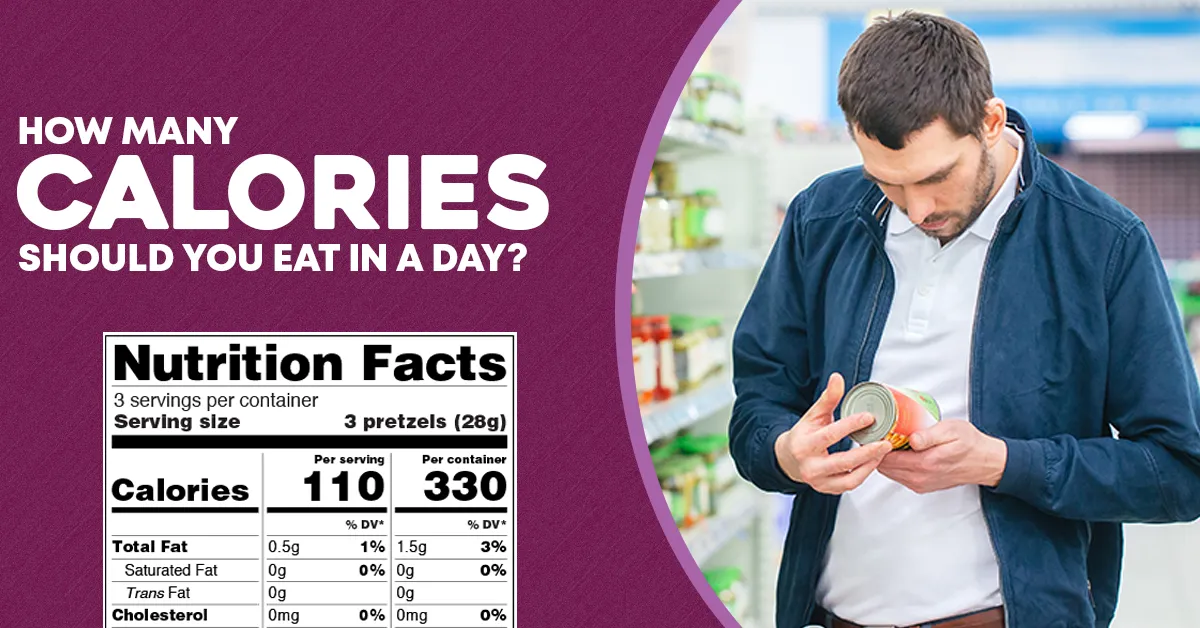
The question of daily caloric intake has been fully absorbed into the digital domain. We are no longer guessing; we are measuring. By combining the processing power of AI, the real-time monitoring of wearables, and the vast databases of modern software, individuals can now program their nutrition with the same rigor used in software engineering. As we move forward, the integration of biological sensors and predictive algorithms will continue to refine our understanding of human metabolism, turning the simple act of eating into a data-driven path toward peak performance. In this tech-driven landscape, the “right” number of calories is no longer a fixed number—it is a live, streaming data point.
aViewFromTheCave is a participant in the Amazon Services LLC Associates Program, an affiliate advertising program designed to provide a means for sites to earn advertising fees by advertising and linking to Amazon.com. Amazon, the Amazon logo, AmazonSupply, and the AmazonSupply logo are trademarks of Amazon.com, Inc. or its affiliates. As an Amazon Associate we earn affiliate commissions from qualifying purchases.